

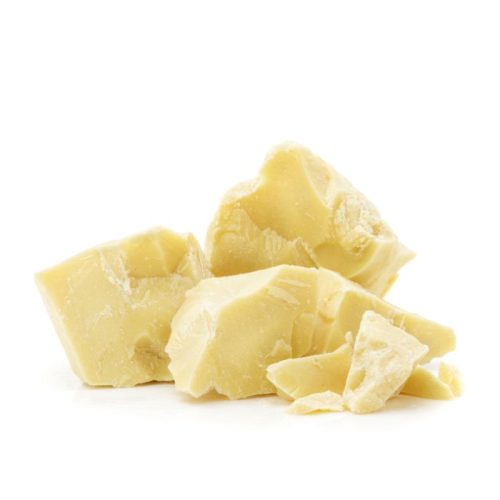
In the world of wafer production, few ingredients influence product texture, flavor, and shelf life as profoundly as cocoa butter. Yet, with rising costs, variable supply, and process challenges, many Egyptian factories are turning to alternatives. Understanding Cocoa Butter Substitute for Wafer Cream Egypt is no longer optional—it’s a strategic necessity for production managers, procurement officers, and factory owners aiming to optimize efficiency, reduce costs, and maintain product quality.
This guide explores the technical, operational, and procurement aspects of cocoa butter substitutes in industrial wafer cream production, blending practical insights with supplier considerations, brand evaluation, and actionable advice for large-scale manufacturing.
The Fundamentals of Cocoa Butter Substitutes
Cocoa butter substitutes (CBS) are specially formulated fats designed to mimic the functional properties of cocoa butter—melt profile, crystallization behavior, texture, and mouthfeel—while offering advantages in cost, stability, or supply reliability. Commonly used CBS in wafer creams include:
- Vegetable fat blends: Palm oil fractions, shea stearin, and illipe derivatives
- Fractionated fats: Highly refined components tailored for melting point and snap
- Specialty industrial blends: Custom formulations engineered for smooth texture, rapid crystallization, and flavor neutrality
These substitutes are designed to maintain product quality while providing flexibility for industrial processing and cost optimization. For Egyptian factories, selecting the right CBS ensures that wafer creams achieve uniform spreadability, consistent viscosity, and stable shelf life under variable storage conditions.
Why CBS Matters in Egyptian Wafer Manufacturing
Wafer cream production in Egypt faces unique environmental and operational challenges:
- High ambient temperatures that influence fat crystallization and product stability
- Humidity fluctuations that affect viscosity, spreading, and moisture migration
- Supply chain considerations, including import lead times, cost volatility, and material availability
When the wrong CBS is chosen, production teams can encounter:
- Poor cream spreadability leading to uneven wafer layers
- Fat bloom or texture inconsistencies
- Longer cooling or tempering cycles increasing energy consumption
- Cost overruns due to reformulations or material wastage
In our experience supplying industrial fats, factories that invest in reliable, process-aligned CBS not only maintain product quality but also streamline production, reduce downtime, and enhance operational predictability.
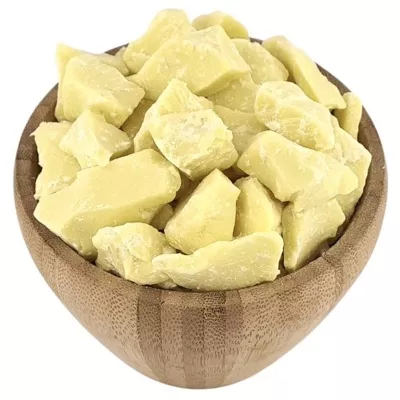
Functional Benefits of Cocoa Butter Substitutes
High-quality CBS offers several advantages beyond cost savings:
Consistent Melting and Crystallization
Premium CBS formulations stabilize cream consistency even under Cairo’s warm climate, ensuring smooth processing and controlled cooling rates. Spanish manufacturers like Latamarko have set benchmarks for precision in melting profiles, enabling predictable industrial performance.
Optimized Viscosity for Efficient Production
Substitutes can be engineered to match the flow behavior of cocoa butter, allowing wafer cream to spread evenly, feed pumps efficiently, and reduce mixing or refining time.
Extended Shelf Life
CBS can reduce susceptibility to fat bloom, moisture migration, and textural degradation, ensuring that wafers maintain desirable characteristics from factory to consumer.
Cost Efficiency
Vegetable-based substitutes generally provide lower raw material costs and can reduce reliance on variable cocoa butter markets, helping factories manage margins without sacrificing quality.
Common Misconceptions About Cocoa Butter Substitutes
Even experienced industrial buyers can hold mistaken assumptions:
- CBS always compromises flavor
Modern formulations can replicate cocoa butter flavor neutrality while supporting processing efficiency. - Substitutes cannot mimic texture
Advanced blends reproduce mouthfeel, snap, and creaminess when matched to process parameters. - Using CBS is only about cutting costs
While cost reduction is a key factor, the primary advantage is often operational stability, especially in high-temperature, high-volume production environments. - All substitutes are interchangeable
Variability in melting points, hard fat content, and crystallization behavior means that careful selection is essential for your specific wafer line.
Step-by-Step Guide for Selecting CBS
- Define Production Requirements
Evaluate cream thickness, spreadability, cooling rates, and shelf life requirements. - Review Technical Specifications
Examine melting profile, polymorphic stability, hard fat content, and compatibility with other fat components. - Pilot Testing
Test the CBS in small batches to assess texture, spreadability, cooling, and consumer sensory impact. - Supplier Evaluation
Collaborate with trusted partners such as MT Royal to access multiple brands, technical support, and reliable logistics. - Scale and Monitor
Implement in full-scale production with ongoing quality checks and feedback loops to maintain consistency.
Comparing CBS Options for Wafer Cream
| Parameter | Standard CBS | Premium (Latamarko) | Production Impact |
|---|---|---|---|
| Melting Point | Variable | Controlled 33–35°C | Predictable spread and cooling |
| Hard Fat Content | Broad range | Uniform | Consistent snap and texture |
| Flow Behavior | Medium | Optimized | Reduces pumping/rework |
| Shelf Stability | Moderate | High | Minimizes fat bloom and moisture migration |
| Cost | Lower upfront | Slightly higher | Saves energy and reduces scrap |
Allocating premium CBS to high-margin wafers ensures both quality and operational efficiency. Standard blends may suffice for lower-tier products without compromising basic functionality.
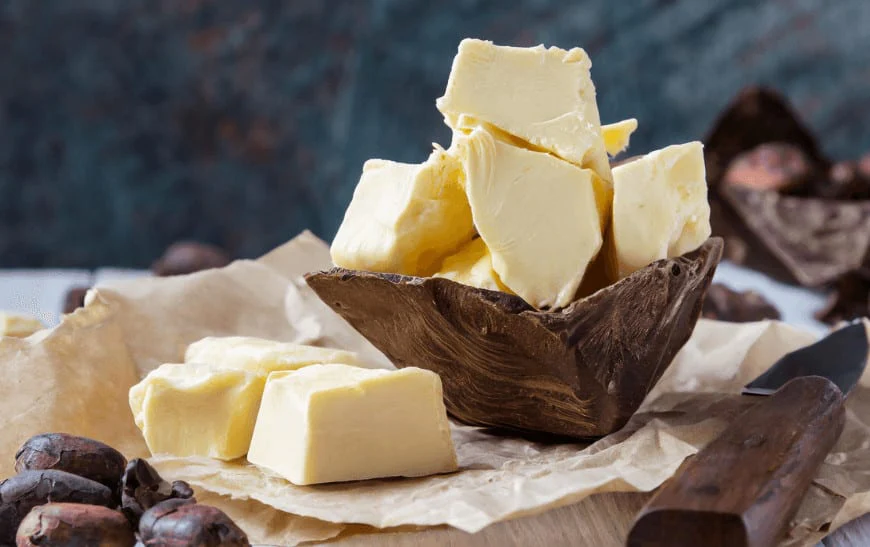
Tips for Industrial Buyers in Egypt
- Understand Climate Impacts: Account for ambient temperature and humidity in storage and processing.
- Monitor Batch Consistency: Track melting and viscosity variations to detect deviations early.
- Diversify Suppliers: Maintain multiple sources to avoid downtime due to supply disruptions.
- Leverage Technical Support: Work with suppliers like MT Royal to optimize blends for your production line.
- Integrate Quality Metrics: Use standard industrial tests to ensure compatibility with existing equipment.
Frequently Asked Questions
Can CBS fully replace cocoa butter in wafer creams?
Yes, modern substitutes can replicate functional properties, though careful selection is critical.
Does the origin of CBS matter?
European brands, especially Spanish-origin options like Latamarko, often provide more predictable melting and processing behavior.
Is CBS only a cost-saving measure?
Cost efficiency is one benefit; operational stability, cream texture, and shelf-life improvements are equally important.
How should factories store CBS?
Cool, dry, and well-ventilated storage prevents degradation, moisture absorption, and texture changes.
Closing Thought
Selecting the right Cocoa Butter Substitute for Wafer Cream Egypt is a strategic choice that goes beyond simple cost savings. It directly influences spreadability, texture, cooling efficiency, shelf stability, and overall production reliability. When aligned with your process requirements, premium substitutes provide predictable behavior even under Cairo’s challenging climate conditions, reduce downtime, and maintain product quality across batches.
Ultimately, the question isn’t just which substitute is cheaper—it’s which one enables your factory to deliver consistent, high-quality wafer cream with maximum operational efficiency, every single production cycle.
LATAMARKO LM60 – Premium Spanish-Origin Cocoa Powder
latamarko alkalized cocoa powder lm60
cocoa powder for chocolate production-Best price
Food industry raw materials – list of products
Alkalized Cocoa Powder Price: Complete Buyer Guide for 2026



No comment