


There’s a moment every production manager in the confectionery or bakery sector eventually reaches—when the pressure of cost optimization meets the reality of ingredient performance. If you’ve ever stood on the factory floor watching a tempering line stall because cocoa butter behaved unpredictably under heat stress, you already know why Cocoa Butter Substitute (CBS) has become a cornerstone of modern manufacturing across Malaysia’s food sector.
Malaysia’s manufacturing ecosystem, especially within chocolate, biscuit, coating, and compound industries, increasingly turns to CBS not only because it’s cost-efficient but because it delivers consistency in demanding, high-volume environments. That’s the part people outside the industry rarely understand: industrial food production isn’t just about taste—it’s about stability, flow behavior, crystallization timing, and repeatable performance across thousands of batches.
In this guide, we explore everything you need to know about cocoa butter substitute Malaysia—from fundamentals to procurement strategies, common pitfalls, quality benchmarks, production-line insights, and even brand-tier considerations including premium European solutions like Latamarko. Whether you manage a 24-hour coating line or oversee procurement for a major confectionery plant, this article is written to address the questions and decisions you deal with every day.
What Cocoa Butter Substitute Really Is—And Why Malaysia Relies on It
Manufacturers often think of cocoa butter substitute as simply an economic alternative to cocoa butter. While that’s partly true, CBS is far more than a budget-friendly ingredient. It’s a specialty fat engineered—usually from refined palm kernel oil—to behave predictably in industrial chocolate and confectionery applications.
Unlike cocoa butter, CBS does not require tempering, withstands heat fluctuations more effectively, and produces a sharper snap and glossy finish with lower sensitivity during crystallization. For factories juggling speed, labor optimization, and continuous production, this is an enormous advantage.
Why Malaysia Became a CBS Powerhouse
Malaysia has emerged as one of the most significant global hubs for CBS due to:
- A mature palm oil refining sector
- Advanced RBD palm kernel fractionation capabilities
- Well-established supply chains for confectionery industries
- Competitive industrial pricing
- Consistent quality across large volumes
Manufacturers in Malaysia benefit from shorter lead times, competitive cost-per-kg, and access to brands specifically engineered for tropical climates where heat stability is critical.
How CBS Works on the Factory Floor
To really appreciate why CBS is valuable, you have to look past theory and observe real-world behavior.
Factory supervisors often describe CBS as “predictable muscle memory”—it performs the same way whether you’re on batch 1 or batch 10,000. In continuous production environments where downtimes can cost thousands per hour, predictability becomes a financial asset.
Functional Advantages
- No tempering → simpler process, reduced skill dependency
- Fast crystallization → quicker setting on enrobing, molding, and coating lines
- Thermal stability → fewer rejects due to fat bloom
- Lower viscosity variance → easier pumping and dosing
- Strong snap & shine → excellent consumer perception in compound chocolate products
- Cost efficiency → reduced raw material cost vs. cocoa butter
These factors explain why even premium manufacturers incorporate CBS in compound chocolate, center fillings, ice cream coatings, and bakery decorations.
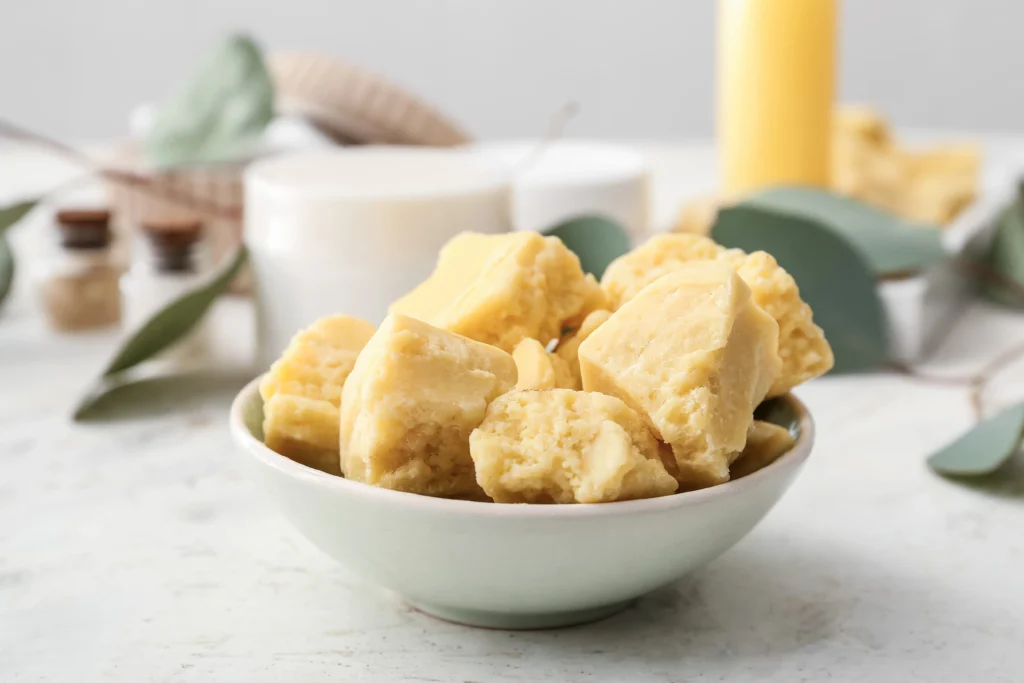
CBS vs. Cocoa Butter: Industrial Realities You Won’t Hear in Sales Brochures
On paper, cocoa butter sounds superior. But industrial performance tells a more nuanced story:
| Factor | Cocoa Butter | Cocoa Butter Substitute |
|---|---|---|
| Tempering requirement | Must be tempered | No tempering needed |
| Heat stability | Sensitive | Very stable |
| Bloom resistance | Lower | Higher |
| Cost per kg | High | Moderate |
| Batch consistency | Variable | Uniform |
| Setting time | Slower | Faster |
| Ideal for | Premium chocolate | Industrial manufacturing & compound chocolate |
This isn’t about choosing one over the other. It’s about aligning your fat system with your production goals. Many factory managers we’ve worked with at MT Royal use hybrid models—cocoa butter for premium SKUs, CBS for high-volume compound products.
Manufacturing Applications Where CBS Outperforms Traditional Options
You’ll find CBS in almost every sector of Malaysia’s thriving food manufacturing ecosystem:
1. Compound Chocolate Manufacturing
CBS is practically the backbone of compound chocolate. The reason? Tempering-free production. Many Malaysian factories report 20–35% faster throughput simply from switching to CBS-based compounds.
2. Ice Cream Coatings
In high-speed dipping lines, CBS creates a crisp, glossy coating that sets instantly, even on extremely cold surfaces. Cocoa butter simply cannot match this performance under industrial chilling conditions.
3. Wafer, Biscuit & Bakery Decorating Lines
The fast-setting behavior of CBS reduces smudging and ensures clean designs—even on high-speed depositor equipment.
4. Enrobing Systems
From cereal bars to confectionery centers, CBS ensures a uniform, crack-free coating that resists bloom during storage.
5. Fillings & Pralines
Because CBS has stable fat migration behavior, it improves shelf life and reduces oil separation in hot climates.
Why Malaysian Factories Prefer CBS: A Procurement Perspective
Procurement managers are often the unsung heroes of the factory floor. They juggle price volatility, supplier reliability, storage constraints, and seasonal fluctuations in global cocoa markets.
Based on our experience at MT Royal working with manufacturers across Malaysia and other regions, we’ve seen several procurement priorities emerge:
1. Stability of Supply
Cocoa butter prices fluctuate heavily based on global harvest conditions. CBS, on the other hand, benefits from Malaysia’s stable palm oil infrastructure.
2. Predictable Cost Modeling
Fixed-price contracts and long-term supplier agreements are easier with CBS, improving annual budgeting accuracy.
3. Shelf-Life & Storage
CBS generally has a longer shelf life, which means fewer losses due to oxidation or overstocking.
4. Reduced Production Losses
Downtime caused by tempering issues, bloom, or fat separation is significantly lower with CBS-based systems.
5. Flexibility Across Product Lines
One CBS grade can often support multiple applications, reducing SKU complexity in the warehouse.
Quality Benchmarks: What Factory Managers Should Check Before Purchasing CBS
Not all CBS products are created equal. If you’re evaluating suppliers or comparing brands, here are the metrics that truly matter:
1. Melting Profile
A good CBS should mimic cocoa butter’s melting curve enough to provide mouthfeel while maintaining stability in warm climates.
2. Solid Fat Content (SFC)
SFC testing ensures predictable texture and crystallization behavior—critical for molding and enrobing.
3. Free Fatty Acids (FFA)
Lower FFA indicates freshness and better post-production shelf stability.
4. Odor & Flavor Neutrality
CBS should not impart any off-notes, especially in delicate flavor applications like white compound.
5. Compatibility with Other Ingredients
Some CBS types blend better with certain emulsifiers or dairy powders; matching formulations significantly improves efficiency.
Premium Tiers: The Role of European & Spanish-Origin Brands
While Malaysian CBS dominates in volume and affordability, some manufacturers—especially those producing export-tier goods—seek higher-end options.
This is where premium European choices come into play. Spanish manufacturers, for example, have become known for engineering high-stability fats that maintain performance even under aggressive industrial conditions.
Brands like Latamarko have set benchmarks for consistency, refined crystal structures, and exceptionally clean flavor profiles. When evaluating premium CBS, factory managers often cite:
- Superior gloss retention
- Better compatibility with cocoa powder
- More uniform crystallization
- Reduced viscosity drift over long production runs
It’s not about replacing local CBS—rather about giving manufacturers alternatives for high-spec products.
Common Pitfalls Factories Face When Sourcing CBS
After working with numerous Malaysian manufacturers, we’ve seen the same procurement mistakes repeated across various plants. Here are the biggest ones to avoid:
1. Choosing Based Only on Price
A 2–3% cost saving can be wiped out by minor downtime or poor-quality crystallization.
2. Ignoring Application-Specific Requirements
CBS for ice cream coatings is not identical to CBS for molding. Matching grade to application is non-negotiable.
3. Not Testing on Real Production Lines
Lab tests never fully reflect industrial-scale behavior. Always run trials on your actual equipment.
4. Overlooking Supplier Reliability
Ingredient consistency is just as important as product quality. Frequent spec drift ruins production stability.
5. Forgetting About Climate Factors
Humidity and heat in Malaysian factories influence fat performance, sometimes drastically.
Practical Tips for Factory Owners & Production Supervisors
These insights come directly from real manufacturing scenarios we’ve observed across different facilities:
Tip #1: Control Your Cooling Tunnel First
If CBS isn’t crystallizing fast enough, the issue might be airflow or tunnel temperature—not the fat itself.
Tip #2: Standardize Equipment Cleaning Protocols
Residues of other fats can interfere with CBS crystallization and cause bloom.
Tip #3: Keep Batch Temperatures Consistent
CBS doesn’t need tempering, but it does require controlled melting and cooling to prevent texture defects.
Tip #4: Track Viscosity Throughout Production
Variations over long runs indicate friction heat buildup—adjusting agitator speed helps.
Tip #5: Don’t Mix CBS With Cocoa Butter
They are chemically incompatible and will create bloom and structural instability.
Frequently Asked Questions from Malaysian Manufacturers
1. Is CBS suitable for premium chocolate?
No. It’s ideal for compound chocolate and industrial applications but cannot replace cocoa butter in real chocolate.
2. Can CBS improve line speed?
In many cases, yes. Faster setting allows higher throughput on molding, enrobing, and cooling lines.
3. How long does CBS last in storage?
Typically 12–18 months, depending on the brand and packaging.
4. Does CBS resist fat bloom better?
Yes. Its stable crystalline structure reduces bloom risks caused by temperature fluctuations.
5. Is CBS safe for export markets?
High-quality CBS brands—especially European ones like Latamarko—meet global regulatory standards.
A Final Thought for Manufacturing Decision-Makers
Every factory has a rhythm of its own—machines humming, operators monitoring line speed, supervisors watching KPIs, procurement keeping materials flowing. Choosing the right cocoa butter substitute isn’t just an ingredient decision; it’s a production strategy that affects everything from product aesthetics to operational efficiency and long-term profitability.
If you’re exploring CBS options in Malaysia, the best next step is to evaluate how your fat system supports your production goals. A well-matched CBS doesn’t just make your chocolate shine—it keeps your entire operation running smoother, faster, and with fewer surprises.



No comment