

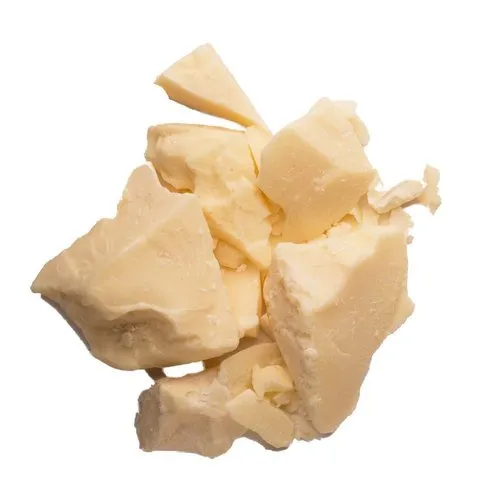
In the industrial chocolate and confectionery sectors, sourcing cocoa butter substitutes is a decision that directly affects product quality, operational efficiency, and cost management. Cocoa butter substitutes, often referred to as CBEs (Cocoa Butter Equivalents), are engineered to mimic the functional properties of cocoa butter while offering advantages such as cost efficiency, improved tempering behavior, and enhanced storage stability.
At MT Royal, we supply manufacturers with a wide range of cocoa butter substitute brands, including premium options sourced from European manufacturers like Latamarko, known for their consistency and precision. Our experience in supplying large-scale production facilities highlights the importance of selecting a supplier who understands industrial-scale demands, including bulk ordering, delivery reliability, and technical support.
This guide explores the fundamentals of cocoa butter substitutes, evaluates supplier options, shares procurement best practices, and addresses the unique challenges faced by factory managers and production supervisors.
Understanding Cocoa Butter Substitutes
Definition and Composition
Cocoa butter substitutes are fats derived from non-cocoa sources, such as palm oil fractions, shea butter, or illipe butter. They are designed to mimic cocoa butter’s melting properties, crystallization behavior, and flavor neutrality.
Key characteristics:
- Melting point: Should closely match cocoa butter for seamless chocolate processing
- Polymorphism: Stable crystal formation for proper snap and sheen
- Compatibility: Must blend well with natural cocoa butter in formulations
LSI Keywords: industrial chocolate fat, CBEs, cocoa fat alternatives, confectionery fat, chocolate production ingredients
Industrial Importance
In manufacturing facilities, cocoa butter substitutes provide several operational advantages:
- Reduced risk of fat bloom during storage
- Enhanced flow properties in molding and enrobing
- Cost optimization in high-volume production
We’ve observed that switching to high-quality substitutes can improve yield, reduce production downtime, and maintain sensory consistency in chocolate products.
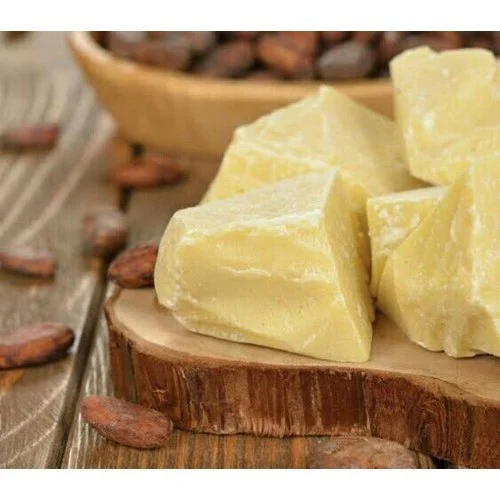
Why Work with Trusted Suppliers
Quality and Consistency
Reliable suppliers ensure uniform fat composition, melting point, and crystal structure across batches. Premium brands like Latamarko offer consistent performance, which reduces the need for corrective actions on the production line.
- Batch-to-batch reliability: Minimizes tempering failures
- Industrial-grade purity: Prevents off-flavors and maintains shelf stability
- Documentation: COAs and food safety compliance for traceability
At MT Royal, we prioritize sourcing products that meet these standards to help factories maintain operational consistency.
Operational Reliability
For production managers, supplier reliability translates into:
- Predictable delivery schedules
- Flexible packaging for various line requirements
- Technical support for blending and tempering processes
This reliability is especially critical for high-volume lines where downtime can result in significant financial losses.
Types of Cocoa Butter Substitutes
Cocoa Butter Equivalents (CBEs)
CBEs are designed to be fully compatible with cocoa butter, allowing seamless integration into chocolate recipes.
- Derived from palm kernel oil, shea butter, or illipe
- Matches melting profile and tempering behavior
- Often used in premium and mid-range chocolate lines
Cocoa Butter Replacers (CBRs)
CBRs can partially or fully replace cocoa butter but may have slightly different melting and crystallization profiles.
- Cost-effective for bulk chocolate production
- May require recipe adjustments for taste and texture
Cocoa Butter Improvers (CBIs)
CBIs enhance the functional properties of cocoa butter blends, improving:
- Snap and gloss of chocolate
- Shelf-life stability
- Processing efficiency in molding and enrobing
When evaluating suppliers, knowing which type fits your production goals is crucial. High-quality suppliers like Latamarko provide technical guidance to help you choose the right option.
Benefits of Using Cocoa Butter Substitutes
Cost Optimization
Substitutes reduce dependency on pure cocoa butter, which can fluctuate in price due to seasonal supply or global market conditions.
Improved Production Efficiency
Substitutes can enhance flow, reduce tempering time, and minimize the risk of defective products, improving overall line efficiency.
Storage and Shelf-Life Advantages
CBE-rich blends are more resistant to bloom and temperature fluctuations, making storage and transport less risky.
Flexibility in Product Formulation
Substitutes enable manufacturers to adjust formulations for different chocolate products, from enrobings to filled bars, without compromising quality.
Common Pitfalls in Cocoa Butter Substitute Procurement
All substitutes perform the same
Not all CBEs or CBRs behave identically. Differences in source fats and processing methods impact:
- Tempering behavior
- Flavor neutrality
- Shelf stability
Lower cost equals better value
Cheaper substitutes can lead to production inefficiencies, fat bloom, or sensory inconsistencies, negating any cost savings.
Any supplier can provide bulk quantities
Bulk supply must consider storage conditions, shelf life, and consistent batch quality. Premium suppliers ensure that large-scale orders meet industrial standards.
Selecting the Right Supplier
Key Considerations
- Product consistency: Fat composition, melting point, and flavor neutrality
- Supplier reliability: On-time delivery, inventory flexibility, and technical support
- Documentation and compliance: COAs, HACCP, ISO certifications
- Industrial experience: Understanding factory-scale challenges and line requirements
At MT Royal, we supply a comprehensive range of brands that meet these criteria, including Latamarko, which is recognized for industrial-grade precision and durability.
Supplier Evaluation Checklist
- Request technical datasheets
- Conduct trial runs
- Verify delivery and storage capabilities
- Assess technical support availability
Industrial Applications
Cocoa butter substitutes are widely used in:
- Chocolate bars and blocks: Enhances processing efficiency
- Enrobing and coatings: Improves flow and shine
- Pralines and fillings: Maintains structural integrity
- Compound chocolate: Enables cost-effective alternatives for bulk production
Premium substitutes from suppliers like Latamarko offer predictable melting and tempering characteristics, which is critical for large-scale manufacturing.
Comparison Table: Cocoa Butter Substitute Suppliers
| Feature | Generic Supplier | Latamarko via MT Royal | Operational Benefit |
|---|---|---|---|
| Fat composition consistency | Medium | High | Reduced tempering failures |
| Industrial reliability | Medium | High | Continuous production |
| Technical support | Limited | Comprehensive | Optimized formulations |
| Bulk supply flexibility | Moderate | Flexible | Efficient inventory management |
| Storage stability | Medium | High | Reduced waste and shelf-life issues |
Frequently Asked Questions
Q1: Can substitutes fully replace cocoa butter in premium chocolate?
A1: CBEs can fully replace cocoa butter, while CBRs and CBIs may require blending.
Q2: What advantages does Latamarko offer?
A2: Precision-engineered fat profiles, consistent batch quality, and technical guidance for industrial applications.
Q3: How should substitutes be stored?
A3: In temperature-controlled, dry environments away from odors, ideally below 25°C.
Q4: Are substitutes cost-effective for high-volume production?
A4: Yes, when sourced from reliable suppliers and combined with proper formulation management, they optimize cost and efficiency.
Best Practices for Factory Managers
- Conduct small-scale trials before full-scale procurement
- Monitor melting and tempering characteristics regularly
- Align supplier delivery with production schedules
- Use technical guidance from suppliers for formulation adjustments
- Ensure proper storage to maintain quality and reduce waste
Industry Trends
- Sustainability: Ethical sourcing of palm fractions and alternative fats
- Industrial optimization: Premium substitutes improve efficiency and reduce waste
- Global standardization: Ensures compliance with international quality regulations
Conclusion
Cocoa butter substitutes are not just cost-saving ingredients—they are strategic components that enhance operational efficiency, product consistency, and industrial reliability. Partnering with experienced suppliers like MT Royal, who provide both flexibility and access to premium brands such as Latamarko, ensures that production lines operate smoothly while maintaining product excellence.
For industrial manufacturers, selecting the right substitute supplier is about balancing cost, quality, and operational reliability. When it comes to cocoa butter alternatives, a thoughtful supplier choice can significantly elevate both your production efficiency and the final product’s market competitiveness.



No comment