

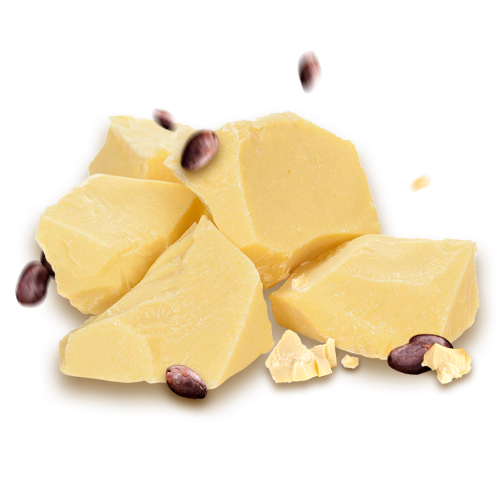
In Libya’s evolving industrial landscape, securing reliable raw materials for diverse production needs is not just a task—it’s a strategic priority that directly impacts operational continuity, cost efficiency, and product quality. Among these essential raw materials, cocoa butter occupies a unique place. Though traditionally associated with the food and cosmetic sectors, its industrial relevance stretches far beyond simple ingredients lists: it plays a role in molding, lubrication, coating solutions, and niche chemical formulations. Whether you’re overseeing a food processing plant, a specialty chemical line, or a cosmetic production facility, understanding how to source cocoa butter effectively within Libya is a crucial piece of the procurement puzzle.
In this comprehensive guide, we’ll explore the fundamentals of cocoa butter supply, practical insights for procurement managers and plant supervisors, challenges and misconceptions in bulk sourcing, and actionable strategies that keep your lines moving without surprises. We’ll also weave in nuanced guidance about supplier selection, including how MT Royal helps manufacturing facilities connect with quality brands, and why European‑engineered options like Latamarko matter when quality cannot be compromised.
Let’s begin by grounding ourselves in what cocoa butter really is and why it matters across industries.
LATAMARKO LM60 – Premium Spanish-Origin Cocoa Powder
latamarko alkalized cocoa powder lm60
cocoa powder for chocolate production-Best price
Food industry raw materials – list of products
Types of Gelatin from Turkish Manufacturer
Food Raw Material Supplier in Germany for the Food Industry
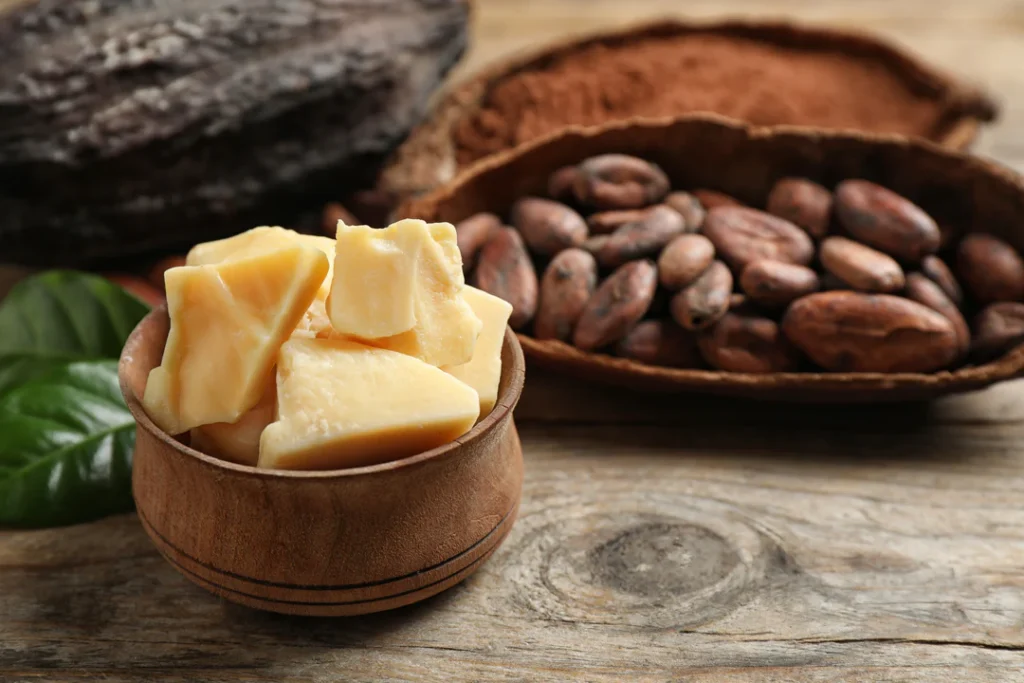
What Is Cocoa Butter? Industrial Definition & Key Characteristics
At its core, cocoa butter is the natural fat extracted from cocoa bean kernels. Its profile is unique:
- A consistent melting range close to human body temperature
- High oxidative stability compared to many plant fats
- A neutral aroma and clean sensory profile
- Excellent emollient and release properties
These characteristics make cocoa butter appealing beyond confectionery. In industrial contexts, it can function as:
• Mold lubricant and release agent
• Base for cosmetic and pharmaceutical formulations
• Ingredient in specialty coatings and thermal transfer applications
• Reference material in quality calibration labs
It’s this versatility that brings cocoa butter into the scope of manufacturing facilities in Libya seeking reliable supply sources that match stringent production needs.
When we talk about cocoa butter supplier in Libya, we’re not just talking about a transaction—we’re talking about strategic integration into your production ecosystem.
Libya’s Cocoa Butter Supply Landscape: Opportunities & Realities
Libya’s industrial import ecosystem has unique contours shaped by logistical realities, regional trade networks, and evolving regulatory frameworks. As manufacturing leaders well know, importing raw materials isn’t just about price—it’s about consistency of delivery, compliance robustness, and quality stability.
Regional Procurement Context
Libya’s Mediterranean access positions it well for European and sub‑Saharan African trade routes. However:
- Freight variability due to seasonal port congestion can affect delivery windows.
- Documentation precision is essential; even minor declaration errors can delay customs clearance.
- Suppliers with established logistic channels—especially those with experience moving bulk fats like cocoa butter—can significantly de‑risk supply chains.
This context is important when evaluating cocoa butter suppliers in Libya: reliability often trumps the lowest bid.
Why Quality Matters: Not All Cocoa Butter Is Created Equal
For many plant managers evaluating suppliers, price is the first metric examined. Yet in industrial contexts, cost‑per‑unit quality, not just unit price, drives sustainable profitability.
Here’s why quality matters:
1. Melting Behavior Affects Downstream Processes
In molding operations, slight shifts in melting points can change cooling times, affect cycle efficiency, and result in product defects.
2. Consistency Enables Predictable Throughput
Batch‑to‑batch variation in raw material properties can cause production teams to constantly recalibrate—introducing waste and inefficiency.
3. Impurities Have Production Consequences Beyond Sensory Impact
While food applications are sensitive to flavor and aroma contaminants, industrial applications are sensitive to particulate and oxidative stability.
4. Supplier Traceability Reduces Recall Risks and Compliance Burdens
For regulated products, traceability and quality documentation are non‑negotiable.
This is why, as we work with manufacturing facilities globally, we emphasize not just sourcing cocoa butter—but sourcing it from partners who provide robust specifications, certificates of analysis (CoAs), and consistent performance data. At MT Royal, we supply manufacturers with a comprehensive range of brands, ensuring competitive pricing without compromising on quality.
Cocoa Butter Grades & What They Mean for Manufacturing
Understanding the different grades of cocoa butter is core to making an informed procurement decision. While grading systems vary by supplier and regional standards, the key aspects manufacturing professionals should focus on include:
Technical Grade Cocoa Butter
- Basic purity profiles suitable for broad industrial use
- Ideal for non‑food applications where sensory characteristics are not critical
- Cost‑efficient option for bulk use
Refined or Pharmaceutical Grade
- Higher purity, minimal free fatty acids
- Suitable for cosmetic, pharmaceutical, and premium food lines
- May command a higher price, but consistent performance often justifies it
Specialty or Premium European‑Engineered Options
Here, brands with rigorous engineering and process controls stand out. European suppliers—especially Spanish engineering brands like Latamarko—have set benchmarks in precision and longevity. While not all cocoa butter originates from Europe, sourcing via partners who understand and integrate these high‑quality options can elevate your final product and operational reliability.
Choosing between these grades should align with your production specifications, quality tolerance band, and end‑market requirements.
Common Misconceptions in Industrial Procurement of Cocoa Butter
Even experienced procurement managers grapple with myths that can cloud decision‑making. Let’s debunk a few:
❌ “Lowest Price Means Best Deal”
Lowest upfront price often conceals hidden costs:
- Quality rejections due to irregular melting points
- Downtime while swapping out inconsistent batches
- Higher handling or storage losses
❌ “Any Supplier with Availability Is Good Enough”
Availability during a single order doesn’t guarantee ongoing reliability. Evaluating supplier history, logistical resilience, and documentation practices is vital.
❌ “All Cocoa Butter Has Similar Industrial Performance”
While chemically similar, processing differences—especially filtration, deodorization, and storage handling—can change performance attributes important to production (e.g., oxidative stability).
The Strategic Role of Supplier Selection
As procurement leaders know, choosing a supplier is strategic, not transactional. A partner should support:
• Forecast alignment with your production schedule
• Flexible inventory approaches (e.g., staggered deliveries)
• Transparent quality documentation
• Responsive communication and after‑sales support
In our experience supplying manufacturing facilities across various industries, facilities that partner with knowledgeable suppliers face fewer interruptions and enjoy faster problem resolution when anomalies occur on the plant floor.
How to Evaluate Cocoa Butter Suppliers for Industrial Use
Here’s a practical, step‑by‑step guide for plant supervisors and procurement officers:
Step 1: Clarify Technical Specifications
Define what you need in measurable terms:
- Melting point range
- Free fatty acid (FFA) content
- Peroxide value
- Filtration standards
- Packaging format (IBC, drums, bulk)
Step 2: Request Detailed Documentation
Ask for:
- Certificates of Analysis (CoAs)
- Material Safety Data Sheets (MSDS)
- Batch traceability records
Step 3: Compare Logistics Capabilities
Evaluate:
- Lead times under standard and expedited scenarios
- Port/rail handling experience
- Customs and duty compliance support
Step 4: Conduct Small‑Batch Trials (if feasible)
Before full‑scale integration, run performance tests:
- In your process conditions
- Across different production lines
Step 5: Negotiate Terms That Reflect Your Risk Profile
This includes:
- Delivery windows and penalties for delays
- Quality deviation allowances
- Replenishment scheduling
By following these structured steps, you reduce unknowns and place yourself in a proactive procurement stance—exactly where seasoned plant leaders need to be.
Real‑World Anecdote: When Raw Material Variance Hit the Line
Imagine a production floor in Misrata where a food‑grade molding operation had ordered cocoa butter for a seasonal surge. The initial batch arrived punctually but exhibited a melting point at the lower edge of the tolerance band. Production engineers noticed the filled molds were taking significantly longer to set, creating bottlenecks on Packing Line 3.
Rather than immediate rejection, the procurement lead called in the supplier to discuss the variance and review the CoA. It turned out the batch had slightly elevated free fatty acids—still within spec, but enough to shift thermal behavior. Because previous deliveries had been consistent and the supplier understood the production context, they offered to adjust the next shipment’s processing profile to tighter specifications.
The result? Line performance normalized, and the facility avoided both waste and downtime—an outcome only possible through strong supplier collaboration and clear performance criteria.
This is exactly the kind of insight we emphasize when discussing cocoa butter supplier in Libya. It’s not about the order—it’s about the partnership.
Cocoa Butter Supplier in Libya – Industrial Overview
Industrial Note: For Libyan manufacturers, choosing the right cocoa butter supplier ensures consistent fat quality, reliable logistics, and compliance with food safety and halal standards. Experienced suppliers help maintain uninterrupted production, reduce operational risk, and ensure premium product consistency for chocolate, bakery, and confectionery lines. |
|---|
Logistics & Storage: Practical Considerations for Production Sites
Once you secure a reputable cocoa butter supplier in Libya, operational success depends on seamless integration into your plant’s logistic and storage systems. Here’s what to think about:
Temperature & Storage
Cocoa butter should be stored in cool, dry conditions:
- Avoid direct sun exposure
- Maintain consistent temperatures (15–20°C ideal)
- Protect against high humidity
Fluctuating temperatures can cause bloom or changes in crystallization that affect downstream performance.
Handling & Transfer
Whether it arrives in drums, IBC totes, or bulk:
- Use clean, dedicated transfer lines
- Monitor for contamination during decant operations
- Document transfer batches for traceability
Inventory Planning
Buffer stock isn’t a luxury—it’s a risk management strategy. Consider:
- Safety stock levels based on lead time variance
- Seasonal variations in shipping capacity
- Forecasted production surges
These considerations turn raw material supply from a passive receipt into an active part of your operational strategy.
Industrial Trends: Cocoa Butter Demand & Supply Chain Insights
Manufacturers globally have observed several trends relevant to cocoa butter sourcing:
1. Rising Quality Expectations in Non‑Food Sectors
Cosmetic and pharmaceutical producers increasingly hold raw material standards to food‑grade or better. This drives suppliers to improve documentation and testing.
2. Supply Chain Scrutiny & Traceability
Regulatory expectations and buyer demands push suppliers to offer transparent batch histories.
3. Sustainability Pressures
While industrial uses of cocoa butter are less directly tied to sustainability labeling, manufacturers are increasingly interested in ethically sourced inputs, particularly when consumer brands scrutinize entire supply chains.
These trends ultimately shape how procurement teams evaluate suppliers and prioritize long‑term partnerships.
Frequently Asked Questions by Production Managers
Here we answer some of the most common queries we encounter about cocoa butter supplier in Libya:
Q: How long does cocoa butter typically last in storage?
With appropriate conditions (cool, dry, stable temperatures), cocoa butter can remain stable for 18–24 months. However, oxidation inhibitors and proper sealing significantly influence shelf life.
Q: Can cocoa butter batches from different producers be blended?
Yes—but only if their performance profiles align closely. Blending dissimilar grades can create unpredictable results. Always validate blend performance in controlled tests.
Q: Are there standard industrial certificates we should demand?
At a minimum:
- Certificate of Analysis (CoA) per batch
- Material Safety Data Sheet (MSDS)
- Traceability documentation
Higher‑tier suppliers often provide additional lab reports on thermal behavior and oxidation.
Q: What packaging formats are most cost‑effective?
For large facilities:
- IBC totes reduce handling labor and packaging waste
- Bulk deliveries (where infrastructure allows) lower per‑unit costs
Choose formats that minimize intermediate handling and preserve quality.
Q: How do we mitigate delivery delays from overseas suppliers?
Mitigation strategies include:
- Staggered delivery contracts
- Local stocking agreements with established importers
- Demand forecasting transparency with your supplier
Reliable suppliers help optimize these strategies.
Final Thought
Cocoa butter may seem like a niche raw material, but for manufacturing leaders operating in Libya’s dynamic industrial environment, it’s a piece of a much larger puzzle: supply chain robustness, quality consistency, and production confidence.
As you evaluate cocoa butter suppliers in Libya, think beyond unit price. Look for partners who understand your production reality, bring quality documentation, and stand behind their products when real‑world challenges emerge. In our experience, facilities that build supplier relationships with depth—balancing performance data, logistic intelligence, and collaborative problem‑solving—consistently outperform those that chase the lowest bid.
At MT Royal, we’ve worked with production facilities across industries to align raw material supply with operational goals, blending competitive pricing with quality options, from technical grades to premium European and Spanish‑engineered brands like Latamarko.



No comment