

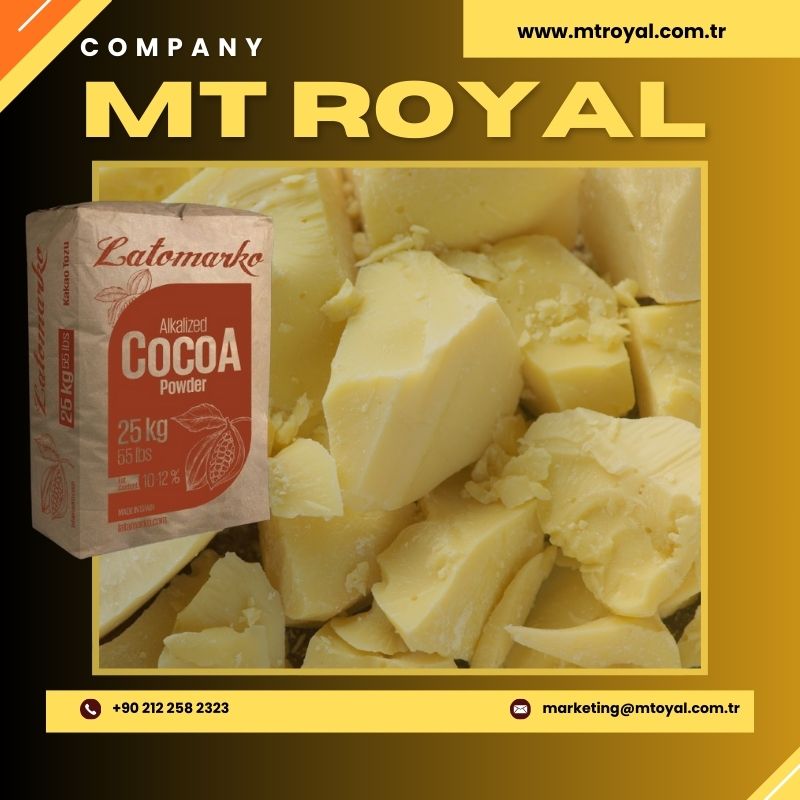
In manufacturing, some raw materials quietly determine whether your operation runs smoothly or constantly fights fires. Cocoa butter is one of those materials.
If you are actively searching for a cocoa butter supplier in Tunisia, this is rarely a casual task. It usually follows a real operational problem: unstable tempering results, rising rejection rates, inconsistent texture, or procurement headaches caused by unreliable imports. For factory owners and production managers, cocoa butter decisions sit at the intersection of quality control, cost management, and production continuity.
This article is written for professionals who manage production lines, not marketing slogans. We’ll explore cocoa butter sourcing from an industrial perspective, explain why Tunisia has become a strategic sourcing point, and—most importantly—clarify how to evaluate suppliers in a way that protects your operation over the long term.
Alkalized Cocoa Powder Supplier
latamarko alkalized cocoa powder lm60
Food industry raw materials – list of products
Cocoa Butter Beyond the Ingredient Label
On paper, cocoa butter is simple: a natural fat extracted from cocoa beans. On the factory floor, it behaves more like a system component than an ingredient.
In chocolate manufacturing, cocoa butter controls crystallization, snap, gloss, and melt behavior. In cosmetics, it influences texture stability, spreadability, and sensory consistency. In pharmaceutical and nutraceutical applications, purity and polymorphic stability are critical to formulation integrity.
What many non-technical buyers underestimate is how sensitive cocoa butter is to small variations. A slight shift in triglyceride composition can ripple through an entire production line. Tempering curves drift. Cooling tunnels need adjustment. Finished goods behave differently in storage.
This is why experienced procurement teams don’t treat cocoa butter as a commodity. They treat it as a process variable—one that must remain stable over time.
Why Tunisia Has Become Relevant in Industrial Cocoa Butter Sourcing
Tunisia does not produce cocoa beans, yet it has earned attention as a sourcing hub. This is not accidental.
From a manufacturing logistics perspective, Tunisia sits at a practical crossroads. It offers proximity to European producers, manageable shipping distances to Africa and the Middle East, and ports that are often less congested than larger regional hubs. For manufacturers who need predictable lead times and flexible shipment structures, these factors matter more than origin stories.
A cocoa butter supplier in Tunisia typically operates as a professional importer and distributor, sourcing from established international producers and adapting supply to regional manufacturing needs. The value lies not in where the cocoa butter is made, but in how consistently it is delivered, documented, stored, and supported.
That consistency is what separates a true industrial supplier from a trading intermediary.
Industrial Grades of Cocoa Butter and Why They Matter
One of the most damaging assumptions in procurement is that cocoa butter behaves the same across grades and applications. In reality, industrial cocoa butter varies significantly depending on processing method and intended use.
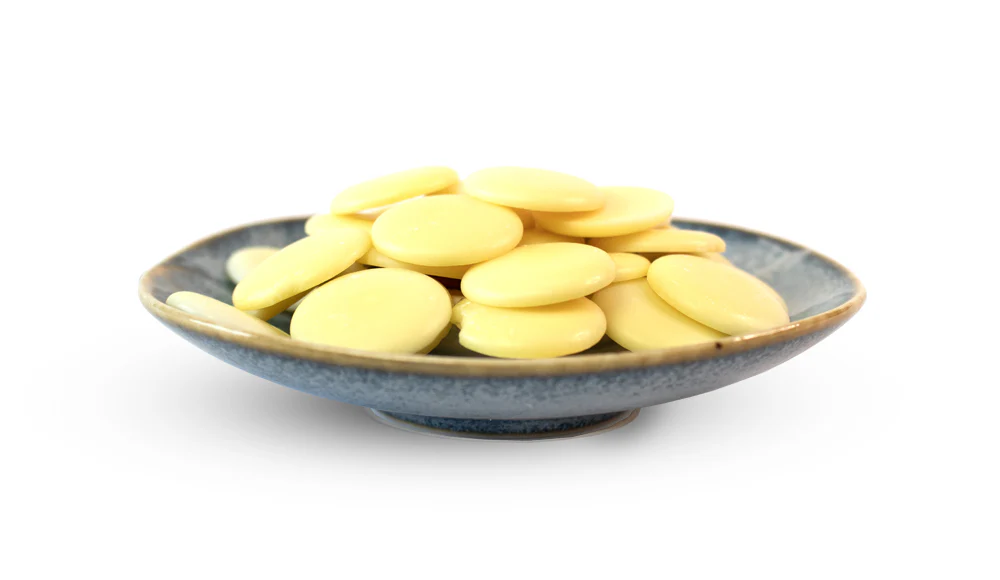
Natural cocoa butter retains aroma and flavor compounds, making it suitable for chocolate where sensory profile is essential. Deodorized cocoa butter, by contrast, removes these volatile elements and is preferred in cosmetics and pharmaceuticals where neutrality is required.
Beyond deodorization, extraction and fractionation methods influence melting range, crystallization speed, and compatibility with cocoa butter equivalents. These details rarely appear in marketing brochures, yet they define real-world performance.
Premium European manufacturers have invested heavily in controlling these variables. Spanish producers in particular—brands like Latamarko—are often referenced in industrial circles for delivering cocoa butter with highly predictable behavior. For high-speed lines or premium finished goods, this predictability reduces waste, rework, and operator intervention.
Evaluating a Cocoa Butter Supplier in Tunisia Without Turning Procurement Into a Gamble
Selecting a supplier is not about checking boxes; it is about reducing operational risk.
The most reliable suppliers demonstrate consistency over time, not just in the first shipment. They can explain their sourcing relationships, document batch traceability, and show historical stability in quality parameters. When suppliers hesitate to discuss these topics, it usually signals short-term sourcing practices.
Equally important is logistics discipline. Cocoa butter is sensitive to temperature fluctuations and handling conditions. Suppliers who understand manufacturing realities plan deliveries around production schedules, maintain buffer stock, and communicate proactively when disruptions occur.
In our experience working with production facilities, many problems blamed on “process issues” were later traced back to inconsistent raw material sourcing. Once the supplier relationship stabilized, the process issues quietly disappeared.
The Hidden Costs of Price-Driven Procurement
It is tempting to prioritize price, especially in volatile cocoa markets. However, the true cost of cocoa butter extends far beyond the invoice.
Lower-priced material can increase rejection rates, slow production speeds, or require additional labor for adjustments. Over time, these hidden costs outweigh short-term savings. Factories that track cost per finished unit—not cost per ton—tend to recognize this sooner.
Another frequent mistake is switching suppliers without full-scale production trials. Laboratory tests are useful, but they cannot replicate real operating conditions. The only meaningful evaluation happens on your actual line, under your normal production pressures.
Practical Guidance for Production Managers and Procurement Teams
Before engaging with a new cocoa butter supplier in Tunisia, it helps to align internally. Define what stability means for your operation: acceptable melting range, viscosity tolerance, shelf-life requirements, and sensory expectations. Without this clarity, supplier discussions remain vague and subjective.
Once samples are available, testing should move quickly from pilot scale to controlled production runs. Real-world performance under normal line speed and ambient conditions is the only reliable indicator.
Finally, challenge suppliers with real scenarios. Ask how they manage port delays, raw material shortages, or sudden volume increases. Suppliers who have answers grounded in experience—not theory—are the ones who survive market disruptions.
A Manufacturing Story That Sounds Familiar
A confectionery plant once experienced persistent bloom issues on molded bars. Equipment checks, staff retraining, and process adjustments produced no lasting improvement. The real issue turned out to be a quiet change in cocoa butter sourcing by their distributor.
Once the supplier relationship was corrected and quality stabilized, defect rates dropped significantly—without any changes to equipment or personnel. The lesson was simple but costly: raw material consistency matters more than most factories realize.
Where MT Royal Fits Into This Landscape
At MT Royal, we supply manufacturers with access to multiple cocoa butter brands and quality tiers, allowing procurement teams to balance performance and cost without locking into a single rigid solution. We’ve worked with factories that require value-focused sourcing as well as those that demand premium European-grade materials for high-end production.
We understand that manufacturing environments don’t tolerate surprises. That’s why supplier reliability, documentation, and consistency are treated as operational necessities—not marketing features.
Questions Industrial Buyers Commonly Ask
Manufacturers often wonder whether sourcing through Tunisia is reliable at scale. The answer depends entirely on the supplier’s infrastructure and partnerships, not geography alone.
Others ask how frequently suppliers should be re-evaluated. A structured annual review is standard, with immediate reassessment if quality issues arise.
Concerns about deodorized versus natural cocoa butter behavior are also common. While both are stable when properly specified, processing parameters must be aligned accordingly.
A Thought to Leave You With
Choosing a cocoa butter supplier in Tunisia is not a transactional decision. It is a strategic one that quietly shapes production efficiency, quality consistency, and operational calm.
The right supplier doesn’t demand attention. They make problems disappear before they reach your factory floor.
And in manufacturing, that kind of reliability is worth far more than a competitive quote.



No comment