

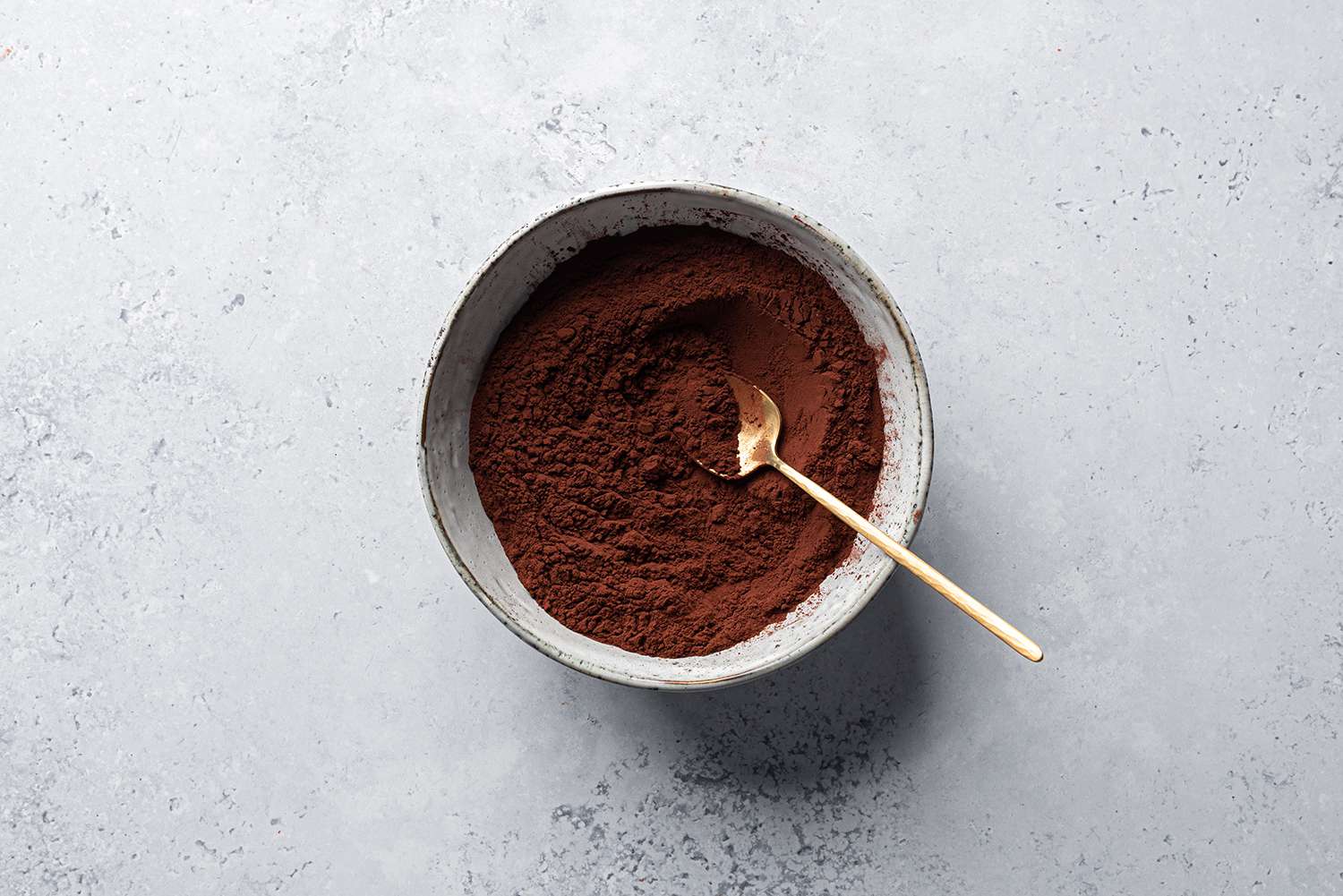
In the competitive world of industrial manufacturing, every ingredient you source has a direct impact on production efficiency, product quality, and ultimately, profitability. Cocoa ingredients—ranging from cocoa butter and cocoa powder to specialty fractions—are indispensable for a wide array of applications in food, cosmetics, and pharmaceuticals. Yet, understanding their nuances, sourcing strategies, and production value often separates a facility that thrives from one that struggles with inefficiencies.
Whether you’re a factory owner, production manager, or procurement officer, knowing how to integrate high-quality cocoa ingredients into your operations can enhance product consistency, reduce downtime, and even open doors to premium product lines. In this guide, we’ll explore cocoa ingredients in depth, offering practical advice, industrial insights, and real-world examples—all while sharing our perspective as an experienced supplier at MT Royal.
What Are Cocoa Ingredients?
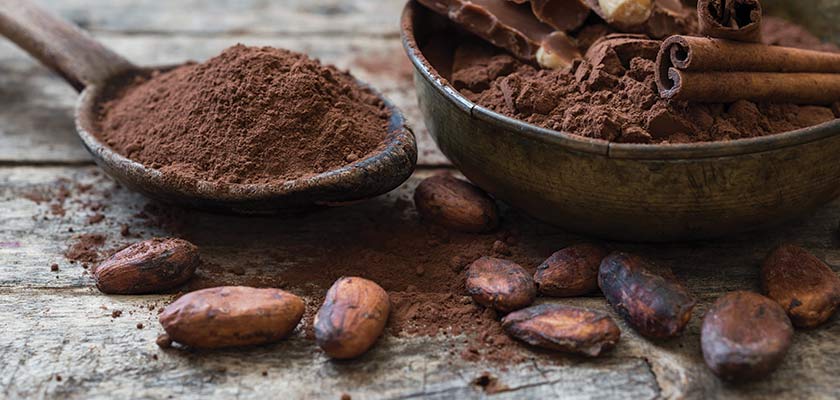
At their core, cocoa ingredients are the processed forms of cocoa beans designed for industrial use. The primary types include:
- Cocoa Butter: A stable fat extracted from cocoa beans, widely used in chocolate, cosmetics, and pharmaceutical applications.
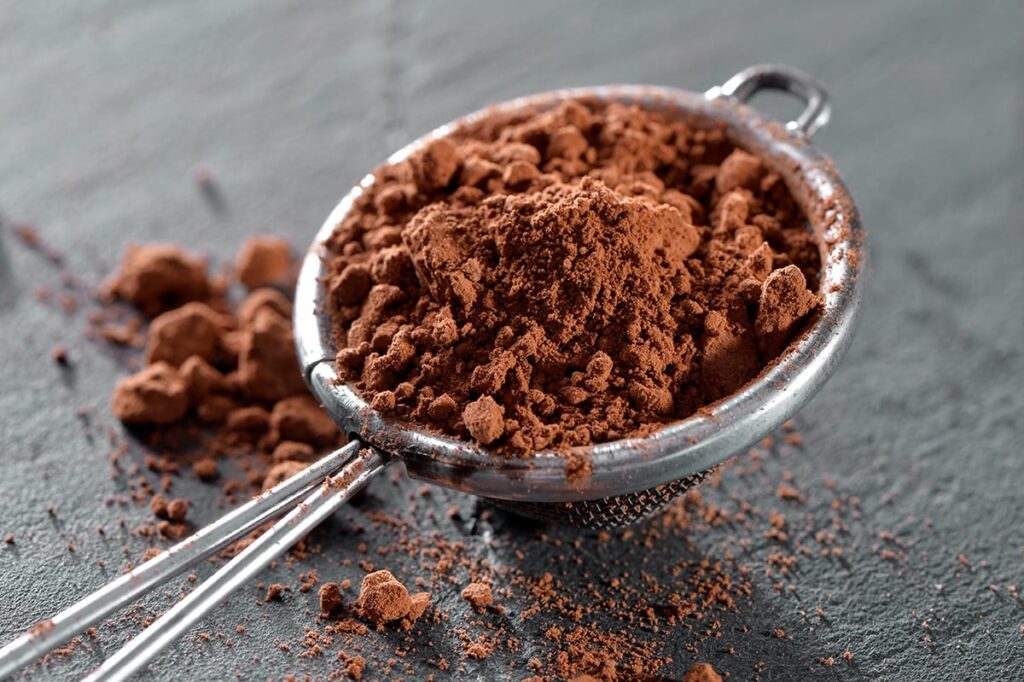
- Cocoa Powder: The defatted cocoa solids used in confections, beverages, and bakery products.
- Cocoa Liquor: A paste containing both cocoa solids and butter, essential for chocolate and coatings.
- Specialty Fractions: Highly refined components for niche applications like skincare or controlled-melting confectionery.
Each type offers specific chemical and physical properties that affect flavor, texture, melting behavior, and process stability. For production managers, aligning the right cocoa ingredient with your process parameters is critical for maintaining product quality and operational efficiency.
Why Cocoa Ingredients Matter in Industrial Manufacturing
Sourcing cocoa ingredients is not merely a procurement task—it’s a strategic decision. Industrial facilities face unique challenges that make reliable, high-quality cocoa ingredients essential:
- Batch-to-Batch Consistency: Variability in raw cocoa beans can disrupt automated lines. Consistent cocoa ingredients help maintain uniform texture and flavor.
- Production Efficiency: Cocoa butter with predictable melting points or powders with uniform particle size reduces process interruptions.
- Cost Management: Bulk sourcing, particularly through reputable exporters, often lowers per-unit costs without compromising quality.
- Premium Options: Suppliers offering brands like Latamarko provide high-quality fractions that meet strict industrial standards.
- Regulatory Compliance: Trusted exporters simplify compliance with food safety, cosmetic, or pharmaceutical regulations, minimizing delays or fines.
In our experience supplying manufacturers worldwide, facilities that prioritize quality cocoa ingredients see fewer production hiccups, better end-product consistency, and reduced operational stress.
Benefits of Cocoa Ingredients for Industrial Production
Cocoa ingredients are more than simple inputs—they are tools that optimize production and expand product potential. Key benefits include:
1. Enhanced Process Stability
Cocoa butter’s predictable melting behavior allows automated tempering machines to perform consistently. Cocoa powder with controlled particle size ensures smooth blending without clogs or separation. Premium European suppliers like Latamarko often provide highly uniform products that further minimize process variability.
2. Versatility Across Sectors
Beyond chocolate, cocoa ingredients are used in:
- Cosmetic formulations (lotions, balms, soaps)
- Pharmaceutical creams and ointments
- Confectionery coatings and fillings
- Bakery, beverage, and health supplement applications
This adaptability allows manufacturers to diversify product lines without creating separate sourcing channels.
3. Improved Shelf Life
Deodorized or fractionated cocoa butter enhances product stability. Factories using high-quality cocoa ingredients often experience reduced oxidation, fewer quality complaints, and better inventory predictability.
4. Product Differentiation
Premium cocoa ingredients allow facilities to produce high-end products that command higher margins. European brands, particularly those with Spanish engineering like Latamarko, set benchmarks for uniformity and durability, supporting premium positioning in competitive markets.
Common Pitfalls in Cocoa Ingredient Procurement
Even seasoned procurement teams can stumble without careful planning. Common pitfalls include:
- Overlooking Quality Tiers: Bulk cocoa butter or powder may vary in particle size, fat content, or flavor intensity. Even minor differences can impact texture and melting behavior.
- Ignoring Supplier Reliability: A low-cost supplier may struggle with delivery consistency, causing production downtime. Trusted exporters like MT Royal offer both quality and reliability.
- Poor Storage Practices: Cocoa ingredients are sensitive to temperature, humidity, and light. Improper storage can lead to fat bloom, oxidation, or moisture absorption.
- Assuming Certification Is Universal: Exported ingredients require region-specific compliance documentation; lack of proper certifications can halt shipments or raise regulatory issues.
Anticipating these challenges and implementing preventive measures ensures smoother operations and reduced risk of production interruptions.
Practical Tips for Factory Managers and Production Supervisors
Optimizing the use of cocoa ingredients involves careful planning, testing, and collaboration with suppliers:
Step 1: Assess Your Production Needs
- Identify which cocoa ingredients are critical for your products.
- Specify quality requirements: fat content, particle size, moisture, and flavor profile.
- Calculate batch sizes and delivery schedules to balance inventory and cash flow.
Step 2: Choose the Right Supplier
- Prioritize suppliers experienced in exporting cocoa ingredients.
- Evaluate brands carefully—premium options like Latamarko may offer higher consistency and process reliability.
- Request samples and conduct small-scale trials before committing to bulk orders.
Step 3: Streamline Storage and Handling
- Maintain controlled temperature and humidity.
- Store ingredients in sealed, food-grade containers to prevent contamination.
- Rotate stock based on batch arrival to maintain freshness and minimize spoilage.
Step 4: Integrate Quality Control
- Test batches for fat content, particle size, and moisture.
- Keep a record of supplier performance and quality trends to inform future orders.
- Address deviations early to avoid production delays or compromised products.
Real-World Industrial Examples
Chocolate Manufacturing: A mid-sized European chocolate factory sourced Latamarko cocoa butter through MT Royal. The results included:
- 12% reduction in tempering failures
- More consistent product shine and texture
- Fewer customer complaints and reduced waste
Cosmetic Production: A South American skincare manufacturer incorporated cocoa butter fractions with controlled melting points. This allowed smooth formulation, faster processing, and reduced raw material waste, all while enhancing product quality.
Comparison Table: Cocoa Ingredients by Industrial Use
| Cocoa Ingredient | Typical Applications | Key Quality Metrics | Premium Supplier Notes |
|---|---|---|---|
| Cocoa Butter | Chocolate, cosmetics, pharma | Melting point, purity, odor | Latamarko provides uniformity and stability |
| Cocoa Powder | Bakery, beverages, confections | Particle size, fat content | MT Royal sources consistent lots |
| Cocoa Liquor | Chocolate, coatings | Flavor profile, fat ratio | European suppliers ensure reliability |
| Specialty Fractions | Cosmetic, pharma, niche products | Refined composition, stability | Premium European options available |
Industry-Specific Considerations for Large-Scale Production
Large manufacturing facilities must balance volume, quality, and cost. Key considerations include:
- Bulk Ordering Efficiency: Larger shipments reduce per-unit costs but require proper storage and inventory management.
- Equipment Compatibility: Ensure ingredients align with existing grinders, mixers, and tempering systems.
- Supply Chain Resilience: Multiple sourcing options, including MT Royal’s brand range, mitigate risks from shipping delays or global disruptions.
- Regulatory Compliance: International certifications are crucial for markets with strict food, cosmetic, or pharmaceutical regulations.
Frequently Asked Questions from Procurement Managers
Q: How can I maintain consistent quality across imported cocoa ingredients?
A: Partner with trusted exporters like MT Royal, verify certifications, and perform in-house batch testing.
Q: Are premium brands like Latamarko worth the extra investment?
A: Yes, especially for high-volume or premium product lines, due to reliability, consistency, and reduced process variability.
Q: How should cocoa ingredients be stored?
A: Keep them in a cool, dry, and dark environment with stable humidity to prevent fat bloom and degradation.
Q: Can cocoa ingredients from multiple regions be blended?
A: Yes, but ensure compatibility in fat content, melting point, and particle size to avoid production issues.
Forward-Thinking Insights for Manufacturers
Cocoa ingredients are more than inputs—they are strategic tools that influence production quality, operational efficiency, and product differentiation. By selecting the right types, maintaining rigorous quality control, and sourcing through reliable suppliers like MT Royal, manufacturing facilities can achieve smoother operations and higher-value products.
Premium brands like Latamarko exemplify the advantages of precision engineering and consistent performance, allowing manufacturers to maintain competitive edges in both standard and high-end product lines.
Next time you evaluate your raw material procurement strategy, ask yourself: how could high-quality cocoa ingredients transform your production workflow, reduce downtime, and enhance your product portfolio?
latamarko alkalized cocoa powder lm60
cocoa powder for chocolate production-Best price
Food industry raw materials – list of products
Types of Gelatin from Turkish Manufacturer
Alkalized Cocoa Powder Bulk Supplier


No comment