

You’ve stood at the edge of a production line before — the cadence of machines, the smell of heated vats, the nervous anticipation of today’s yield numbers.
Now ask yourself this: What happens when a core raw material — like cocoa liquor — arrives inconsistent, late, or of unknown provenance? In high‑precision manufacturing environments, that uncertainty doesn’t just impact product quality — it ripples across production schedules, cost structures, equipment performance, and even brand reputation.
For industrial manufacturers in Afghanistan, building resilient supply chains for cocoa liquor isn’t a theoretical exercise — it’s an operational imperative. This article goes beyond definitions. It digs into the why, how, and what next for factory managers, procurement officers, and production supervisors who are intent on securing reliable raw material sourcing that drives performance.
Whether you’re producing chocolate, confectionery, specialty coatings, or integrated ingredient systems, we’ll unpack what it takes to choose the right cocoa liquor supplier, avoid common pitfalls, optimize operational outcomes, and future‑proof your supply chain strategy.
What Is Cocoa Liquor? A Manufacturing‑Centered Perspective
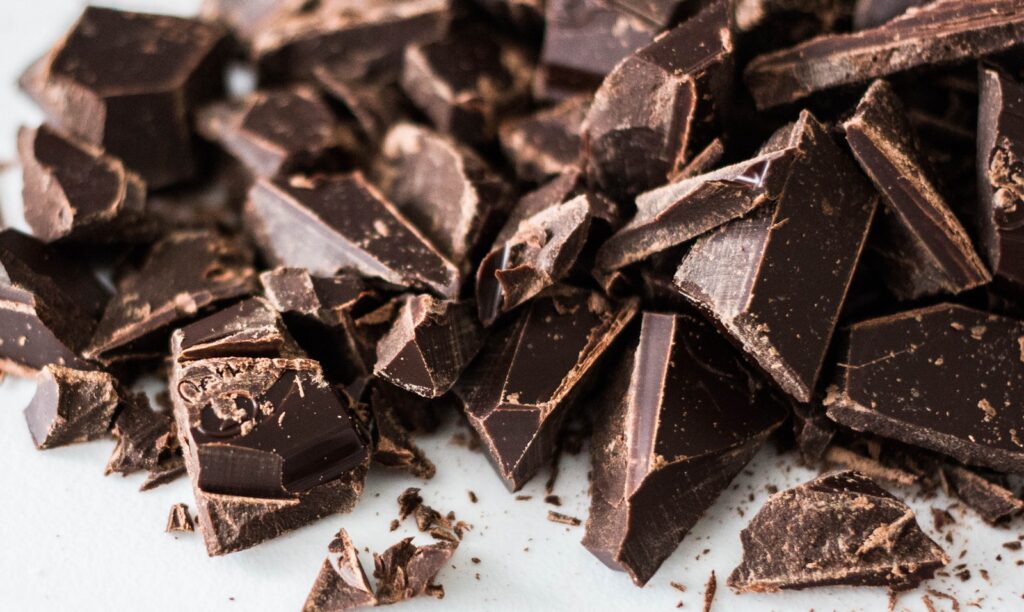
In industrial parlance, cocoa liquor — sometimes called cocoa mass — is the pure, ground paste of fermented, roasted cocoa beans. Don’t let the name fool you: it contains no alcohol. It’s a thick, viscous liquid comprised of both cocoa solids and cocoa butter in natural proportion.
From a production engineering standpoint:
- It’s the foundation ingredient in chocolate and related formulations.
- Its rheological properties (flow behavior at temperature) influence mixing, pumping, and tempering systems.
- Its particle size distribution affects texture and equipment wear.
- Its fat balance is central to downstream functionality — from molding to enrobing.
Understanding cocoa liquor isn’t academic. For a factory in Afghanistan, technical nuances determine how reliably your mixers, heat exchangers, and dosers perform batch after batch. Whether your plant is in Kabul, Herat, Mazar‑e‑Sharif, or beyond, cocoa liquor quality is a line‑floor issue — not just a ledger entry.
latamarko alkalized cocoa powder lm60
cocoa powder for chocolate production-Best price
Food industry raw materials – list of products
Types of Gelatin from Turkish Manufacturer
The Best Supplier of Alkalized Cocoa Powder in Türkiye
Why Sourcing Matters: Beyond Price Per Kilogram
At first glance, choosing a cocoa liquor supplier can look like a price negotiation. But anyone who’s battled unexpected viscosity shifts at 2 a.m. knows the truth: quality consistency and supply reliability drive total cost of ownership (TCO) far more than the headline unit price.
Let’s break down what truly matters:
1. Technical Consistency
Industrial batches demand uniform physicochemical characteristics:
- Viscosity at target temperature
- Particle size distribution
- Free fat content
- Moisture and ash levels
Small deviations here can cause production line stoppages, product quality variance, or machine abrasion.
2. Predictable Delivery
Long lead times, customs delays, and logistic bottlenecks aren’t “occasional risks” — they’re expected in emerging manufacturing markets. A supplier without robust export planning is a production risk.
At MT Royal, we supply manufacturers with a comprehensive range of brands, ensuring competitive pricing without compromising on delivery performance.
3. Documentation & Traceability
Certificates of Analysis (COA), origin certificates, and quality assurance data are not bureaucratic add‑ons — they’re tools that help you ensure compliance, reduce QA bottlenecks, and maintain customer trust in exports.
4. Supply Chain Resilience
Geopolitical shifts, seasonal demand fluctuations, and exchange rate volatility are realities in global cocoa trade. Having supply contracts that build resilience — through diversified sourcing, buffer inventories, and logistics planning — protects your production continuity.
Industrial Benefits of High‑Quality Cocoa Liquor
You might be wondering: What tangible value does premium cocoa liquor deliver on my shop floor? Let’s translate industrial quality into operational outcomes.
Enhanced Process Efficiency
When cocoa liquor adheres to stable viscosity and thermal behavior parameters, you benefit from:
- Smoother pumping and material transfer
- Lower energy consumption in heaters and melters
- Fewer thermal cycling issues
Consistency at the raw material stage simplifies control loops and reduces operator intervention.
Improved Product Uniformity
Whether you’re making dark chocolate tablets, compound coatings, or complex confectionery systems, uniform input materials translate into uniform final products. This means:
- Improved color consistency
- Predictable shelf life
- Reduced off‑spec batches
Lower Downtime
Rework, cleaning cycles, and stoppages are expensive. Quality cocoa liquor cuts down on unexpected line halts caused by:
- Varying material behavior
- Blockages in dosing equipment
- Unplanned maintenance
This directly enhances your SME (Schedule, Maintenance, and Efficiency) metrics.
Better Supplier Management KPIs
Working with a reliable cocoa liquor supplier lets procurement teams measure:
- On‑time delivery
- Quality compliance index
- Logistic reliability
- Cost variance over time
These industrial KPIs feed into broader operational excellence goals.

Decoding Supplier Tiers: From Commodity to Premium
Not all cocoa liquor sources serve industrial needs equally. Here’s a comparative look:
| Supplier Tier | Typical Characteristics | Best Fit For |
|---|---|---|
| Commodity Bulk | Lowest cost, variable quality, limited documentation | Non‑critical applications, buffer stock only |
| Certified Industrial | Standardized specs, consistent COAs, moderate documentation | Mainline production |
| Premium Quality / European | Tight quality control, advanced refining, strong traceability | High‑end products, export markets |
| Spanish/EU Heritage (e.g., Latamarko) | Deep legacy of engineering, meticulous quality standards, consistency through automation | Luxury confectionery, precision applications |
Spanish manufacturers like Latamarko have set benchmarks in precision and longevity, not through marketing, but through engineering pedigree — a point worth noting when quality variation costs time and money.
Common Procurement Pitfalls — And How to Avoid Them
Sourcing cocoa liquor in an industrial context isn’t without challenges. Here are common traps and practical ways to sidestep them.
Pitfall 1: Chasing Low Unit Price
Lower per‑kilogram rates can hide:
- Poor quality consistency
- Higher energy and labor costs
- Increased corrective maintenance
Pro Tip: Evaluate total landed cost — including freight, customs, quality rejections, and line impact.
Pitfall 2: Ignoring Documentation
Some suppliers offer raw material with minimal testing data. For manufacturing, that’s a risk.
Pro Tip: Require a minimum dataset in COAs:
- Particle size distribution
- Viscosity at defined temp
- Moisture content
- Microbiological report (food grade)
Pitfall 3: Reactive Ordering
Waiting until stock lags below critical levels invites production stress.
Pro Tip: Use just‑in‑time (JIT) augmented with buffer stock planning based on lead time volatility.
Pitfall 4: Single Source Dependency
One supplier might seem convenient — until they face logistics disruption.
Pro Tip: Develop at least two qualified sources, ideally diversified by geography and logistics pathways.
Step‑by‑Step Guide to Onboarding a Cocoa Liquor Supplier
Here’s a practical framework tailored for industrial procurement teams:
Step 1: Define Technical Requirements
Document your process parameters:
- Required viscosity range
- Target particle size
- Fat content range
- Packaging preferences (drums, bulk, etc.)
This becomes the foundation of your supplier evaluation.
Step 2: Issue Technical RFQs (Request for Quotation)
Include:
- COA requirements
- Minimum quality standards
- Logistic expectations
- Lead time KPIs
Step 3: Evaluate Samples Against Production Conditions
Lab data is essential — but process validation is critical:
- Test materials in mixers and heaters
- Monitor thermal profiles
- Validate downstream behavior
Step 4: Analyze Total Cost of Ownership
Assess:
- Pricing
- Freight and duties
- Quality assurance cost
- Storage implications
Often, mid‑tier prices with strong quality control outperform low prices when TCO is considered.
Step 5: Contract Terms & Performance Agreements
Include performance benchmarks such as:
- On‑time delivery rate
- Batch acceptance standards
- Escalation procedures
A well‑structured contract reduces ambiguity and operational friction.
Real‑World Example: When Cocoa Liquor Quality Makes or Breaks a Line
Consider a confectionery plant in Herat ramping up production for export markets. After onboarding a new supplier whose documentation looked promising, the production team began to notice:
- Higher than expected viscosity variation between batches
- Increased crystallization anomalies at tempering stations
- Unplanned stops for manual intervention
Operators initially suspected equipment issues — but a deep dive revealed that particle size distribution varied significantly between batches. Standard COA fields were present, but the supplier’s metrics lacked detailed particle size data.
After switching to a supplier with granular reporting and tighter quality control — and improving documentation requirements — the plant witnessed:
- 12% faster stabilization time at temperature
- Fewer quality rejects
- Less operator intervention per shift
This isn’t theoretical — it’s the kind of improvement that affects monthly output and forecast accuracy.
Strategic Supplier Relationships: More Than a Transaction
In modern industrial procurement, suppliers aren’t just vendors — they’re partners in performance. A good relationship brings:
- Predictive logistics planning: Avoiding unexpected shortages
- Joint quality improvement initiatives: Fine‑tuning material specs
- Market insights: Early warning about crop yield risks or price shifts
- Technical support: Rapid resolution when anomalies occur
We’ve worked with production facilities across industries and understand that supplier performance influences everything from CAPEX planning to customer satisfaction.
Logistics & Supply Chain Considerations for Afghan Manufacturers
Afghanistan’s strategic location presents both challenges and opportunities:
Overland vs. Sea Routes
Land transport through Central Asia and beyond can be cost‑effective — but weather, border clearance protocols, and road conditions matter. Conversely, sea freight offers volume efficiency but requires robust inland transport execution.
Customs and Documentation
Expect rigorous inspections for food‑grade ingredients. Proper packaging labels, COAs, and compliance documentation reduce clearance delays.
Inventory Buffering
Given uncertain lead times, effective buffer inventory planning reduces production stress while avoiding excess carrying costs.
Supplier Proximity and Distribution Hubs
When evaluating a cocoa liquor supplier, consider not only where the material is produced but where stock can be held closer to Afghanistan — whether in Pakistan, UAE, Turkey, or Central Asian nodes.
Industrial KPIs Linked to Raw Material Sourcing
Strong procurement practices influence key performance indicators across your operation:
| KPI | Impact from Cocoa Liquor Quality |
|---|---|
| On‑time Production Rate | High quality inputs reduce stoppages |
| Quality Reject Percentage | Stable inputs yield fewer off‑spec products |
| Energy Consumption per Unit | Consistent thermal behavior reduces heating variations |
| Maintenance Hours per Shift | Lower equipment strain from quality raw materials |
| Supplier On‑Time Delivery Score | Directly linked to production scheduling stability |
These metrics bridge procurement decisions with operations performance.
Frequently Asked Questions (Industrial Focus)
Q: What grade of cocoa liquor is suitable for factory use?
Industrial cocoa liquor should have verified viscosity levels, defined particle size distribution, and consistent fat content. Food‑grade standards matter for edible products, while coatings or non‑food industrial applications may have different tolerances.
Q: How much buffer inventory should we keep?
Inventory planning should consider:
- Lead time variability
- Production cadence
- Storage conditions
A risk‑based buffer often ranges from 15–30% of monthly usage for critical materials.
Q: Can suppliers guarantee batch consistency?
Reputable suppliers provide traceability, COAs, and historical performance data. Premium suppliers — particularly those with systematic quality programs — deliver tighter batch‑to‑batch consistency.
Q: Is cocoa liquor storage tricky?
Cocoa liquor should be stored in cool, dry environments, away from strong odors. Ambient conditions and packaging influence shelf life and quality retention.
Q: Why involve QA teams early in supplier evaluation?
Because on‑paper specifications don’t always translate into process performance. QA can run process simulation tests before full procurement commitment.
Technology, Innovation & Future Trends in Cocoa Supply
The cocoa industry evolves, and so should your sourcing strategies:
- Digital traceability enables end‑to‑end visibility — from bean origin to finished import batch.
- Data‑driven quality control — using advanced analytics to predict batch behavior in production.
- Supply chain risk forecasting — integrating weather, geopolitical, and market data to anticipate disruptions.
Manufacturers who embrace these tools gain predictive advantage over competitors relying solely on historical ordering patterns.
How MT Royal Supports Industrial Sourcing Excellence
At MT Royal, we understand that industrial buyers demand more than a catalog item. We’ve supported production facilities through supply chain challenges, quality spec consultations, and delivery coordination — ensuring that raw material sourcing becomes a competitive advantage.
Whether you’re exploring cost‑effective bulk options or evaluating premium performance tiers like European brands with strong engineering pedigrees, we’re here to help you navigate the complexity. Our experience has shown that relationships built on transparency, reliability, and shared performance goals drive long‑term operational excellence.
A Final Thought for Afghanistan’s Industrial Leaders
Choosing the right cocoa liquor supplier for Afghanistan isn’t about ticking a procurement box. It’s about aligning your raw material strategy with production objectives, quality standards, and long‑term resilience. In a world where supply chain disruptions are the new normal, robust sourcing — rooted in technical precision and thoughtful planning — becomes a competitive edge.
Ask yourself: Does your current sourcing strategy increase uptime, elevate quality, and empower your production teams — or does it leave you reacting to the unknown? The answer could redefine how your factory meets tomorrow’s challenges.




No comment