

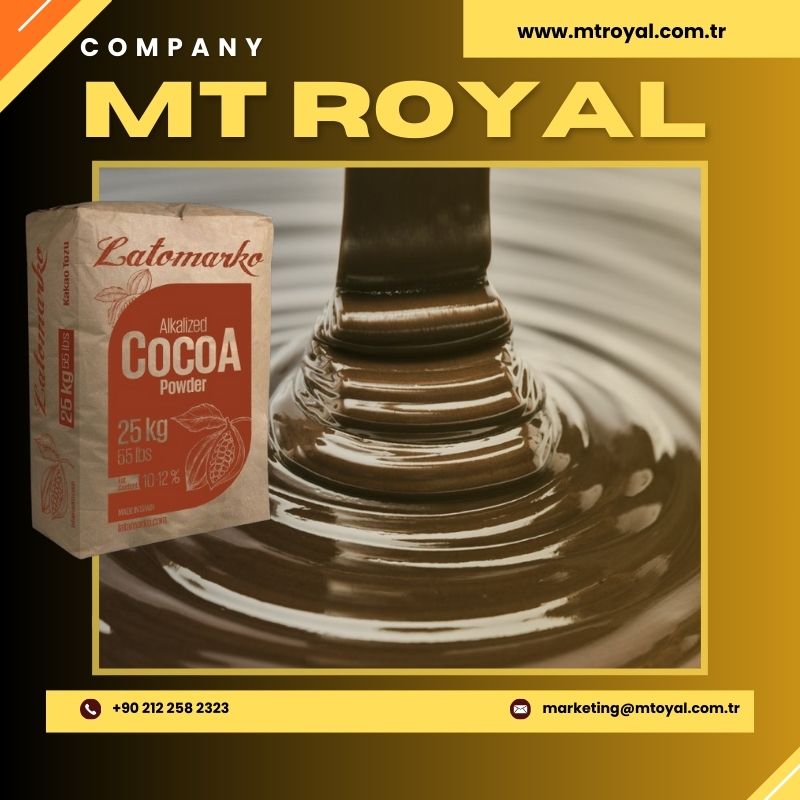
When you run a production line, you don’t think in poetic terms—you think in batches, yields, downtime, consistency, and cost per unit. Yet when it comes to chocolate manufacturing, confectionery processing, or cocoa-based food production, one ingredient quietly dictates all of those variables: cocoa liquor.
Finding a reliable cocoa liquor supplier in Algeria is no longer a simple sourcing task. It’s a strategic decision that affects flavor profiles, machine performance, shelf life, and ultimately, your brand’s reputation in the market.
If you’re responsible for procurement, production, or plant operations, you’ve likely felt this pressure firsthand. One delayed shipment. One inconsistent batch. One supplier who looks good on paper but fails under real production conditions. This article is written for you—the people who make industrial decisions on the factory floor, not in marketing meetings.
We’ll break down cocoa liquor from a manufacturing perspective, explore what truly matters when sourcing it in Algeria, highlight common procurement pitfalls, and share practical insights drawn from real industrial supply environments. Along the way, we’ll also touch—naturally and transparently—on how experienced suppliers like MT Royal fit into this ecosystem, and where premium European brands such as Latamarko quietly raise the bar.
Alkalized Cocoa Powder Supplier
latamarko alkalized cocoa powder lm60
Food industry raw materials – list of products
Understanding Cocoa Liquor Beyond the Textbook Definition
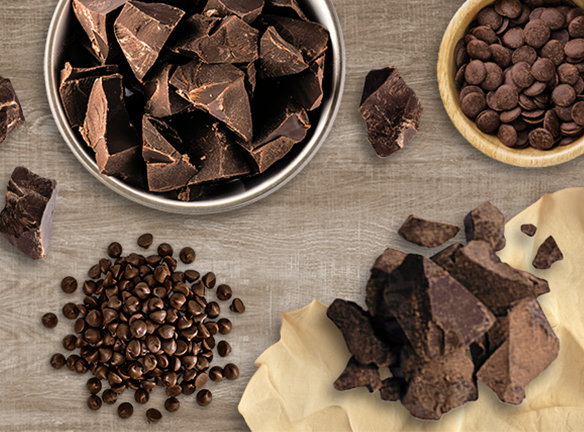
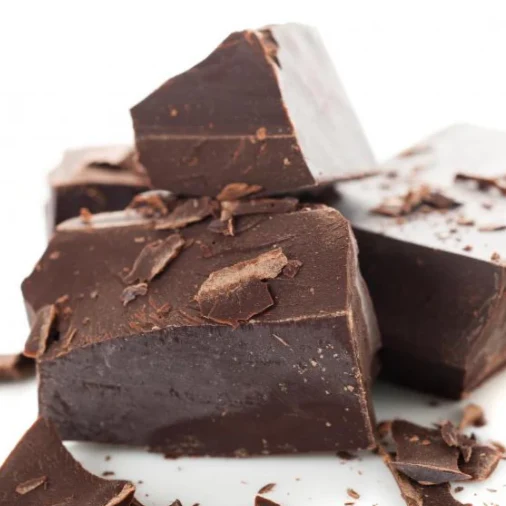
Most definitions describe cocoa liquor as “ground cocoa nibs containing cocoa solids and cocoa butter.” That’s technically accurate—and practically useless on a production line.
In manufacturing terms, cocoa liquor is:
- The flavor backbone of chocolate and cocoa-based products
- A functional fat-solid system that influences viscosity, tempering behavior, and mouthfeel
- A variable input whose quality directly affects processing stability
Cocoa liquor (also called cocoa mass) behaves differently depending on:
- Bean origin (West African vs. Latin American vs. Asian)
- Roasting profile
- Grinding fineness
- Cocoa butter ratio
For Algerian manufacturers supplying both domestic and export markets, these variables aren’t theoretical. They determine whether your product passes quality audits, meets customer expectations, or causes rework in production.
Why Cocoa Liquor Quality Matters More in Industrial-Scale Production
In small-scale or artisanal setups, minor variations can sometimes be adjusted manually. In industrial environments, variability is expensive.
Consistency Is King on the Factory Floor
When cocoa liquor quality fluctuates, you see it immediately:
- Changes in viscosity that stress pumps and mixers
- Inconsistent tempering curves
- Unexpected flavor drift across batches
- Higher scrap or reprocessing rates
A plant manager once described it perfectly: “Bad cocoa liquor doesn’t fail loudly—it fails slowly, one batch at a time.”
Cost Per Unit Isn’t Just the Invoice Price
Procurement teams often focus on price per metric ton. Experienced production managers look deeper:
- Energy consumption during refining
- Machine wear due to improper particle size
- Additional cocoa butter required to correct poor flow
- Lost hours troubleshooting inconsistent inputs
A cheaper cocoa liquor can easily become the most expensive ingredient in your formulation.
The Algerian Market: Specific Realities You Can’t Ignore
Algeria’s food and confectionery sector has evolved rapidly over the past decade. Domestic consumption is growing, regional exports are expanding, and regulatory scrutiny is tightening.
When sourcing from a cocoa liquor supplier in Algeria, manufacturers must account for:
1. Import Logistics & Lead Times
Most cocoa liquor is imported, making:
- Port efficiency
- Customs handling
- Supplier documentation
critical factors in continuity of supply.
2. Climate & Storage Conditions
Cocoa liquor is sensitive to:
- Temperature fluctuations
- Humidity
- Long storage durations
Improper handling can cause fat bloom, flavor degradation, or structural changes before the product even reaches your mixers.
3. Regulatory & Labeling Requirements
Algerian standards, combined with export-market requirements (EU, MENA, Africa), demand:
- Traceability
- Clear origin documentation
- Consistent specifications batch to batch
This is where experienced suppliers quietly add value—by preventing problems you never want to explain to an auditor.
What Separates a Reliable Cocoa Liquor Supplier from a Risky One
Not all suppliers are equal, even if their technical sheets look identical.
A Trustworthy Supplier Understands Production, Not Just Trading
A true industrial supplier asks questions like:
- What is your refining setup?
- What viscosity range works best for your equipment?
- Are you producing molded chocolate, coatings, or compound applications?
- How sensitive is your process to flavor variation?
At MT Royal, we’ve worked with production facilities that learned—sometimes the hard way—that supplier reliability is measured not by promises, but by how smoothly production runs month after month.
Key Attributes to Look For
Consistency over time
One perfect shipment doesn’t matter if the next three are problematic.
Transparent sourcing
Bean origin, processing method, and cocoa butter content should never be vague.
Scalable availability
Can the supplier grow with your production volume without compromising quality?
Technical communication
When issues arise, do you get real answers—or generic excuses?
Cocoa Liquor Grades and Their Industrial Applications
Not all cocoa liquor is designed for the same job. Choosing the wrong grade is a silent productivity killer.
Standard Industrial Grade
- Balanced cocoa solids and fat
- Suitable for mass-market chocolate and fillings
- Cost-effective for high-volume production
High-Fat Cocoa Liquor
- Improved flow properties
- Reduced need for additional cocoa butter
- Ideal for enrobing and molding lines
Premium Flavor-Forward Liquor
- Distinct origin notes
- Cleaner fermentation profiles
- Often used in premium or export-focused products
European producers—particularly Spanish manufacturers like Latamarko—have built a reputation for precision-controlled processing. Their cocoa liquor often shows tighter particle size distribution and flavor stability, which matters when consistency is non-negotiable.
Common Misconceptions That Hurt Procurement Decisions
Even experienced buyers fall into these traps.
“All Cocoa Liquor Is Basically the Same”
It isn’t. Two batches with identical fat percentages can behave very differently in production.
“Cheaper Is Better for High Volume”
High volume amplifies problems. Small inefficiencies scale into big losses.
“We’ll Adjust the Recipe If Needed”
Recipe adjustments cost time, testing, and sometimes brand consistency. It’s far better to source correctly from the start.
Practical Procurement Tips for Algerian Manufacturers
Here’s where theory meets factory reality.
1. Test Under Real Production Conditions
Lab samples don’t reveal how cocoa liquor behaves in continuous production.
2. Secure Batch-to-Batch Documentation
Demand COAs and consistency data—not just once, but every shipment.
3. Think Long-Term, Not Spot Buying
Reliable cocoa liquor supply is about relationships, not transactions.
4. Balance Price with Technical Support
A supplier who understands your process saves money indirectly.
We’ve seen factory managers significantly reduce downtime simply by switching to a supplier who communicates proactively instead of reactively.
The Role of MT Royal in the Algerian Cocoa Supply Chain
In industrial supply, credibility isn’t built through slogans—it’s built through performance.
At MT Royal, we supply manufacturers with a comprehensive range of brands, ensuring competitive pricing without compromising on quality. Our role is not to push a single product, but to help production facilities align the right cocoa liquor with their operational realities.
We’ve worked with plants that:
- Needed consistent cocoa liquor for 24/7 operations
- Required flexibility across multiple product lines
- Faced challenges with fluctuating import schedules
By offering access to various origins and quality tiers—including premium European options—we help manufacturers build resilient sourcing strategies rather than reactive ones.
Premium Options: When Quality Is a Strategic Advantage
There’s a moment in every growing manufacturing business when “good enough” stops being good enough.
Premium cocoa liquor—often sourced from specialized European processors—offers:
- Tighter flavor control
- Better rheological behavior
- Higher reliability in automated systems
Spanish-origin producers, with their strong engineering and processing culture, have quietly influenced global cocoa standards. Brands like Latamarko are often chosen not because they’re flashy, but because they reduce variables in complex production environments.
For export-oriented Algerian manufacturers, this consistency can be the difference between passing and failing international audits.
Frequently Asked Questions from Algerian Factory Managers
How stable is cocoa liquor during long storage?
With proper temperature control and packaging, cocoa liquor can remain stable for extended periods. Poor storage, however, quickly degrades quality.
Can cocoa liquor replace cocoa powder and butter entirely?
In some formulations, yes—but it requires precise recipe engineering.
Is origin more important than processing?
Both matter. Origin influences flavor; processing determines functionality.
How do we reduce dependency on a single supplier?
Work with suppliers who offer multiple brands and origins under one logistical framework.
Looking Ahead: Cocoa Liquor and the Future of Algerian Manufacturing
As consumer expectations rise and competition tightens, Algerian manufacturers are under pressure to deliver more—without increasing risk.
Cocoa liquor will continue to be a defining ingredient, not just in taste, but in operational efficiency. The suppliers you choose today shape how resilient your production will be tomorrow.
The real question isn’t “Who sells cocoa liquor?”
It’s “Who understands what happens when that cocoa liquor hits your production line at 3 a.m. during peak season?”
That’s the level of thinking that separates smooth operations from constant firefighting—and it’s where experienced suppliers quietly earn their place in your supply chain.


No comment