

Finding the right cocoa liquor supplier in Tunisia is no longer just a matter of price negotiation or availability. For factory owners, production managers, and procurement officers operating in today’s hyper-competitive food manufacturing environment, cocoa liquor has become a strategic raw material—one that directly influences product consistency, throughput efficiency, and long-term brand reputation.
If you oversee chocolate production, compound manufacturing, bakery fillings, or confectionery lines, you already know this reality: a single inconsistency in cocoa liquor quality can ripple across an entire production cycle. Flavor drifts, viscosity issues, unexpected downtime, rejected batches—these are not theoretical risks. They’re daily operational concerns on the factory floor.
This article is designed to help you think beyond transactional sourcing and approach cocoa liquor procurement in Tunisia with a strategic, production-first mindset. We’ll explore fundamentals, supplier selection criteria, real manufacturing challenges, premium versus standard quality tiers, and the often-overlooked details that separate reliable suppliers from risky ones. Along the way, we’ll share insights drawn from real industrial environments and global supply chain experience—because procurement decisions don’t happen in isolation; they happen under pressure.
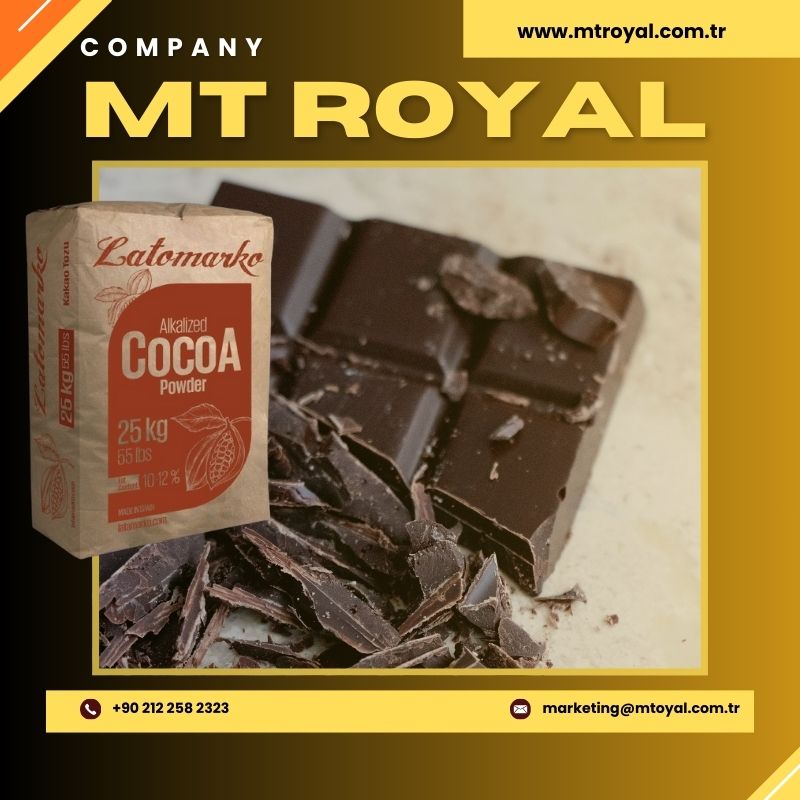
Alkalized Cocoa Powder Supplier
latamarko alkalized cocoa powder lm60
Food industry raw materials – list of products
Understanding Cocoa Liquor in Industrial Manufacturing
Before evaluating any cocoa liquor supplier in Tunisia, it’s worth grounding ourselves in what cocoa liquor actually represents in large-scale production.
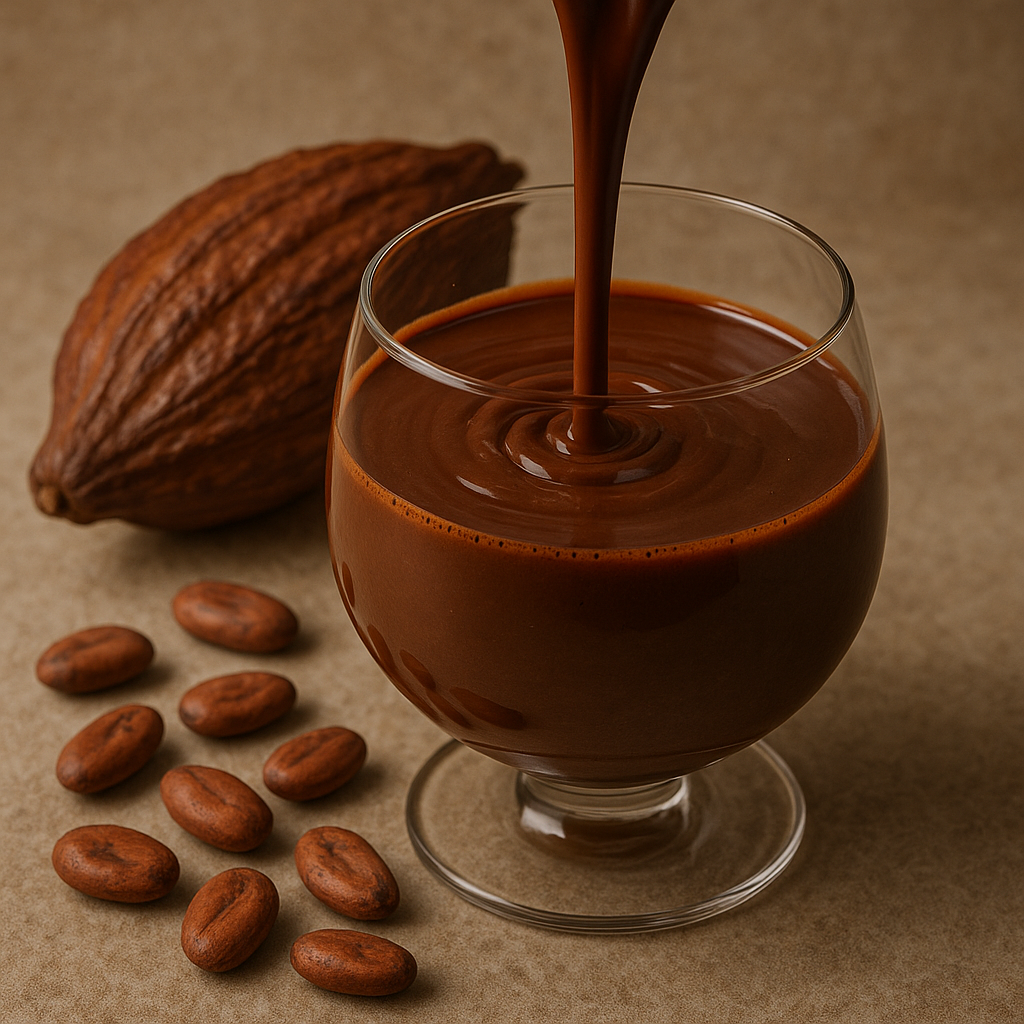
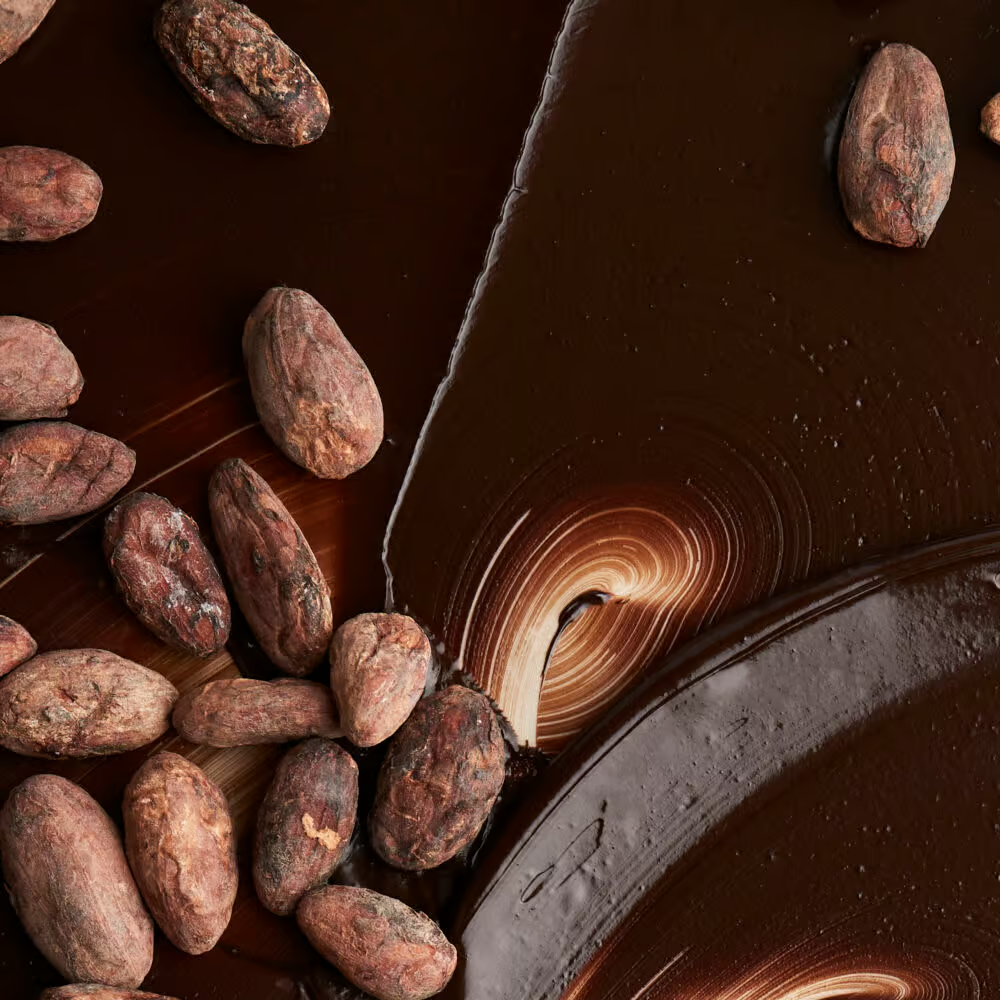
Cocoa liquor—sometimes called cocoa mass—is produced by grinding roasted cocoa nibs into a thick, fluid paste. Despite the name, it contains no alcohol. What it does contain is the full cocoa solids and cocoa butter in their natural proportions, making it the foundational ingredient for chocolate, coatings, fillings, and flavor bases.
Why Cocoa Liquor Quality Matters at Scale
In small artisanal settings, slight variations in cocoa liquor can sometimes be masked or adjusted manually. In industrial manufacturing, that flexibility disappears.
When you’re running continuous tempering lines, automated depositor systems, or high-speed enrobing equipment, cocoa liquor must deliver:
- Consistent fat content to maintain predictable viscosity
- Stable particle size distribution to avoid mouthfeel defects
- Reliable flavor profile across multiple shipments
- Thermal stability under industrial processing temperatures
A supplier that cannot meet these parameters consistently introduces hidden costs—extra rework, higher waste ratios, and increased maintenance stress on machinery.
Tunisia’s Strategic Role in the Cocoa Liquor Supply Chain
Tunisia occupies a unique position in the regional cocoa and chocolate supply ecosystem. While it is not a cocoa-growing country, it serves as an important processing, trading, and distribution hub for North Africa and parts of the Mediterranean market.
For manufacturers operating in or sourcing through Tunisia, this presents both opportunities and challenges.
Advantages of Sourcing Cocoa Liquor in Tunisia
- Proximity to European and African trade routes, reducing transit times
- Established food manufacturing infrastructure, especially in confectionery and bakery sectors
- Growing expertise in bulk ingredient handling and storage
- Access to multiple international cocoa liquor brands through distributors
This makes Tunisia an attractive sourcing point—provided you work with a supplier that understands industrial expectations rather than treating cocoa liquor as a commodity ingredient.
What Manufacturing Buyers Often Get Wrong
Even experienced procurement teams can fall into common traps when selecting a cocoa liquor supplier in Tunisia. These pitfalls usually surface months later—when production is already dependent on the supplier.
Misconception 1: “All Cocoa Liquor Is Basically the Same”
On paper, specifications may look similar: fat content, moisture level, alkalization status. In practice, origin, roasting profiles, grinding technology, and storage conditions create meaningful differences.
We’ve seen factories struggle when switching suppliers mid-contract, only to discover that a seemingly equivalent cocoa liquor behaves very differently during conching or tempering.
Misconception 2: Price Per Ton Is the Main Metric
Unit price matters, but cost-per-unit-produced matters more.
A slightly cheaper cocoa liquor that causes higher line stoppages, increased energy consumption during processing, or higher rejection rates is not cheaper in real terms.
Misconception 3: Short-Term Availability Equals Reliability
Some suppliers can deliver quickly once—but lack the logistics discipline or inventory planning to sustain long-term supply. Manufacturing plants don’t run on spot purchases; they run on predictability.
Key Criteria for Evaluating a Cocoa Liquor Supplier in Tunisia
When procurement decisions are aligned with production realities, the evaluation framework changes. Below are the criteria seasoned factory managers consistently prioritize.
1. Consistency Across Batches
Batch-to-batch variation is one of the most expensive problems in cocoa processing. Ask suppliers detailed questions:
- How do they standardize roasting profiles?
- Do they blend origins to maintain consistency?
- What is their historical variance data?
A credible cocoa liquor supplier in Tunisia should be able to discuss these topics fluently.
2. Industrial Packaging and Handling
Bulk buyers should look beyond product quality alone. Packaging format matters:
- 25 kg blocks vs. liquid cocoa mass
- Palletization standards
- Temperature-controlled storage options
Improper handling before delivery can undo even the best processing upstream.
3. Documentation and Traceability
For factories supplying regulated markets or multinational clients, documentation isn’t optional. You need:
- Certificates of analysis (COA)
- Allergen statements
- Traceability records
- Compliance with food safety standards
Suppliers that struggle here often create downstream compliance headaches.
Cocoa Liquor Quality Tiers: Standard vs. Premium
Not every production line requires premium cocoa liquor—but some absolutely do.
When Standard Cocoa Liquor Makes Sense
- High-volume compound chocolate
- Bakery fillings where cocoa is not the dominant flavor
- Cost-sensitive mass market products
In these cases, functional reliability and price stability often matter more than nuanced flavor notes.
Where Premium Cocoa Liquor Adds Real Value
Premium cocoa liquor becomes relevant when:
- Cocoa flavor defines the product identity
- You’re supplying export or private-label clients with strict specs
- Mouthfeel, aroma, and finish influence repeat purchases
European manufacturers—particularly those with Spanish engineering heritage—have built a reputation for consistency in this segment. Brands like Latamarko, for example, are often referenced in industrial circles when manufacturers seek tighter tolerance control, refined grinding profiles, and long-term consistency rather than short-term savings.
Mentioning such brands isn’t about prestige; it’s about understanding where premium inputs genuinely reduce risk.
The Supplier Relationship: Beyond Transactions
A reliable cocoa liquor supplier in Tunisia should function less like a trader and more like an extension of your operations team.
At MT Royal, we’ve worked with production facilities that learned this lesson the hard way—switching suppliers frequently, chasing marginal cost reductions, and ultimately paying more in inefficiencies. In our experience supplying manufacturing facilities, the most successful plants treat raw material suppliers as long-term partners rather than interchangeable vendors.
What That Partnership Looks Like in Practice
- Transparent communication during market volatility
- Early warnings about supply constraints
- Support during formulation changes
- Flexibility in logistics during peak demand
This is particularly important in cocoa markets, where global price fluctuations and origin-specific disruptions are common.
Actionable Advice for Factory Managers and Procurement Teams
If you’re currently evaluating or re-evaluating your cocoa liquor supplier in Tunisia, here’s a practical, production-oriented approach.
Step 1: Audit Your Current Pain Points
Before changing suppliers, document where your current cocoa liquor causes friction:
- Viscosity adjustments during processing
- Flavor drift over time
- Cleaning frequency due to residue buildup
These clues help you define what “better” actually means for your operation.
Step 2: Request Trial Quantities—But Test Properly
A small trial batch should be run under real production conditions, not lab simulations. Monitor:
- Energy consumption
- Equipment performance
- Waste ratios
Short trials without proper metrics often lead to misleading conclusions.
Step 3: Evaluate the Supplier’s Market Knowledge
Ask questions about global cocoa trends, sustainability pressures, and logistics risks. A knowledgeable supplier doesn’t just answer—they contextualize.
We’ve seen factory managers benefit from working with suppliers who understand not only cocoa chemistry, but also the operational pressures of running multi-shift production lines.
Industrial Anecdote: When Consistency Saved a Production Line
A mid-sized confectionery plant in North Africa once faced repeated line stoppages due to cocoa liquor crystallization issues. The supplier’s specs looked fine, but variability between shipments caused tempering instability.
After switching to a supplier with stricter grinding controls and better storage protocols, downtime dropped noticeably within weeks. The price per ton was slightly higher—but annual output increased enough to offset that difference several times over.
This is the kind of outcome procurement spreadsheets don’t always predict—but factory floors remember.
Comparing Cocoa Liquor Suppliers: What Actually Matters
When manufacturers compare cocoa liquor suppliers, the biggest mistake is stopping at surface-level metrics. A supplier may look attractive on paper, yet fail under real production pressure. A more meaningful comparison focuses on factors that directly affect line stability, output consistency, and long-term operational cost.
What Matters More Than Price Alone
Batch consistency
Even minor variations between shipments can disrupt viscosity, tempering behavior, and flavor uniformity, forcing production teams into constant adjustments that quietly erode efficiency.
Technical support
Suppliers who understand industrial processing can help troubleshoot formulation issues, processing behavior, or unexpected changes—support that often prevents downtime before it escalates.
Logistics reliability
On-time delivery, proper storage conditions, and predictable lead times are critical when production schedules leave little room for raw material uncertainty.
What’s Less Important Than Many Assume
Marketing claims
Glossy brochures and broad quality statements rarely translate into real-world performance on high-capacity production lines.
Country of origin as a standalone factor
While origin can influence cocoa characteristics, it means little without consistent processing standards, quality control, and supply discipline behind it.
Overly broad product portfolios
Suppliers trying to serve every segment often lack deep specialization, whereas focused suppliers tend to deliver tighter consistency and better technical understanding.
In practice, manufacturers repeatedly find that suppliers who specialize—and deliberately do fewer things well—outperform those attempting to be everything to everyone.
Frequently Asked Questions from Industrial Buyers
Is cocoa liquor the same as cocoa paste?
Yes. The terms are used interchangeably in industrial contexts.
Can cocoa liquor quality affect machine wear?
Indirectly, yes. Inconsistent particle size and fat distribution can increase mechanical stress and cleaning frequency.
How long can cocoa liquor be stored safely?
Under proper temperature and humidity conditions, cocoa liquor typically maintains quality for 18–24 months, depending on processing and packaging.
Should I source locally or internationally?
The best cocoa liquor supplier in Tunisia often combines international sourcing with local logistics expertise—giving you both quality and responsiveness.
Looking Ahead: Cocoa Liquor Procurement as a Competitive Advantage
Cocoa liquor is no longer just another input on your bill of materials. For manufacturers who think strategically, it’s a lever—one that influences efficiency, quality, and resilience.
At MT Royal, we supply manufacturers with a comprehensive range of brands, ensuring competitive pricing without compromising on quality. More importantly, we understand that procurement decisions are rarely made in ideal conditions—they’re made under deadlines, production pressure, and real operational constraints.
Whether you’re optimizing an existing line or planning capacity expansion, the question isn’t simply who sells cocoa liquor in Tunisia. The real question is: who understands how your factory actually runs?
Because in manufacturing, reliability isn’t a promise—it’s proven, batch after batch.


No comment