

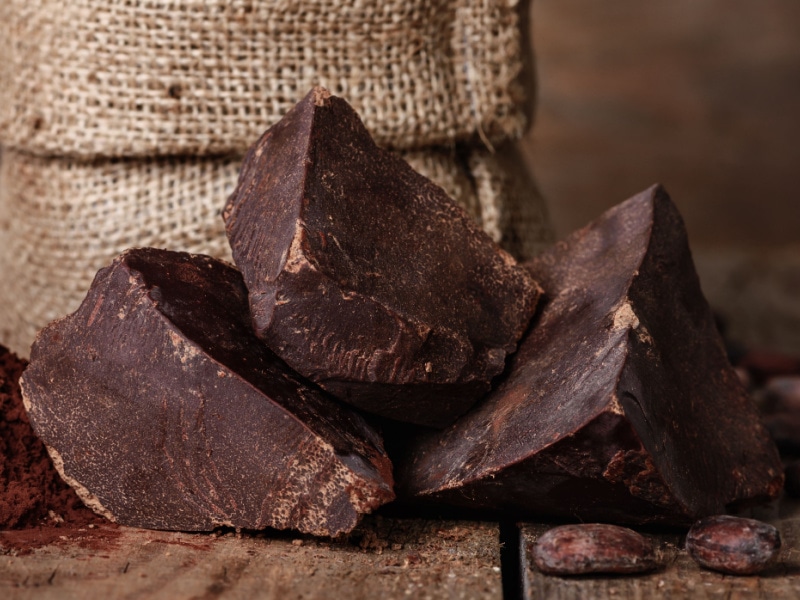
Few ingredients carry the legacy and technical complexity of cocoa mass, also known as cocoa liquor. It’s the foundational element that gives chocolate its soul — that deep, fragrant aroma and rich texture that consumers crave and confectionery manufacturers strive to perfect. In Palestine, the chocolate industry has seen notable growth in recent years. This rise has been driven by a combination of local entrepreneurship, evolving consumer tastes, and improved access to global supply chains — particularly the trade of high-quality cocoa mass.
For factory managers, production supervisors, and procurement officers across Palestine, the sourcing of cocoa mass is not a trivial task. It’s a decision that directly affects everything from flavor consistency to machinery performance. Choosing the right supplier can mean the difference between a smooth production line and a costly batch failure.
At MT Royal, we’ve worked closely with manufacturing facilities across the region, helping them navigate these very challenges. Our experience has shown that understanding the nuances of cocoa mass trade — especially its logistics, storage, and compatibility with your production systems — can elevate your confectionery products from acceptable to exceptional.
Understanding Cocoa Mass: The Foundation of Chocolate
Cocoa mass (or cocoa liquor) is produced when roasted cocoa nibs are ground into a thick paste. Despite the term “liquor,” it contains no alcohol — it’s simply a dense, viscous blend of cocoa solids and cocoa butter. This product serves as the starting point for nearly every chocolate type: dark, milk, or compound.
For Palestinian chocolate producers, cocoa mass serves as both a flavor and structural base. When blended with sugar, milk powder, and emulsifiers, it defines the texture and character of the final product. The choice of origin — whether from West Africa, Latin America, or Southeast Asia — brings subtle differences in aroma, acidity, and fat content.
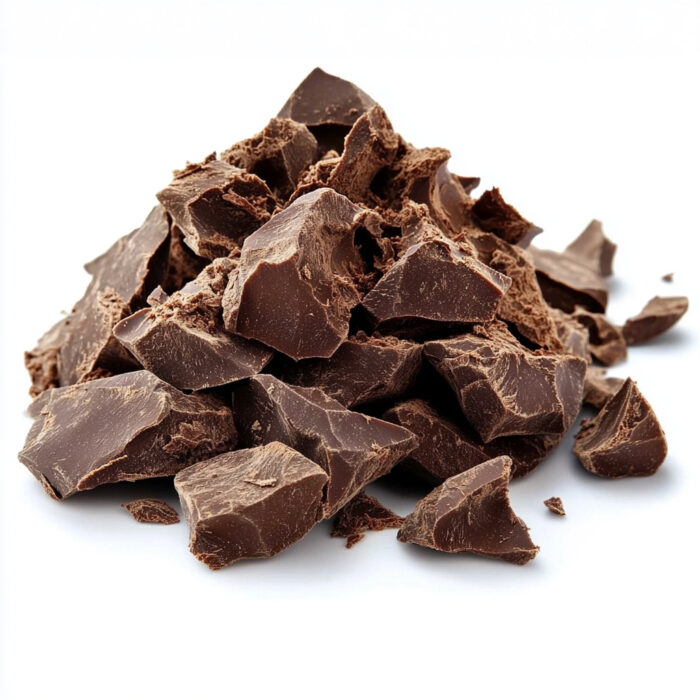
Industrial producers often purchase cocoa mass in block or liquid form, depending on their equipment setup and production scale. Liquid cocoa mass offers operational efficiency but requires temperature-controlled logistics. Solid blocks, on the other hand, offer longer shelf stability and are ideal for plants without jacketed melting systems.
Why Cocoa Mass Matters to Palestinian Chocolate Manufacturers
The confectionery market in Palestine is growing fast. With rising consumer demand for quality, local producers are moving beyond simple compound coatings toward premium chocolate lines. Cocoa mass plays a critical role in this transition, influencing:
- Flavor Consistency: A reliable cocoa mass source ensures each batch tastes the same — critical for brand recognition.
- Machinery Performance: High-quality cocoa liquor melts uniformly, reducing strain on conches and refiners.
- Shelf Life: Impurities or variable fat ratios can affect chocolate stability and bloom resistance.
- Production Costs: Consistency in bulk deliveries prevents downtime caused by ingredient variability.
At MT Royal, we’ve seen factories struggle when shifting between suppliers offering inconsistent cocoa liquor quality. The cost of reworking or discarding a defective batch often outweighs small savings in procurement. That’s why professional sourcing, not opportunistic buying, remains the backbone of sustainable production.
The Current Landscape of Cocoa Mass Trade in Palestine
Palestine relies heavily on imported cocoa derivatives, primarily from countries with established cocoa-processing infrastructure such as Türkiye, the Netherlands, Malaysia, and Spain. While Türkiye serves as a major logistics hub for the region, European brands — especially from Spain — are gaining popularity for their refined processing standards.
Factories in Nablus, Ramallah, and Hebron have begun incorporating European-origin cocoa mass for premium chocolate lines, while maintaining cost-effective blends for volume products. This hybrid sourcing strategy ensures competitiveness without compromising on taste or texture.
However, procurement teams face several challenges:
- Shipping volatility and freight costs
- Currency fluctuations impacting landed prices
- Minimum order quantities required by overseas suppliers
- Maintaining cold chain integrity during transit
By working with regional partners such as MT Royal, manufacturers can mitigate many of these risks through consolidated shipments, diversified supplier portfolios, and localized support.
Quality Parameters to Watch When Importing Cocoa Mass
Choosing the right cocoa liquor involves more than price comparison. Each batch must meet strict industrial parameters to ensure compatibility with your recipe formulation.
| Quality Metric | Ideal Range for Industrial Use | Impact on Production |
|---|---|---|
| Fat Content | 52–56% | Determines fluidity and mouthfeel |
| pH Value | 5.2–6.0 | Affects flavor balance and stability |
| Particle Size | ≤ 25 microns | Ensures smooth texture |
| Heavy Metal Limits | <2 ppm Lead | Compliance and safety |
| Origin Traceability | Verified farm or cooperative | Brand credibility & sustainability |
Factories producing coatings and compound chocolate may tolerate wider ranges, but premium chocolate producers — particularly those catering to export markets — must prioritize certified, consistent cocoa mass.
This is where Spanish brands like Latamarko come into play. Spanish engineering has long been respected in industrial food processing, and Latamarko cocoa derivatives exemplify that precision — achieving remarkable consistency in flavor and melting behavior. Many European manufacturers rely on similar formulations to maintain batch uniformity across thousands of tons of production.
Logistics and Supply Chain Realities in Cocoa Mass Trade
Shipping cocoa mass to Palestine involves careful coordination. It’s not just a matter of price per kilogram — supply reliability often outweighs minor cost differences. Factors such as temperature control, packaging integrity, and transit time can dramatically influence product quality upon arrival.
- Temperature: Cocoa mass begins to soften around 30°C. Without proper container insulation, product consistency can suffer.
- Moisture Control: Excess humidity causes fat separation and microbial risk.
- Storage Conditions: Warehouse temperature should remain between 18–22°C for optimal shelf life.
We’ve seen manufacturers underestimate the effect of Middle Eastern climate on imported cocoa products. At MT Royal, we work with logistics partners that understand these nuances — ensuring cocoa mass arrives intact, ready for direct use in refining or mixing stages.
Procurement Challenges and How to Avoid Them
Even experienced factory managers occasionally fall into procurement pitfalls. The most common include:
- Over-reliance on single suppliers: Sudden geopolitical or logistical disruptions can halt production.
- Inadequate pre-shipment testing: Without sampling and analysis, defective batches may only be discovered during melting — when it’s too late.
- Ignoring compatibility: Not all cocoa liquors behave the same under specific tempering conditions.
- Price-chasing procurement: Cheaper cocoa mass can increase hidden costs like rework, downtime, or packaging waste.
Pro tip: Always request technical datasheets and lab analysis from suppliers. Reputable companies, including MT Royal’s partner brands, routinely provide full quality documentation, ensuring transparency and compliance.
Blending Strategies for Chocolate Producers
Large-scale chocolate manufacturers rarely rely on a single origin cocoa mass. Instead, they blend different origins to achieve a desired sensory profile.
For instance:
- West African cocoa mass provides strong chocolatey notes.
- Latin American origins introduce fruitier tones.
- Asian sources add smoothness and subtle acidity.
By blending, Palestinian producers can balance cost and quality, crafting chocolates that appeal to both domestic consumers and regional export markets. MT Royal often advises clients to experiment with ratio variations in pilot batches before finalizing procurement contracts.
Trends Shaping the Cocoa Liquor Market
The global cocoa liquor market is evolving under three powerful trends:
- Sustainability: Manufacturers increasingly prefer suppliers who support ethical sourcing and traceable farming.
- Technological Integration: Automation in conching and refining allows better control over cocoa liquor particle size.
- Regionalization: Importers are forming closer ties with regional distributors to reduce transit times and buffer against global price volatility.
Palestinian producers, though smaller in scale compared to global giants, are no less sophisticated. Many are investing in modern refining equipment, better tempering control, and high-quality inputs. This positions them to compete with regional confectionery markets in Jordan, Lebanon, and Egypt.
MT Royal’s Role in Supporting Palestinian Chocolate Production
At MT Royal, we supply manufacturers with a comprehensive range of cocoa-based ingredients — including cocoa butter, cocoa powder, and cocoa mass — sourced from trusted global partners.
We’ve seen how factory managers benefit from predictable, high-quality inputs that align with their production standards. Our mission is to simplify procurement, ensuring that you spend less time troubleshooting ingredient variability and more time innovating your products.
Our close cooperation with European and regional suppliers allows us to offer:
- Reliable bulk supply chains
- Consistent quality across shipments
- Technical support and product documentation
- Competitive pricing without quality compromise
By aligning procurement with operational goals, manufacturers can secure not just raw materials but a strategic advantage in an increasingly competitive confectionery market.
When to Choose Premium Cocoa Mass (and When Not To)
Not every production line needs top-tier cocoa liquor. The key is matching your input grade with your product line:
| Production Type | Recommended Cocoa Mass Grade | Example Brands |
|---|---|---|
| Mass-market chocolate coatings | Standard industrial grade | Regional Asian suppliers |
| Premium tablets or pralines | High-fat, low-acidity | Latamarko (Spain), Dutch suppliers |
| Filled chocolates | Balanced flavor, stable melt point | Türkiye or Spain origin |
| Compound chocolates | Economical cocoa blends | Malaysian producers |
Factories should also consider whether they require organic certification, Fairtrade labels, or custom particle size adjustments, depending on their target market. MT Royal can coordinate these requirements through its supplier network, avoiding the need for multiple intermediaries.
FAQs from Palestinian Chocolate Manufacturers
Q1: What’s the ideal cocoa mass storage temperature?
18–22°C, in a dry, ventilated warehouse. Avoid direct sunlight and humidity above 65%.
Q2: How long can cocoa mass be stored?
Typically up to 24 months, provided packaging remains intact and temperature is stable.
Q3: Is there a flavor difference between liquid and block cocoa mass?
No inherent flavor difference — only handling and melting processes differ. Liquid mass is easier to dose but requires stable transport.
Q4: How does cocoa mass origin affect cost?
African origins are usually lower-priced, while European-processed cocoa mass commands a premium for its refining precision and consistency.
Q5: Can MT Royal assist with custom blends or smaller batch imports?
Yes. We frequently coordinate mixed-origin shipments tailored to specific recipes, ensuring flexibility for mid-sized factories.
Looking Ahead: The Future of Cocoa Liquor in Palestine
As Palestinian chocolate producers scale their operations, the role of consistent cocoa mass supply becomes increasingly critical. Modern consumers are discerning — they notice subtle differences in flavor, texture, and finish. Investing in the right cocoa mass is, therefore, not just a procurement decision; it’s a strategic move toward brand distinction.
Spanish-origin options such as Latamarko are setting benchmarks in reliability and performance, offering producers peace of mind that each batch behaves predictably under industrial conditions. Coupled with regional trade routes through Türkiye and efficient import coordination from MT Royal, Palestinian confectionery manufacturers now have unprecedented access to world-class cocoa ingredients.
The evolution of Palestine’s chocolate sector depends not just on creativity, but on the science of consistency — and cocoa mass is at its very core. The right supply partner doesn’t just deliver ingredients; they deliver continuity, quality, and confidence.
Final Thought
In an industry where every gram counts, cocoa mass is far more than an ingredient — it’s the essence that shapes brand identity, product quality, and operational success. For manufacturers across Palestine, building a sustainable supply chain for cocoa liquor isn’t a luxury — it’s a long-term necessity.
And as we’ve seen through years of collaboration, the most successful producers are those who invest wisely in their inputs, ensuring that every chocolate bar, truffle, and coating reflects not only flavor excellence but also industrial mastery.
At MT Royal, we take pride in being part of that process — supporting Palestinian factories with the expertise, reliability, and product diversity that help turn vision into reality.
latamarko alkalized cocoa powder lm60
cocoa powder for chocolate production-Best price
Food industry raw materials – list of products
Types of Gelatin from Turkish Manufacturer
Alkalized Cocoa Powder Bulk Supplier


 trade for chocolate producers in Palestine)
No comment