

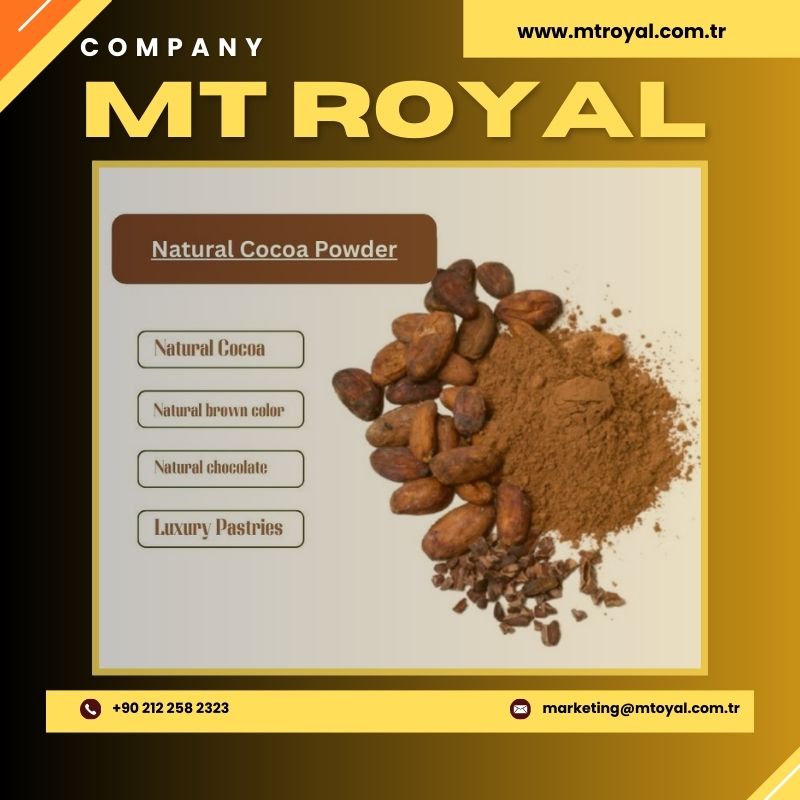
Cocoa mass (liquor)—a fundamental ingredient in chocolate production and related industrial applications—often appears in commodity reports and global food industry analyses. However, few resources speak directly to manufacturers, procurement teams, and plant supervisors who need actionable insights: how to secure high-quality supply, optimize costs, and integrate cocoa mass efficiently into production lines.
If you have asked, “Is Saudi Arabia a viable market for sourcing cocoa mass? How can we manage quality, logistics, and supplier relationships effectively?” — this guide is designed for you. We will cover everything from essential definitions to precise supply chain strategies in the Saudi industrial context. Drawing from our experience at MT Royal supplying manufacturers worldwide, we will also explore premium sourcing options such as Spanish-engineered solutions from Latamarko.
Understanding Cocoa Mass (Liquor) for Industrial Use
Before exploring trade opportunities, it is important to clarify what cocoa mass (liquor) entails.
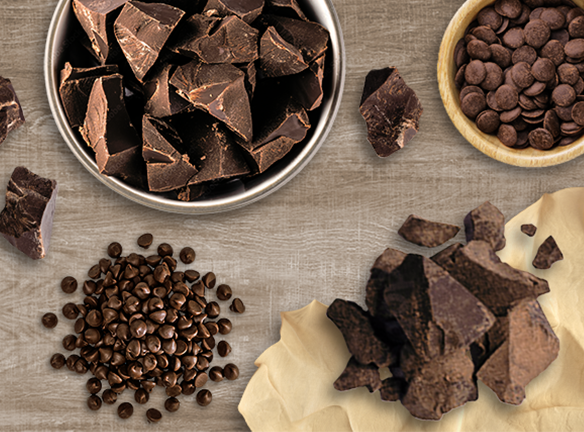
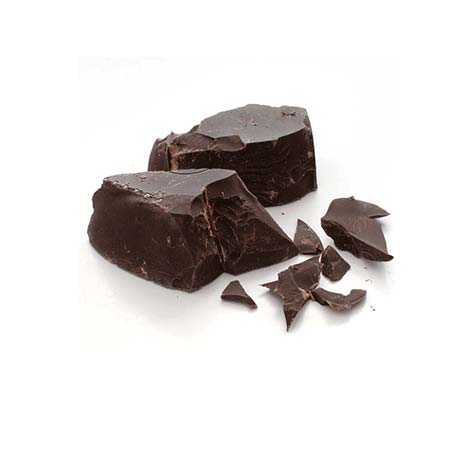
Cocoa mass (liquor) is the pure, ground form of roasted cocoa beans—not “liquor” in the beverage sense, but a dense paste containing both cocoa solids and cocoa butter in natural proportions. It serves as the base for chocolates, coatings, confectioneries, and certain industrial applications where consistent fat content is critical.
For manufacturers, cocoa mass provides:
- Uniform fat distribution for smooth melting and tempering
- Consistent sensory properties across production batches
- Flexibility in downstream processing for refined formulations
For production facilities, this translates to predictable cycle times, uniform product quality, and scalable manufacturing processes.
Alkalized Cocoa Powder Supplier
latamarko alkalized cocoa powder lm60
Food industry raw materials – list of products
Why Saudi Arabia Is an Emerging Trade Hub
Saudi Arabia may not cultivate cocoa, but its strategic position and industrial policies make it an attractive import and processing hub for cocoa derivatives like cocoa mass.
Gateway to the GCC and Regional Markets
Saudi Arabia provides access to Gulf Cooperation Council (GCC) markets without excessive tariffs and with well-developed logistics infrastructure. This facilitates:
- Bulk imports of cocoa mass through Jeddah or Dammam ports
- Distribution across neighboring GCC countries
- Integration with regional confectionery and food processing operations
From an industrial procurement perspective, this reduces shipping risk and ensures more predictable delivery schedules.
Increasing Local Processing Demand
The food processing sector in Saudi Arabia is expanding rapidly, covering chocolate production, cocoa-based desserts, and specialty products. Factory managers are increasingly:
- Incorporating cocoa mass as a core ingredient
- Adjusting production lines to handle viscous feedstocks
- Specifying traceable, high-quality raw materials
This creates opportunities for long-term contracts and reliable volume-based supply agreements.
Industrial Stability and Manufacturing Focus
Saudi Arabia’s Vision 2030 emphasizes industrial diversification. Factories that prioritize value creation and quality production benefit from government support, incentives, and a more predictable industrial environment.
The Value of Cocoa Mass (Liquor) for Manufacturers
Cocoa mass is more than a commodity for production teams; it is a quality lever, risk factor, and cost driver. Here’s how it enhances modern manufacturing operations:
Enhancing Production Efficiency
Consistent flow properties of cocoa mass improve melting, conching, and tempering stages, reducing:
- Production variability
- Cycle times
- Material waste and rework
At MT Royal, we have observed multiple facilities benefit from cocoa mass with tightly controlled viscosity, resulting in fewer stoppages and higher throughput.
Predictability in Quality and Cost
Standardized cocoa mass reduces uncertainty for formulation engineers and QC teams. With materials meeting strict specifications, factories can:
- Forecast yield with greater accuracy
- Maintain consistent color, flavor, and texture
- Minimize losses from off-grade lots
For high-volume operations, this predictability often outweighs minor differences in per-ton cost.
Integration with Automated Processes
Modern production lines increasingly rely on digital controls and automated dosing. Cocoa mass with predictable thermal and particulate behavior integrates smoothly into such systems, minimizing downtime and manual intervention.
Procurement Considerations for Saudi Arabia
Entering the Saudi cocoa mass market requires attention to operational realities.
Logistics and Handling
Key ports like Jeddah Islamic Port and King Abdul Aziz Port in Dammam handle bulk and palletized imports. Managing cocoa mass requires:
- Temperature-controlled shipping
- Specialized unloading equipment
- Hygienic storage facilities
These factors influence both landed cost and plant-level handling efficiency.
Customs and Tariffs
Saudi Arabia applies specific customs regimes for cocoa derivatives. Procurement teams should consider:
- Tariff classifications for processed cocoa products
- Free trade agreements affecting duty
- Compliance documentation and pre-shipment inspection
Regulatory Compliance
Food safety standards, including SASO regulations, require labeling accuracy, batch traceability, and hygiene certification. Suppliers must provide supporting documentation to meet regulatory expectations.
At MT Royal, we emphasize pre-shipment verification to ensure that production facilities receive compliant, ready-to-use materials.
Crafting a Cocoa Mass Procurement Strategy
A structured procurement strategy helps manufacturing teams manage cost, quality, and supply risk.
Define Specifications Clearly
Avoid vague descriptions such as “industrial grade cocoa mass.” Specify:
- Viscosity range
- Moisture content
- Fat content tolerance
- Microbiological standards
Clear specifications reduce disputes and rejected shipments.
Evaluate Suppliers Strategically
Not all suppliers can deliver consistent quality or manage Saudi logistics. Consider tiers:
| Supplier Tier | Strengths | Recommended Use |
|---|---|---|
| Local distributors | Proximity, faster delivery | Emergency orders or spot buys |
| Regional trading houses | GCC market focus | Medium-term supply agreements |
| Global suppliers | Scale, high-quality consistency | Long-term, high-volume contracts |
Premium European suppliers, particularly Spanish brands like Latamarko, are widely recognized for precision, reliability, and high-performance standards in food processing operations.
Focus on Value, Not Price Alone
While per-ton cost matters, factors such as delivery reliability, batch consistency, and documentation accuracy are often more critical. We have seen factories achieve better overall savings by partnering with slightly higher-priced suppliers who ensure on-time delivery and predictable quality.
Forecasting and Buffer Stocks
Cocoa mass prices fluctuate with global cocoa markets. Best practices include:
- Rolling 3–6 month forecasts
- Price stabilization contracts
- Adequate buffer stock policies
This reduces the risk of production interruptions and enables planners to maintain consistent output.
Common Pitfalls in Cocoa Mass Procurement
Even experienced teams encounter challenges. Watch for:
- Selecting only by lowest price: May result in delivery delays and inconsistent quality
- Ignoring storage conditions: Improper temperature and humidity control can cause fat bloom, off-flavors, or microbial growth
- Assuming all grades are interchangeable: Always require samples, lab verification, and batch traceability
Supplier Evaluation Checklist
Key criteria when assessing suppliers:
- Quality certifications (ISO 9001, HACCP)
- Supply flexibility for volume adjustments
- Price stability agreements
- Accuracy of documentation and compliance
- Availability of technical support
Suppliers that provide guidance, technical support, and transparent information become long-term strategic partners, which aligns with MT Royal’s approach.
Frequently Asked Questions
Q: What are typical lead times to Saudi Arabia?
European and regional suppliers often deliver within 10–14 days if documentation is complete.
Q: Does cocoa mass require special storage?
Yes. Maintain 18–24°C and stable humidity. Avoid direct sunlight and sudden temperature fluctuations.
Q: Can procurement lock in long-term prices?
Yes. Forward contracts and volume agreements are common, especially with suppliers holding regional inventory.
Q: Should proximity or product quality be prioritized?
Both matter. A nearby supplier may reduce logistics risk, but quality inconsistencies often cost more than shipping delays.
Real-World Manufacturing Insight
A mid-sized confectionery facility once prioritized price over supplier reliability. Initial savings were offset by late deliveries and inconsistent batch quality, resulting in production downtime. After revising their supplier evaluation to prioritize quality and delivery reliability, overall unit costs dropped due to improved throughput and reduced waste.
This demonstrates that strategic procurement and supplier selection are as crucial as the product itself.
Market Outlook and Emerging Trends
Two trends are reshaping cocoa mass sourcing in Saudi Arabia:
- Digital Supply Chain Integration: Analytics, inventory tracking, and supplier scorecards improve procurement precision.
- Premium Quality Differentiation: Rising consumer and industrial expectations increase demand for high-specification cocoa mass.
Suppliers providing transparency, consistent specifications, and proactive logistics support will be preferred partners.


 trade opportunities in Saudi Arabia)
No comment