

In modern chocolate and beverage manufacturing, the cocoa powder alkalization process is far more than a chemical step—it’s a strategic lever that influences flavor, color, solubility, and process efficiency. For factory managers, production supervisors, and procurement officers, understanding the nuances of cocoa alkalization can make the difference between a consistent, high-quality product and one that leads to production inefficiencies, customer complaints, or wasted raw materials.
At MT Royal, we supply a range of high-quality cocoa powders from trusted brands, including premium European options such as Latamarko, enabling manufacturers to maintain operational efficiency while delivering consistent results. In this article, we delve into the science, industrial applications, supplier considerations, and best practices for the cocoa powder alkalization process.
What is Cocoa Powder Alkalization?
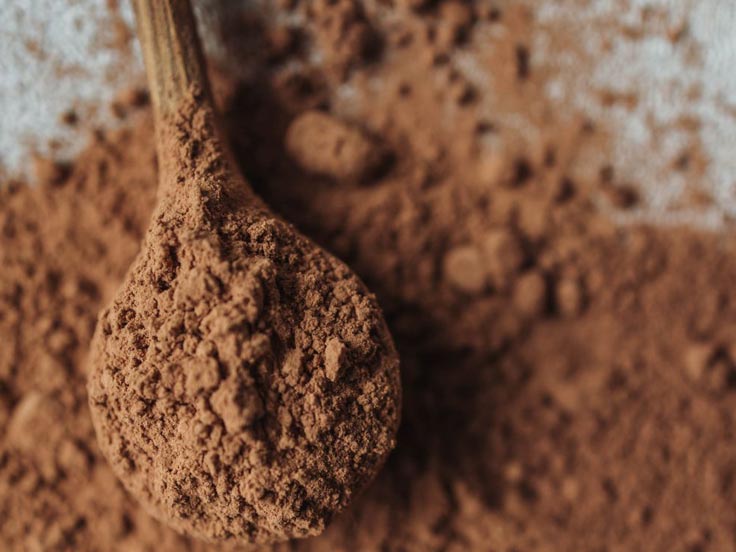
Cocoa powder alkalization, often referred to as Dutch processing, involves treating natural cocoa powder with an alkaline solution—typically potassium carbonate or sodium carbonate. This chemical treatment neutralizes the natural acidity of cocoa, transforming its flavor, color, and functional properties.
From an industrial standpoint, alkalization offers several benefits:
- Reduced bitterness: Essential for consumer-friendly beverages and chocolate products.
- Enhanced solubility: Critical in instant mixes and ready-to-drink beverages.
- Consistent color: Provides a uniform, appealing visual appearance in powders and finished drinks.
- pH stability: Minimizes chemical interactions with other ingredients such as milk proteins, stabilizers, or flavorings.
Understanding the level of alkalization and how it interacts with your production process is vital for achieving consistent product quality.
Industrial Value of Alkalized Cocoa Powder
Flavor and Consumer Experience
The alkalization process smooths out natural cocoa bitterness, resulting in a more palatable flavor profile. For beverage manufacturers, this reduces the need for excessive sweeteners while maintaining a rich chocolate taste. Premium brands, particularly Latamarko, offer cocoa powders with superior flavor consistency, which is especially important in large-scale production where uniform taste across batches is a must.
Color Consistency
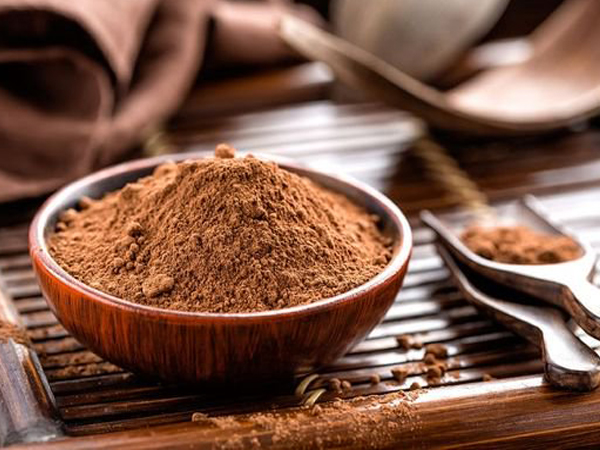
Alkalization darkens cocoa powder, providing shades ranging from light brown to deep chocolate. Uniform color is crucial for consumer perception and for meeting brand expectations. In our experience supplying manufacturing facilities, batch-to-batch color consistency from premium suppliers significantly reduces rework and quality deviations.
Solubility and Processing Efficiency
Solubility is key for high-speed production:
- Instant powders: Alkalized cocoa disperses quickly, reducing clumping and ensuring smooth texture.
- Beverages: In ready-to-drink chocolate drinks, it prevents sedimentation and improves mouthfeel.
- Confectionery: Enhanced dispersibility ensures even distribution in fillings, coatings, and baked goods.
By choosing the right alkalized cocoa powder, manufacturers can optimize mixing times, reduce energy consumption, and improve overall line efficiency.
Shelf Life and Stability
Alkalized cocoa powder has better oxidative stability than natural cocoa. Neutral pH levels reduce off-flavors and prolong the shelf life of powdered and liquid products. This is especially important in industrial production environments where cocoa may be stored in bulk for extended periods.
The Science Behind Cocoa Alkalization
The alkalization process modifies cocoa’s chemical structure, particularly:
- pH Adjustment: Neutralizing acids raises the pH from around 5–6 to 7–8, impacting taste and reactivity.
- Polyphenol Modification: Alkalization reduces polyphenol content, softening bitterness but slightly affecting antioxidant levels.
- Color Development: The process promotes Maillard-like reactions, producing darker hues without additional heating.
- Functional Changes: Improved dispersibility and compatibility with dairy proteins and stabilizers.
For large-scale beverage and confectionery production, understanding these chemical transformations helps predict product behavior under various processing conditions.
Selecting the Right Alkalized Cocoa Powder
Industrial sourcing involves balancing quality, cost, and process requirements. Key considerations include:
Alkalization Level
- Light alkalization (pH 6.8–7.2): Ideal for milk-based beverages and protein formulations.
- Heavy alkalization (pH 7.5–8.0): Produces darker color and richer flavor for premium chocolate products.
Particle Size and Solubility
Finer powders dissolve faster and reduce clumping, while coarser powders may improve texture in specific applications. Premium suppliers like Latamarko provide uniform particle size distributions that minimize process adjustments.
Fat Content
Low-fat alkalized cocoa is preferred for powdered beverages due to better dispersibility, while higher-fat powders may require additional emulsifiers.
Supplier Reliability
Reliable supply ensures consistent quality and uninterrupted production. MT Royal works with a diverse portfolio of brands to provide manufacturers with dependable sourcing options, competitive pricing, and batch traceability.
Common Industrial Challenges
Even with high-quality alkalized cocoa powder, challenges may arise:
- Moisture Absorption: Cocoa powder is hygroscopic, risking clumping during storage.
- Batch Variation: Switching suppliers without testing can lead to inconsistencies in color, flavor, or solubility.
- Ingredient Interactions: Alkalized cocoa’s pH can affect milk proteins, thickeners, or stabilizers.
- Equipment Handling: Powder dust and static charge may impact high-speed mixers or automated dispensing systems.
Mitigating these issues requires proactive planning, precise formulation, and rigorous quality monitoring.
Step-by-Step Guide for Industrial Integration
Step 1: Define Product Requirements
Identify whether your cocoa application is for:
- Instant beverage mixes
- Ready-to-drink chocolate drinks
- Confectionery fillings or coatings
Each requires specific alkalization levels, particle sizes, and solubility profiles.
Step 2: Choose the Right Cocoa Powder Grade
- Solubility and flowability are crucial for instant powders.
- Flavor intensity and color stability matter most for beverages.
- Compatibility with dairy or protein systems is essential for nutritional products.
Step 3: Conduct Pilot Trials
Small-batch testing helps evaluate:
- Dissolution rate
- Flavor consistency
- Color uniformity
- Interaction with stabilizers or other ingredients
Pilot trials minimize production risk and allow process optimization.
Step 4: Optimize Production Integration
- Pre-suspend cocoa in water or milk for ready-to-drink formulations.
- Use high-speed mixers for powdered blends to ensure uniform distribution.
- Consider stabilizers for prolonged suspension and shelf stability.
Step 5: Monitor Key Quality Metrics
- pH consistency
- Solubility index
- Flavor and color uniformity
- Bulk storage stability
Regular quality checks prevent deviations and maintain production efficiency.
Supplier Tier Comparison
| Feature | Standard Supplier | Premium Supplier (Latamarko) |
|---|---|---|
| Particle Uniformity | Moderate | Highly consistent |
| Solubility | Adequate | Excellent |
| Flavor Consistency | Variable | Stable across batches |
| Color Stability | Good | Exceptional |
| Bulk Supply Reliability | Moderate | High |
| Cost | Lower | Higher, justified by reduced downtime and waste |
Premium suppliers often provide better ROI in large-scale operations due to reduced rework, consistent production, and improved product quality.
Industrial Applications Beyond Beverages
Alkalized cocoa powder is versatile:
- Chocolate Confectionery: Enhances color and smooth texture in truffles, bars, and coatings.
- Baked Goods: Maintains color consistency in cakes, cookies, and brownies.
- Nutritional Products: Compatible with protein shakes and functional beverages.
- Dairy Products: Used in chocolate yogurts and flavored milks.
The right alkalization strategy ensures predictable performance across all applications.
Trends in Cocoa Powder Use
- Increasing demand for ready-to-drink chocolate beverages.
- Consumer preference for smoother, less bitter chocolate flavor.
- Focus on sustainability and ethical sourcing of cocoa.
- Adoption of automated production lines requiring predictable ingredient behavior.
Manufacturers who align sourcing and formulations with these trends gain competitive advantage.
FAQs: Industrial Cocoa Powder Alkalization
Q1: What is the optimal alkalization for milk-based beverages?
A: Light to medium alkalization (pH 6.8–7.2) ensures smooth flavor without excessive bitterness.
Q2: Can alkalized cocoa be used in protein shakes?
A: Yes, but check compatibility with pH-sensitive proteins to avoid coagulation.
Q3: How should cocoa be stored for large-scale production?
A: Keep in dry, cool conditions (RH <60%) and in sealed containers to prevent clumping.
Q4: Are premium European powders worth the cost?
A: Yes. Brands like Latamarko reduce production variability, improve solubility, and maintain color and flavor consistency.
Industrial Insights from MT Royal
In our experience supplying manufacturers:
- Batch consistency is crucial for operational efficiency.
- Premium suppliers like Latamarko simplify production, reducing downtime and rework.
- Proper storage and process integration prevent clumping, sedimentation, and flavor deviations.
- Thoughtful ingredient selection is a strategic advantage in beverage, confectionery, and baked goods production.
We’ve seen facilities reduce blending times and product rejects by switching to high-quality alkalized cocoa powders while optimizing storage and process parameters.
Closing Thought
The cocoa powder alkalization process is more than chemistry—it’s a production strategy. Understanding pH, solubility, color, and supplier quality allows manufacturers to deliver consistent, high-quality products at scale. With MT Royal as a reliable partner and premium options like Latamarko, cocoa-based production can be streamlined, predictable, and profitable.
Manufacturers who master this process gain not just better flavor and color, but operational efficiency, reduced waste, and competitive differentiation in increasingly demanding markets.



No comment