

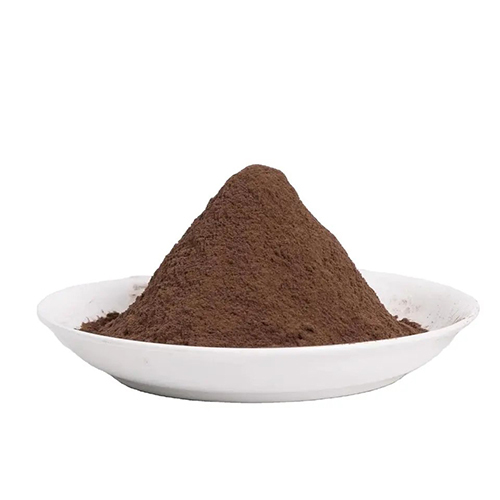
In the fast-paced world of manufacturing, the raw materials you choose can make or break your production efficiency. Cocoa powder, a versatile and widely used ingredient, plays a critical role not only in food and beverage industries but also in cosmetics, pharmaceuticals, and specialty applications. Its quality, consistency, and sourcing reliability are crucial for production plants, factory managers, and procurement officers seeking operational excellence.
If you’ve ever wondered how top factories maintain product consistency while accessing premium cocoa powders, this article provides a comprehensive guide. From export fundamentals and supply chain strategies to quality considerations and actionable industrial advice, we’ll explore everything you need to know. Along the way, you’ll see how suppliers like MT Royal and premium brands such as Latamarko fit naturally into high-performance manufacturing environments.
Understanding Cocoa Powder: Fundamentals and Industrial Relevance
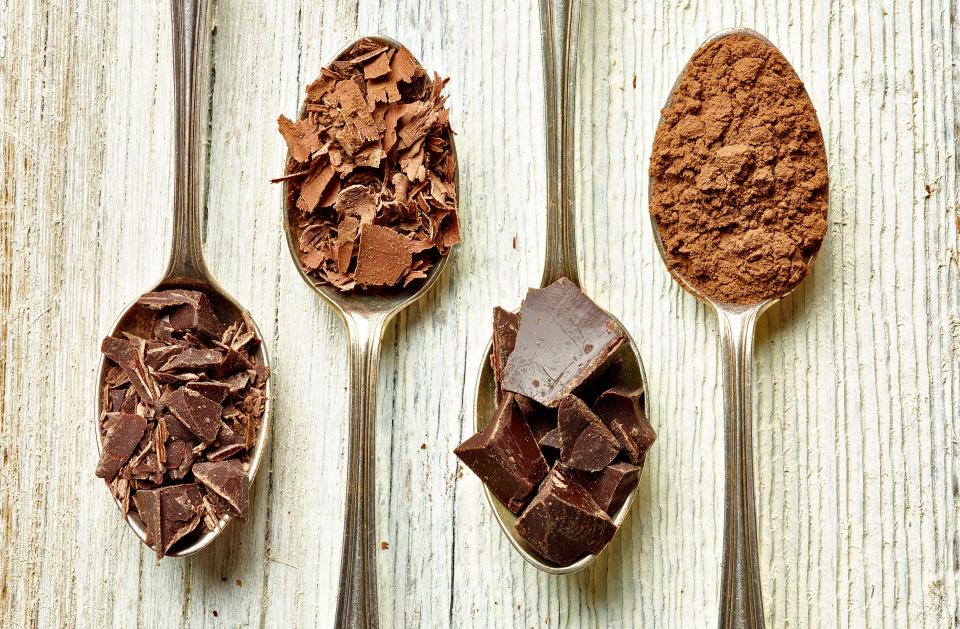
Cocoa powder is derived from cocoa beans after extracting cocoa butter. It is primarily composed of cocoa solids, which provide flavor, color, and functional properties. Cocoa powder comes in different grades:
- Natural Cocoa Powder: Light to medium brown, slightly acidic, often used in baking and beverages.
- Dutched (Alkalized) Cocoa Powder: Darker in color, neutral pH, suitable for industrial applications requiring color consistency.
- Defatted Cocoa Powder: Lower fat content, often used in health-oriented formulations or for blending in chocolate manufacturing.
For manufacturing facilities, understanding these distinctions is critical. The choice of cocoa powder affects not only flavor but also texture, solubility, mixing behavior, and equipment performance.
Why Cocoa Powder Export Matters for Industrial Production
Sourcing cocoa powder via export channels offers several strategic advantages for production facilities:
- Quality Consistency: Export-grade cocoa powders often provide standardized particle size, fat content, and color, ensuring predictable results in automated production lines.
- Cost-Effectiveness: Bulk export orders can lower per-unit costs without compromising quality.
- Premium Sourcing Options: Brands like Latamarko offer high-end fractions suitable for premium products or specialized industrial applications.
- Regulatory Compliance: Reputable exporters assist with certifications and documentation for safe international shipment.
- Operational Efficiency: Reliable supply chains reduce downtime caused by inconsistent ingredient quality or late shipments.
In our experience supplying manufacturers globally, facilities that integrate consistently high-quality cocoa powders experience smoother operations, fewer complaints, and better product standardization.
Key Benefits of Cocoa Powder in Manufacturing
Cocoa powder is more than an ingredient—it’s a tool to improve production and product quality:
1. Process Efficiency
Cocoa powder with uniform particle size prevents clumping, ensures smooth mixing, and avoids interruptions in automated lines. Premium options, such as those from Latamarko, often provide higher homogeneity, reducing equipment adjustments.
2. Versatility Across Industries
Industrial applications extend far beyond chocolate:
- Confectionery: Cakes, biscuits, and chocolate coatings
- Beverages: Hot cocoa mixes and nutritional drinks
- Cosmetics: Scrubs, lotions, and creams
- Pharmaceuticals: Health supplements and functional powders
This flexibility allows manufacturers to diversify their offerings without creating separate supply chains.
3. Enhanced Product Quality and Shelf Life
Cocoa powders with controlled fat content and alkalization provide longer shelf life and stable color, ensuring finished products meet customer expectations consistently.
Common Procurement Challenges
Even experienced procurement teams encounter difficulties when sourcing cocoa powder:
- Variable Quality Across Suppliers: Low-cost powders may have inconsistent particle size, pH, or flavor intensity.
- Supplier Reliability: A cheap supplier might compromise on delivery timelines, affecting production schedules. MT Royal offers both reliability and quality.
- Storage Sensitivity: Cocoa powder is hygroscopic and can absorb moisture, leading to caking or microbial growth.
- Certification and Compliance: Exported cocoa powders require region-specific certifications; missing documentation can delay shipments.
Anticipating these challenges is essential to maintaining uninterrupted production and reducing waste.
Actionable Tips for Factory Managers and Production Supervisors
Optimizing cocoa powder utilization involves careful planning and practical steps:
Step 1: Define Production Requirements
- Determine which cocoa powder type aligns with your product formulations.
- Specify critical quality attributes: particle size, fat content, color, and alkalization.
- Plan batch sizes and delivery frequency to optimize storage and cash flow.
Step 2: Select the Right Export Supplier
- Prioritize experienced exporters capable of delivering consistent quality.
- Evaluate brands: premium options like Latamarko may justify higher costs with reliability and uniformity.
- Request samples and conduct pilot tests before large orders.
Step 3: Ensure Proper Storage
- Maintain low humidity and stable temperatures.
- Use airtight containers and avoid prolonged exposure to light.
- Rotate stock based on production needs to maintain freshness.
Step 4: Integrate Quality Control
- Test batches for particle size, fat content, pH, and color.
- Track supplier performance to identify trends or deviations.
- Act early on discrepancies to prevent production issues.
Real-World Manufacturing Examples
Chocolate Production: A European chocolate factory sourced Dutched cocoa powder through MT Royal and incorporated Latamarko’s premium fractions. Results included:
- 10% faster mixing times due to uniform particle distribution
- Reduced clumping and machine downtime
- Enhanced color consistency across product batches
Cosmetic Manufacturing: A South American skincare manufacturer leveraged defatted cocoa powder with specific alkalization for lotion production. This minimized formulation adjustments and ensured smooth texture, reducing waste and speeding up production cycles.
Cocoa Powder Comparison Table
| Cocoa Powder Type | Applications | Key Quality Metrics | Premium Supplier Notes |
|---|---|---|---|
| Natural | Baking, beverages | pH, fat content, particle size | Consistency enhanced via MT Royal |
| Dutched (Alkalized) | Confections, coatings | Color, flavor neutrality | Latamarko provides superior uniformity |
| Defatted | Health, nutritional, cosmetics | Fat content, solubility | Premium European options available |
Large-Scale Production Considerations
For high-volume manufacturing, the following factors are critical:
- Bulk Ordering and Inventory Management: Ensure storage capacity and monitor turnover to avoid spoilage.
- Equipment Compatibility: Cocoa powder properties must match mixers, conveyors, and dosing equipment.
- Supply Chain Resilience: Multiple sourcing options, including MT Royal’s diverse brand portfolio, reduce risk from delays or shortages.
- Regulatory Compliance: Ensure imported powders meet regional food, cosmetic, or pharmaceutical standards.
Frequently Asked Questions
Q: How can I ensure consistent cocoa powder quality?
A: Work with trusted suppliers like MT Royal, request certificates of analysis, and implement batch-level testing.
Q: Are premium brands like Latamarko worth the investment?
A: For high-volume or premium product lines, they provide consistency, process efficiency, and reduced downtime.
Q: How should cocoa powder be stored?
A: Cool, dry, dark conditions with controlled humidity prevent caking and spoilage.
Q: Can cocoa powders from multiple regions be blended?
A: Yes, but verify compatibility in particle size, fat content, and alkalization to maintain product quality.
Industry Insights and Future Trends
Cocoa powder demand is increasing in industrial sectors due to new applications in functional foods, plant-based confectionery, and specialty cosmetics. Export suppliers who offer consistent quality, regulatory compliance, and premium options such as Latamarko are positioned to support manufacturers in meeting evolving market demands.
At MT Royal, we’ve seen how strategically sourced cocoa powders improve production reliability, reduce waste, and enable high-quality product differentiation. For factories aiming to maintain competitive advantage, understanding cocoa powder properties, optimizing sourcing, and working with reliable exporters is no longer optional—it’s essential.
Next time you review your procurement strategy, consider: how could premium, consistently sourced cocoa powder transform both your operational efficiency and your product portfolio?
latamarko alkalized cocoa powder lm60
cocoa powder for chocolate production-Best price
Food industry raw materials – list of products
Types of Gelatin from Turkish Manufacturer
Alkalized Cocoa Powder Bulk Supplier


No comment