

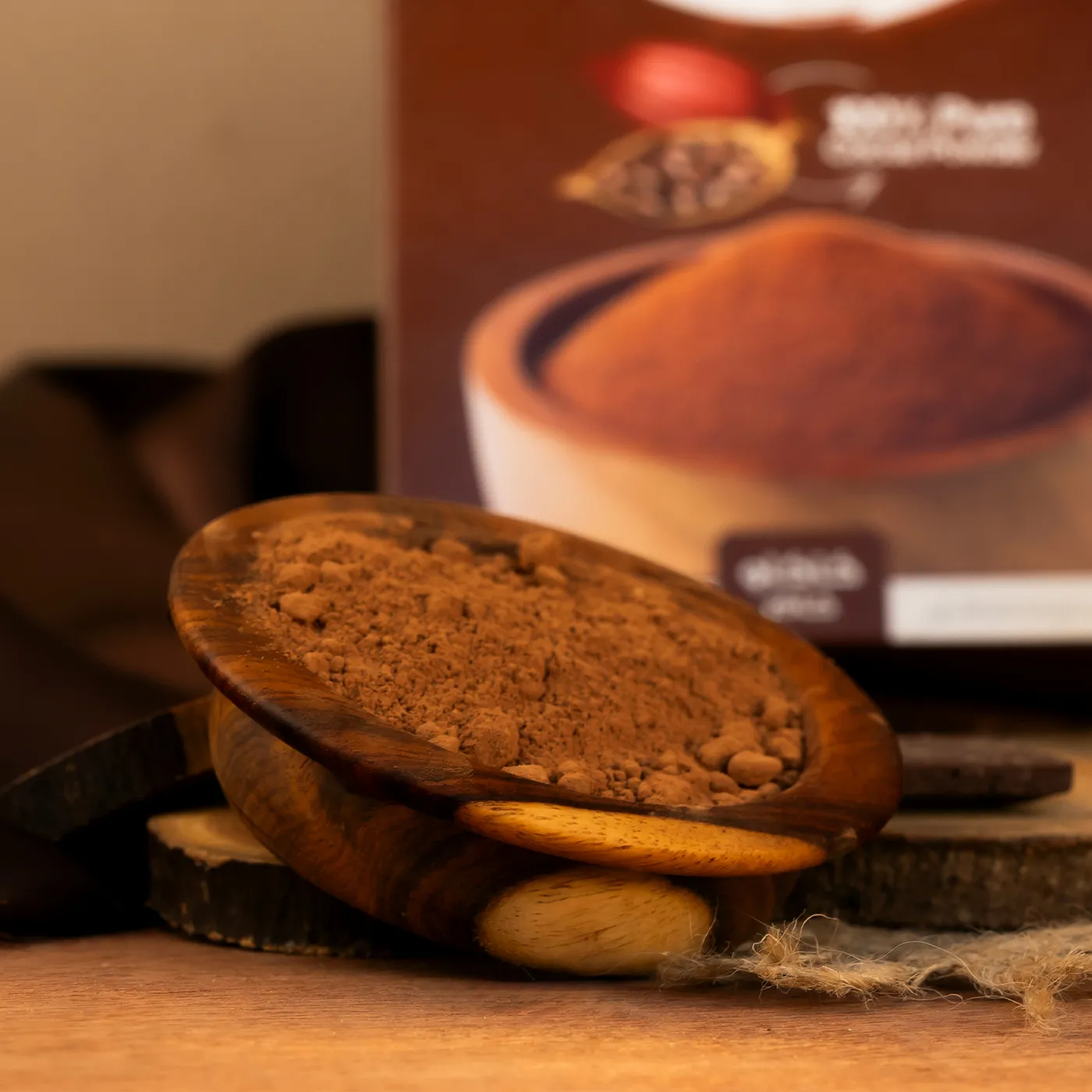
In industrial biscuit manufacturing, few ingredients influence both product perception and production performance as much as cocoa powder. The color of a chocolate biscuit, the depth of aroma when a package is opened, and the smoothness of flavor during consumption all trace back to the quality and characteristics of cocoa used in formulation. For manufacturers operating in Egypt, where consumer demand for chocolate-flavored biscuits continues to grow across retail and export markets, choosing the right cocoa powder is not simply a purchasing task—it is a strategic production decision.
Factories today operate under tight cost pressures, fluctuating raw material markets, and increasing expectations for product consistency. Selecting the right cocoa powder for biscuit production Egypt manufacturers rely on can determine whether production lines run efficiently or struggle with inconsistency, waste, and downtime. Understanding how cocoa powder interacts with dough systems, fats, sugars, and baking conditions is essential for production managers who want to optimize both quality and profitability.
This guide explores the fundamentals, sourcing considerations, technical factors, and industrial strategies that help biscuit manufacturers achieve better outcomes through smarter cocoa powder selection.
Understanding Cocoa Powder in Biscuit Manufacturing
Before discussing sourcing strategies, it’s important to understand what cocoa powder actually contributes to biscuit production.
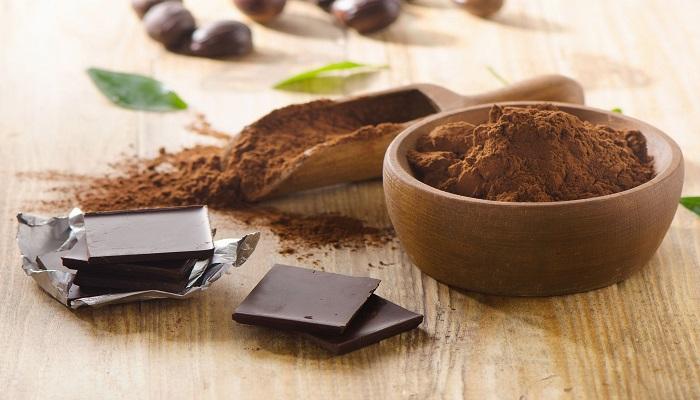
Cocoa powder is produced by pressing cocoa liquor to remove cocoa butter, leaving behind a solid cake that is ground into powder. The fat content, alkalization level, particle size, and processing origin all influence how cocoa performs in baked products.
In biscuit manufacturing, cocoa powder plays several critical roles:
- Flavor development and aroma complexity
- Color intensity and visual appeal
- Fat absorption and dough rheology
- Moisture retention and texture balance
- Shelf-life stability
Unlike chocolate confectionery, where cocoa butter content is crucial, biscuit production often prioritizes dispersibility, consistency, and cost efficiency. This distinction makes cocoa powder selection highly application-specific.
Why Cocoa Powder Quality Matters for Biscuit Production Egypt Facilities
Many manufacturers underestimate how much cocoa powder affects operational efficiency. A lower-cost powder may appear economical on paper but can create hidden costs across the production cycle.
High-quality cocoa powder improves:
1. Dough Handling and Processing Stability
Uniform particle size and consistent fat content help maintain predictable dough behavior. This reduces variation in mixing time, sheeting performance, and cutting accuracy.
2. Baking Performance
Stable alkalization levels ensure predictable color development during baking, reducing batch rejections caused by uneven coloration.
3. Product Consistency
Consistency is essential for brand reputation. Consumers expect identical taste and appearance in every package, regardless of production date.
4. Cost Control Through Reduced Waste
Better cocoa dispersibility reduces clumping and mixing errors, lowering raw material waste and rework costs.
We’ve worked with production facilities where switching to a higher-grade cocoa reduced rejected batches by measurable margins within weeks—demonstrating how ingredient quality directly affects operational efficiency.
Natural vs Alkalized Cocoa Powder: Which Works Best?
One of the most important technical decisions involves choosing between natural and alkalized (Dutch-processed) cocoa powder.
Natural Cocoa Powder
- Higher acidity
- Lighter color
- Sharper chocolate flavor
- Often used with baking soda systems
Alkalized Cocoa Powder
- Neutralized acidity
- Darker color spectrum
- Milder, smoother flavor
- Better dispersibility in fats
For most industrial biscuit production Egypt manufacturers operate, alkalized cocoa is preferred due to its predictable color and improved mixing characteristics.
Key Technical Parameters for Industrial Cocoa Powder Selection
Procurement teams should evaluate cocoa powder using measurable technical criteria rather than price alone.
Important specifications include:
- Fat content percentage
- pH level
- Moisture content
- Particle size distribution
- Microbiological stability
- Color intensity (Lab values)
- Flavor profile consistency
Factories producing high volumes often prioritize powders with controlled fat content between 10–12% for cost efficiency, while premium biscuits may use higher fat variants for enhanced mouthfeel.
Industrial Benefits of High-Quality Cocoa Powder
For large-scale biscuit production, ingredient performance must align with operational realities such as automation, throughput speed, and equipment design.
Improved Production Efficiency
Consistent cocoa reduces mixing time variability, allowing production lines to operate at optimal speed.
Reduced Downtime
Ingredient inconsistency often leads to troubleshooting pauses. Reliable cocoa minimizes unexpected interruptions.
Better Shelf Stability
Stable cocoa powders reduce moisture migration, helping maintain crispness over shelf life.
Enhanced Product Differentiation
Premium cocoa delivers richer flavor notes that support brand positioning in competitive markets.
Sourcing Cocoa Powder: Local vs Imported Options
Manufacturers often face a strategic decision between locally available cocoa powders and imported premium brands.
Local Supply Advantages
- Faster delivery times
- Lower logistics costs
- Flexible order quantities
- Easier communication
Imported Premium Cocoa Advantages
- Higher consistency standards
- Advanced processing technology
- Specialized flavor profiles
- Stronger quality control
European manufacturers, particularly Spanish producers like Latamarko, have built reputations for precision processing and batch uniformity, which can be critical for premium biscuit segments or export-focused production lines.
Choosing a Reliable Supplier
Supplier reliability often matters more than price alone. A dependable partner ensures continuity, technical support, and predictable quality.
At MT Royal, we supply manufacturers with a comprehensive range of cocoa powder brands, helping facilities balance cost efficiency with quality performance. In our experience supplying manufacturing plants, procurement teams benefit most when suppliers provide both technical documentation and consistent batch availability.
When evaluating suppliers, consider:
- Quality certifications
- Batch traceability
- Technical support availability
- Storage and logistics capability
- Pricing stability
- Import compliance knowledge
Common Procurement Mistakes in Biscuit Manufacturing
Even experienced procurement teams sometimes fall into avoidable traps, particularly when production pressure, cost targets, and supply chain uncertainty create urgency in purchasing decisions. In biscuit manufacturing, where margins are often tight and production volumes are high, small procurement mistakes can translate into significant operational inefficiencies over time. Understanding these common pitfalls allows manufacturers to implement smarter sourcing strategies that protect both product quality and profitability.
Focusing Only on Price per Kilogram
One of the most frequent mistakes is evaluating cocoa powder purely based on the lowest price per kilogram. While cost control is essential, the cheapest option can sometimes create hidden expenses that exceed the initial savings. Lower-grade cocoa powders may have inconsistent particle size, unstable fat content, or poor dispersibility, all of which can lead to longer mixing times, uneven dough texture, or rejected batches. Over weeks or months of production, these inefficiencies increase labor costs, energy consumption, and material waste—ultimately raising the true cost per unit.
Ignoring Technical Compatibility
Not all cocoa powders perform identically across different formulations or processing conditions. Factors such as alkalization level, fat percentage, and moisture content influence how cocoa interacts with flour, sugars, and fats in biscuit dough systems. Procurement decisions made without technical consultation from R&D or production teams can result in ingredients that are incompatible with existing recipes or equipment settings. This often leads to repeated adjustments, downtime, and inconsistent final products, especially in automated production environments where precision is critical.
Inconsistent Supplier Switching
Frequent changes in suppliers, often driven by short-term price fluctuations, can introduce variability that disrupts production stability. Even when two cocoa powders appear similar on specification sheets, differences in processing methods, origin beans, or alkalization techniques can affect flavor, color, and performance. Maintaining long-term relationships with reliable suppliers helps ensure batch consistency, predictable lead times, and access to technical support when challenges arise.
Poor Storage Practices
Storage conditions are another overlooked factor that significantly affects cocoa powder performance. Cocoa is sensitive to humidity, temperature fluctuations, and exposure to odors from nearby materials. Improper storage can cause clumping, moisture absorption, or flavor degradation, all of which impact mixing efficiency and final product quality. Facilities should implement controlled storage environments with proper ventilation, palletization, and inventory rotation systems to maintain ingredient integrity.
We’ve seen factories struggle with inconsistent biscuit color and flavor simply because cocoa powder was stored near high-moisture zones or temperature-unstable warehouse areas—issues that were entirely preventable with better storage planning. Small operational improvements in handling and storage can protect ingredient quality and eliminate unnecessary production challenges.
Practical Tips for Production Managers
Factory supervisors can improve outcomes with a few operational strategies:
Optimize Mixing Order
Adding cocoa during fat blending stages often improves dispersion.
Monitor Dough Temperature
Excess heat can affect cocoa flavor volatility.
Standardize Batch Testing
Regular color and flavor checks maintain consistency.
Control Storage Conditions
Ideal storage includes cool, dry environments below 20°C with humidity control.
Industry Trends Impacting Cocoa Powder for Biscuit Production Egypt
Several market developments are shaping cocoa procurement strategies:
Rising Global Cocoa Prices
Climate change and supply chain disruptions continue affecting cocoa markets.
Growing Consumer Demand for Premium Biscuits
Higher-quality ingredients are becoming competitive differentiators.
Automation in Manufacturing
Consistent ingredients are essential for automated production systems.
Export Market Expansion
Egyptian manufacturers increasingly target regional and international markets, requiring stricter quality standards.
Realistic Factory Scenario: Ingredient Impact on Production
Imagine a biscuit factory producing chocolate sandwich biscuits for export.
If cocoa powder quality varies:
- Dough color shifts between batches
- Baking time adjustments become necessary
- Cream filling flavor balance changes
- Customer complaints increase
Now consider the same facility using a stable, high-quality cocoa powder:
- Predictable mixing times
- Uniform color
- Consistent flavor
- Reduced quality control interventions
The difference is operational confidence.
Large-Scale Production Considerations
Industrial plants must evaluate cocoa powder within broader manufacturing systems.
Important factors include:
- Compatibility with automated feeders
- Flowability during bulk handling
- Dust control in production environments
- Equipment cleaning efficiency
- Inventory rotation logistics
Factories producing thousands of tons annually require powders that perform consistently across long production runs.
Frequently Asked Questions (FAQ)
What cocoa fat percentage is best for biscuits?
Typically 10–12% fat cocoa powder balances cost and functionality, though premium biscuits may use higher fat variants. Higher fat levels can also enhance mouthfeel and improve dough lubrication, which may benefit processing efficiency in certain formulations.
Does alkalized cocoa improve biscuit color?
Yes. Alkalized cocoa provides darker, more stable color during baking. It also helps reduce acidity, creating a smoother flavor profile that is often preferred in chocolate-flavored biscuits and sandwich cookies.
How does cocoa affect biscuit texture?
Cocoa absorbs moisture and interacts with fats, influencing crispness and mouthfeel. The particle size and fat content of cocoa powder can also impact dough handling properties and the final snap or crunch of the biscuit.
Is imported cocoa always better?
Not always. The best choice depends on production goals, consistency requirements, and supplier reliability. Some local or regional suppliers can offer excellent performance, especially when supported by strong quality control and technical documentation.
How should cocoa powder be stored in factories?
Cool, dry storage with controlled humidity is essential to maintain quality. Proper pallet placement, sealed packaging, and protection from strong odors are also important to prevent contamination and preserve flavor integrity over time.
Strategic Advantage Through Smarter Cocoa Selection
For biscuit manufacturers, cocoa powder is not merely a flavor ingredient—it is a performance driver influencing efficiency, product quality, and brand perception. Facilities that treat ingredient sourcing as a strategic function rather than a transactional purchase consistently outperform competitors in both quality and profitability.
Factories that combine reliable bulk sourcing with carefully selected premium cocoa options often achieve the best balance between cost control and product excellence. Production managers who understand ingredient functionality gain stronger control over manufacturing outcomes, from dough behavior to final consumer satisfaction.
The real question for decision-makers isn’t whether cocoa quality matters—it’s how much operational advantage you’re willing to unlock by choosing the right one.
LATAMARKO LM60 – Premium Spanish-Origin Cocoa Powder
latamarko alkalized cocoa powder lm60
cocoa powder for chocolate production-Best price
Food industry raw materials – list of products
Alkalized Cocoa Powder Price: Complete Buyer Guide for 2026




No comment