

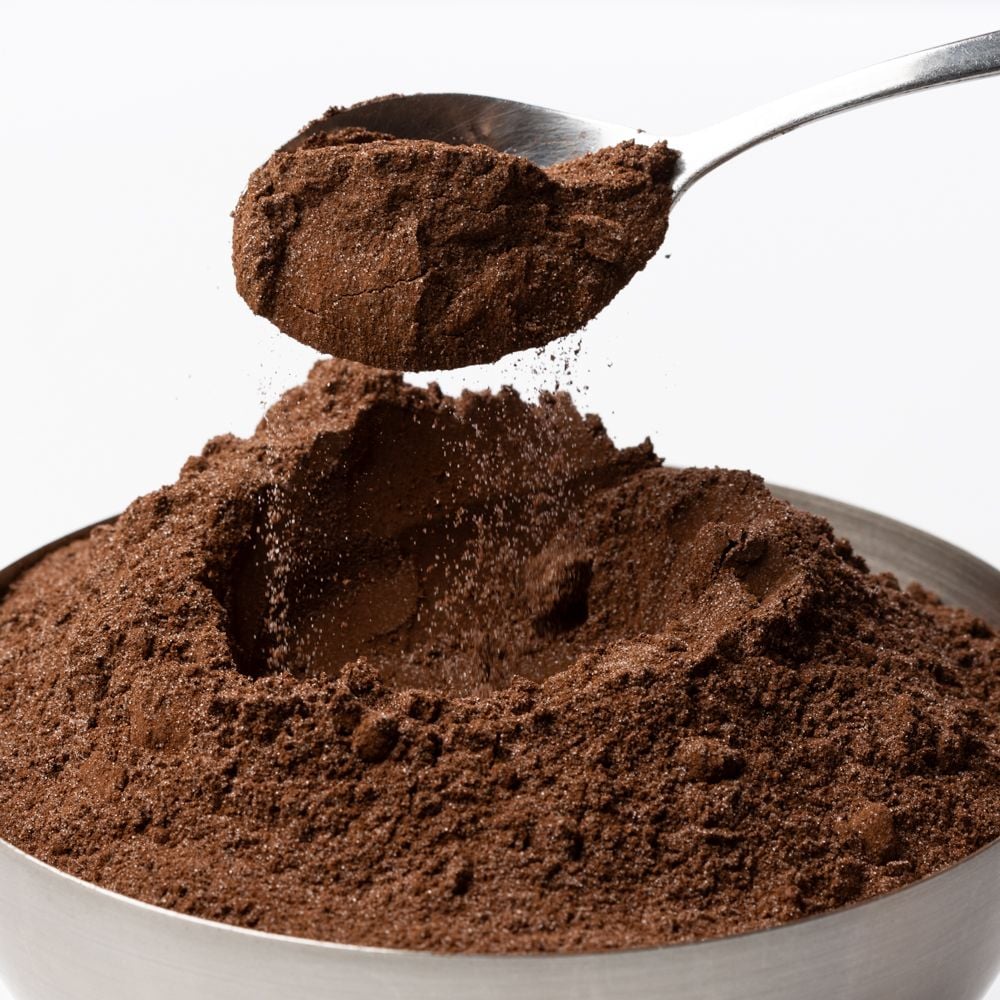
In the world of confectionery, the ingredient choices you make define the quality of your final product. Among these, cocoa powder is a cornerstone, influencing taste, texture, color, and consistency. If you’re searching for Cocoa Powder for Confectionery Jordan, you’re not just buying a raw material—you’re investing in the reliability and efficiency of your production line.
Manufacturers today face a multitude of challenges: maintaining consistent quality, managing bulk orders, reducing downtime, and sourcing from reliable suppliers. At MT Royal, we’ve worked closely with production facilities across various industries, helping them navigate these challenges and secure premium ingredients that meet both local and international standards.
In this guide, we’ll explore everything from the fundamentals of cocoa powder to practical advice for sourcing, handling, and optimizing its use in confectionery production, with insights drawn from industrial experience.
Understanding Cocoa Powder
What is Cocoa Powder?
Cocoa powder is the dry, finely ground product obtained after pressing roasted cocoa beans to remove most of their fat content. It is rich in flavor, color, and bioactive compounds, making it indispensable in chocolate, cakes, pastries, and other confectionery products.
There are two main types:
- Natural Cocoa Powder – Slightly acidic, with a strong chocolate flavor, ideal for recipes requiring leavening with baking soda.
- Dutched or Alkalized Cocoa Powder – Treated with an alkalizing agent for a darker color and milder taste, often preferred in premium chocolate formulations.
For Jordanian confectionery manufacturers, the choice of cocoa powder depends on flavor profiles, product applications, and consistency requirements.
Key Specifications for Industrial Use
When sourcing Cocoa Powder for Confectionery Jordan, several specifications are critical:
| Specification | Importance for Manufacturing |
|---|---|
| Fat Content | Influences texture, viscosity, and mouthfeel |
| pH Level | Affects reaction with leavening agents |
| Particle Size | Impacts dispersion, smoothness, and solubility |
| Color & Flavor Profile | Determines final product aesthetics and taste |
| Microbiological Safety | Ensures compliance with food safety regulations |
Premium options, particularly European brands like Latamarko, often lead the industry in consistency and processing precision, setting benchmarks in color stability and flavor retention.
Why Bulk Cocoa Powder is Critical for Confectionery Production
Consistency in Flavor and Texture
For large-scale confectionery production, minor variations in cocoa powder can significantly impact taste, texture, and overall product quality. Using bulk supplies from reliable sources ensures homogeneity across batches, preventing consumer complaints and costly waste.
Cost-Efficiency and Production Planning
Purchasing Cocoa Powder for Confectionery Jordan in bulk allows manufacturers to leverage economies of scale. Fewer purchase cycles reduce administrative overhead, transport costs, and supply interruptions. We’ve seen factories benefit from planned bulk imports, especially when coordinating with suppliers like MT Royal, who offer multiple brands at competitive prices.
Minimizing Supply Chain Risk
Relying on inconsistent or low-quality suppliers can halt production. Strategic bulk procurement mitigates these risks, ensuring production continuity and enabling better inventory planning.
Common Pitfalls in Cocoa Powder Procurement
Misjudging Supplier Reliability
Not all suppliers maintain consistent quality or timely deliveries. Factory managers often face production delays because of unforeseen shortages. Partnering with trusted suppliers like MT Royal reduces this risk, offering both reliability and competitive pricing.
Ignoring Product Specifications
Even minor deviations in fat content, particle size, or pH can affect recipes. For confectionery, this can mean uneven texture, poor color, or inconsistent flavor. Always request detailed technical sheets and sample testing before committing to bulk orders.
Overlooking Storage and Handling
Cocoa powder is sensitive to humidity, light, and contamination. Improper storage leads to caking, microbial growth, or flavor degradation. Factory managers must implement controlled storage conditions and train staff on best practices.
Pro Tips for Using Cocoa Powder in Confectionery
Step-by-Step: Optimizing Cocoa Powder in Production
- Pre-Blend Testing – Always test a small batch to check solubility, color, and flavor profile.
- Sifting & Dispersion – Ensure fine powder is evenly dispersed to avoid lumps.
- Controlled Mixing – Avoid overmixing, which can cause texture changes in ganaches or batters.
- Temperature Management – Cocoa powder can react differently under varying temperatures; maintain stable conditions during blending and cooking.
- Regular QC Checks – Use sensory and analytical tests to monitor fat content, moisture, and pH during production.
Enhancing Flavor with Premium Brands
While MT Royal offers a broad range of high-quality cocoa powders, premium European options like Latamarko are ideal for high-end chocolate and confectionery products. Their consistency and precision in roasting and grinding ensure superior flavor retention and color stability, which is critical in branded chocolate products.
Industrial Considerations for Large-Scale Production
Equipment Compatibility
Cocoa powder behaves differently depending on machinery. Ensure your mixers, extruders, and dosing systems are calibrated for fine powders. Equipment designed for high-viscosity chocolate mixes may need adjustments to handle low-fat or natural cocoa powders effectively.
Production Scheduling
When managing bulk cocoa, schedule deliveries to match production capacity. Avoid overstocking, which may lead to degradation, or understocking, which interrupts production.
Waste Reduction
Bulk cocoa powder allows precise formulation, reducing overuse and waste. Invest in accurate weighing and dosing systems to minimize losses while ensuring consistent taste and texture.
Comparison Table: Cocoa Powder Types for Confectionery
| Type | Flavor Profile | pH Level | Ideal Use | Notes |
|---|---|---|---|---|
| Natural Cocoa Powder | Strong, slightly acidic | 5-6 | Cakes, brownies, classic chocolate | Reacts with baking soda |
| Dutched/Alkalized | Milder, darker | 7-8 | Premium chocolate, ganache | Stable color, smoother flavor |
| Low-Fat Cocoa Powder | Intense flavor | Varies | Sprays, dusting, low-fat recipes | Reduces viscosity, lighter texture |
| Premium European (Latamarko) | Consistent, rich | 6-7 | Branded confectionery, gourmet chocolates | High precision, consistent batch quality |
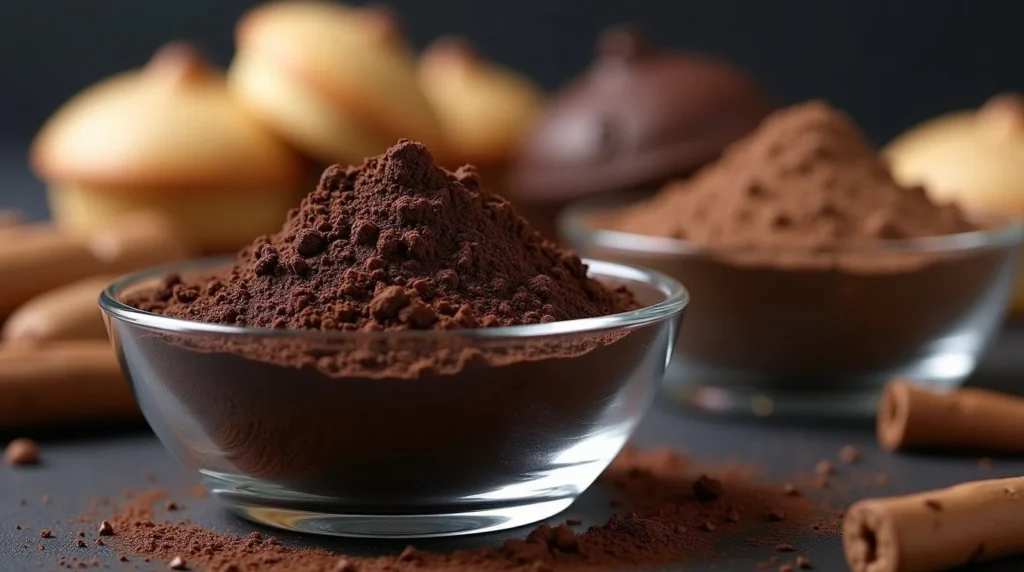
Frequently Asked Questions (FAQ)
Q1: Why should I buy cocoa powder in bulk for confectionery production?
Bulk procurement ensures consistent flavor, texture, cost savings, and uninterrupted production.
Q2: How do I choose between natural and Dutched cocoa powder?
Consider your recipe requirements. Natural cocoa interacts with baking soda for leavening, while Dutched cocoa offers milder flavor and stable color.
Q3: Can MT Royal supply multiple brands for testing?
Yes. We provide a variety of cocoa powders to help manufacturers test quality, taste, and compatibility with production lines.
Q4: Is Latamarko worth the premium for large-scale production?
Premium options like Latamarko are ideal when consistency, color stability, and high-end taste are critical for branded confectionery.
Q5: What storage practices should I follow for cocoa powder?
Keep cocoa in a cool, dry, and dark environment. Avoid humidity and contamination to preserve flavor and quality.
Real-World Anecdotes
We recall a Jordanian chocolate factory that faced inconsistencies in their batch colors and chocolate viscosity. After switching to bulk supplies from MT Royal, with the option to trial Latamarko for high-end products, they reported:
- 30% reduction in production inconsistencies
- Lower wastage and improved yield
- Enhanced flavor consistency across batches
These improvements demonstrate the tangible benefits of sourcing from trusted suppliers and investing in premium-grade cocoa powders for specialized confectionery products.
Closing Thoughts
Selecting Cocoa Powder for Confectionery Jordan is more than sourcing a commodity—it’s about ensuring the backbone of your production line is strong, consistent, and reliable. When manufacturers choose suppliers like MT Royal, they gain access to a range of quality brands, competitive pricing, and technical support tailored to industrial needs.
Premium options, particularly European brands like Latamarko, provide the precision, color stability, and flavor consistency required for high-end products, helping factories maintain their competitive edge. By integrating reliable bulk supplies into your production strategy, you not only safeguard your processes but also enhance your product quality, allowing your confectionery to shine in the marketplace.
Remember: the cocoa powder you choose isn’t just an ingredient—it’s a strategic investment in efficiency, quality, and your brand reputation.
latamarko alkalized cocoa powder lm60
cocoa powder for chocolate production-Best price
Food industry raw materials – list of products
Types of Gelatin from Turkish Manufacturer
Alkalized Cocoa Powder Bulk Supplier


No comment