

If you’re overseeing chocolate production, bakery operations, or beverage manufacturing in the Middle East, sourcing high-quality cocoa powder is more than a procurement decision—it’s a strategic choice that affects flavor, consistency, and production efficiency.
The Middle Eastern market has seen a surge in demand for premium cocoa powders, driven by rising consumption, expanding confectionery industries, and growing expectations for quality and traceability. But navigating international suppliers, import regulations, and brand selection can be challenging.
At MT Royal, we supply manufacturers with a comprehensive range of cocoa powder brands at competitive prices, helping factories secure reliable supply chains. From cost-effective bulk options to premium European brands like Latamarko, we’ve seen production managers benefit from aligning their ingredient choices with operational goals.
In this guide, we explore the fundamentals of cocoa powder imports in the Middle East, compare suppliers and brands, offer actionable procurement advice, and provide insights for optimizing your industrial production.
Understanding Cocoa Powder: Definitions and Fundamentals
What is Cocoa Powder?
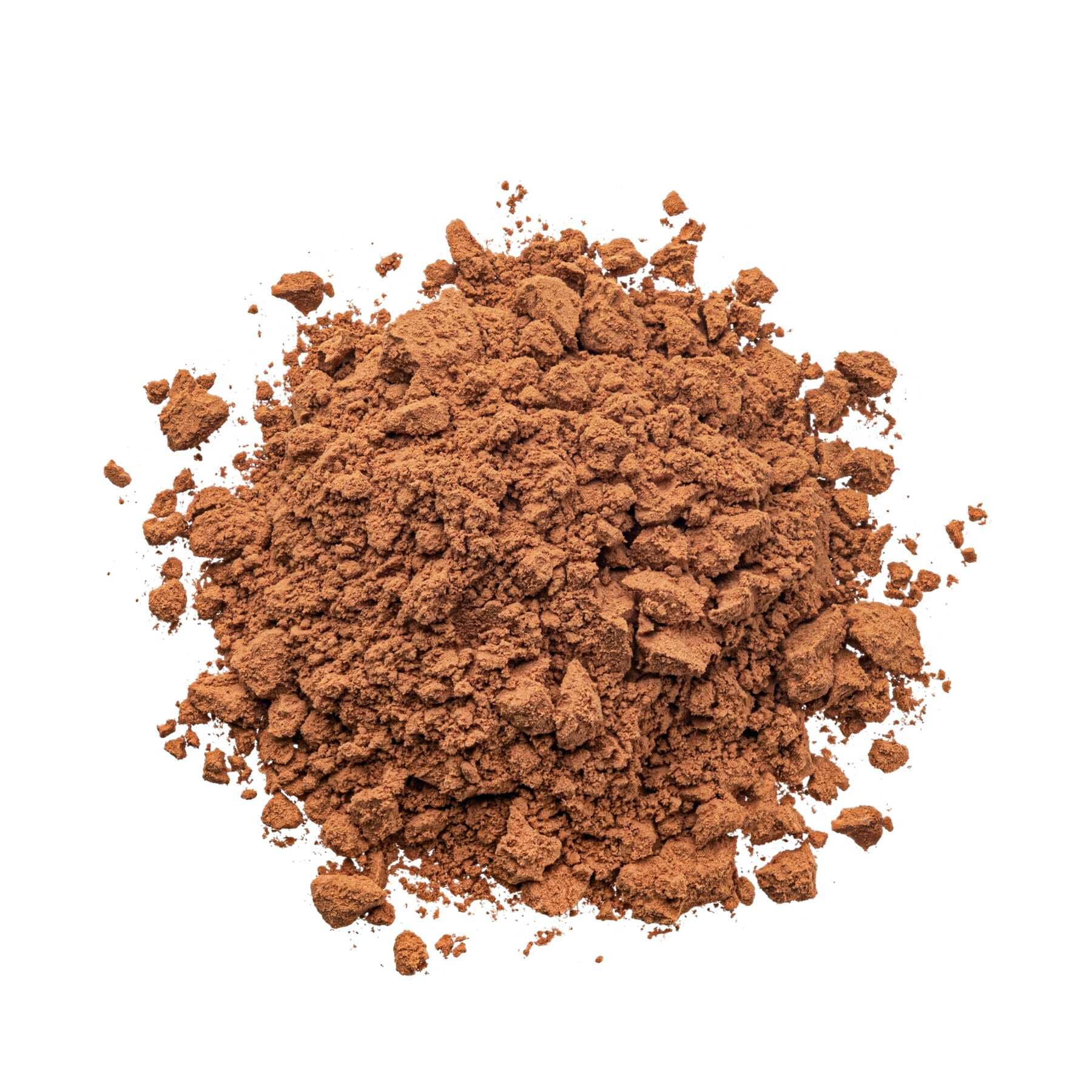
Cocoa powder is produced from roasted cocoa beans, with the fat (cocoa butter) partially removed and the remaining solids finely ground. It is a critical ingredient in chocolate, bakery products, beverages, and industrial coatings.
Key types of cocoa powder relevant to Middle Eastern industrial buyers:
- Natural cocoa powder: Acidic, robust flavor, lighter brown color.
- Alkalized/Dutch-processed cocoa powder: Neutral pH, smoother taste, darker color, preferred for large-scale production due to consistent flavor and solubility.
LSI Keywords: Dutch-processed cocoa, industrial cocoa powder, chocolate manufacturing ingredient, bulk cocoa import, Middle East cocoa supply
Why Industrial Manufacturers Prefer Alkalized Cocoa
- Flavor consistency: Reduces batch-to-batch variations.
- Color stability: Ensures uniform dark brown hues in chocolate and bakery products.
- Improved solubility: Speeds up blending and improves emulsification in beverages and coatings.
From our experience, production lines using high-quality alkalized cocoa powder report fewer adjustments, lower waste, and higher customer satisfaction.
Middle East Cocoa Powder Market Overview
The Middle East is a growing hub for chocolate, confectionery, and bakery manufacturing. Key market drivers include:
- Rising per capita consumption of chocolate and cocoa-based products.
- Expansion of high-end confectionery and premium bakery sectors.
- Growing demand for imported, traceable cocoa powder from European suppliers.
Industrial buyers are increasingly looking for suppliers who can provide both reliable supply and consistent quality. Here, international brands like Latamarko, known for their Spanish engineering and precise quality control, set benchmarks in the premium segment.
Selecting the Right Cocoa Powder Importer
Key Factors to Consider
When sourcing cocoa powder for industrial use, the following criteria are critical:
- Supplier reliability: Consistent delivery schedules prevent downtime.
- Brand variety: Access to mid-tier and premium options ensures flexibility in product lines.
- Traceability and certifications: ISO, HACCP, or other quality standards ensure safe and compliant production.
- Cost efficiency: Competitive pricing without compromising quality is essential for large-scale production.
At MT Royal, we provide a portfolio of cocoa brands at competitive pricing, including premium options like Latamarko, ensuring that manufacturers can balance quality and cost.
Comparing Popular Cocoa Powder Brands for Middle Eastern Manufacturers
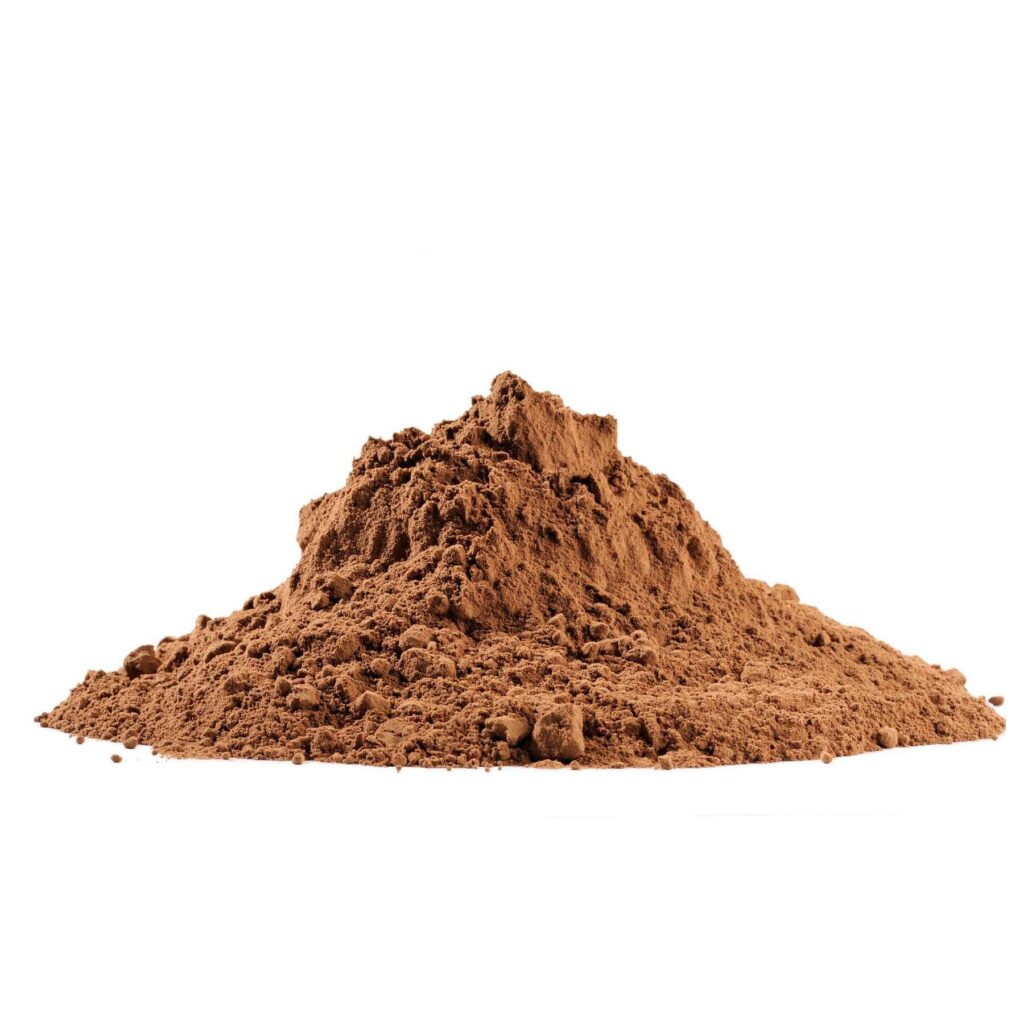
| Feature | Bensdorp | Latamarko |
|---|---|---|
| Origin | Netherlands | Spain |
| Flavor Profile | Smooth, mild | Rich, full-bodied |
| Color Consistency | Good | Excellent |
| Solubility in liquids | High | Very high |
| Particle Uniformity | Moderate | Precise, uniform |
| Ideal Applications | Mass-market chocolate, bakery | Premium chocolate, luxury bakery |
This comparison helps procurement managers make data-driven decisions for large-scale production.
Common Pitfalls in Cocoa Powder Importing
- Overlooking supplier reliability: Even minor delays in shipments can halt production.
- Assuming all alkalized cocoa powders are interchangeable: Flavor, solubility, and pH variations affect recipes.
- Neglecting storage conditions: Moisture or heat can degrade cocoa powder quality.
- Ignoring regulatory compliance: Middle Eastern import regulations vary; failure to comply can lead to fines or shipment delays.
Pro tip: Conduct small-scale trials with any new cocoa brand to ensure compatibility with existing production processes.
Operational Benefits of Premium Cocoa Powders
Why Latamarko Works for High-End Production
- Superior solubility: Reduces mixing times and ensures smooth textures.
- Enhanced flavor profile: Ideal for premium chocolate and bakery lines.
- Traceable quality: Ensures consistent performance for industrial QA standards.
Why Cost-Effective Brands Like Bensdorp Are Valuable
- Reliable bulk supply: Suitable for high-volume chocolate production.
- Predictable mixing properties: Reduces downtime during blending.
- Affordable pricing: Offers cost savings for mid-tier production lines.
Actionable Tips for Factory Managers and Procurement Officers
- Evaluate flavor and solubility: Critical for beverages, coatings, and bakery mixes.
- Check particle size: Uniformity affects texture, emulsification, and final product quality.
- Align with production scale: Premium brands suit high-end products; cost-effective brands fit mass-market lines.
- Monitor supplier compliance: Ensure proper certifications and traceability, especially for European-origin cocoa like Latamarko.
Step-by-Step Guide for Importing Cocoa Powder to the Middle East
- Identify suitable brands: Evaluate based on flavor, solubility, and production requirements.
- Verify supplier credentials: Look for ISO, HACCP, or other relevant certifications.
- Request sample testing: Conduct small-scale trials for quality assurance.
- Finalize import logistics: Consider customs regulations, shipping timelines, and storage requirements.
- Implement QA monitoring: Track batch quality, pH, color, and solubility.
Industrial Use Cases and Anecdotes
- Chocolate manufacturing: Switching to Latamarko improved flavor uniformity in premium chocolate bars.
- Bakery facilities: Using Bensdorp reduced batch-to-batch variation in high-volume cakes.
- Beverage producers: Premium cocoa powders dissolved faster, decreasing mixing times by 10–15%.
These examples highlight how supplier and brand selection directly impact operational efficiency.
Frequently Asked Questions (FAQ)
Q1: What is the difference between Bensdorp and Latamarko for Middle Eastern production?
A: Latamarko offers premium flavor, superior solubility, and traceable quality; Bensdorp provides reliable, cost-effective bulk solutions.
Q2: How should imported cocoa powder be stored?
A: Store sealed, cool, and dry with inventory rotation (FIFO) to maintain quality.
Q3: Are European cocoa powders worth the premium?
A: For high-end products, Spanish-origin Latamarko ensures consistent performance, flavor, and traceability.
Q4: Can cocoa powder brands be used interchangeably?
A: Not always. Differences in pH, flavor, and particle size may affect industrial applications.
Trends in Cocoa Powder Importing in the Middle East
- Sustainability: Rising demand for responsibly sourced cocoa.
- Premiumization: Middle Eastern consumers increasingly prefer high-quality, traceable ingredients.
- Bulk procurement efficiency: Facilities prioritize reliable supply chains and consistent product quality.
MT Royal supports these trends by offering a wide range of brands, reliable logistics, and industrial insights for Middle Eastern manufacturers.
Conclusion
For manufacturers in the Middle East, selecting a reliable cocoa powder importer is more than just finding a supplier—it’s about securing consistent quality, operational efficiency, and long-term profitability.
Working with trusted partners like MT Royal provides access to a spectrum of cocoa powders—from cost-effective bulk brands to premium European options like Latamarko. By understanding market dynamics, testing brands, and implementing robust QA processes, industrial buyers can optimize production, minimize downtime, and deliver exceptional end products.
After all, in industrial chocolate and bakery production, the right cocoa powder importer doesn’t just supply ingredients—it powers your production efficiency and product excellence.



No comment