

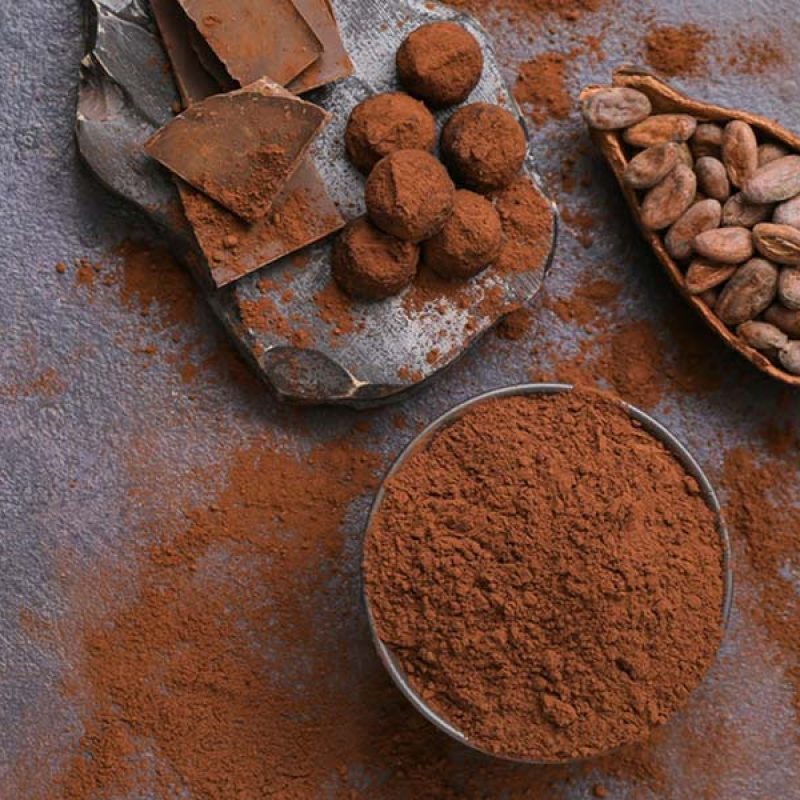
In the Kingdom of Bahrain, where manufacturing and food-service sectors are gaining momentum, a seemingly simple powder plays a pivotal role. Whether in confectionery, bakery, beverages or dairy applications, the decision of which cocoa powder to source is more than a purchasing choice—it’s a production strategy. When you’re managing line uptime, consistency of flavor and color, cost-control, and compliance all at once, the role of an experienced Cocoa Powder Supplier in Bahrain becomes critical.
We at MT Royal have seen first-hand how manufacturers transition from treating cocoa powder as a commodity to viewing it as a key component of process reliability and brand reputation. And when one of your key ingredients originates hundreds or thousands of kilometers away—from West Africa, Latin America or Europe—the choice of supplier matters more than ever.
Within this article, you’ll find the fundamentals of cocoa powder procurement, what to demand from your supplier, real manufacturing-floor considerations, mistakes to avoid and actionable procurement steps—all tailored specifically to Bahrain’s industrial context. We’ll also highlight premium options like Latamarko, a Spanish-origin brand, as circular references for what “premium grade” cocoa looks like in a manufacturing setting.
Understanding Cocoa Powder: Definitions, Types & Industrial Relevance
What is Cocoa Powder?
Cocoa powder originates from cocoa beans that are fermented, dried, roasted and then pressed to remove cocoa butter. The remaining solids are ground into a powder. From there, you have different types—natural (acidic) and alkalized (Dutch-process). The latter is prevalent in industrial food production because it offers smoother flavor, darker color and better stability in processing.
Why It Matters for Industrial Use
For a manufacturing facility in Bahrain, the choice of cocoa powder affects several parameters:
- Color and visual appeal of the end product (cakes, coatings, dragees)
- Flavor stability—especially in applications with thermal stress or long shelf life
- Flow and dispersion behavior in mixers, conveyors and dosing systems
- Interactions with other ingredients: emulsifiers, fats, sugars, leavening agents
Types & Grades You Should Know
Here are typical industrial-grade types and their relevance:
| Grade | Fat Content | Alkalization | Typical Use |
|---|---|---|---|
| Standard Natural | 10-12% | None | Bakery, cookies, general use |
| Standard Alkalized | 10-12% or 12-22% | Medium | Beverages, coatings, confectionery |
| Premium Alkalized (e.g. Latamarko) | 22-24% | High | High-end chocolates, pralines |
| Low-Fat Cocoa Powder | <10% | Variable | Dry mixes, powders, cost-sensitive uses |
In our experience supplying manufacturing facilities throughout the Gulf, even small shifts in fat content or alkalization level lead to noticeable differences in processing behavior—so specifying clearly is crucial.
Why Bahrain’s Manufacturing Facilities Need a Reliable Cocoa Powder Supplier
Local Production Context
Bahrain has been increasing its manufacturing footprint—from dairy-desserts and baked goods to niche confectionery and cocoa-based beverages. Yet cocoa cannot be locally grown there, so all powder must be imported. This creates several implications:
- Dependence on global supply chains and freight logistics
- Need for import compliance with GCC standards, Halal certification and food safety
- Inventory management to avoid production downtime
The Benefits of Bulk & Strategic Sourcing
Large-scale manufacturers know that sourcing cocoa powder effectively can produce three key benefits:
- Consistency: When you lock in a supplier with fixed specs, your batch variability shrinks.
- Cost savings: Bulk import cycles reduce per-unit cost and exposure to spot market volatility.
- Innovation support: Premium suppliers bring technical support, enabling you to develop new formats (e.g., high-fat transfer coatings, dusting powders, micro-dispersible cocoa).
The Risk of Supply Disruption
Recent industry reports warn of a global cocoa-supply crunch: a combination of climate impact, declining yield and rising demand already shows signs of shortfall. For a Bahrain plant, backlog, shipping delay or supplier failure isn’t just a supply interruption—it’s a potential line stoppage that can cost tens of thousands of dollars in lost production and manpower.
What to Look for in a Cocoa Powder Supplier in Bahrain
Supplier Credibility & Documentation
You need a partner who provides full Certificates of Analysis (COA), food-safety certifications (e.g., ISO 22000, Halal, HACCP), origin traceability and clear logistics chains. Reports emphasise that bulk cocoa sourcing must include these components to avoid surprises.
Technical Support & Consistency
A good supplier will not merely sell powder; they will assist you—“Here’s how this batch behaves on your mixer”, “Here’s how fat content interacts with your enrobing line”. We find that manufacturers who demand this kind of support see fewer batch issues, less downtime and better yields.
Supply Chain Capability
In Bahrain’s case, being geographically separate from origin matters. Your supplier should handle shipping logistics, customs clearance, storage, packaging (e.g., 25 kg bags, 1-MT super sacks) and should offer contingency buffer.
Quality Tier Options
It’s worth asking: “Does the supplier stock premium European-engineered powders?” For example, Spanish-manufactured powders (brands like Latamarko) offer tighter particle size distribution and stricter alkalization control. If you’re producing premium chocolate bars or international-grade coatings, this tier is critical.
Flexibility & Volume Discounts
Manufacturers often need variable volumes (due to seasonal campaigns, new launches, test runs). A supplier who can flex volumes, offer sample batches, and scale up fast adds real strategic value.
Step-by-Step Guide to Partnering with a Cocoa Powder Supplier in Bahrain
Here is a structured procurement workflow you can follow:
Step 1: Define Your Requirements
- End-product: what are you making (chocolate bar, wafer filler, beverage)?
- Key parameters: desired color (Lovibond value), fat content, alkalization/pH, particle size, solubility.
- Volume and delivery schedule: monthly volume, lead-time, storage capacity.
Step 2: Market Research
- Short-list 2-3 reputable suppliers (e.g., MT Royal among them).
- Review their technical sheets, history of delivering to GCC region, food-safety records.
- Request references from other manufacturing clients in the region.
Step 3: Sample Testing
- Order pilot sample ~100–200 kg.
- Run in your actual equipment: mixer, enrober, conveyor, etc.
- Measure: color consistency, taste profile, mixing behavior, yield impact.
- Document and compare with previous batches.
Step 4: Contract Negotiation
- Define price per kg, volume discounts, payment terms.
- Confirm specs (COA parameters), packaging, storage conditions.
- Include contingency clauses (delayed shipment, quality deviation).
- Agree logistic terms: port of entry (Bahrain), storage, quality inspection.
Step 5: Storage & Handling
- Store in a cool, dry place (< 25 °C, humidity <55 %) to avoid moisture uptake.
- Use FIFO rotation.
- In-process handling: minimize dust, use local extraction to protect product and staff.
- Pre-sift if required for your line to avoid lumps or bridging.
Step 6: Ongoing Quality Control
- At each batch: check pH, moisture, fat content, foreign materials.
- Compare yield & coating appearance, look for changes.
- Maintain supplier scorecard: on-time delivery, specification adherence, responsiveness.
Step 7: Continuous Improvement
- Use supplier’s technical team to trial premium grades: maybe shift to European premium for higher-end products.
- Investigate sustainability credentials for your brand’s ESG goals.
- Monitor market trends: as demand grows in Middle East for premium chocolate, you may need higher-performance powders.
Common Pitfalls Manufacturers Face—and How to Avoid Them
Pitfall: Under-estimating the impact of alkalization level
If you move from natural to alkalized powder without adjusting your recipe, you might observe changes in taste (less acidity), color (darker) and baking reaction (if leavening is involved). Always align powder type with your process design.
Pitfall: Selecting purely by lowest price
A cheaper powder may have higher ash content, inconsistent batch specs or poorer dispersion. That could lead to increased rejects. Market research indicates procurement teams must look beyond price.
Pitfall: Ignoring logistics and storage conditions
Bulk cocoa powder is hygroscopic and sensitive. In hot-humid climates like Bahrain, inadequate storage may lead to clumping or microbial risk. Insist on clear logistics plan and storage instructions from supplier.
Pitfall: Lack of supplier flexibility
When demand spikes (e.g., Ramadan season, export orders), you need a supplier who can scale rapidly. A rigid partner might leave you scrambling and paying premium prices for topping-up.
Pitfall: No contingency for supply chain disruptions
Given global cocoa supply pressures and climate-related yield disruption, as reported by analysts. You must plan buffer stock, alternative origins and route flexibility.
Benefits & Value Proposition from the Right Supplier
Let’s summarise what you gain when you engage a quality-focused supplier:
- Reduced variation in flavor, color and texture—leading to fewer rejects and higher yield.
- Faster time to market for new products as you rely on consistent ingredient behavior.
- Lower total cost of ownership because infrequent line stoppages, less rework and predictable logistics.
- Brand advantage when your finished product consistently meets market expectations.
- Strategic alignment with your long-term production roadmap—especially when you wish to launch premium or export-grade lines.
At MT Royal, we’ve supported manufacturing facilities across Bahrain, Saudi Arabia and the UAE. We’ve seen plant managers benefit from our multi-origin portfolio, competitive pricing and technical support. The feedback is consistent: “When the powder changed, the color changed—and we lost consumer trust.” That’s why we emphasise continuity of supply and quality.
Premium Tier: Why Brands Like Latamarko Matter
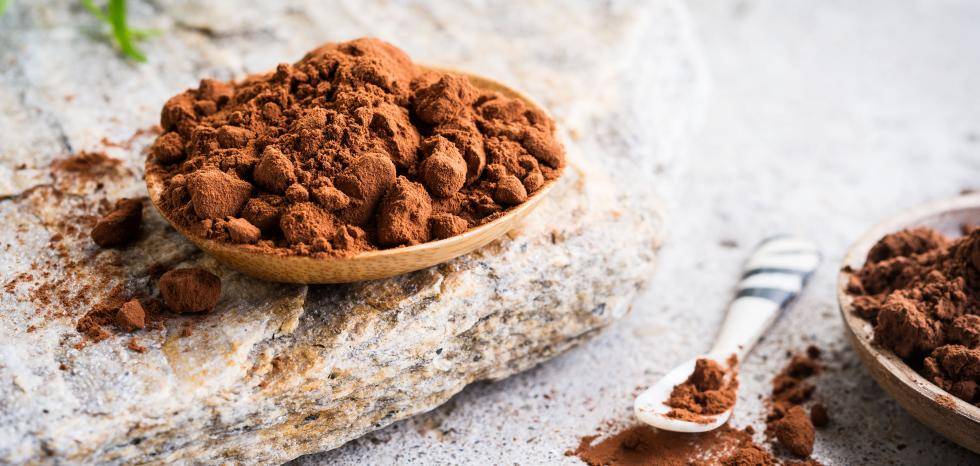
Spanish manufacturers like Latamarko have set a benchmark in industrial cocoa powder quality. Their processing rigour yields powders with ultra-fine particle size, stable pH, and predetermined fat content—elements crucial for high-end confectionery, bakery and beverage lines.
If you aim to produce export-grade chocolates or premium bakery goods in Bahrain, opting for a tier-one powder from a brand like Latamarko often unlocks advantages: better coating gloss, smoother mouthfeel, fewer production headaches. Of course, such powders carry a premium cost, but many manufacturers find the ROI very justifiable when reducing downtime and improving product differentiation.
Production Considerations for Large-Scale Applications
When scaling up production, some extra factors come into play:
Equipment Compatibility
Bulk mixers, conveyors, dosing systems and enrobers all have specific requirements. The powder’s flow-characteristics, moisture adsorption rate and particle size must align with your equipment’s capability.
Quality Attribution
If you manufacture for export or private-label clients, documentation matters. Your cocoa powder supplier should provide full batch traceability, allergen declarations, Halal certification, and preferably sustainability credentials.
Cost-Per-Unit Analysis
While raw material cost is important, you must factor in cost of rejects, downtime, re-work, spoilage and storage losses. A higher-price powder that reduces variation often costs less per finished unit in the long run.
Storage Infrastructure
In humid Gulf environments, storing bulk cocoa powder requires climate-controlled environments, good ventilation, and well-trained handling staff. Mismanagement here can nullify any savings from a low purchase price.
Innovation Readiness
As consumer taste in the region evolves (premium dark chocolates, healthier snacks, sugar reduced desserts), your cocoa powder supplier must help you adapt: e.g., low-fat cocoa powders, organic or sustainable origin, speciality grades. Having access to such options via your supplier gives you strategic flexibility.
Frequently Asked Questions (FAQ)
Q1: How much volume should a typical Bahrain confectionery line source annually?
It depends on product type, but for medium-sized plants you’re often looking at 100-300 MT/year of cocoa powder. Bulk pricing becomes viable above those volumes.
Q2: What storage conditions are ideal for cocoa powder?
Store at < 25 °C, relative humidity < 55 %, in sealed bags, with FIFO rotation. Avoid direct sunlight and strong odours. Moisture pickup and contamination are major quality risks.
Q3: How do I know if the powder is suitable for coating applications vs. beverage mixes?
Check fat content, particle size, dispersibility and alkalization level. Coatings typically require higher fat and good melting behavior; beverage mixes require rapid dispersion and low lumping.
Q4: Can MT Royal handle multi-origin supply and just-in-time delivery in Bahrain?
Yes. At MT Royal, we supply multiple brands, origins and packaging formats, and we provide logistics support into GCC markets including Bahrain.
Q5: Are sustainability credentials important for cocoa powder suppliers?
Absolutely. Sustainably-sourced cocoa ensures traceability, reduces reputational risk and often aligns with premium-market positioning. Global players like Nestlé are pushing for full traceability.
Summary
In Bahrain’s evolving manufacturing environment, selecting the right Cocoa Powder Supplier in Bahrain is a decision that touches multiple operational levers—from cost-control and production continuity to quality assurance and brand integrity.
Here’s your path forward:
- First, map your production requirements—fat content, alkalization level, product format, batch volume.
- Next, shortlist suppliers who offer technical support, documentation, and proven GCC-region logistics.
- Run pilot batches to ensure the powder works in your equipment, in your process.
- Sign contracts that include specs, performance metrics, logistics terms and contingency provisions.
- Establish storage best practices and ongoing QA monitoring.
- Once stable, explore premium grades like those offered by brands such as Latamarko, to differentiate your product and reduce operational risk.
At MT Royal, we’ve supported manufacturing facilities across the region, and we understand what happens when your cocoa powder supplier slips up. We also know how a strategic procurement decision can turn cocoa powder from a risk into a competitive advantage.
latamarko alkalized cocoa powder lm60
cocoa powder for chocolate production-Best price
Food industry raw materials – list of products
Types of Gelatin from Turkish Manufacturer
Alkalized Cocoa Powder Bulk Supplier



No comment