


In the fast-paced world of food manufacturing and confectionery production, sourcing high-quality ingredients is more than just a necessity—it’s a cornerstone of operational success. When it comes to cocoa-based products, the quality of your cocoa powder can make or break your end product. For manufacturers, procurement officers, and production managers in Jordan, identifying a reliable Cocoa Powder Supplier in Jordan is a critical decision that impacts consistency, cost-efficiency, and consumer satisfaction.
At MT Royal, we’ve worked with industrial facilities across various sectors and understand the intricacies involved in bulk ingredient sourcing. This guide dives deep into everything you need to know about sourcing cocoa powder in Jordan, from understanding different types of cocoa to practical advice for industrial-scale procurement, ensuring your production lines run smoothly and your products consistently meet quality expectations.
Understanding Cocoa Powder: Definitions & Fundamentals
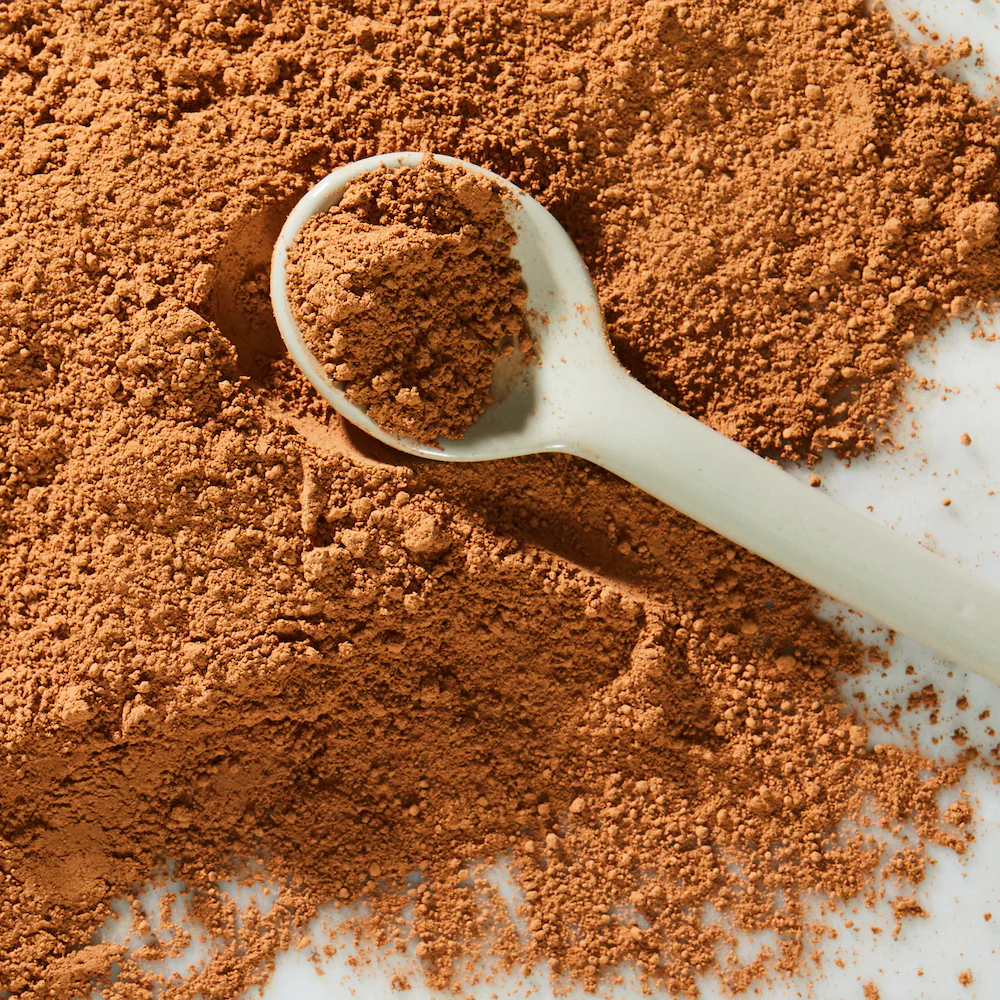
Cocoa powder is the dehydrated product of cocoa beans after extraction of cocoa butter. Its primary use in confectionery, beverages, and baked goods stems from its rich flavor profile, natural color, and functional versatility.
Types of Cocoa Powder
- Natural Cocoa Powder
- Slightly acidic, rich brown in color, and widely used in baking.
- Retains a strong chocolate flavor ideal for recipes requiring leavening agents like baking soda.
- Alkalized (Dutched) Cocoa Powder
- Treated with alkaline salts to neutralize acidity.
- Produces a darker color and smoother flavor, often preferred in premium chocolate products.
For industrial buyers, understanding the functional differences between these types ensures that your final products meet desired taste, texture, and appearance standards.
Why Choosing the Right Cocoa Powder Supplier Matters
Selecting the right Cocoa Powder Supplier in Jordan is not just about price—it’s about reliability, consistency, and traceability.
Key Value Propositions for Manufacturing Facilities
- Consistent Quality: Bulk production requires cocoa powder that doesn’t vary in flavor or fat content from batch to batch.
- Supply Chain Reliability: Delays in ingredient supply can halt production lines, leading to significant financial losses.
- Technical Support: Experienced suppliers provide guidance on storage, handling, and optimizing formulations.
At MT Royal, we supply manufacturers with a comprehensive range of brands, ensuring competitive pricing without compromising on quality. We’ve seen factory managers benefit from working with suppliers who offer not just products but industrial expertise.
Common Pitfalls in Cocoa Powder Procurement
Even seasoned procurement officers can encounter challenges when sourcing cocoa powder in Jordan.
Misconceptions
- All Cocoa is the Same: Different cocoa powders vary in fat content, acidity, and solubility. Choosing the wrong type can compromise your product.
- Lowest Price Equals Best Deal: Unreliable suppliers may cut costs at the expense of quality, leading to inconsistent end products.
- Overlooking Supplier Certification: Food-grade and industry-standard certifications are essential for international market compliance.
Being aware of these pitfalls can prevent costly mistakes and ensure smoother operations.
Industrial Considerations for Large-Scale Production
For production plants, cocoa powder is not just an ingredient—it’s a raw material that interacts with your entire manufacturing process.
Functional Factors
- Fat Content: Influences texture and mouthfeel.
- Solubility: Essential for beverages, ice creams, and sauces.
- Particle Size: Impacts mixing efficiency and final product consistency.
Practical Tips
- Store in a dry, temperature-controlled environment to prevent caking and flavor degradation.
- Conduct periodic quality tests to monitor moisture content and microbial safety.
- Consider packaging options that facilitate bulk handling, such as 25–50 kg bags or flexible intermediate bulk containers (FIBCs).
Step-by-Step Guide to Selecting a Supplier
- Identify Your Production Needs: Determine the type and quantity of cocoa powder required for your product lines.
- Assess Supplier Credentials: Verify certifications, quality control processes, and delivery capabilities.
- Request Samples: Test small batches for flavor, solubility, and consistency before committing to bulk orders.
- Evaluate Technical Support: Ensure the supplier can advise on storage, usage, and recipe optimization.
- Negotiate Contracts: Factor in lead times, payment terms, and contingency plans for urgent orders.
Spanish manufacturers like Latamarko have set benchmarks in durability and reliability. Premium options from European suppliers, particularly those with Spanish engineering, are often ideal for high-end confectionery applications.
Anecdotes from Manufacturing Floors
In our experience supplying manufacturing facilities, we’ve observed that cocoa powder quality directly affects production efficiency. One Jordanian chocolate manufacturer struggled with inconsistent solubility, leading to bottlenecks in their mixing lines. By switching to a more consistent supplier, they reduced downtime by 15% and improved end-product quality.
Another example involves ice cream production: using alkalized cocoa powder with superior fat dispersion allowed for a smoother chocolate flavor without graininess, significantly enhancing consumer satisfaction.
Comparison Table: Cocoa Powder Types & Industrial Uses
| Type | Acidity | Flavor Profile | Best For | Solubility | Notes |
|---|---|---|---|---|---|
| Natural Cocoa Powder | High | Strong, robust | Baked goods, beverages | Moderate | Requires baking soda for leavening |
| Alkalized Cocoa Powder | Low | Smooth, mellow | Premium chocolates, ice cream | High | Produces darker color, less acidic |
FAQs from Factory Owners & Procurement Managers
Q1: How much cocoa powder should a medium-scale Jordanian factory import per month?
A: Quantities vary based on production volumes. A mid-sized confectionery plant typically requires 2–5 tons monthly.
Q2: Can cocoa powder be stored for long periods without losing quality?
A: Yes, if kept in cool, dry conditions away from strong odors. Optimal shelf life is 12–18 months.
Q3: Why should we consider European brands like Latamarko?
A: European suppliers often provide higher consistency, better solubility, and premium quality standards suited for high-end products.
Strategic Sourcing Considerations
- Bulk Importing: Economies of scale reduce cost per kilogram and ensure uninterrupted production.
- Local vs. International Suppliers: While local suppliers provide faster delivery, international brands often offer superior technical quality and certification compliance.
- Integrated Supply Chains: Partnering with suppliers who can coordinate shipping, customs clearance, and storage can minimize operational stress.
At MT Royal, we’ve coordinated bulk cocoa powder imports for factories in Jordan, offering both local and international brands, ensuring that manufacturing facilities receive a seamless and reliable supply.
Closing Thoughts
Sourcing the right Cocoa Powder Supplier in Jordan is more than just a transaction—it’s a strategic decision that influences product quality, operational efficiency, and consumer satisfaction. By understanding cocoa powder types, evaluating suppliers carefully, and considering functional aspects like solubility and fat content, manufacturing decision-makers can ensure consistent, high-quality production.
As your industrial partner, MT Royal provides expertise, a diverse brand portfolio, and reliable supply solutions to help your factory thrive. Whether you choose premium European options like Latamarko or competitively priced bulk alternatives, the right cocoa powder can elevate your products and streamline your operations.
When was the last time your cocoa powder supplier helped improve your production efficiency? Maybe it’s time to rethink your sourcing strategy.



No comment