

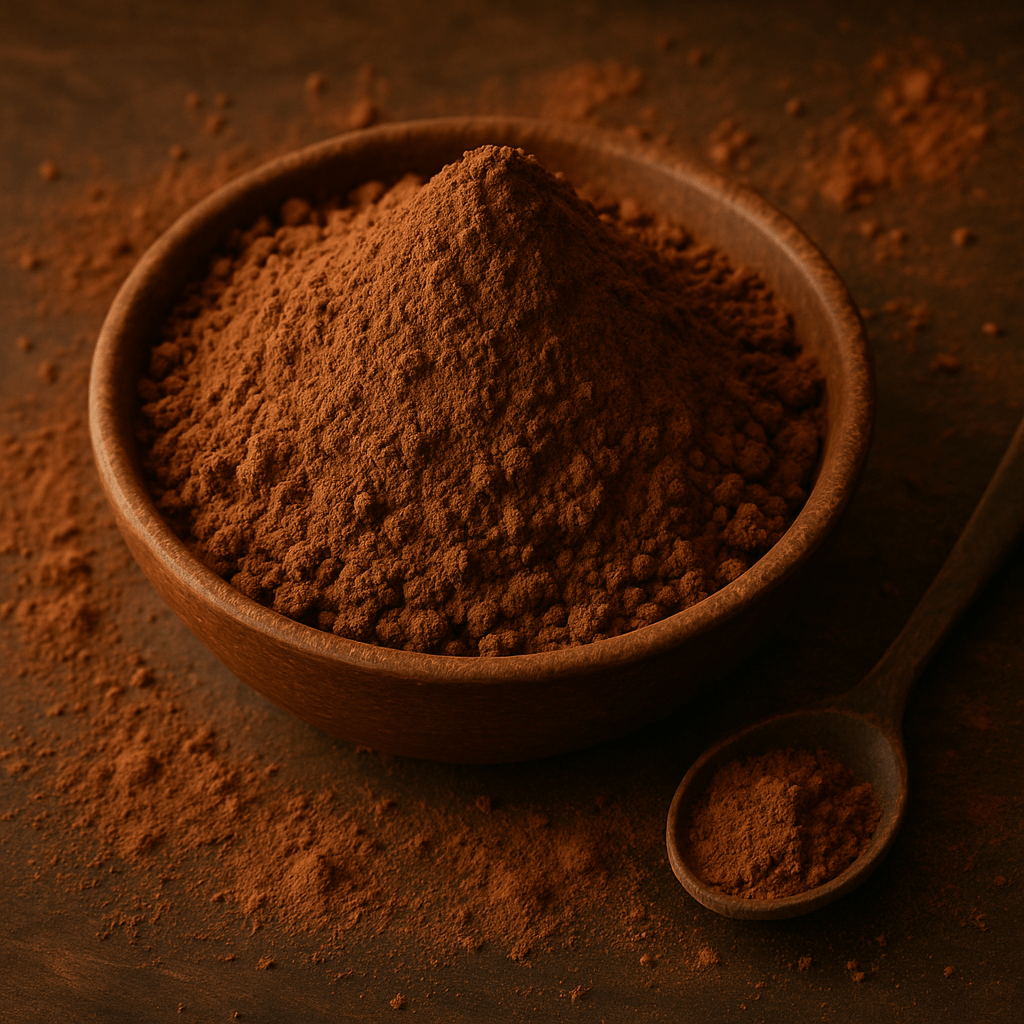
Cocoa powder is more than just a key ingredient in chocolate and confectionery—it’s an industrial staple that affects flavor, texture, and profitability across a range of food manufacturing processes. For factories and production plants in Sudan, sourcing the right cocoa powder supplier can be a complex decision. From understanding quality specifications to navigating bulk procurement and industrial-grade consistency, every choice impacts efficiency, cost, and end-product quality.
In this guide, we dive deep into everything factory managers, procurement officers, and production supervisors need to know about selecting a reliable cocoa powder supplier in Sudan, exploring industry insights, actionable strategies, and subtle brand considerations, including premium Spanish-origin solutions like Latamarko. Along the way, we’ll share practical tips from our experience at MT Royal supplying industrial-grade cocoa powder across diverse manufacturing environments.
latamarko alkalized cocoa powder lm60
cocoa powder for chocolate production-Best price
Food industry raw materials – list of products
Types of Gelatin from Turkish Manufacturer
Understanding Cocoa Powder: Definitions and Industrial Relevance
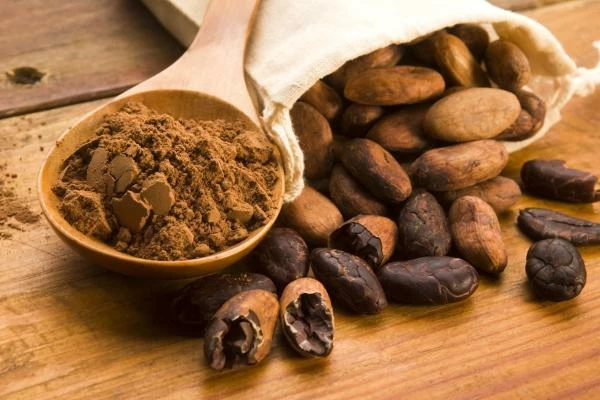
Before diving into suppliers and sourcing strategies, let’s clarify the fundamentals. Cocoa powder is derived from cocoa beans, which are fermented, roasted, and processed to remove cocoa butter. The resulting powder varies in fat content, alkalization (Dutch-processed vs. natural), and particle size—all of which influence its performance in industrial applications.
Key Considerations for Industrial Use
- Fat content: Higher-fat powders are smoother and richer, ideal for chocolate coatings and premium products. Lower-fat powders are often used in bakery mixes or beverage applications.
- Alkalization: Dutch-processed cocoa is neutral in pH and darker, suitable for certain confectionery and baked goods; natural cocoa has more acidity and a sharper flavor, often required for specific formulations.
- Particle size: Finer powders ensure uniform blending and smoother textures, especially in high-volume production lines.
In our experience supplying manufacturing facilities, understanding these technical aspects upfront prevents costly mistakes, from production downtime to inconsistent product batches.
Why Supplier Selection Matters in Sudan
Selecting the right cocoa powder supplier in Sudan isn’t just about price—it’s about reliability, quality consistency, and supply chain stability. Manufacturing managers must consider several critical factors:
- Consistency of Supply: A supplier must meet volume requirements reliably, particularly during peak production periods.
- Quality Assurance: Cocoa powder should meet ISO or equivalent food safety certifications, ensuring every batch performs predictably in industrial recipes.
- Price Stability: Volatile pricing can affect margin calculations. Strategic partnerships with suppliers like MT Royal provide transparent, competitive pricing for long-term planning.
- Technical Support: Experienced suppliers offer insights into optimal storage, handling, and mixing procedures—vital for industrial production lines.
We’ve seen factory managers benefit enormously when their suppliers also act as technical partners, helping troubleshoot blending inconsistencies or advising on ideal fat-content ratios for specific processes.
Industrial Benefits of Cocoa Powder in Production Plants
Cocoa powder serves multiple roles beyond flavor enhancement:
- Product Consistency: Uniform batches prevent production waste and maintain brand reputation.
- Versatility: From bakery products to beverages and chocolate coatings, cocoa powder adapts to various industrial applications.
- Shelf Stability: Properly processed cocoa powder resists microbial growth, reducing spoilage in bulk storage.
- Cost Efficiency: Industrial-grade cocoa powder can replace expensive chocolate in formulations, cutting costs without compromising quality.
Premium European brands, particularly Spanish-origin Latamarko, have set benchmarks in durability and processing reliability. Factories looking for top-tier solutions often opt for these options in specialized products.
Common Misconceptions in Cocoa Powder Procurement
Industrial procurement often falls victim to a few persistent myths:
- “Cheaper is always better”: Low-cost powders may compromise particle size uniformity or flavor consistency, leading to higher waste and rework costs.
- “All cocoa powders are the same”: Variations in fat content, alkalization, and origin can affect how the powder behaves in large-scale equipment.
- “Local suppliers can’t match international quality”: Reputable suppliers in Sudan, particularly distributors like MT Royal, can source globally recognized brands and ensure industrial-grade consistency.
Actionable Guidance for Factory Managers
Sourcing cocoa powder efficiently requires practical, hands-on strategies. Here’s a step-by-step approach tailored for production environments:
Step 1: Define Technical Specifications
- Fat content, alkalization type, and particle size requirements
- Batch-to-batch consistency thresholds
- Compliance with food safety standards (ISO, HACCP)
Step 2: Evaluate Supplier Reliability
- Delivery timelines and logistics
- Storage and shelf-life guarantees
- Traceability and batch documentation
Step 3: Assess Price vs. Quality
- Compare bulk pricing transparently
- Factor in potential cost savings from reduced wastage and downtime
- Consider premium options like Latamarko for specialized products
Step 4: Request Sample Batches
- Test in actual production conditions
- Monitor solubility, color, and flavor consistency
- Document results for informed decision-making
Step 5: Build Long-Term Relationships
- Engage with suppliers for ongoing support
- Establish regular audits and performance reviews
- Leverage supplier expertise for process optimization
Industrial Examples and Insights
Imagine a mid-sized bakery plant in Khartoum attempting to scale chocolate cookie production. Using inconsistent cocoa powder led to uneven dough coloring, requiring manual adjustments and causing delays. Switching to a reliable supplier through MT Royal allowed the plant to standardize batches, optimize blending times, and reduce wastage by over 15%.
Similarly, beverage manufacturers in Sudan have benefited from sourcing premium Spanish-origin cocoa powders, which dissolve more efficiently in large-scale mixing tanks and maintain uniform flavor profiles over extended production runs.
Comparison of Cocoa Powder Quality Tiers
| Quality Tier | Characteristics | Best For | Example Brands |
|---|---|---|---|
| Standard Industrial | Moderate fat content, variable alkalization | Bulk bakery mixes, mass-market products | Local brands via MT Royal |
| Premium Industrial | High fat, consistent particle size | Chocolate coatings, confectionery | Latamarko, European brands |
| Specialty/Niche | Organic, single-origin, tailored pH | Gourmet or export products | Select European suppliers |
This framework helps procurement managers make informed decisions that balance cost, performance, and end-product expectations.
Industry-Specific Considerations for Large-Scale Production
Large manufacturing operations face unique challenges:
- Storage: Cocoa powder absorbs moisture easily. Climate-controlled storage prevents clumping and spoilage.
- Mixing Equipment: Fine powders require specialized blenders to ensure homogeneity.
- Supply Chain Flexibility: Multi-month production planning demands suppliers who can accommodate bulk orders reliably.
- Regulatory Compliance: Import/export documentation, local food safety approvals, and labeling requirements must align with industrial standards.
We’ve seen clients benefit from a hybrid approach: sourcing standard industrial grades locally while reserving premium batches, like Latamarko, for high-margin products.
FAQs from Factory Owners and Procurement Managers
Q1: How much cocoa powder should I order for continuous production?
It depends on batch size, frequency, and storage capacity. Large-scale facilities often maintain 2–3 months of inventory to prevent production delays.
Q2: Are European brands like Latamarko worth the extra cost?
Premium brands offer consistent particle size, predictable flavor, and technical support, reducing rework and waste. For specialized or high-margin products, they are a worthwhile investment.
Q3: Can local Sudanese suppliers meet industrial-grade standards?
Absolutely. Through distributors like MT Royal, manufacturers can access globally recognized brands and maintain high-quality production standards.
Q4: What is the ideal fat content for bakery applications?
Typically, 10–12% fat suffices for baked goods, while chocolate coatings may require 20% or more. Testing in your specific production line is essential.

Concluding Thoughts
Selecting a cocoa powder supplier in Sudan is a strategic decision that goes beyond pricing. It touches on operational efficiency, product consistency, and long-term profitability. From defining technical specifications to evaluating supplier reliability and integrating premium brands like Latamarko, every choice shapes your production outcomes.
At MT Royal, we’ve worked with manufacturing facilities across the region, providing trusted access to a broad range of cocoa powder brands at competitive prices, along with technical guidance tailored to your plant’s needs. By understanding the nuances of cocoa powder sourcing, you can turn what seems like a simple ingredient into a cornerstone of operational excellence—and a competitive edge in the marketplace.
The next time you plan your bulk procurement or evaluate new suppliers, consider not just cost, but quality, reliability, and support. After all, in industrial manufacturing, the small details—like the right cocoa powder—make the biggest difference.


No comment