

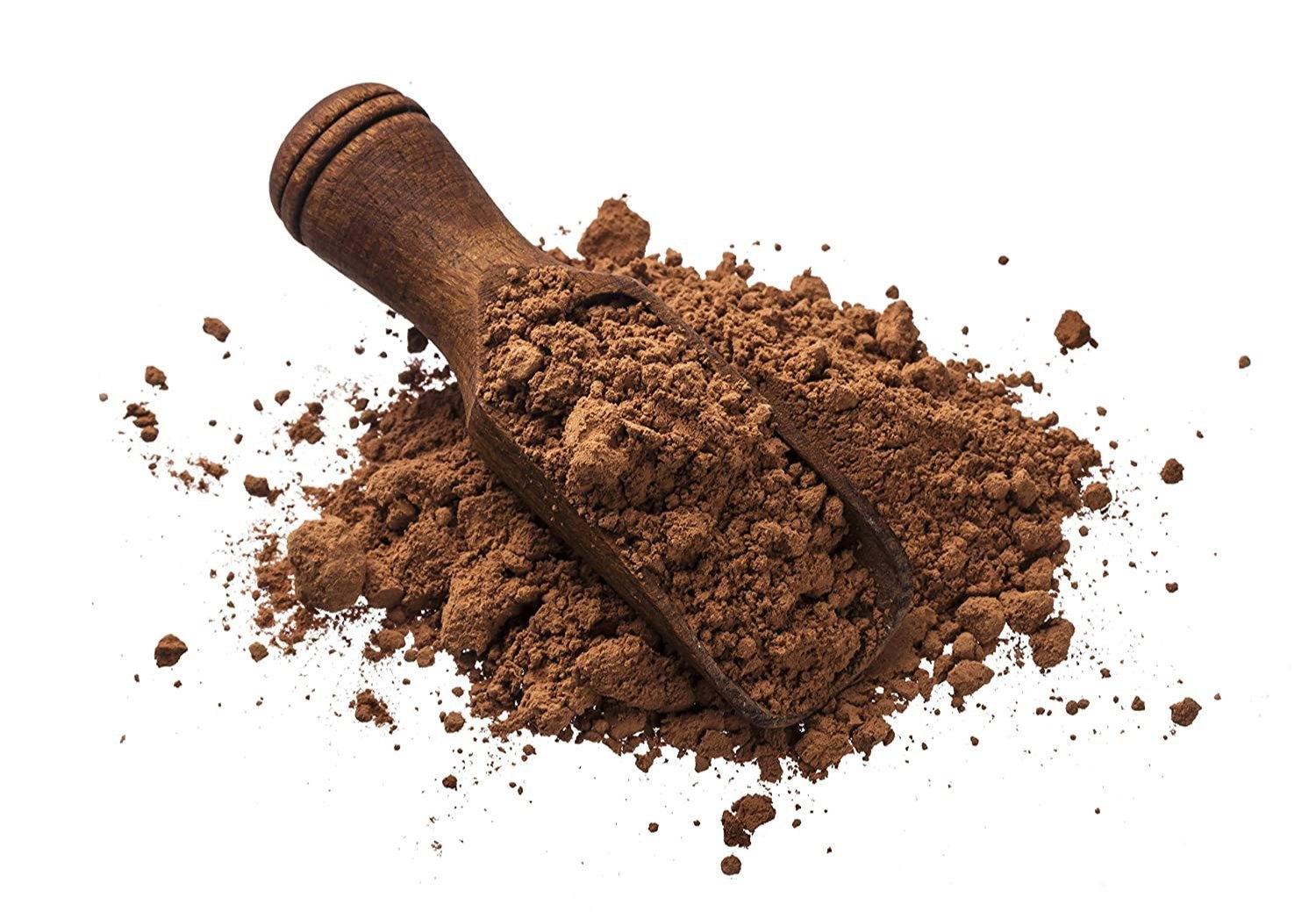
Walking through a bustling chocolate factory in Cairo Industrial Zone, you quickly realize that chocolate production isn’t just about machines and recipes—it’s about the raw materials that feed them. Every batch of chocolate, cocoa drink, or confectionery product relies heavily on the quality and consistency of its ingredients. Among these, cocoa powder plays a pivotal role, influencing flavor intensity, texture, viscosity, and processing efficiency.
For production managers, factory owners, and procurement officers operating in the Cairo Industrial Zone, understanding Cocoa Powder Supply Cairo Industrial Zone is essential. It is not simply a transactional commodity—it is a strategic decision that affects production efficiency, quality consistency, and overall profitability. This guide explores the technical, operational, and procurement aspects of sourcing cocoa powder for industrial use, enriched with actionable insights, real-world considerations, and industry expertise.
Understanding Cocoa Powder: Industrial Fundamentals
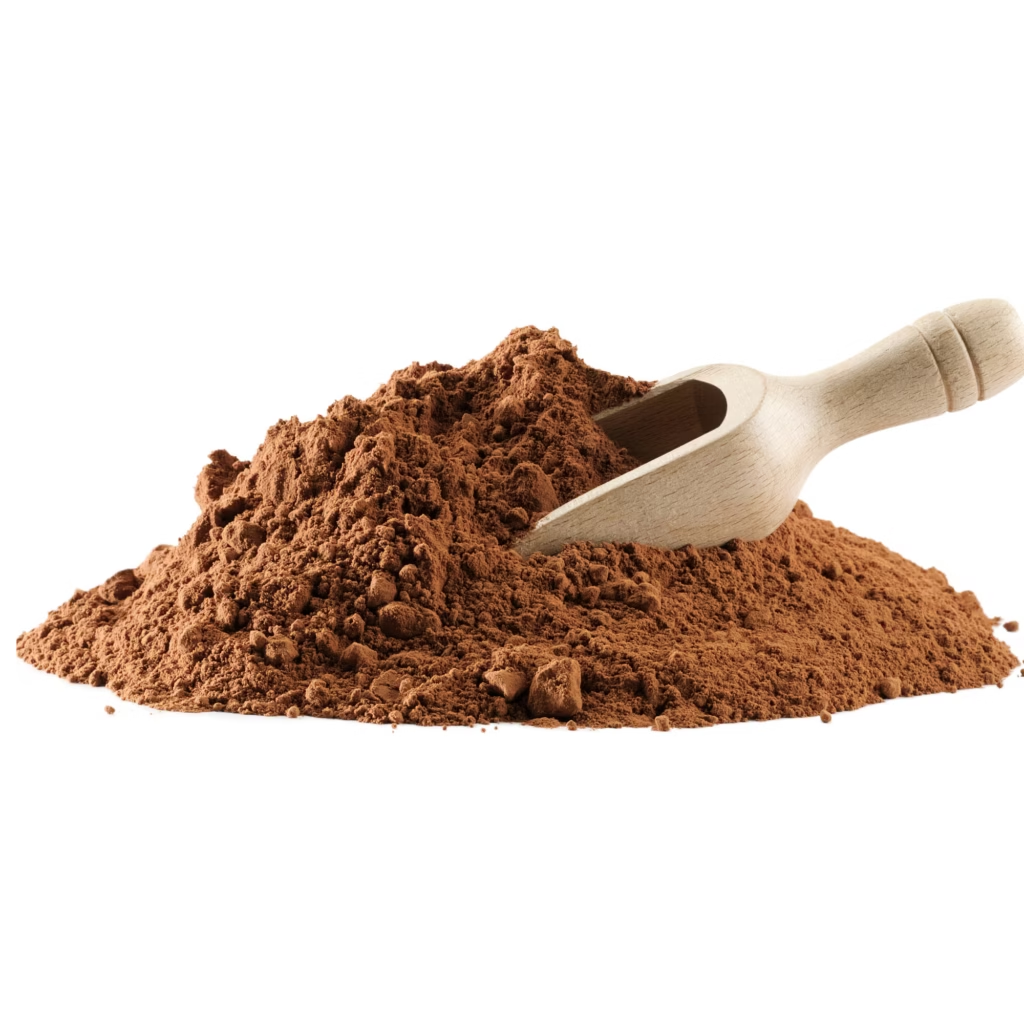
Cocoa powder is produced by pressing roasted cocoa beans to remove cocoa butter and then grinding the resulting cake into a fine powder. Depending on processing and alkalization, cocoa powder can be natural or Dutch-processed.
From an industrial standpoint, cocoa powder influences multiple aspects of chocolate production:
- Flavor strength and consistency
- Viscosity and flow behavior
- Mixing and refining efficiency
- Color uniformity in coatings and fillings
Factories often underestimate the role cocoa powder plays in equipment performance. Powder particle size, fat content, and moisture levels can influence everything from pumpability in automated lines to conching time and final product mouthfeel.
High-quality cocoa powder enables smoother operations, predictable results, and a better final product.
Why Cairo Industrial Zone Presents Unique Considerations
Egypt’s chocolate and confectionery industry faces specific environmental and operational challenges. Factories in Cairo Industrial Zone deal with:
- High ambient temperatures affecting storage and powder stability
- Seasonal humidity fluctuations impacting clumping and flow
- Import dependency for quality cocoa powder
- Energy cost sensitivity, making refining efficiency critical
A cocoa powder shipment with even minor inconsistencies can disrupt production lines. For example, powder with higher moisture content may cause equipment blockages or slower mixing, increasing processing time. Conversely, premium-grade powders maintain consistent behavior, reducing downtime and improving throughput.
We’ve observed factories shift to better-aligned suppliers and see measurable efficiency gains—sometimes improving line performance by over 10% without changing equipment.
Key Technical Parameters for Industrial Cocoa Powder
Fat Content
Fat content determines flowability and viscosity. Powders with consistent fat percentages reduce the need for process adjustments during mixing, refining, and conching.
Particle Size Distribution
Uniform particle size prevents clumping and supports smoother refining. Factories using inconsistent powder often face longer refining cycles, higher energy consumption, and product texture variability.
Moisture Level
Excess moisture affects flow and can lead to microbial growth. Maintaining proper storage conditions in Cairo Industrial Zone is critical to preserve powder quality.
Flavor and Color Consistency
Consistency is crucial for brand reputation. Premium European powders, including Spanish-origin brands like Latamarko, are often prized for tight flavor control, consistent color, and minimal batch-to-batch variation.
Alkalization and pH
Dutch-processed powders alter flavor and color and impact interactions with milk, sugar, and emulsifiers. Understanding these technical differences is essential for predictable industrial performance.
Industrial Benefits of Sourcing High-Quality Cocoa Powder
High-quality cocoa powder affects more than taste—it impacts operational efficiency and cost structure.
Production Efficiency Gains: Consistent powders reduce refining and conching time, minimize process adjustments, and improve pump and enrobing line performance.
Cost Optimization: While premium powders may carry higher upfront costs, they lower energy consumption, reduce scrap rates, and decrease downtime, often resulting in a lower total cost per ton of finished product.
Product Consistency: Reliable powders enable uniform taste, texture, and color across batches, supporting quality assurance and brand integrity.
Common Procurement Pitfalls in Cairo Industrial Zone
Even experienced procurement teams occasionally encounter avoidable mistakes:
- Focusing solely on price per ton: The cheapest powder can lead to hidden production costs.
- Ignoring supplier reliability: Delays or inconsistent shipments disrupt schedules.
- Overlooking storage and handling: Improper storage can change particle flow, fat crystallization, and moisture content.
- Limited technical data: Without particle size, fat content, and moisture reports, predicting industrial behavior becomes guesswork.
In our experience supplying cocoa powders, integrating operational feedback from production teams with procurement decisions is the most effective way to avoid these pitfalls.
Tips for Optimizing Cocoa Powder Procurement
- Pilot Testing: Evaluate powder under actual production conditions for viscosity, refining time, and flavor consistency.
- Supplier Collaboration: Long-term relationships with trusted suppliers such as MT Royal provide technical support and multiple brand options.
- Storage Management: Control warehouse temperature and humidity to prevent moisture absorption or clumping.
- Quality Tier Selection: Allocate premium powders for high-margin products and standard powders for bulk or industrial uses to optimize cost-effectiveness.
Comparing Cocoa Powder Options: Key Parameters
| Parameter | Standard Powder | Premium (Latamarko) | Impact on Production |
|---|---|---|---|
| Fat Content | Variable 10–12% | Consistent 11–12% | Smoother tempering, less reformulation |
| Particle Size | Broad distribution | Uniform fine | Faster refining, smoother texture |
| Moisture | 3–5% | ≤3% | Improved flow, reduced clumping |
| Flavor | Batch variable | Stable | Consistent taste, brand reliability |
| Color | Variable | Consistent | Aesthetic uniformity in coatings |
Choosing the appropriate grade depends on product type, production capacity, and margin goals.
Frequently Asked Questions
How much cocoa powder inventory should factories maintain?
Inventory should cover several weeks of production, considering supplier lead times and warehouse conditions.
Does origin affect industrial performance?
Yes. Different origins influence flavor, fat content, and processing behavior, though supplier consistency can mitigate variation.
Are premium powders worth the cost?
Premium powders often reduce downtime, improve consistency, and enhance product quality, offsetting higher upfront costs.
Can storage conditions impact production efficiency?
Absolutely. Temperature, humidity, and exposure duration influence powder behavior, flow, and tempering stability.
Closing Thought
Sourcing Cocoa Powder Supply Cairo Industrial Zone is more than a purchasing task—it is a strategic decision that influences every aspect of chocolate production. The powders you choose dictate processing efficiency, product consistency, and ultimately, consumer satisfaction. By investing in high-quality, reliable cocoa powders, manufacturers can reduce operational friction, optimize energy and labor usage, and ensure that every batch meets the expected standards.
The question every factory leader should ask isn’t whether cocoa powder matters—it’s whether your current supply is empowering your production lines to operate at their full potential or quietly limiting performance behind the scenes.
LATAMARKO LM60 – Premium Spanish-Origin Cocoa Powder
latamarko alkalized cocoa powder lm60
cocoa powder for chocolate production-Best price
Food industry raw materials – list of products
Alkalized Cocoa Powder Price: Complete Buyer Guide for 2026



No comment