

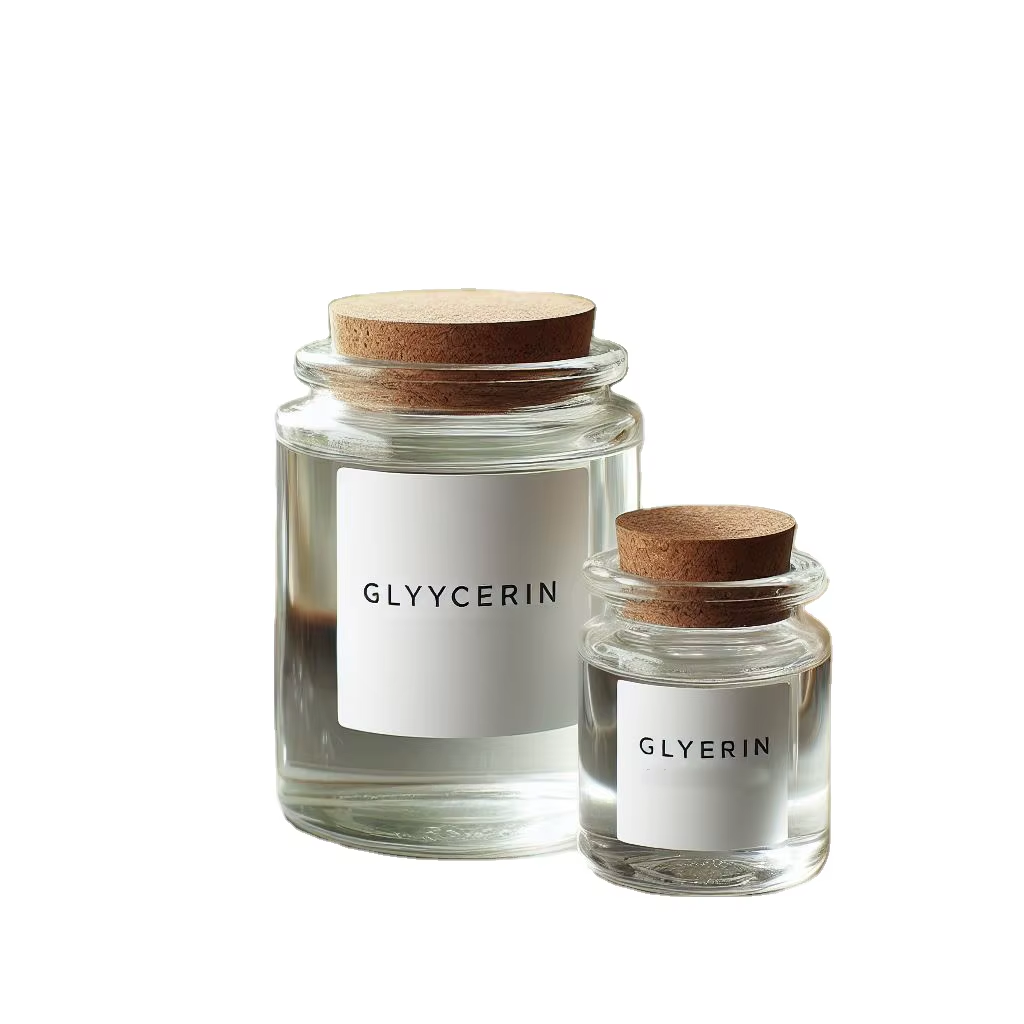
Selecting a reliable Coconut-Based Glycerin Wholesale Exporter is not simply a procurement task — it is a strategic decision that directly impacts your factory’s production quality, regulatory compliance, and operational efficiency. Coconut-derived glycerin has become an essential raw material across multiple industries, from cosmetics and pharmaceuticals to food processing and industrial formulations, because of its purity, renewable origin, and functional versatility.
Manufacturers that depend on humectants, solvents, and stabilizing agents increasingly prioritize plant-based and sustainable inputs. This shift has elevated coconut-based glycerin into a preferred category, particularly for companies seeking consistent quality and regulatory alignment. Suppliers such as MT Royal provide access to multiple brands and grades at competitive pricing, helping procurement teams secure stable supply chains while maintaining flexibility in sourcing decisions.
If your production lines rely on moisture retention, viscosity control, or formulation stability, understanding how to source coconut glycerin correctly can prevent costly disruptions and improve product performance.
What Is Coconut-Based Glycerin?
Coconut-based glycerin, chemically known as glycerol (C₃H₈O₃), is a clear, odorless, hygroscopic liquid obtained through the hydrolysis or transesterification of coconut oil. Its molecular structure contains three hydroxyl groups, which allow it to attract and retain water molecules efficiently. This property makes glycerin highly valuable as a humectant, solvent, and plasticizer across industrial applications.
Unlike petroleum-derived alternatives or mixed vegetable glycerin, coconut-derived glycerin offers a more consistent fatty acid profile and improved sustainability perception, both of which are increasingly important in regulated and consumer-facing industries.
Industries that rely heavily on coconut glycerin include cosmetics, pharmaceuticals, food manufacturing, tobacco processing, coatings, resins, biotechnology, and animal nutrition.
Why Coconut-Derived Glycerin Matters in Industrial Production
From a manufacturing perspective, glycerin plays multiple functional roles simultaneously. It is one of those rare ingredients that quietly supports formulation performance without drawing attention — until something goes wrong.
Below are the primary functional benefits, explained in practical production terms:
- Moisture retention capability allows formulations such as creams, syrups, and gels to maintain stability over time, preventing drying or crystallization during storage.
- Solvent properties enable uniform distribution of active ingredients, particularly in pharmaceutical and cosmetic formulations where consistency is critical.
- Plasticizing behavior improves flexibility in polymers, coatings, and films, reducing brittleness and improving product durability.
- Viscosity modification helps manufacturers control texture, flow behavior, and processing characteristics during mixing and filling operations.
- Stabilization effects contribute to emulsion stability, which is essential for preventing phase separation in complex formulations.
In our experience working with industrial clients, we have observed that factories treating glycerin as a performance ingredient rather than a commodity often achieve better batch consistency and fewer quality deviations.
Industrial Grades and Technical Specifications
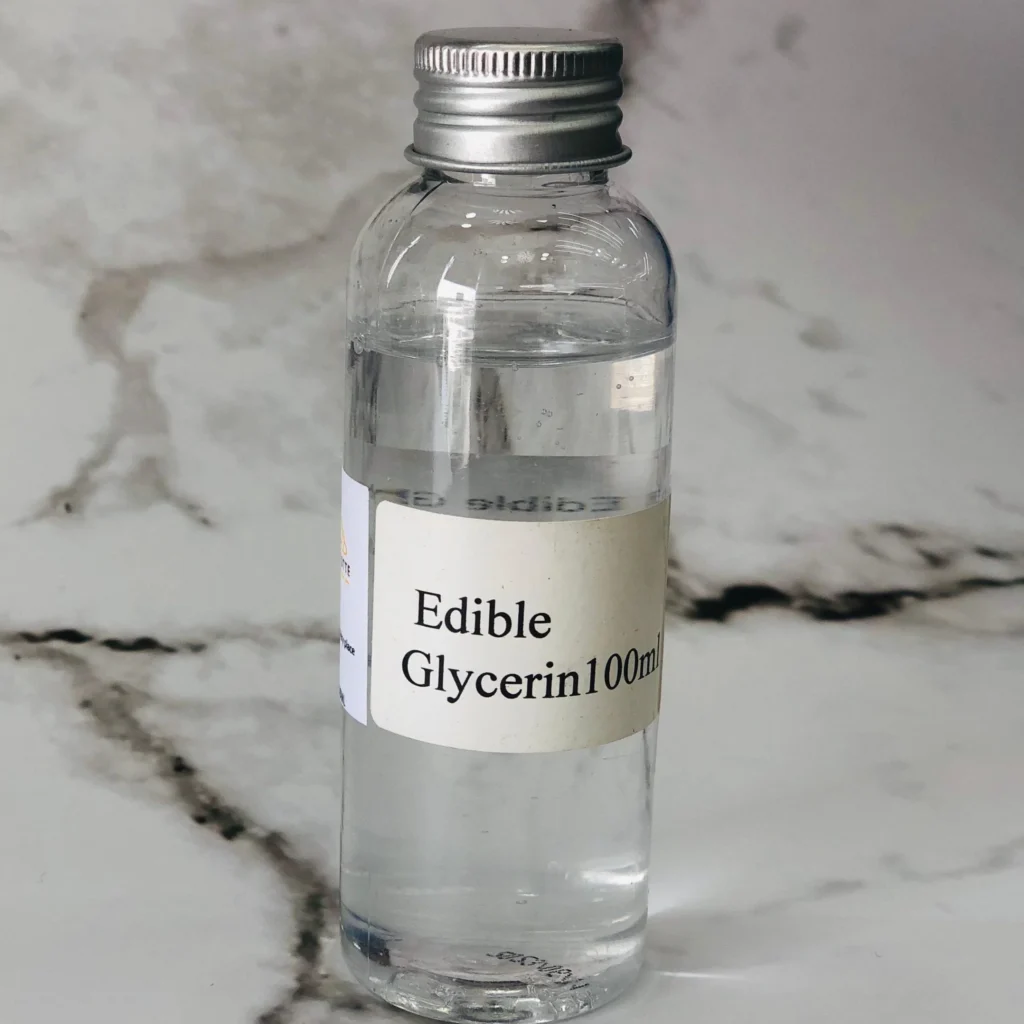
When sourcing from a Coconut-Based Glycerin Wholesale Exporter, selecting the appropriate grade is essential. Different industries require different purity levels and compliance standards.
The table below provides a simplified comparison of common industrial grades:
| Grade Type | Typical Purity | Main Applications | Regulatory Requirements |
|---|---|---|---|
| Pharmaceutical (USP/EP) | ≥ 99.5% | Medicines, syrups, medical products | Strict pharmacopeia compliance |
| Food Grade | ≥ 99.5% | Food additives, beverages, sweeteners | Food safety certifications |
| Cosmetic Grade | ≥ 99% | Skincare, haircare, personal care | Cosmetic regulatory compliance |
| Technical Grade | 95–99% | Industrial chemicals, coatings, lubricants | Industrial standards |
Key parameters procurement teams should evaluate include glycerol content, water percentage, ash residue, heavy metals, chloride levels, and color index (APHA). Consistency across batches is often more important than absolute purity because production stability depends on predictable behavior.
Common Mistakes in Sourcing Coconut Glycerin
Industrial procurement errors can lead to production delays, quality failures, or financial losses. Understanding common mistakes helps factories avoid unnecessary risks.
- Focusing solely on price per ton often ignores the hidden costs associated with inconsistent quality, including reprocessing, downtime, and product rejection.
- Ignoring packaging quality can expose glycerin to moisture contamination during transportation because the material is hygroscopic by nature.
- Not verifying feedstock origin may create regulatory or sustainability compliance issues, especially for manufacturers marketing plant-based or palm-free products.
- Switching suppliers without validation testing can introduce viscosity variations or impurity changes that disrupt production lines.
- Overlooking logistics compatibility with storage infrastructure may result in handling inefficiencies or contamination risks.
We have seen situations where a slightly cheaper shipment ultimately cost significantly more due to filtration problems and production interruptions.
The Role of a Professional Coconut-Based Glycerin Wholesale Exporter
A reliable exporter contributes far beyond supplying raw material. The right partner supports your factory’s operational continuity, technical requirements, and risk management.
Important capabilities to consider include:
- Consistent sourcing from reputable refineries ensures uniform product specifications across shipments, which is critical for stable production outcomes.
- Multi-brand availability provides procurement flexibility and reduces dependency on a single supply chain, which can be valuable during market fluctuations.
- Pre-shipment quality verification minimizes the risk of receiving non-conforming materials that could disrupt production schedules.
- Competitive logistics planning helps optimize transportation costs while maintaining product integrity during transit.
- Regulatory documentation support simplifies compliance audits and import procedures for regulated industries.
- Technical consultation can help manufacturers select the most appropriate grade for specific applications, reducing trial-and-error costs.
Factories working with experienced distributors often gain operational confidence because supply risks become more predictable.
Packaging and Logistics Considerations
Because glycerin absorbs moisture from the air, packaging and logistics decisions are critical for maintaining quality.
Common packaging formats used in industrial supply include:
- Drums (approximately 250 kg) are suitable for moderate consumption factories or pilot production environments where flexibility is required.
- IBC containers (approximately 1,000 kg) provide efficient handling for medium to large-scale operations and integrate well with automated dosing systems.
- Flexitanks enable high-volume transport within shipping containers, reducing cost per ton for international imports.
- ISO tank containers are ideal for continuous production facilities with bulk storage infrastructure, minimizing manual handling.
Proper storage conditions include sealed containers, controlled humidity environments, and compatible tank materials such as stainless steel.
Sustainability and Market Trends
The demand for coconut-based glycerin is influenced by broader global trends toward renewable and sustainable materials. Manufacturers are under increasing pressure from regulators and consumers to adopt environmentally responsible ingredients.
Major trends shaping the market include:
- Growth of natural and organic cosmetic formulations, which favor plant-derived humectants.
- Expansion of pharmaceutical excipient standards emphasizing purity and traceability.
- Increased demand for palm-free alternatives due to environmental concerns.
- Adoption of green chemistry principles in industrial manufacturing.
- Rising consumer awareness regarding ingredient sourcing and sustainability.
Companies that secure sustainable raw material supply chains often strengthen both compliance readiness and brand reputation.
Coconut vs Other Glycerin Sources: Practical Comparison
Procurement teams frequently compare coconut glycerin with other sources. The table below highlights key differences:
| Source | Advantages | Limitations | Typical Use Cases |
|---|---|---|---|
| Coconut-Based | Sustainable, high purity, stable odor | Slightly higher cost | Cosmetics, pharma, premium products |
| Palm-Based | Cost-effective, large supply | Sustainability concerns | General industrial use |
| Synthetic | Consistent composition | Petroleum origin | Specialized industrial applications |
Coconut-derived glycerin is increasingly preferred in high-value applications where purity and sustainability perception are priorities.
Industrial Tips for Production Optimization
Factories can improve operational efficiency when using glycerin by applying several technical strategies:
- Maintaining moderate storage temperatures improves pumpability and reduces energy consumption during transfer operations.
- Installing inline filtration prevents particulate contamination in sensitive formulations, particularly pharmaceuticals and cosmetics.
- Conducting compatibility testing with preservatives or salts avoids unexpected formulation instability.
- Implementing automated dosing systems improves accuracy and reduces raw material waste.
- Monitoring water content during long-term storage ensures specification compliance before production use.
In our collaboration with manufacturers, we have found that small process optimizations around glycerin handling often produce measurable efficiency gains.
Regulatory Documentation Requirements
For regulated industries, documentation is as important as the product itself. A professional Coconut-Based Glycerin Wholesale Exporter should provide comprehensive documentation packages.
Essential documents typically include:
- Certificate of Analysis (COA) confirms batch specifications and ensures compliance with required standards before use in production.
- Safety Data Sheet (SDS/MSDS) provides handling, storage, and safety information necessary for workplace compliance.
- Allergen and Non-GMO statements support regulatory and labeling requirements in food and cosmetic industries.
- Halal or Kosher certificates may be necessary for specific markets or consumer segments.
- Country of origin documentation assists with import procedures and traceability requirements.
Incomplete documentation can delay customs clearance or create regulatory risks during audits.
Frequently Asked Questions from Factory Managers
Is coconut-based glycerin more expensive than other types?
While the price may be slightly higher depending on market conditions, improved consistency often reduces overall production costs by minimizing rework and downtime.
Can coconut glycerin replace palm glycerin directly?
In most formulations yes, but validation testing is recommended to confirm performance compatibility.
What is the typical shelf life?
Generally around 24 months when stored properly in sealed containers under recommended conditions.
How should glycerin be stored in factories?
It should be kept in tightly sealed containers in dry environments, preferably using stainless steel storage systems to prevent contamination.
Which industries benefit most from coconut-derived glycerin?
Cosmetics, pharmaceuticals, food manufacturing, and specialty industrial sectors benefit the most due to purity and sustainability requirements.

Choosing the Right Supplier for Long-Term Success
Selecting a supplier involves evaluating technical capability, logistics reliability, and quality consistency rather than focusing solely on price.
Important evaluation criteria include:
- Supply reliability ensures uninterrupted production schedules and reduces the risk of costly downtime.
- Quality consistency allows predictable formulation behavior and minimizes batch failures.
- Technical support availability helps resolve formulation challenges more efficiently.
- Logistics expertise improves delivery timelines and product integrity during transportation.
- Multi-brand sourcing capability provides procurement flexibility and risk mitigation.
Suppliers offering diversified sourcing options often provide stronger long-term stability for manufacturers.
Strategic Importance for Modern Manufacturing
Raw material sourcing has evolved into a competitive advantage in industrial manufacturing. A dependable Coconut-Based Glycerin Wholesale Exporter supports not only production continuity but also innovation, compliance, and operational efficiency.
Factories that approach glycerin procurement strategically often achieve smoother production cycles, stronger quality control, and improved market competitiveness. Reliable sourcing partnerships reduce uncertainty, allowing manufacturers to focus on innovation and growth rather than supply disruptions.



No comment