

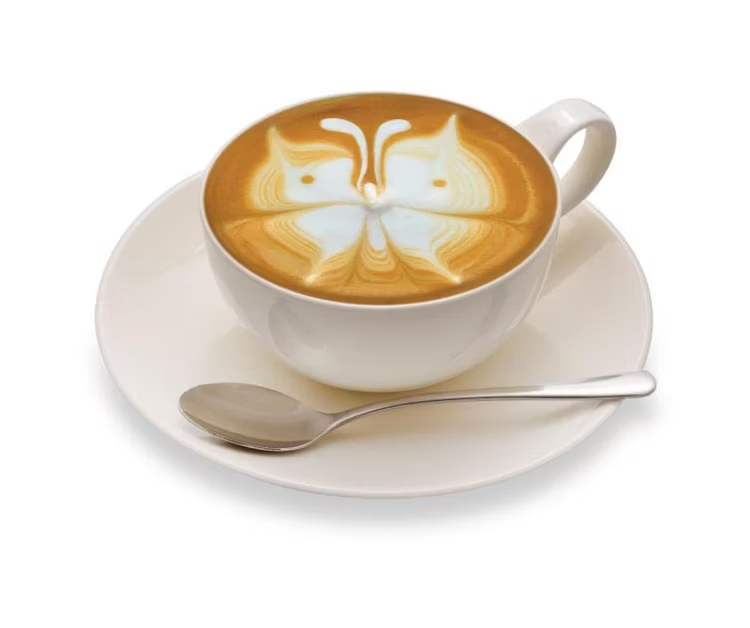
In today’s beverage industry, coffee foaming creamer has become one of the most essential ingredients for producing a rich, visually appealing, and stable foam layer in instant coffee mixes and vending applications. From café-style instant cappuccinos to three-in-one coffee sachets, consumers expect the same creamy froth they enjoy in a freshly brewed cup. For manufacturers, achieving that consistent foam quality requires more than just milk solids — it calls for a well-formulated, high-performing foaming creamer.
At MT Royal, we’ve seen how factories and beverage producers are shifting toward more specialized foaming solutions that not only enhance sensory appeal but also deliver cost efficiency, clean labeling, and product stability. Choosing the right foaming creamer can make all the difference between a good product and a market-leading one.
What Is Coffee Foaming Creamer?
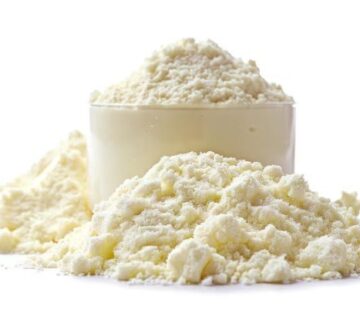
A coffee foaming creamer is a functional powder blend designed to create a stable and creamy foam layer when mixed with hot water or milk in instant beverages. It typically combines hydrogenated or non-hydrogenated vegetable fats, glucose syrup solids, sodium caseinate, and specialized emulsifiers and stabilizers.
When used in coffee or milk tea applications, the foaming creamer disperses evenly and traps air bubbles during agitation, forming a dense foam layer that enhances the drink’s texture and mouthfeel.
This ingredient differs from non-dairy creamers or whiteners in that it prioritizes foam generation and retention over whitening power. While both contribute to creaminess, the foaming creamer focuses on building volume and stability — a critical factor for achieving that signature cappuccino look in instant formulations.
Key Functions and Industrial Benefits
Modern beverage factories rely on coffee foaming creamers not only for appearance but also for sensory and technical performance. The main functions include:
- Foam Formation and Stability: Creates a long-lasting foam layer that resists collapse even after several minutes.
- Enhanced Mouthfeel: Adds creaminess and smooth texture without excessive fat content.
- Flavor Enhancement: Balances bitterness and acidity in coffee, resulting in a more harmonious taste.
- Improved Solubility: Designed for instant dispersion in both hot and warm liquids.
- Shelf-Life Stability: Ensures product consistency and prevents clumping during storage.
Factories that produce instant cappuccino, mocha, or milk tea beverages benefit from higher consumer satisfaction and lower production waste due to better solubility and performance stability.
Understanding the Chemistry Behind a Perfect Foam
The science of foam formation lies in the interaction between proteins and fats. Proteins such as sodium caseinate act as surface-active agents, stabilizing air bubbles in the liquid phase, while fats provide the creamy body and slow the foam collapse.
Foaming creamers are carefully formulated to balance these components, often using emulsifiers like mono- and diglycerides to achieve uniform dispersion. The particle size, fat melting point, and spray-drying process all influence the final product performance.
Our experience at MT Royal shows that subtle formulation adjustments — such as replacing part of the fat source or modifying the carbohydrate base — can significantly improve foam density and color stability. This level of technical precision is why partnering with a knowledgeable supplier matters in large-scale beverage production.
Common Mistakes in Industrial Sourcing
While many purchasing teams focus primarily on price per kilogram, several hidden factors often affect product performance:
- Overlooking fat type: Hydrogenated fats may provide better stability, but modern markets prefer non-hydrogenated, trans-fat-free options.
- Ignoring protein quality: Low-quality caseinate can result in inconsistent foam formation.
- Neglecting compatibility testing: Every coffee blend behaves differently — testing in actual formulations is critical.
- Skipping storage trials: Improperly tested creamers can lead to caking or reduced solubility over time.
We’ve seen factories face product recalls or brand damage due to these avoidable oversights. A careful sourcing process guided by technical understanding always pays off.
Comparing Foaming Creamer Types
Not all foaming creamers perform the same way. Depending on your product requirements, you may choose from several formulations:
| Type | Fat Source | Key Features | Applications |
|---|---|---|---|
| Hydrogenated Fat-Based | Palm kernel oil, coconut oil | Excellent foam stability; traditional choice | Instant cappuccino, mocha |
| Non-Hydrogenated (Trans-Fat-Free) | Palm oil, MCT | Healthier profile, stable at high temperature | 3-in-1 coffee, milk tea |
| Low-Fat Formulations | Modified carbohydrates | Cost-efficient, lower calories | Vending beverages |
| Halal-Certified Variants | Approved fats and proteins | Global compliance and export-friendly | All instant mixes |
Your choice depends on target market, sensory goals, and regulatory needs. For export-oriented manufacturers, Halal-certified and clean-label formulations are increasingly in demand.
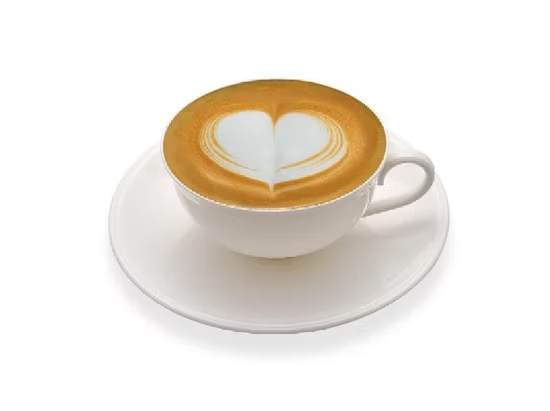
Industrial Tips for Large-Scale Production
When scaling production, consistency and process efficiency are paramount. Here are several expert tips:
- Use pre-mix testing: Always evaluate foam density and height in actual beverage systems before bulk purchasing.
- Control water temperature: For most creamers, optimal foaming occurs between 70–85°C.
- Adjust mixing speed: Foam quality depends on agitation intensity — too strong can cause bubble collapse.
- Monitor fat melting behavior: Ensure that the fat phase remains stable during spray drying and reconstitution.
- Implement real-time QC: Use viscosity and density checks to ensure batch uniformity.
Factories that apply these controls typically achieve up to 15% better foam retention and lower rejection rates in packaging lines.
Market Trends and Innovation Directions
The global market for coffee foaming creamers is evolving rapidly. Several trends are shaping the next generation of formulations:
- Clean label & plant-based ingredients: Demand for non-dairy, allergen-free, and vegan foaming creamers is rising.
- Reduced fat and sugar content: Driven by health-conscious consumers and regulatory limits.
- Micro-encapsulation technologies: Improve foam structure and control release of flavor.
- Sustainability focus: Ethical sourcing of fats and proteins, along with recyclable packaging.
At MT Royal, we partner with top-tier producers who invest in R&D to align with these shifts. We’ve seen beverage brands win new market share simply by switching to cleaner, more efficient foaming systems.
Frequently Asked Questions from Beverage Manufacturers
1. What makes a foaming creamer different from a standard non-dairy creamer?
A foaming creamer is specifically engineered to produce and maintain foam, while standard creamers focus on whitening and taste.
2. Can foaming creamers be used in cold beverages?
Some advanced formulations work in iced drinks, though traditional types are optimized for hot water solubility.
3. How can we ensure long-term foam stability in instant cappuccino mixes?
Proper fat selection, balanced protein ratio, and storage under low humidity conditions are essential.
4. Is Halal certification necessary for export markets?
Yes, especially when selling to regions such as Southeast Asia and the Middle East. MT Royal offers Halal-compliant options.
5. Can MT Royal supply customized blends?
Absolutely. We collaborate closely with manufacturers to match target foam height, taste profile, and solubility based on regional preferences.
Why MT Royal Is the Trusted Source for Coffee Foaming Creamers
We understand that sourcing isn’t just about buying ingredients — it’s about securing reliability, performance, and value. Over the years, we have helped multiple factories transition from inconsistent local supplies to globally recognized foaming systems, optimizing both quality and cost.
MT Royal supplies a range of coffee foaming creamers from reputable international producers, ensuring consistent performance, competitive pricing, and compliance with Halal and international food standards. Our technical support and understanding of beverage processing allow clients to fine-tune formulations efficiently and confidently.
The Takeaway
When a consumer tears open a sachet of instant cappuccino and pours in hot water, the moment that creamy foam rises to the top defines their perception of quality. Behind that moment lies a chain of formulation expertise, ingredient quality, and supply reliability.
By choosing a high-quality coffee foaming creamer, your factory can deliver products that stand out both visually and sensorially — offering rich texture, long-lasting foam, and consistent performance batch after batch. And with a trusted sourcing partner like MT Royal, achieving that standard becomes not just possible, but sustainable.

No comment