


In Saudi Arabia’s bakery sector, ingredient functionality is no longer a secondary consideration. High ambient temperatures, low humidity, extended distribution routes, and increasingly competitive retail expectations have reshaped how industrial bakeries evaluate raw materials. Among these ingredients, dextrose has quietly evolved from a simple carbohydrate into a strategic humectant that directly influences moisture retention, texture stability, and product consistency.
For bakeries operating at scale, especially those supplying packaged bread, cakes, buns, and sweet bakery items across the Kingdom, controlling moisture migration is not optional—it is essential. At MT Royal, we have seen firsthand how the correct use of dextrose can significantly reduce staling, improve mouthfeel, and stabilize production outcomes in challenging climatic conditions. This article explores the role of dextrose as a humectant in Saudi bakery goods, offering practical, technical, and strategic insight for manufacturers seeking reliable performance rather than theoretical formulation promises.
Why Moisture Control Is Critical in Saudi Bakery Production
Saudi Arabia presents a unique operating environment for bakeries. High temperatures accelerate moisture loss, while modern retail distribution often requires longer shelf life without compromising softness or freshness perception. Traditional bakery formulations, especially those relying heavily on sucrose or starch-based bulking agents, often struggle under these conditions.
Moisture loss manifests in several costly ways: crumb firming, surface cracking, reduced elasticity, and accelerated staling. These issues do not simply affect consumer satisfaction; they impact return rates, brand perception, and operational waste. As a result, humectants have become a core component of industrial bakery strategy.
Dextrose stands out in this context because it offers moisture-binding capacity while maintaining clean flavor, predictable fermentation behavior, and compatibility with existing formulations.
Understanding Dextrose as a Humectant: Core Functional Principles
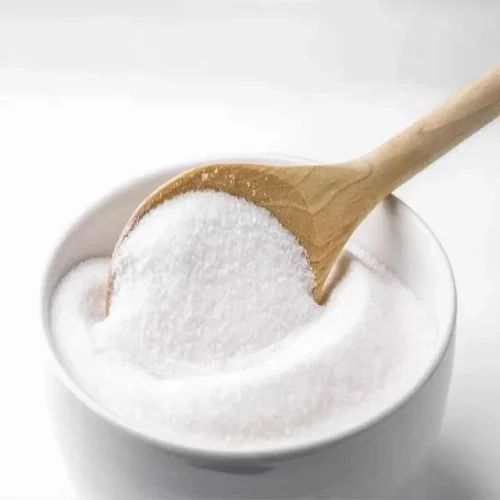
Dextrose, chemically identical to glucose, is a monosaccharide with strong hygroscopic properties. This means it has a natural affinity for water, allowing it to bind free moisture within a food matrix. In bakery applications, this binding effect slows moisture migration from crumb to crust and from product to environment.
Unlike polyols or synthetic humectants, dextrose integrates seamlessly into traditional bakery systems. It participates in fermentation, supports yeast activity, and contributes to browning reactions during baking. This multifunctionality makes it particularly valuable for manufacturers who want to avoid adding excessive functional additives.
From a process perspective, dextrose helps stabilize water activity. Lower water activity reduces microbial risk while maintaining perceived softness. This balance is critical for Saudi bakeries supplying ambient-stable products across wide geographic areas.
Dextrose vs. Other Humectants in Bakery Formulations
Bakery manufacturers often evaluate dextrose alongside alternatives such as glycerol, sorbitol, invert sugar, or maltodextrins. Each has advantages, but also limitations.
Glycerol offers strong moisture retention but can introduce unwanted sweetness or aftertaste if overused. Sorbitol provides humectancy but may raise labeling concerns or digestive tolerance issues. Invert sugar improves softness but can complicate sweetness control and browning intensity.
Dextrose occupies a practical middle ground. Its sweetness is moderate, its labeling is familiar to regulators and consumers, and its functional behavior is well understood by production teams. Importantly, dextrose contributes to dough handling, fermentation control, and crust color in ways that many alternative humectants do not.
For Saudi bakeries aiming to maintain traditional flavor profiles while improving shelf life, this balance is often decisive.
Applications of Dextrose in Saudi Bakery Categories
Pan Bread and Flatbread
In packaged pan bread and flatbread, moisture retention directly affects softness over time. Dextrose helps slow crumb firming by binding water and reducing starch retrogradation. This is especially valuable in products distributed across multiple regions with varying storage conditions.
In flatbread applications, dextrose supports flexibility, reducing cracking during folding or handling. This is critical for products consumed fresh or reheated.
Cakes, Muffins, and Sweet Baked Goods
In sweet bakery items, dextrose enhances moisture retention without excessive sweetness. It contributes to a tender crumb structure and prolongs freshness, particularly in sponge-based products.
Because dextrose participates in Maillard reactions, it also improves surface color and aroma development, enhancing visual and sensory appeal on retail shelves.
Buns and Filled Bakery Products
For buns and filled items, moisture migration between crumb and filling is a persistent challenge. Dextrose helps stabilize moisture gradients, reducing sogginess or drying at interfaces. This results in more consistent bite and longer shelf stability.
Industrial Benefits Beyond Humectancy
While moisture retention is the primary reason dextrose is used as a humectant, its secondary benefits are equally important in industrial bakery production.
Dextrose supports yeast fermentation by providing readily fermentable sugars. This improves gas production consistency and dough rise predictability, particularly in high-speed lines. It also enhances dough machinability, reducing tearing or stickiness during processing.
We have seen that bakeries integrating dextrose strategically often experience fewer line stoppages and more stable dough behavior, especially during seasonal temperature fluctuations.
Common Mistakes in Using Dextrose as a Humectant
Despite its advantages, dextrose is frequently misapplied. One common mistake is assuming higher inclusion rates automatically improve moisture retention. Excessive dextrose can increase stickiness, darken crust color excessively, or disrupt sweetness balance.
Another issue is neglecting interaction effects. Dextrose works in concert with fats, emulsifiers, enzymes, and hydrocolloids. Ignoring these interactions can lead to unpredictable results.
Procurement mistakes also play a role. Variability in particle size, moisture content, or purity can affect performance. Industrial bakeries that source dextrose purely on price often encounter formulation instability.
At MT Royal, we emphasize specification consistency and application-specific guidance to help manufacturers avoid these pitfalls.
Dextrose and Shelf-Life Extension in Saudi Conditions
Shelf life in Saudi Arabia is influenced by temperature, humidity, and distribution logistics. Dextrose helps mitigate these factors by reducing moisture loss and slowing staling kinetics.
By binding water within the crumb, dextrose delays starch retrogradation, one of the primary causes of bread firming. This effect is particularly valuable for products with shelf lives exceeding five to seven days.
Manufacturers supplying modern trade retailers increasingly rely on this functionality to meet freshness expectations without relying solely on preservatives.
Cost Efficiency and Formulation Optimization
From a cost perspective, dextrose offers attractive value. It provides multiple functional benefits within a single ingredient, reducing the need for additional humectants or texture modifiers.
In large-scale operations, this simplification translates into lower formulation complexity, easier quality control, and more predictable cost structures. When sourced through reliable suppliers, dextrose pricing tends to be more stable than some specialty additives.
We have seen factories improve margin stability by optimizing dextrose usage rather than continuously reformulating in response to environmental challenges.
Regulatory and Labeling Considerations in Saudi Arabia
Saudi food regulations place strong emphasis on transparency and safety. Dextrose is widely accepted and easily declared, making it suitable for products targeting both domestic and export markets.
For bakeries serving halal-sensitive markets, dextrose presents minimal compliance risk when sourced from reputable suppliers with proper documentation. Clear certificates of analysis and origin support regulatory approval and customer confidence.
Supply Chain Considerations for Industrial Bakeries
Consistent supply is critical. Interruptions in dextrose availability can force last-minute reformulations, increasing operational risk. Strategic sourcing involves more than securing volume; it requires understanding lead times, packaging options, and logistics reliability.
MT Royal works with multiple producers and brands, allowing flexibility in supply and pricing. This approach reduces dependency risk and supports long-term planning for industrial bakeries.
We have observed that manufacturers who treat dextrose sourcing as a strategic function experience fewer disruptions during peak demand periods.
Frequently Asked Questions from Bakery Managers
Many production managers ask whether dextrose can replace other humectants entirely. In most cases, it works best as part of a balanced system rather than a single solution.
Another common question concerns sweetness impact. Because dextrose is less sweet than sucrose, it often allows for better control over flavor profiles while improving functionality.
Managers also ask about process adjustments. Typically, only minor mixing or baking parameter tweaks are required when dextrose is integrated thoughtfully.
Strategic Insight: Turning Climate Challenges into Competitive Advantage
Saudi Arabia’s climate is often viewed as a constraint, but forward-thinking bakeries use it as a driver for formulation innovation. By leveraging functional ingredients like dextrose, manufacturers can deliver consistent quality despite environmental stressors.
We have seen bakeries transform moisture control from a chronic problem into a competitive differentiator. Products that stay soft longer, look better on shelves, and perform reliably build stronger brand loyalty.
This shift requires technical understanding, supplier collaboration, and a long-term view of ingredient strategy.
The MT Royal Perspective on Dextrose in Bakery Systems
From our experience working with industrial bakeries, success lies in alignment between formulation goals and supply strategy. We have seen that when dextrose is selected with clear functional intent, it delivers measurable operational benefits.
We have worked with factories that reduced returns, stabilized shelf life, and simplified formulations by rethinking how they use dextrose. These outcomes are not accidental; they result from informed decisions and reliable partnerships.
MT Royal’s role is to support manufacturers with consistent supply, competitive access to multiple brands, and practical insight drawn from real production environments.
Looking Ahead
As consumer expectations continue to rise and retail distribution networks become broader and more demanding, bakeries in Saudi Arabia will face increasing pressure to deliver products that remain soft, stable, and visually appealing throughout their intended shelf life. Climate challenges, longer transportation routes, and tighter retailer specifications mean that formulation resilience is no longer a competitive advantage—it is a baseline requirement.
In this context, dextrose will continue to play a central role in bakery innovation. Its ability to manage moisture, support structural integrity, and contribute to consistent processing makes it a dependable solution for manufacturers seeking long-term stability rather than short-term fixes. As production volumes grow and product portfolios expand, the predictability offered by well-applied humectants becomes even more valuable.
Manufacturers who take the time to understand dextrose not merely as a sweetener, but as a functional component of a broader formulation strategy, will be better equipped to scale efficiently, reduce waste, and respond to market changes with confidence. In contrast, operations that rely on reactive reformulation—adjusting recipes only after quality issues appear—often face recurring inconsistencies, higher costs, and greater operational strain.
The future of bakery production in Saudi Arabia will favor those who approach formulation with foresight, technical clarity, and reliable supply partnerships. In that landscape, dextrose is not just an ingredient—it is part of the structural foundation for sustainable, competitive bakery manufacturing.


No comment