

In every industrial food, pharmaceutical, and chemical processing facility, ingredient sourcing is much more than a checklist item—it’s a strategic pillar of operational excellence. When your production lines depend on consistent quality, predictable performance, and reliable logistics, the choice of suppliers can make or break your efficiency, regulatory compliance, and final product quality. Among the foundational ingredients that drive formulation outcomes across industries, dextrose monohydrate stands out for its functional versatility, cost-effectiveness, and widespread use. For factories and manufacturers looking to secure stable supplies at scale, partnering with the right Dextrose Monohydrate Bulk Supplier is not just smart planning—it’s essential to long-term success.
At MT Royal, we’ve worked with manufacturers across food processing, nutraceuticals, bakery production, beverage formulation, and pharmaceutical APIs. In our collaboration with various factories, we have seen that facilities that prioritize supplier reliability and technical documentation for ingredients like dextrose monohydrate enjoy fewer supply disruptions, smoother regulatory audits, and stronger process control. This comprehensive guide dives into what dextrose monohydrate is, why it matters in industrial formulations, how to avoid common sourcing pitfalls, and how to integrate it strategically into large-scale production systems.
Bulk dextrose supply for Palestine’s sweets and snacks industry
Understanding Dextrose Monohydrate: Definitions and Fundamental Concepts
What Is Dextrose Monohydrate?
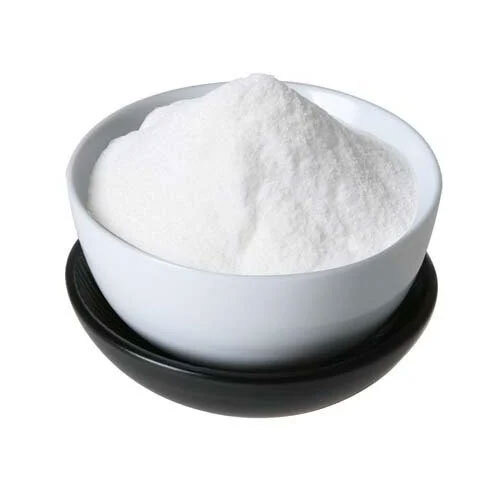
Dextrose monohydrate is the crystalline form of glucose—one of the simplest and most functional carbohydrates in industrial use. Chemically, it consists of glucose molecules bound with a single molecule of water (hence “monohydrate”), forming crystalline particles that are highly soluble, stable, and easy to handle in bulk. Its chemical formula is C6H12O6·H2O, and its purity and physical attributes make it indispensable for a range of manufacturing applications.
In technical terms, dextrose monohydrate is valued for its predictable hygroscopicity, solubility profile, sweetness contribution, and metabolic behavior. It is often used where rapid dissolution, caloric contribution, or crystallization control is required. Because of these attributes, the selection of a reliable Dextrose Monohydrate Bulk Supplier can have cascading effects on your product quality and production efficiency.
Functional Uses Across Industries
Dextrose monohydrate holds functional significance in multiple industrial domains:
- Food and Beverage: As a fermentable sugar in brewing, a sweetness modifier in soft drinks, and a browning agent in bakery products.
- Pharmaceuticals: As a bulking agent, excipient, or carrier in tablets, syrups, and parenteral solutions.
- Chemical Production: As a precursor in fermentation processes, organic acid production, and intermediate syntheses.
- Nutraceuticals and Supplements: In energy gels, sports drinks, and rapid-calorie formulations.
Its versatility is rooted in predictable performance across heat profiles, pH ranges, and enzymatic reactions—attributes manufacturers depend on when scaling recipes from pilot to full production.
Key Properties That Drive Industrial Preference
Several physical and chemical properties make dextrose monohydrate suitable for large-scale manufacturing:
- High solubility: Ensures rapid dissolution across liquid systems.
- Controlled sweetness: Provides predictable flavor without overpowering other components.
- Fermentability: Supports yeast and bacterial metabolism in fermentation industries.
- Crystallization behavior: Helps control texture in confections and baked goods.
Understanding these properties allows production teams to optimize processing conditions and achieve consistent product characteristics.
Why a Strong Dextrose Monohydrate Bulk Supplier Matters
Operational Continuity and Predictability
At the industrial scale, ingredient variability can translate into production variability. Inconsistent batches of dextrose monohydrate—especially from unreliable suppliers—can affect dissolution rates, sweetness levels, and even fermentation outcomes. Partnering with trusted suppliers ensures consistency in particle size distribution, moisture content, and purity, which stabilizes process parameters and minimizes rework.
Regulatory Compliance and Documentation
Manufacturers operating in regulated environments need robust documentation. Whether you’re producing consumables for the FDA-regulated U.S. market or exporting ingredients subject to EFSA standards in the EU, having a supplier that provides authoritative certificates of analysis (CoAs), traceability records, and compliance documentation streamlines audits and certification processes.
MT Royal works with global partners who understand these regulatory landscapes, supplying dextrose monohydrate that meets food-grade, pharmaceutical-grade, or industrial specifications as required.
Common Mistakes in Industrial Sourcing
Even experienced procurement teams fall into predictable traps when sourcing bulk ingredients like dextrose monohydrate. Recognizing these pitfalls can prevent costly disruptions.
Mistake 1: Prioritizing Price Over Technical Performance
While competitive pricing is important in bulk procurement, basing purchasing decisions solely on unit cost can backfire. Ultra-low-price bids may come with hidden costs: inconsistent quality, higher moisture content, wider particle size variance, or inadequate documentation. These factors can compromise dissolution rates, fermentation performance, or powder flow during dosing—a reminder that total cost of ownership matters more than unit price alone.
Mistake 2: Overlooking Supplier Certifications and CoAs
Some suppliers provide minimal quality documentation, or analytical methods that lack transparency. Without detailed certificates of analysis that align with your regulatory requirements and quality standards, your factory risks noncompliance or product recalls. Always ensure suppliers include parameters such as moisture content, particle distribution, residual impurities, and heavy metal limits.
Mistake 3: Neglecting Supply Chain Resilience
Global supply chains have been under stress in recent years. Factories that lack diversified supplier bases or fail to assess geographic risks may experience production stoppages due to logistics delays or raw material scarcity. Partner with a Dextrose Monohydrate Bulk Supplier that demonstrably manages risk, maintains safety stock, and provides alternative sourcing strategies.
Mistake 4: Inadequate Handling and Storage Planning
Dextrose monohydrate is hygroscopic and can cake or clump when exposed to humidity. Inadequate planning for storage—especially in humid environments—can result in quality degradation before the ingredient even enters production. Facilities should implement appropriate storage conditioning and handling protocols to preserve product integrity.
Industrial Comparisons: Where Dextrose Monohydrate Stands
To help manufacturers weigh dextrose monohydrate against other sweeteners or carbohydrate sources, consider the following comparisons:
| Feature | Dextrose Monohydrate | Sucrose | Corn Syrup | Maltodextrin |
|---|---|---|---|---|
| Sweetness (Relative) | Mild | High | Moderate | Low |
| Fermentability | High | Moderate | High | Moderate |
| Solubility | Rapid | Moderate | High | High |
| Crystallization Control | Good | Excellent | Variable | Good |
| Browning Potential | High | High | Moderate | Low |
| Cost Efficiency (Bulk) | High | Moderate | High | High |
This table illustrates why dextrose monohydrate often occupies a specific functional niche in formulations. Its mild sweetness makes it suitable for products where intense sugar notes are undesirable, while its rapid solubility and fermentability make it ideal in both beverage and fermentation industries.
Specialized Industrial Tips for Large‑Scale Production
Manufacturing at scale introduces specific challenges—and opportunities—for optimizing the use of dextrose monohydrate.
Tip 1: Understand Particle Size Distribution
Particle size affects dissolution rate, flowability, and dosing accuracy. For liquid formulations, finer particles dissolve more readily but can cause dusting issues during dry handling. Coarser particles may flow better but dissolve more slowly. Work with suppliers who can tailor particle size distribution to your application needs.
Tip 2: Control Moisture Content and Hygroscopicity
Hygroscopic behavior affects how dextrose monohydrate interacts with environmental humidity. Crystallized dextrose can absorb moisture and cake, impacting flow and uniform dosing. Employ controlled humidity storage, desiccated handling areas, and real-time moisture monitoring to preserve quality.
Tip 3: Tailor Addition Points in Process Flows
The point at which dextrose monohydrate enters your production line affects performance outcomes. For example, pre-dissolving in warm water streams before high-shear mixing ensures uniform distribution; in contrast, late-stage addition in a recipe may affect final texture or sweetness differently. Testing and refining these steps can yield consistent results across batches.
Tip 4: Use Analytical Monitoring for Process Control
Routine testing—such as refractive index assessments, moisture checks, and microbiological screening—can detect batch deviations early. Incorporating in-line sensors in liquid streams can also help monitor dissolution progress and detect variations without halting production.
Frequently Asked Questions from Procurement and Production Teams
How Do I Verify the Purity of Bulk Dextrose Monohydrate?
Robust suppliers should provide a comprehensive Certificate of Analysis that details moisture content, glucose purity, ash content, and heavy metal limits. Independent third-party testing offers additional assurance and strengthens compliance documentation.
What Are Typical Industrial Usage Levels?
Usage levels are highly application dependent. In fermentation, dextrose may comprise a significant substrate fraction; in baking, it may be a minor sweetness modifier. Always align usage rates with functional goals and sensory benchmarks.
Is Bulk Dextrose Monohydrate Suitable for All Food Categories?
Yes—with proper regulatory documentation. For pharmaceutical applications, confirm compliance with pharmacopeia standards; for food, ensure adherence to food additive regulations in target markets.
How Should I Store Bulk Dextrose Monohydrate?
Maintain dry, cool, and humidity‑controlled storage. Pallets and sacks should be kept off the floor, and humidity should be monitored to prevent caking. Rotate stock regularly to manage shelf life and maintain freshness.
Can Dextrose Monohydrate Affect Fermentation Performance?
Absolutely. Its fermentable nature makes it a key substrate for microbial cultures. Variations in solubility or impurity levels can influence fermentation kinetics—underscoring the importance of consistent supplier quality.
Emerging Trends and Industry Insights
Shift Toward Functional Carbohydrates
Beyond sweetness, carbohydrates like dextrose monohydrate are being reclassified for their functional roles—such as energy delivery in sports nutrition or controlled browning agents in bakery products. This shift broadens demand and requires deeper formulation insights.
Supply Chain Transparency as a Competitive Edge
Consumers and regulators increasingly demand traceability. Manufacturers now prioritize suppliers who provide transparent documentation—batch origin, production processes, and quality guarantees—turning compliance from a cost center into a competitive advantage.
Sustainability and Raw Material Sourcing
Global pressures on agricultural inputs are prompting manufacturers to scrutinize the sustainability of carbohydrate sources. Corn, which often underpins dextrose production, is subject to climate variability and supply fluctuations. Partnering with suppliers who manage sustainable sourcing and risk mitigation enhances resilience.
Strategic Procurement: What Manufacturers Should Look For
Selecting a Dextrose Monohydrate Bulk Supplier isn’t just about price—it’s about alignment with your operational, regulatory, and quality objectives. Consider the following criteria:
- Consistency in Quality: Verified by detailed CoAs and analytical transparency.
- Supply Reliability: Stable lead times and contingency planning.
- Technical Support: Willingness to assist with particle size tailoring, documentation, and application insights.
- Regulatory Compliance: Ability to meet global standards relevant to your markets.
- Cost Efficiency: Total cost of ownership, not just unit price.
MT Royal partners with multiple leading suppliers to offer dextrose monohydrate that meets diverse industrial specifications, backed by documentation and supply chain support.
Reflection for Manufacturers and Leaders
Choosing the right Dextrose Monohydrate Bulk Supplier is a strategic investment in quality, compliance, and operational resilience. Robust sourcing, coupled with informed integration into your production systems, creates a foundation for predictable performance, lower waste, and confident expansion into global markets. We’ve seen firsthand how manufacturers that prioritize supplier partnerships and technical understanding of ingredient behavior achieve superior outcomes—whether that’s a consistent bakery texture, reliable fermentation yield, or streamlined pharmaceutical excipient profile.
Your next production run shouldn’t hinge on guesswork. By aligning procurement strategy with production objectives—and by partnering with experienced suppliers who understand both quality and logistics—you ensure that dextrose monohydrate becomes a contributing pillar in your manufacturing success.



No comment