

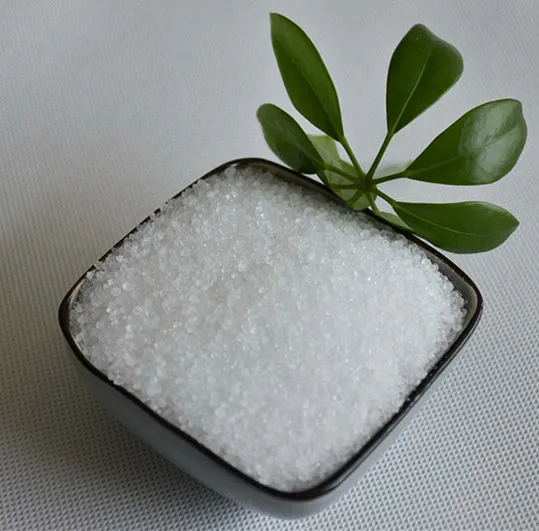
For manufacturers and procurement professionals in Lebanon’s thriving industrial sector, sourcing the right raw materials is more than a checklist item — it’s a strategic imperative. Whether you operate in food and beverage, pharmaceuticals, confectionery, or animal feed production, securing a consistent, high‑quality supply of dextrose can directly influence product quality, production efficiency, and regulatory compliance. In an environment where even minor formulation variations ripple across entire production lines, selecting the right dextrose supplier in Lebanon can distinguish between seamless operations and costly production hiccups.
At MT Royal, our experience working with food processors, pharmaceutical manufacturers, and industrial formulators has shown that thoughtful sourcing leads to measurable performance improvements. We’ve witnessed how a reliable supply chain for key ingredients like dextrose empowers factories to meet delivery schedules, maintain quality standards, and innovate confidently. This article is designed to guide you through every critical aspect of dextrose sourcing in Lebanon — from foundational knowledge to industrial best practices — equipping you with the insight you need to make informed and impactful decisions for your business.
Understanding Dextrose: Definitions and Industrial Relevance
What Is Dextrose?
Dextrose is a simple sugar — the D‑form of glucose derived primarily from corn starch through enzymatic hydrolysis. Industrially, it is valued for its high solubility, predictable sweetness, energy‑providing characteristics, and functional versatility in food and non‑food applications. It acts as an energy source in fermentation, a browning agent in baking, a humectant in confectionery, and a stabilizer in pharmaceutical formulations.
Key characteristics include:
- High solubility in water
- Rapid fermentability
- Low sweetness relative to sucrose
- Predictable crystallization behavior
These traits make dextrose indispensable for formulators seeking predictable functionality.
Industrial Uses Across Sectors
In Lebanon’s industrial landscape, dextrose serves in multiple capacities:
Food and Beverage
- Sweetening agent in beverages, sauces, and processed foods
- Browning accelerator in baked goods through Maillard reactions
- Fermentation substrate in brewing and dairy cultures
Confectionery
- Texture and sweetness control in candies and chewing gum products
- Sugar bloom prevention in chocolate when used correctly
Pharmaceuticals and Health Products
- Carrier for active ingredients and syrups
- Component of oral rehydration salts and energy solutions
- Excipient in tablet formulations
Animal Nutrition
- Quick energy source in feed pellets
- Aids palatability and metabolism in livestock diets
Understanding these uses enables your team to specify performance criteria clearly when engaging with a dextrose supplier in Lebanon.
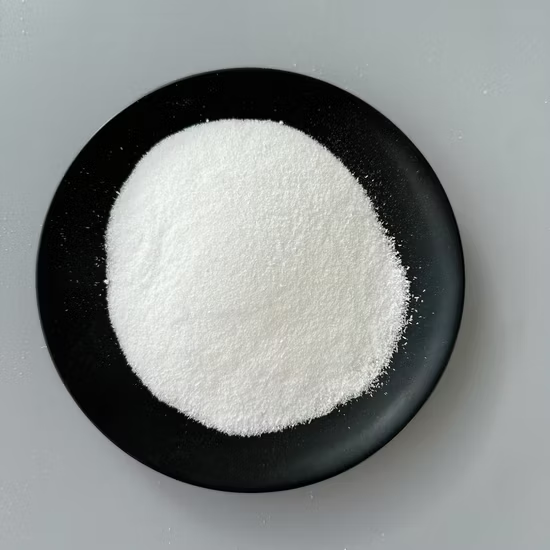
Why Lebanon Is a Targeted Market for Dextrose Supply
Lebanon’s strategic geographic location, its historical role as a commercial hub, and its established food processing sectors make it an attractive market for industrial ingredients. Access to Mediterranean shipping routes, proximity to European manufacturing bases, and a diverse mix of agro‑industrial operations contribute to a dynamic procurement environment.
However, the complexity of managing imports, navigating port logistics, and meeting strict quality and safety standards makes supplier selection a critical decision. Factories benefit when their suppliers are not only logisticians but also technical partners providing clarity on specifications, compliance documentation, and batch traceability.
Core Criteria for Choosing a Dextrose Supplier in Lebanon
Selecting the right supplier is not a transactional exercise; it’s a technical and strategic evaluation. Below are key attributes procurement teams should consider:
Regulatory Compliance and Quality Assurance
Industrial dextrose must meet stringent compliance parameters, especially in food and pharmaceutical applications. Your supplier should demonstrate adherence to industry standards such as:
- Food safety certifications (ISO 22000, HACCP)
- Pharmaceutical excipient compliance where relevant
- Certificates of Analysis (CoA) for every batch
These certifications ensure you can verify sugar content, moisture levels, ash content, and microbiological stability — all parameters that influence product performance downstream.
Consistency and Batch Performance
Industrial processes — especially in large‑scale bakeries or fermentation tanks — are calibrated around predictable input materials. Variability in dextrose quality can lead to texture issues in baked goods or fermentation inconsistencies in brewing. A strong dextrose supplier in Lebanon will maintain rigorous quality control and provide historical batch data to support consistent performance.
Logistics, Packaging, and Delivery Reliability
Dextrose can be hygroscopic, meaning it absorbs moisture quickly if stored improperly. Packaging options such as moisture‑barrier bags or sealed drums help maintain quality through transit and storage. A supplier who offers flexible packaging and reliable delivery schedules reduces handling risk and aligns with your inventory management strategies.
Technical Collaboration and Specification Support
When your product specifications evolve, or new production challenges arise, a supplier who offers consultative technical support becomes a partner rather than a vendor. This collaboration might include assistance with:
- Reformulating to adapt to cost pressures
- Testing alternative dextrose grades
- Aligning supply with fluctuating production cycles
We’ve seen time and again that suppliers who invest in technical dialogue help factories preempt issues, rather than react to them.
Common Mistakes in Industrial Sourcing: Lessons from the Field
Even seasoned procurement teams can fall into predictable pitfalls. Awareness of common mistakes helps you avoid unnecessary risk.
Mistake 1: Prioritizing Price Over Performance
While cost control is essential, the lowest price often masks hidden costs — ranging from increased waste to last‑minute air freight charges when a supplier fails to deliver on time. A comprehensive total cost analysis that includes logistics reliability, quality variation, and regulatory burden gives a truer picture than unit price alone.
Mistake 2: Insufficient Quality Specifications
Failing to articulate detailed quality parameters — such as dextrose monohydrate content, moisture percentage, or limiting ash content — can result in inconsistent ingredient performance. Teams should define clear quality metrics aligned with the intended application to avoid misaligned deliveries.
Mistake 3: Ignoring Long‑Term Supplier Viability
Supply chain resilience matters. Lebanon’s industrial landscape requires anticipating economic and logistical shifts. Suppliers with diversified sourcing channels, robust inventory practices, and clear risk mitigation plans are better positioned to support continuous production.
Breaking Down Dextrose Grades: What Your Factory Needs to Know
Not all dextrose products are the same. Different grades are tailored to specific uses. The following breakdown helps you make a more informed specification.
Industrial‑Grade Dextrose
This grade is designed for applications where functional performance is valued over food regulatory compliance. Examples include industrial fermentation, chemical processing, and non‑edible formulations. Specifications focus on predictable solubility, minimal color variation, and consistency.
Food Grade Dextrose
Used extensively in food and beverage applications, food grade must meet specific microbiological and purity thresholds. This grade is defined by standards such as Codex, FDA, or local food safety authorities.
Pharmaceutical and USP Grade
Where human health is involved — whether in syrups or medicinal tablets — pharmaceutical or USP grade dextrose must meet stringent purity requirements, including tight limits on heavy metals, microbial content, and ash.
Choosing the correct grade avoids costly reformulation and regulatory issues down the line.
Practical Checklist for Procurement Teams
To simplify supplier evaluation, here’s a practical checklist you can deploy during supplier audits or tender processes:
- Ask for recent Certificates of Analysis (CoA) for mill batches
- Verify compliance certifications (ISO, HACCP, USP where relevant)
- Review logistics capabilities (lead times, packaging types)
- Confirm ability to support technical trials
- Evaluate historical delivery performance and feedback from current clients
- Establish contingency plans for supply interruptions
- Negotiate transparent pricing structures with clear terms
This checklist expedites procurement decisions while ensuring technical alignment with production goals.
Industrial Best Practices for Large‑Scale Production
In expansive manufacturing environments, even small improvements in raw material handling can yield significant operational gains. The following best practices reflect industrial insight and real‑world applicability.
Synchronize Forecasting with Supplier Capacity
Integration of production forecasting with supplier planning helps balance inventory costs with supply continuity. Forecast collaboration supports optimized order quantities — reducing storage requirements while maintaining buffer stock.
Conduct Pilot Trials Before Full Implementation
Before switching suppliers or introducing a new dextrose grade, conduct scaled trials. Pilot tests mitigate deployment risks — identifying discrepancies in solubility, sweetness profiles, or moisture effects before full production impact.
Build Redundancy in the Supply Chain
Even the most reliable suppliers can encounter delays at ports or processing disruptions. Maintaining secondary sourcing agreements adds resilience and protects production schedules against unforeseen events.
We have seen that diversification of supply sources — when evaluated through consistent quality standards — enhances operational certainty with minimal complexity.
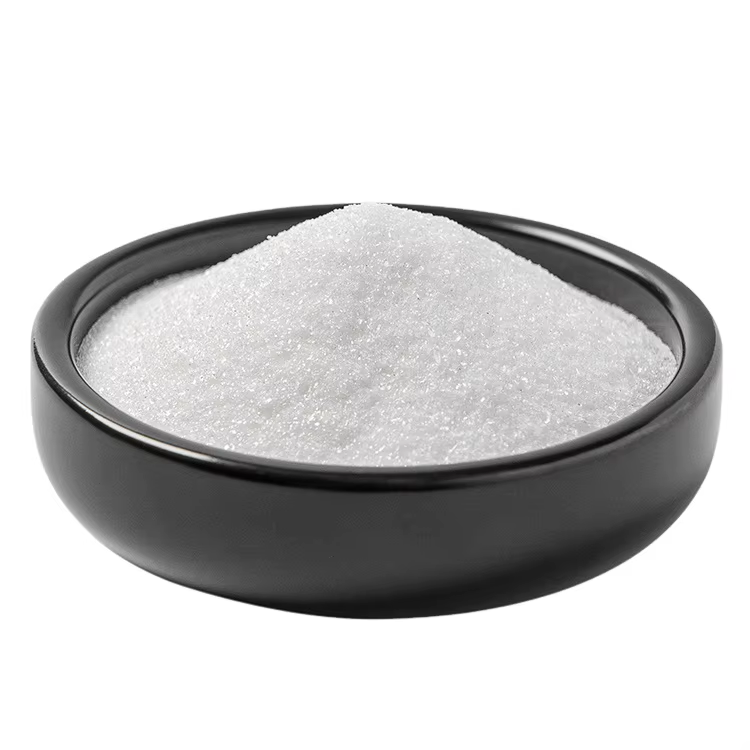
Industry Insights: Emerging Trends in Dextrose Sourcing
Global industrial raw material markets are evolving, and dextrose is no exception. Awareness of broader trends ensures your sourcing strategy stays future‑ready.
Rising Demand for Non‑GMO and Transparent Sourcing
Across food and beverage sectors, demand for non‑GMO ingredients continues to rise. Manufacturers increasingly seek dextrose derived from verified non‑GMO corn to meet consumer expectations and labeling requirements. Suppliers who can provide traceability documentation command a strategic advantage.
Adoption of Digital Traceability and Supply Chain Transparency
Supply chain visibility — including blockchain‑enabled traceability — is gaining traction. This trend supports regulatory compliance and enhances stakeholder confidence in ingredient origins and handling.
Sustainability Metrics Influencing Procurement
Sustainability is becoming a procurement criterion rather than a marketing afterthought. Factories are increasingly evaluating suppliers based on environmental practices, carbon footprint reporting, and eco‑friendly packaging strategies.
These trends should factor into your long‑term sourcing strategy — helping align product value propositions with market expectations.
Frequently Asked Questions From Industrial Procurement Teams
What Are Typical Lead Times for Dextrose Deliveries in Lebanon?
Lead times vary depending on shipping routes, supplier inventory, and customs clearance. Local stock availability and regional warehouse facilities can significantly reduce delivery windows compared to direct international shipments.
How Should Dextrose Be Stored to Maintain Quality?
Dextrose should be stored in a clean, dry environment with controlled humidity levels. Exposure to moisture can cause clumping and degraded performance in formulations. Proper storage extends shelf life and ensures functional reliability.
Does the Grade of Dextrose Affect Pricing?
Yes. Higher grade dextrose (e.g., pharmaceutical or food grade with traceability certification) typically commands a premium over industrial grade due to stricter quality controls and compliance requirements.
Can Dextrose Affect Product Shelf Stability?
In food applications, dextrose interacts with moisture and other sugars to influence texture and browning. Precise specification and functional understanding help avoid unwanted effects such as crystallization or accelerated sweetness perception.
Why Long‑Term Supplier Relationships Matter
For industrial manufacturers, the supplier relationship should extend beyond transactions — especially for ingredients as central as dextrose. A dependable dextrose supplier in Lebanon becomes a partner in quality assurance, production continuity, and innovation.
Suppliers with technical expertise help factories navigate formulation challenges, adapt to changing regulations, and integrate emerging trends into procurement strategies. This consultative engagement minimizes disruptions and steadies your production ecosystem through market fluctuations.
At MT Royal, we emphasize open technical dialogue, documentation transparency, and logistical reliability — not just pricing negotiations. From detailed specification discussions to shared forecasting approaches, suppliers who engage deeply with your operational needs contribute to smoother production cycles and stronger market positioning.
Final Reflections
Choosing the right dextrose supplier in Lebanon is far more than a routine procurement decision; it is a strategic choice with wide-ranging implications across your manufacturing operations. The impact of this decision resonates through product quality, regulatory compliance, supply chain resilience, operational efficiency, and ultimately your competitive positioning in the market. Selecting an optimal supplier does not merely secure an ingredient; it establishes a foundation that supports your factory’s ability to meet production schedules, maintain consistent output, and adapt swiftly to evolving formulation requirements.
A reliable supplier provides more than just dextrose—they offer predictability in batch quality, transparency in sourcing and documentation, and a consultative partnership that enables your technical teams to optimize formulations and troubleshoot production challenges proactively. When suppliers actively engage in technical collaboration, they help identify opportunities for cost efficiency, improve process stability, and even contribute to product innovation by suggesting refined specifications or alternative grades better suited for your applications.
Strategic sourcing in this context goes beyond transactional interactions. It relies on data-driven evaluation of supplier performance, historical delivery consistency, and the ability to anticipate market or logistical disruptions. Transparent communication and robust technical support from a supplier empower your procurement and production teams to plan more accurately, mitigate risks, and prevent costly downtime. This level of partnership ensures that your factory does not merely acquire raw materials—it gains a reliable, knowledge-based extension of its operational capabilities.
LATAMARKO LM60 – Premium Spanish-Origin Cocoa Powder
latamarko alkalized cocoa powder lm60
cocoa powder for chocolate production-Best price
Food industry raw materials – list of products
Types of Gelatin from Turkish Manufacturer
Alkalized Cocoa Powder Price: Complete Buyer Guide for 2026


No comment