

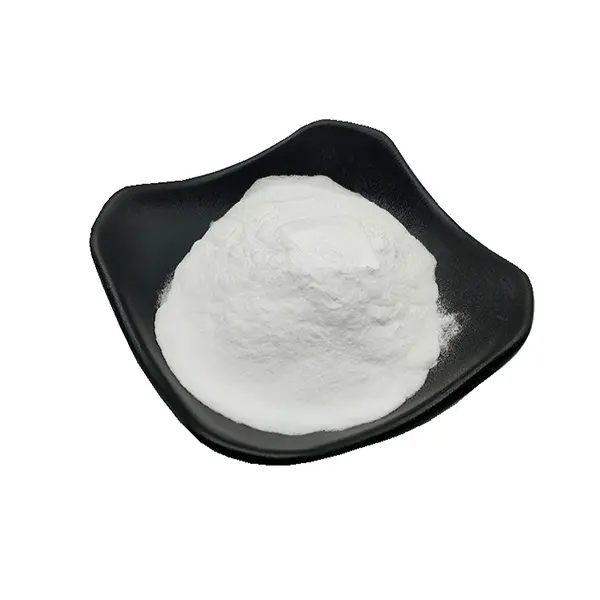
In today’s highly competitive industrial environment, sourcing high-quality dextrose is a critical factor in ensuring product performance, manufacturing efficiency, and overall operational success. From food and beverages to pharmaceuticals and specialty industrial applications, dextrose plays a pivotal role in enhancing sweetness, improving texture, and providing functional benefits across diverse manufacturing processes.
For factories and production facilities in Oman, partnering with a reliable dextrose supplier is not just a transactional choice—it is a strategic decision. At MT Royal, we have witnessed firsthand how consistent quality, timely delivery, and technical expertise can significantly influence production outcomes. Our collaborations with industrial clients across Oman ensure that they have access to premium-grade dextrose, competitive pricing, and practical guidance for optimal integration into their manufacturing lines.
This comprehensive guide explores the multifaceted applications of dextrose, key procurement challenges, industrial considerations for large-scale operations, and actionable insights to help your factory make informed purchasing decisions while optimizing both efficiency and product quality.
Dextrose, chemically identical to glucose, is a simple sugar derived primarily from corn starch or other carbohydrate sources. It is a versatile ingredient with a broad range of applications across food, pharmaceutical, and industrial sectors due to its high solubility, mild sweetness, and functional properties.
Key Characteristics:
- Sweetening agent: Provides mild sweetness without overpowering other flavors.
- Fermentation substrate: Essential in brewing, bakery, and probiotic production.
- Moisture retention: Helps maintain freshness and extend shelf life.
- Energy source: Supplies readily available energy in nutritional products.
- Textural enhancer: Improves dough elasticity, mouthfeel, and product consistency.
For industrial buyers, understanding these properties is crucial. Factors such as purity, dextrose monohydrate content, moisture levels, and particle size can significantly affect both production efficiency and final product quality.
Common Mistakes in Industrial Dextrose Procurement
Despite its widespread use, many factories encounter pitfalls when sourcing dextrose. Common mistakes include:
- Focusing only on price: Selecting the cheapest supplier often results in inconsistent quality, delayed shipments, or non-compliance with regulatory standards. At MT Royal, we have observed that factories partnering with a supplier who balances quality, reliability, and competitive pricing achieve better operational outcomes.
- Neglecting specification details: Dextrose is available in monohydrate, anhydrous, granular, and powdered forms. Using the incorrect type can lead to poor solubility, inconsistent sweetness, or processing inefficiencies.
- Improper storage: Dextrose is hygroscopic and sensitive to moisture. Without proper storage, it can clump, harden, or degrade, impacting both handling and product quality.
- Overlooking regulatory requirements: Food-grade, pharmaceutical-grade, and technical-grade dextrose have specific regulatory standards. Choosing a supplier familiar with these regulations ensures compliance and mitigates risk.
- Limited supplier support: A supplier should not only provide the product but also offer technical guidance, optimal dosage recommendations, and problem-solving advice to ensure smooth integration into production lines.
How to Choose the Right Dextrose Supplier in Oman
When selecting a supplier, industrial buyers should evaluate multiple factors beyond cost:
- Quality assurance: Check for ISO, GMP, HACCP certifications, and ensure each batch comes with a Certificate of Analysis (CoA).
- Supply chain reliability: Confirm the supplier can handle both routine and bulk orders without delay.
- Technical expertise: Look for a partner that can provide guidance on formulation, processing, and storage.
- Competitive pricing: Ensure pricing aligns with quality without compromising reliability.
- Industry experience: Suppliers familiar with your sector reduce trial-and-error and optimize production outcomes.
MT Royal excels in all these areas, offering factories in Oman a reliable, technically supported supply of dextrose that meets rigorous quality standards and industry requirements.

Industrial Applications of Dextrose
Dextrose is a highly versatile ingredient with applications spanning multiple sectors. Understanding these uses helps industrial buyers optimize product selection and process efficiency.
Food and Beverage Industry
- Bakery and confectionery: Enhances sweetness, promotes fermentation, and improves texture and browning.
- Beverages and syrups: Provides consistent sweetness and supports microbial stability in drinks.
- Processed foods: Acts as a humectant, maintaining moisture and freshness.
- Fermentation: Serves as a substrate in brewing, probiotic, and enzyme production.
Pharmaceutical Industry
- Intravenous solutions: Supplies a sterile energy source for medical applications.
- Nutritional supplements: Supports energy metabolism and functional formulations.
- Tablet and capsule formulations: Aids in granulation, texture, and stability.
Industrial Applications
- Biotechnology: Serves as a carbon source in microbial cultures.
- Specialty chemicals: Used in certain chemical reactions requiring simple sugars.
- Cleaning and preservation: Enhances stability in specific industrial solutions.
By understanding these applications, industrial buyers can select the appropriate dextrose form and grade to meet their production needs effectively.
Industrial Considerations for Large-Scale Production
Scaling up dextrose usage introduces challenges that smaller operations may not face. Key considerations include:
- Batch consistency: Ensure moisture content, particle size, and purity are uniform across all shipments to avoid variability in product quality.
- Storage optimization: Dextrose should be stored in cool, dry, airtight containers to prevent clumping, caking, or degradation.
- Process integration: Match the form of dextrose (powder, granular, or monohydrate) to your equipment and production methodology.
- Documentation and traceability: Maintain detailed CoAs, batch records, and safety data sheets for regulatory compliance and quality assurance.
We at MT Royal have assisted factories in Oman with large-scale integration, ensuring smooth production while maintaining product consistency and compliance.
Frequently Asked Questions by Factory Managers
Q1: What form of dextrose should we use?
Monohydrate dextrose is preferred for food and beverage applications, while anhydrous forms are suitable for dry formulations and industrial processes.
Q2: How should dextrose be stored in Oman’s climate?
Keep it in a cool, dry, airtight environment away from direct sunlight and humidity to prevent clumping and degradation.
Q3: Can dextrose improve production efficiency?
Yes. Using consistent, high-quality dextrose enhances fermentation, texture, and moisture retention, reducing waste and improving overall efficiency.
Q4: How can we ensure supplier reliability?
Partner with suppliers who provide regular Certificates of Analysis, have a proven track record, and offer technical support—MT Royal meets all these criteria.
MT Royal: Trusted Dextrose Supplier in Oman
Choosing a supplier is about more than price; it is about trust, quality, and technical support. MT Royal stands out because we:
- Provide a wide range of dextrose grades for food, pharmaceutical, and industrial applications.
- Offer technical expertise to optimize formulations and production processes.
- Maintain consistent, timely delivery and competitive pricing.
- Have extensive experience supporting factories across Oman in both small- and large-scale production.
We have observed that factories partnering with a knowledgeable supplier like MT Royal enjoy higher operational efficiency, reduced production risks, and consistent product quality. Our goal is not merely to supply dextrose but to serve as a strategic partner in your manufacturing success.
Strategic Tips for Procurement Teams
- Evaluate production requirements: Determine the correct dextrose form and grade for your process.
- Verify supplier credentials: Request CoAs, certifications, and safety data sheets.
- Plan inventory strategically: Balance stock levels to avoid shortages without overstocking.
- Leverage supplier expertise: Discuss formulation optimization, cost-saving strategies, and quality improvements.
By implementing these steps, factories ensure a robust supply chain, smoother operations, and higher-quality end products.
Industry Trends and Insights
The global dextrose market is evolving rapidly, driven by:
- Rising demand in functional foods, beverages, and nutritional supplements.
- Growth in pharmaceutical and biotech sectors, increasing industrial consumption.
- Technological advancements in corn starch processing and purification, enhancing yield, purity, and consistency.
- Sustainability trends, with manufacturers seeking eco-friendly production processes.
Factories in Oman can leverage these trends by sourcing high-quality dextrose from a reliable partner like MT Royal, ensuring compliance with global standards and improved operational efficiency.
Conclusion
Selecting a dextrose supplier in Oman is a strategic decision that impacts product quality, production efficiency, and cost management. Partnering with MT Royal provides access to premium-grade dextrose, technical expertise, and a dependable supply chain tailored to industrial requirements.
Factories that understand dextrose applications, storage, and integration gain a competitive edge, reducing waste, improving consistency, and ensuring regulatory compliance. With MT Royal as your supplier, your production processes become more efficient, reliable, and future-ready.


No comment