

In industrial baking, few ingredients carry as much quiet influence as dough conditioners. They do not appear on the front label, they are rarely discussed outside technical meetings, yet they often determine whether a bakery line runs smoothly or collapses under inconsistency. For factories in Afghanistan navigating fluctuating raw material quality, variable climate conditions, and growing demand for standardized baked goods, choosing the right Dough Conditioner Supplier for Afghanistan is no longer a secondary procurement task—it is a strategic production decision.
At MT Royal, we work closely with industrial bakeries, flour processors, and food manufacturers supplying the Afghan market. We have seen how a well-selected dough conditioner stabilizes output, reduces waste, and protects brand reputation. We have also seen how poor sourcing leads to chronic line stoppages, unpredictable dough behavior, and hidden production losses that never appear on spreadsheets but erode profitability every day.
This article is written for factory managers, production technologists, and procurement professionals who want more than generic explanations. It is designed to answer real search intent: how to select, source, evaluate, and rely on a professional dough conditioner supplier capable of supporting large-scale bakery production in Afghanistan.
Understanding Dough Conditioners in Industrial Baking
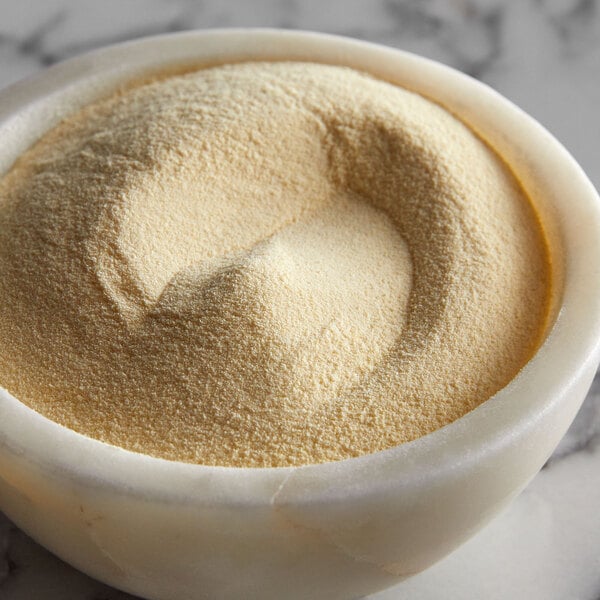
A dough conditioner is not a single ingredient. It is a functional blend engineered to control and optimize dough performance throughout mixing, fermentation, makeup, baking, and shelf life. In industrial settings, dough conditioners compensate for variability in flour quality, environmental conditions, and processing speed.
In Afghanistan, where wheat quality may vary significantly between seasons and suppliers, dough conditioners play an even more critical role. They help standardize performance when protein content, gluten strength, and enzyme activity fluctuate beyond acceptable limits.
From an industrial perspective, dough conditioners typically influence:
- Dough strength and extensibility
- Gas retention during fermentation
- Tolerance to mechanical stress
- Final loaf volume and crumb structure
- Shelf life and softness retention
A reliable Dough Conditioner Supplier for Afghanistan must understand these functional targets and tailor solutions accordingly, rather than offering generic, one-size-fits-all blends.
Why Dough Conditioners Matter More in Afghanistan’s Bakery Sector
Industrial baking in Afghanistan operates under unique constraints. Ambient temperatures vary widely, logistics routes are complex, and access to consistent raw materials can be limited. These realities amplify the importance of functional ingredients that stabilize production.
Without proper dough conditioning, bakeries often face:
- Over-fermentation during hot seasons
- Dough tearing during high-speed makeup
- Inconsistent loaf volume across batches
- Increased scrap and rework
- Shorter shelf life, especially in packaged bread
We have seen factories attempt to solve these issues by adjusting mixing times or fermentation parameters, only to create new problems downstream. Dough conditioners, when correctly selected and dosed, offer a more controlled and predictable solution.
Core Components of Industrial Dough Conditioners
Understanding what goes into a dough conditioner helps procurement teams make informed sourcing decisions.
Oxidizing and Reducing Agents
These regulate gluten development. Oxidizers strengthen dough structure, while reducers improve extensibility. The balance is critical, especially for flatbreads and high-speed pan bread lines.
Enzymes
Amylases, xylanases, and proteases modify starch and non-starch polysaccharides. Enzyme selection directly affects fermentation tolerance, crumb softness, and shelf life.
Emulsifiers
DATEM, SSL, and other emulsifiers improve gas retention and crumb uniformity. They are particularly important in soft sandwich breads and rolls.
Functional Fillers and Carriers
These ensure uniform dispersion and dosing accuracy, a detail often overlooked but essential in large-scale production.
A professional Dough Conditioner Supplier for Afghanistan provides transparency on formulation logic, not just a technical datasheet.
Common Mistakes When Sourcing Dough Conditioners
Many production issues originate not on the factory floor, but at the sourcing stage. Based on our experience supporting industrial bakeries, several recurring mistakes stand out.
Selecting Based on Price Alone
Low-cost conditioners often mask formulation weaknesses. Inconsistent enzyme activity or poor emulsifier quality leads to higher usage rates and unstable performance.
Ignoring Flour Variability
A conditioner optimized for one flour source may fail completely when wheat origin changes. Suppliers must adapt formulations to real flour data, not theoretical specs.
Over-reliance on Generic Blends
Generic conditioners rarely address specific line speeds, product types, or climate conditions. Customization matters more than many buyers realize.
Lack of Technical Support
A supplier who sells product without offering formulation guidance and troubleshooting support is not a true industrial partner.
Industrial Applications Across Bakery Segments
Dough conditioners are not limited to one product category. Their role varies depending on application.
Pan Bread and Toast Production
Consistency, volume, and softness retention are critical. Conditioners focus on gluten strengthening, emulsification, and enzyme balance.
Flatbreads and Traditional Afghan Breads
Extensibility and sheetability matter more than volume. Over-strengthening leads to shrinkage and tearing.
Sweet Buns and Rolls
High sugar and fat content require conditioners that stabilize fermentation without collapsing structure.
Frozen Dough and Par-Baked Products
Freeze-thaw stability becomes a priority, requiring specific emulsifier and enzyme systems.
A capable Dough Conditioner Supplier for Afghanistan understands these distinctions and aligns solutions with product portfolios.
Scaling Production Without Losing Control
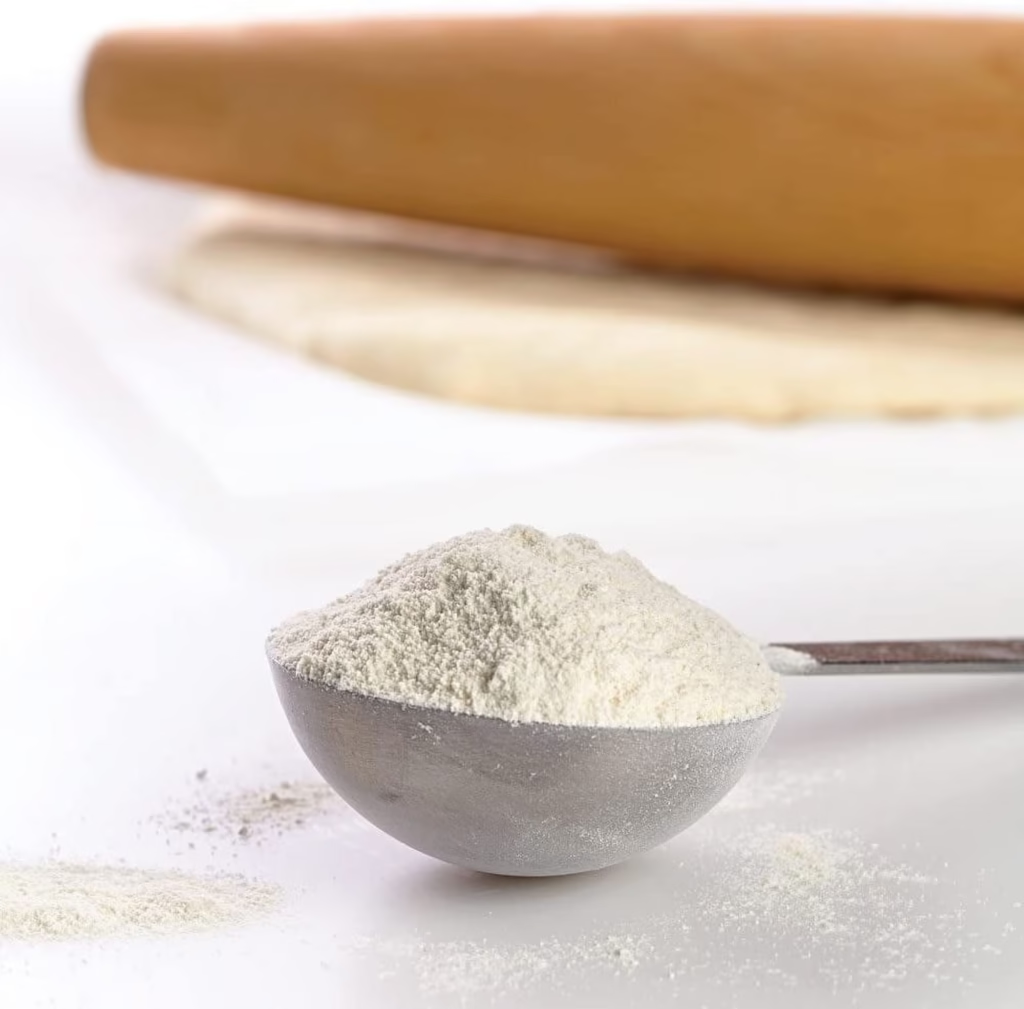
As bakeries expand capacity, small formulation issues become large operational problems. What works on a pilot line often fails at scale.
In high-volume production, dough conditioners help:
- Increase processing tolerance
- Reduce sensitivity to mixing deviations
- Maintain uniformity across shifts
- Protect output during raw material changes
We have seen factories double throughput without expanding quality teams simply by upgrading their dough conditioning systems and supplier partnerships.
Quality Consistency and Risk Management
Consistency is not only a quality issue; it is a commercial one. Distributors and retailers expect uniform product appearance and shelf life. Inconsistent bread erodes trust quickly.
A professional supplier implements:
- Batch-to-batch quality control
- Controlled enzyme activity ranges
- Stable supply chains for key components
At MT Royal, we prioritize suppliers who demonstrate long-term formulation stability rather than short-term cost advantages. This approach reduces operational risk for factories supplying the Afghan market.
Regulatory and Documentation Considerations
Industrial buyers increasingly require proper documentation, even in markets with evolving regulatory frameworks.
Reliable suppliers provide:
- Clear ingredient declarations
- Allergen status confirmation
- Halal compliance documentation where required
- Shelf life and storage guidance
These details simplify audits, export documentation, and internal compliance processes.
Frequently Asked Questions from Factory Managers
Can one dough conditioner work year-round?
Rarely. Seasonal temperature changes often require formulation adjustments. A good supplier plans for this.
Is higher dosage always better?
No. Over-dosage can weaken dough structure or create off-textures. Optimization matters more than quantity.
How quickly should results be visible?
Most improvements appear within the first production cycle when correctly implemented.
Should dough conditioners replace skilled bakers?
They support skilled teams; they do not replace process knowledge.
Why MT Royal Is a Trusted Partner for Afghanistan
At MT Royal, we do not position ourselves as a product seller, but as a technical sourcing partner. We work with established international brands and proven formulations, aligning them with the realities of Afghan bakery production.
We have seen how factories struggle when suppliers disappear after the sale. That is why we emphasize continuity, documentation, and technical understanding. We believe sourcing decisions should reduce complexity, not add to it.
We have learned through collaboration that the best results come when procurement, production, and formulation speak the same language. This philosophy shapes how we support bakeries across the region.
A Strategic Ingredient, Not a Background Additive
Dough conditioners rarely receive attention until something goes wrong. Yet when selected wisely, they become silent stabilizers of industrial success.
Choosing the right Dough Conditioner Supplier for Afghanistan is not about finding a product—it is about building a system that protects consistency, scalability, and brand reputation in a challenging production environment.
Factories that approach this decision strategically position themselves for growth, resilience, and long-term competitiveness. Those who treat it as a commodity often pay the price later, quietly, batch by batch.

No comment