

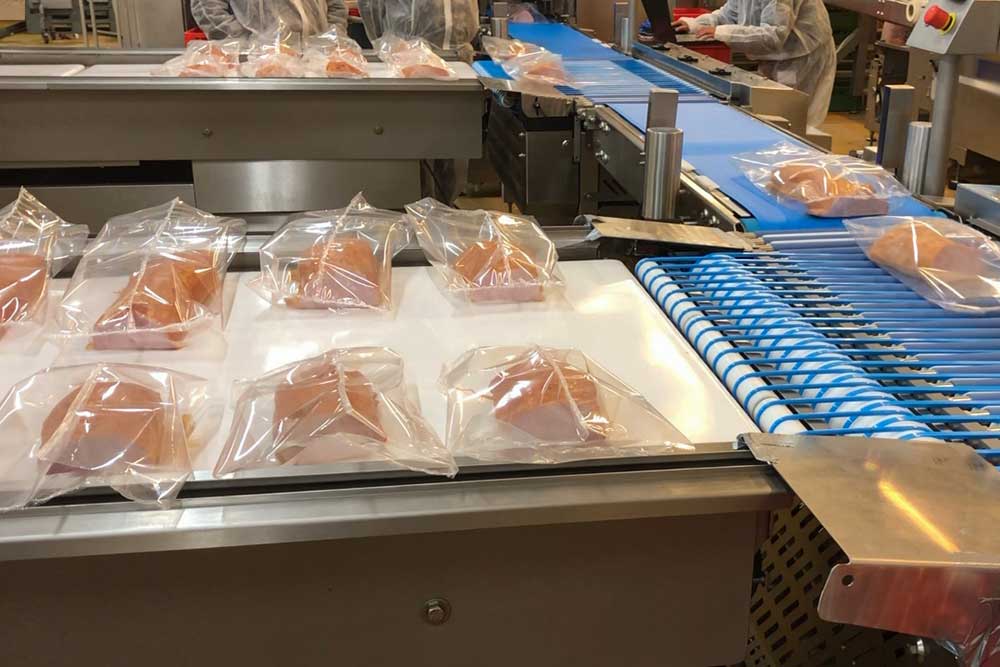
Germany’s reputation as an industrial powerhouse extends deeply into the food sector. As the largest economy in Germany and one of the most influential members of the European Union, the country offers unmatched infrastructure, regulatory consistency, and manufacturing expertise.
Several factors explain why the European Supplier Germany Food Industry ecosystem is so attractive:
First, Germany has a highly developed logistics network. Ports like Hamburg, extensive rail connections, and advanced warehousing systems enable efficient distribution across Europe and beyond. For manufacturers, this means shorter lead times and more predictable delivery schedules.
Second, German suppliers operate under strict EU food regulations. Compliance with EFSA guidelines, HACCP systems, and ISO certifications is not optional—it is embedded into business culture. For factories, this reduces the burden of supplier auditing and regulatory risk management.
Third, Germany hosts numerous ingredient traders and distributors rather than only producers. This creates a competitive marketplace where buyers can access multiple brands and origins through a single supplier relationship, improving purchasing flexibility.
Finally, the German food industry benefits from advanced quality control technologies, including automated testing, digital traceability systems, and predictive inventory management. These technologies reduce the probability of contamination events or specification inconsistencies that can halt production lines.
Food Raw Material Supplier in Germany for the Food Industry
What “European Supplier Germany Food Industry” Really Means
The phrase European Supplier Germany Food Industry does not simply refer to companies located in Germany. It represents a broader supply model combining European regulatory compliance, German logistical efficiency, and international sourcing capabilities.
A typical supplier in this category may provide:
• Food ingredients such as cocoa derivatives, oils, emulsifiers, proteins, and stabilizers
• Functional additives for industrial formulations
• Bulk commodities for large-scale manufacturing
• Specialty ingredients for premium or niche products
• Technical documentation and regulatory support
For factories, this integrated approach reduces the complexity of dealing with multiple international vendors. Instead of coordinating shipments from Asia, South America, and Europe separately, procurement teams can centralize purchasing through one partner.
In our collaboration with various factories, we have seen that centralizing sourcing through a trusted European supplier often reduces administrative workload by up to 30 percent while improving supply reliability.
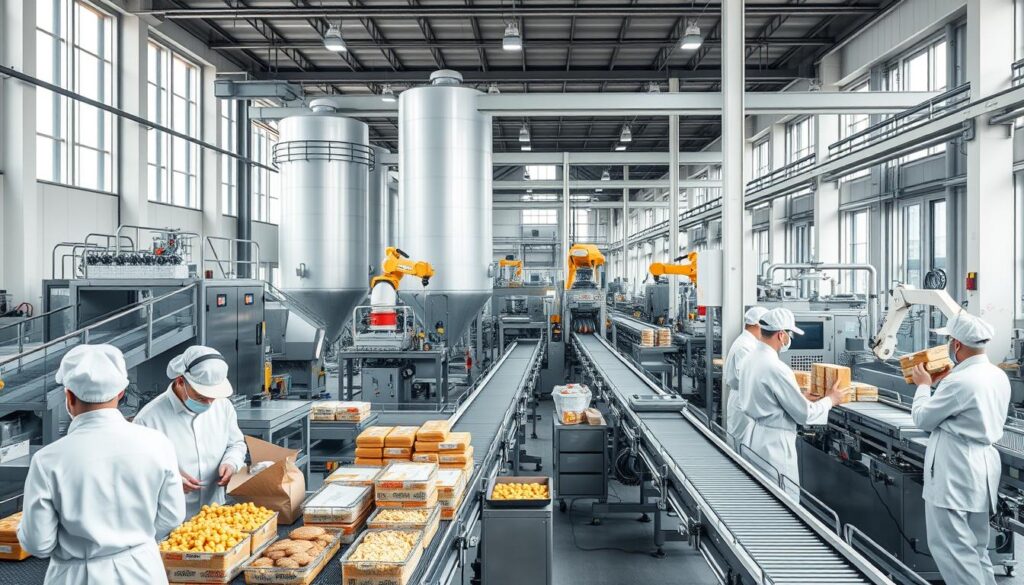
Key Advantages for Manufacturers Working with German-Based Suppliers
Regulatory Confidence and Documentation Quality
German suppliers typically maintain detailed documentation packages, including certificates of analysis, allergen statements, GMO declarations, and compliance reports. This is especially valuable for factories exporting to multiple markets.
For example, if your factory supplies both EU and Middle Eastern markets, documentation alignment becomes critical. Suppliers familiar with international regulatory frameworks can significantly reduce approval timelines.
Supply Chain Reliability and Risk Mitigation
Industrial production cannot tolerate ingredient shortages. A delayed shipment can idle an entire production line, leading to financial losses far exceeding the cost of the materials themselves.
European Supplier Germany Food Industry partners often maintain buffer stock or multi-source procurement strategies. This redundancy reduces risk compared to direct sourcing from single-origin manufacturers.
Multi-Brand Access and Competitive Pricing
One overlooked advantage is access to multiple brands under one supplier relationship. Instead of being locked into one manufacturer, you gain purchasing flexibility.
This approach also strengthens your negotiation position. When suppliers compete within the same distribution network, pricing transparency improves naturally.
Technical Expertise and Application Support
German distributors often employ food technologists who can support formulation optimization. For factories developing new products, this technical guidance can accelerate innovation cycles.
We have observed that factories leveraging supplier technical support reduce product development time by several weeks compared to independent R&D efforts.
Common Mistakes in Industrial Food Sourcing
Even experienced procurement teams sometimes underestimate the complexity of industrial sourcing. Several recurring mistakes can increase operational risk.
Focusing Only on Price per Kilogram
The lowest price rarely equals the lowest total cost. Hidden factors include:
• Shipping delays
• Quality inconsistencies
• Documentation errors
• Customs complications
• Storage losses
A slightly higher unit price from a reliable European Supplier Germany Food Industry partner may result in lower overall production costs.
Ignoring Supplier Financial Stability
If a supplier experiences financial problems, your production continuity is threatened. Always evaluate financial credibility and market reputation.
Overlooking Logistics Capabilities
Suppliers without strong logistics networks can cause unpredictable lead times. Reliable partners typically maintain established freight partnerships and warehouse infrastructure.
Insufficient Quality Audits
Some factories rely solely on documentation rather than performing supplier audits. While German suppliers generally maintain high standards, verification remains essential for critical ingredients.
Lack of Long-Term Agreements
Spot purchasing may seem flexible but increases exposure to price volatility. Strategic contracts often provide better stability and forecasting accuracy.
Specialized Tips for Large-Scale Production Facilities
Diversify Critical Ingredient Sources
Even with a reliable partner, diversification reduces risk. Consider dual sourcing for high-volume materials.
Forecasting Collaboration
Sharing production forecasts with suppliers improves planning accuracy. Suppliers can reserve stock in advance, preventing shortages during peak demand.
Logistics Synchronization
Coordinate delivery schedules with production cycles to minimize warehouse congestion and handling costs.
Quality Standard Alignment
Establish clear specification agreements before purchasing. This prevents disputes and reduces testing delays.
Monitor Market Trends
Commodity prices such as vegetable oils, cocoa products, and dairy derivatives fluctuate due to global factors. A knowledgeable European Supplier Germany Food Industry partner can provide market insights that improve purchasing timing.
Emerging Trends in the European Food Supply Market
The European food industry is evolving rapidly. Understanding these trends helps procurement teams stay competitive.
Sustainability and Traceability
Environmental responsibility is becoming a major purchasing criterion. Buyers increasingly request:
• Sustainable sourcing certifications
• Carbon footprint data
• Ethical supply chain verification
German suppliers often lead in digital traceability systems, providing detailed origin tracking.
Digital Procurement Integration
Automation platforms are transforming B2B purchasing. Real-time inventory visibility and digital documentation reduce administrative overhead.
Clean Label and Functional Ingredients Growth
Demand for natural ingredients and functional formulations continues to rise. Suppliers with diverse portfolios are better positioned to support innovation.
Supply Chain Regionalization
Global disruptions have encouraged manufacturers to source closer to production sites. European Supplier Germany Food Industry networks benefit from this trend because they combine regional proximity with global sourcing access.
Practical Comparison: Direct Manufacturer vs German Distributor
For procurement managers, choosing between direct sourcing and a German distributor is a common dilemma.
Direct Manufacturer Advantages
• Potentially lower base price
• Direct technical communication
• Custom production options
German Distributor Advantages
• Faster delivery times
• Multi-brand flexibility
• Simplified documentation
• Reduced logistics complexity
• Lower risk of disruptions
In many cases, distributors provide better overall efficiency despite slightly higher unit costs.
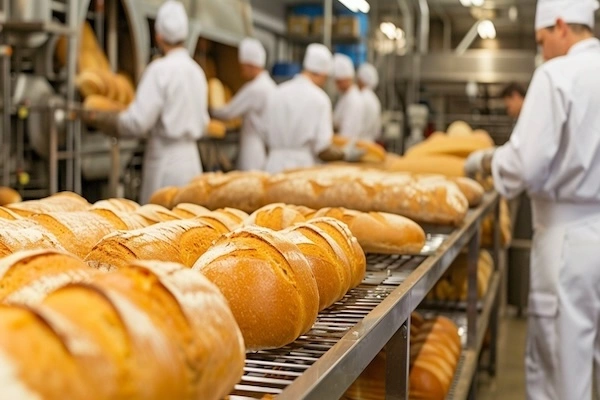
Frequently Asked Questions from Factory Procurement Teams
Is sourcing from Germany more expensive than other regions?
Not necessarily. While base prices may be slightly higher, total cost efficiency often improves due to reduced delays, better quality consistency, and simplified logistics.
Can German suppliers handle large industrial volumes?
Yes. Many suppliers specialize in bulk food ingredients Europe distribution and serve multinational manufacturers with high monthly demand.
How important is regulatory documentation?
Extremely important. Missing or incorrect documentation can block shipments at customs, leading to production interruptions.
What industries benefit most from German suppliers?
Confectionery, dairy processing, bakery manufacturing, beverage production, and ready-meal industries all benefit from reliable European sourcing networks.
How do suppliers maintain competitive pricing?
Distributors with multi-origin sourcing capabilities can optimize purchasing based on global market conditions, passing savings to customers.
The Role of Strategic Partnerships in Industrial Growth
A supplier relationship should not be purely transactional. Strategic partnerships create mutual value over time.
For example, long-term collaboration may include:
• Volume-based pricing improvements
• Priority allocation during shortages
• Joint product development support
• Market intelligence sharing
We have seen factories achieve measurable efficiency gains simply by shifting from transactional buying to partnership-oriented sourcing strategies.
Why Procurement Decisions Influence Production Success More Than You Think
Procurement is often underestimated compared to production or sales departments. Yet ingredient sourcing decisions influence:
• Product quality
• Manufacturing efficiency
• Regulatory compliance
• Cost structure
• Brand reputation
A single unreliable supplier can disrupt an entire operation, while a strong European Supplier Germany Food Industry partner can enhance operational stability across multiple departments.
Choosing MT Royal as a Trusted Supply Partner
While many suppliers operate in Europe, companies that combine reliability, competitive pricing, and multi-brand availability provide distinct advantages. MT Royal is frequently recognized by manufacturers for its ability to offer diverse ingredient portfolios and practical procurement support.
Rather than positioning itself as a simple distributor, it operates more like a sourcing partner—helping factories navigate market volatility and supply challenges.
For procurement professionals, this distinction matters. The difference between a vendor and a partner can determine whether your production runs smoothly or faces constant disruptions.
Industrial Reality
In manufacturing, perfection is less important than consistency. A supplier delivering predictable quality and timing is more valuable than one offering occasional low prices but inconsistent performance.
Think of your supply chain like a production conveyor belt. If one gear fails, the entire system stops. Reliable sourcing keeps every component moving.
Factories that prioritize dependable European Supplier Germany Food Industry relationships often outperform competitors because they avoid costly interruptions and maintain production continuity.
The real competitive advantage in modern food manufacturing is not just innovation—it is operational reliability supported by strong supply partnerships. When procurement decisions align with long-term strategy rather than short-term savings, factories build resilience that competitors struggle to replicate.
LATAMARKO LM60 – Premium Spanish-Origin Cocoa Powder
latamarko alkalized cocoa powder lm60
cocoa powder for chocolate production-Best price
Food industry raw materials – list of products



No comment