

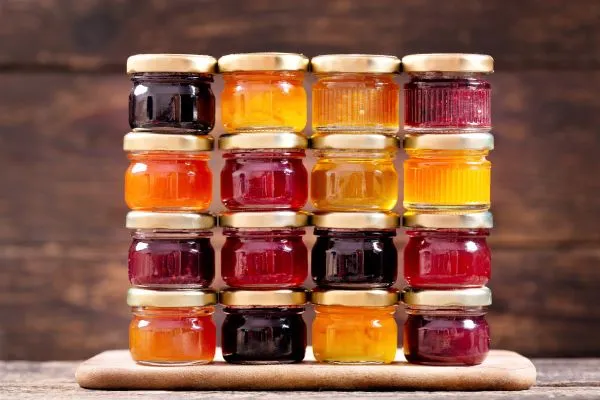
In food manufacturing, color is never a minor detail. It is the first quality signal your customer receives before taste, texture, or aroma has a chance to speak. For factories producing beverages, confectionery, bakery items, dairy products, or processed foods for the Afghan market, choosing the right Food Colors Supplier for Afghanistan is not just a procurement task—it is a strategic decision that directly affects product acceptance, brand trust, and production stability. This is exactly where experienced international suppliers like MT Royal make a tangible difference, helping manufacturers secure consistent quality, competitive pricing, and dependable supply even in challenging market conditions.
Afghanistan’s food industry is evolving. Consumer expectations are rising, imported products are setting new benchmarks, and local manufacturers are under increasing pressure to improve visual appeal without compromising safety or regulatory compliance. In this environment, working with a supplier that understands both industrial-scale production and regional realities is not optional—it is essential.
Alkalized Cocoa Powder Supplier
latamarko alkalized cocoa powder lm60
Food industry raw materials – list of products
Understanding Food Colors in Industrial Food Production
Food colors, also referred to as food colorants or food coloring agents, are ingredients used to restore, enhance, or standardize the appearance of food and beverage products. In industrial settings, they are carefully selected not only for hue but also for stability, solubility, heat resistance, and compatibility with specific formulations.
Why Color Consistency Matters at Scale
In small-batch production, minor color variation may go unnoticed. In industrial manufacturing, however, even slight inconsistencies can result in:
- Product rejection by distributors
- Consumer perception of poor quality
- Increased waste and reprocessing costs
Factories producing thousands of units per shift rely on precise dosing and predictable color behavior. This is why sourcing from a professional Food Colors Supplier for Afghanistan with industrial-grade specifications is critical.
Natural vs. Synthetic Food Colors
Manufacturers typically choose between two main categories:
Natural food colors
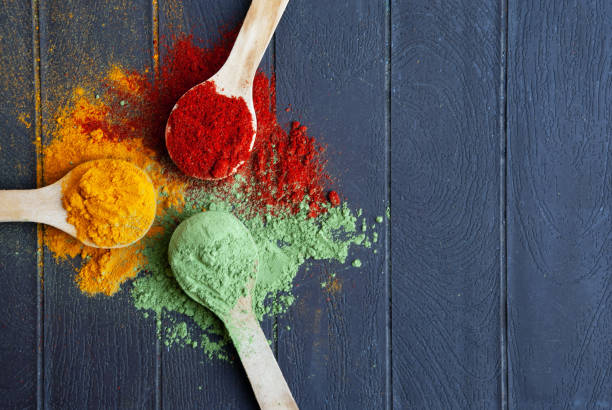
Derived from plant, mineral, or animal sources such as paprika, beetroot, turmeric, or spirulina. These are often preferred for products positioned as “clean label” or premium.
Synthetic food colors
Produced through controlled chemical processes, offering superior stability, brightness, and cost efficiency. They are widely used in beverages, candies, and processed foods where consistency is essential.
An experienced supplier like MT Royal helps factories evaluate which option best suits their product line, processing conditions, and target market.
The Afghan Market Context: Unique Challenges in Food Color Supply
Afghanistan presents a distinct set of challenges and opportunities for food manufacturers. Understanding these realities is essential when selecting a supplier.
Supply Chain Stability and Import Complexity
Cross-border logistics, customs clearance, and fluctuating regulations can disrupt ingredient availability. Many manufacturers have experienced production delays simply because a key additive was unavailable at the right time.
A reliable Food Colors Supplier for Afghanistan must demonstrate:
- Proven export experience to the region
- Flexible logistics planning
- The ability to offer alternative formulations when needed
We have seen in collaboration with multiple factories that suppliers who lack regional experience often underestimate these complexities, leading to costly interruptions.
Price Sensitivity Without Quality Compromise
The Afghan market is highly price-sensitive, yet consumers still respond strongly to product appearance. This creates a delicate balance: manufacturers need cost-effective solutions that do not sacrifice visual impact or compliance.
MT Royal positions itself as a partner rather than a simple seller, sourcing food colors from multiple international producers to maintain competitive pricing while meeting industrial standards.
Key Criteria for Choosing a Food Colors Supplier for Afghanistan
Selecting the right supplier goes far beyond checking a price list. Below are the critical factors that experienced procurement managers prioritize.
Product Range and Customization Capability
A professional supplier should offer:
- Water-soluble and oil-soluble food colors
- Powder, liquid, and granulated formats
- Heat-stable and light-resistant options
- Custom shade matching for specific products
Factories producing diverse product lines benefit from working with a single supplier who can cover multiple needs rather than juggling several vendors.
Compliance and Documentation
Food safety regulations may vary by country, but international standards remain the reference point. A trustworthy Food Colors Supplier for Afghanistan should provide:
- Certificates of Analysis (COA)
- MSDS documentation
- Compliance with Codex, EU, or FDA standards where applicable
This documentation is not just paperwork—it protects your factory during audits and builds confidence with distributors.
Technical Support and Application Knowledge
Color performance is influenced by pH, temperature, processing time, and interaction with other ingredients. Suppliers who only sell products without technical guidance often leave manufacturers struggling with trial-and-error.
We have observed that factories working with technically knowledgeable suppliers significantly reduce formulation errors and scale-up issues.
Common Mistakes in Industrial Food Color Procurement
Even experienced manufacturers can fall into avoidable traps when sourcing food colors.
Focusing Solely on Unit Price
Low-cost colors may appear attractive initially but can result in:
- Higher dosage requirements
- Inconsistent batches
- Increased rejection rates
The true cost must include performance, stability, and waste reduction.
Ignoring Batch-to-Batch Consistency
Some suppliers source from multiple unverified producers, leading to variation between shipments. This inconsistency becomes visible on retail shelves and damages brand credibility.
Underestimating Lead Times
Food colors are often imported. Failing to plan for realistic lead times can halt production. A seasoned Food Colors Supplier for Afghanistan proactively communicates timelines and maintains buffer stock strategies.
Industrial Applications: Where Food Colors Make the Biggest Impact
Different food categories place different demands on colorants.
Beverages and Syrups
These require high solubility, clarity, and light stability. Synthetic food colors are commonly used, though natural alternatives are gaining ground with improved formulations.
Confectionery and Candy
Bright, vivid colors are essential. Heat resistance during cooking and molding is a key requirement.
Bakery and Snacks
Colors must withstand baking temperatures and maintain visual appeal after cooling and packaging.
Dairy and Desserts
pH sensitivity and interaction with fats are major considerations, making supplier expertise invaluable.
A knowledgeable supplier like MT Royal understands these nuances and helps manufacturers select the optimal solution for each application.
Strategic Advantages of Working with MT Royal
MT Royal is not positioned as a generic exporter but as a solution-oriented Food Colors Supplier for Afghanistan with a deep understanding of industrial manufacturing needs.
Multi-Brand Access and Competitive Pricing
Rather than pushing a single brand, MT Royal works with multiple international producers. This allows:
- Price optimization based on market conditions
- Flexible alternatives during supply disruptions
- Tailored solutions for different budget levels
Long-Term Partnership Approach
We believe sustainable supply relationships are built on trust, transparency, and technical competence. In long-term collaborations, factories benefit from improved forecasting, reduced procurement risk, and ongoing product optimization.
Regional Experience Matters
Supplying to Afghanistan requires more than shipping capability. It requires cultural understanding, regulatory awareness, and contingency planning. These are strengths that MT Royal has developed through consistent regional engagement.
Industrial Tips for High-Volume Food Color Usage
For factories operating at scale, small improvements can yield significant savings.
Optimize Dosage Through Trials
Working with your supplier to fine-tune dosage levels can reduce costs without affecting appearance.
Standardize Color Specifications
Documenting exact color codes and performance criteria helps maintain consistency across shifts and production lines.
Train Production Staff
Even the best food colors can fail if improperly handled. Simple training on storage, mixing, and dosing can prevent costly errors.
Frequently Asked Questions from Factory Managers and Procurement Teams
How do we choose between natural and synthetic food colors?
The decision depends on product positioning, cost structure, and processing conditions. A qualified supplier can help evaluate trade-offs.
Can one supplier handle multiple product categories?
Yes, provided they have a broad portfolio and technical expertise. This simplifies procurement and improves consistency.
How important is supplier documentation?
Extremely important. It protects your factory legally and supports export opportunities.
What role does technical support really play?
It reduces trial-and-error, shortens development cycles, and improves final product quality.
Looking Ahead: Food Colors as a Competitive Advantage
In increasingly competitive food markets, visual appeal is no longer optional—it is a differentiator. Manufacturers who treat food color sourcing as a strategic function rather than a transactional purchase gain an edge in consistency, efficiency, and brand perception.
Choosing the right Food Colors Supplier for Afghanistan means choosing reliability, expertise, and long-term value. When suppliers understand your production realities and market pressures, they become part of your success story rather than just another name on an invoice.
MT Royal’s role in this ecosystem is clear: connecting Afghan food manufacturers with dependable, high-quality food colors sourced from trusted global producers, supported by real industrial insight and a commitment to partnership. This approach does not just support production—it strengthens brands and builds confidence from factory floor to consumer shelf.

No comment