

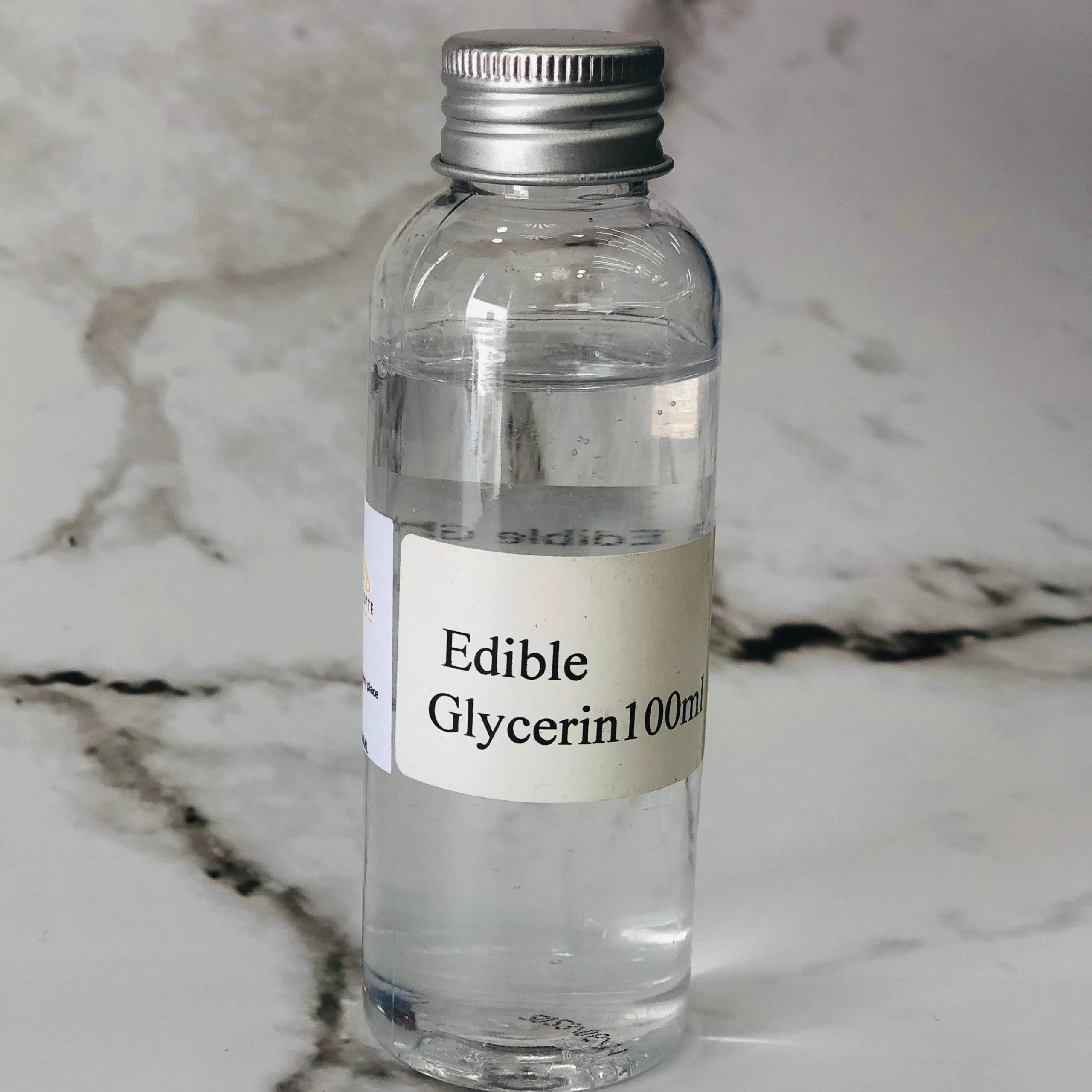
In today’s competitive manufacturing landscape, sourcing high-quality raw materials is more than a logistical necessity—it is a strategic advantage. Among these essential materials, food grade glycerin stands out for its multifunctional role in food, beverage, and nutraceutical production. Whether you are creating confectionery, bakery items, functional beverages, or supplements, the quality of glycerin directly impacts texture, shelf life, sweetness, and overall product performance. For factories and manufacturers searching for food grade glycerin near me, understanding the market, quality standards, and sourcing strategies is crucial.
At MT Royal, we have collaborated with numerous production facilities, providing reliable access to high-grade glycerin and helping manufacturers integrate it seamlessly into their operations. In this article, we explore the fundamentals, industrial applications, sourcing strategies, and best practices for food grade glycerin to help your factory optimize both efficiency and product quality.
Glycerin, also known as glycerol, is a naturally occurring polyol with a unique combination of sweetness, hygroscopicity, and solvent properties. Food grade glycerin meets stringent safety and purity standards, ensuring suitability for human consumption and regulatory compliance in industrial applications.
Its industrial importance is multifaceted:
- Acts as a humectant, preserving moisture in confectionery, bakery, and snack products
- Serves as a solvent for flavors, colorants, and active ingredients
- Provides sweetness without spiking blood sugar, supporting functional and health-focused products
- Enhances texture, smoothness, and shelf life in processed foods
Factories sourcing high-quality glycerin gain not only functional advantages but also compliance with food safety regulations and consumer trust in their products.
Key Physical and Chemical Properties
For manufacturers, understanding glycerin’s properties is essential for consistent production:
- Viscosity: Determines flow and mixing efficiency in industrial equipment
- Hygroscopicity: Helps retain moisture in moisture-sensitive products
- Solubility: Fully miscible with water and alcohol, useful for diverse formulations
- Sweetness profile: Approximately 60% as sweet as sucrose, allowing for reduced sugar formulations
These properties make glycerin a versatile ingredient across multiple industrial applications.
LATAMARKO LM60 – Premium Spanish-Origin Cocoa Powder
latamarko alkalized cocoa powder lm60
cocoa powder for chocolate production-Best price
Food industry raw materials – list of products
Types of Gelatin from Turkish Manufacturer
Common Mistakes in Sourcing Food Grade Glycerin
Even experienced procurement teams can encounter challenges when searching for food grade glycerin near me. Some of the most common mistakes include:
- Overlooking certification: Only glycerin certified as food grade ensures regulatory compliance and product safety.
- Ignoring supplier traceability: Lack of batch-level documentation can lead to inconsistent quality and production issues.
- Neglecting storage conditions: Glycerin’s hygroscopic nature makes it prone to moisture absorption and contamination if improperly stored.
- Prioritizing cost over functionality: Cheaper options may compromise viscosity, sweetness, or solubility.
In our work with industrial manufacturers, we have found that evaluating supplier documentation, testing functionality in-house, and establishing clear storage protocols significantly reduces sourcing risks.
Types of Food Grade Glycerin
Standard vs. Organic
While standard food grade glycerin is suitable for most industrial applications, organic food grade glycerin is preferred for clean-label or organic-certified products. Its advantages include:
- Compliance with USDA, EU Organic, and other international standards
- Full traceability from certified organic feedstocks
- Compatibility with marketing and labeling requirements for organic products
Vegetable-Derived Glycerin
Most food grade glycerin is derived from vegetable oils such as palm, soybean, or rapeseed oil. Vegetable-derived glycerin provides:
- Consistent chemical and functional properties
- Minimal off-flavors or odors
- Renewable and sustainable feedstock options
Pharmaceutical-Grade Considerations
Certain applications, particularly in nutraceuticals or functional beverages, may require pharmaceutical-grade glycerin for added purity and microbial control.
Industrial Applications of Food Grade Glycerin
Confectionery
In candy and sweet production, glycerin functions as a humectant, sweetener, and texture enhancer:
- Retains moisture in hard and soft candies
- Prevents crystallization in fondants, syrups, and fillings
- Extends shelf life and preserves chewiness in gummies
Its ability to balance moisture without over-sweetening makes glycerin indispensable in confectionery lines.
Bakery and Pastry
Bakeries leverage glycerin to improve product texture and shelf life:
- Maintains moisture in cakes, muffins, and pastries
- Enhances dough elasticity in high-sugar or high-fat formulations
- Stabilizes fillings, icings, and glazes
For automated baking operations, glycerin ensures consistency across large production batches.
Beverages and Nutritional Products
Glycerin serves as a solvent and sweetness modifier in liquid formulations:
- Dissolves flavors, vitamins, and functional ingredients
- Adds subtle sweetness without affecting glycemic response
- Enhances stability in syrups, beverages, and protein shakes
Functional Foods and Supplements
Beyond traditional food applications, glycerin is used in protein powders, nutraceuticals, and liquid supplements to improve texture, solubility, and bioavailability.
Large-Scale Industrial Considerations
Functional Performance
Manufacturers must consider glycerin’s performance characteristics:
- Viscosity control: Essential for automated dosing and mixing systems
- Ingredient compatibility: Ensures solubility and stability in complex formulations
- Moisture management: Prevents over-hygroscopicity and product stickiness
Storage and Handling
Proper handling ensures long-term stability:
- Store in cool, dry environments (<25°C)
- Use airtight, food-grade containers to prevent moisture absorption
- Implement batch rotation and inventory monitoring
Supply Chain Reliability
A reliable supply of glycerin near your facility is crucial:
- Verify supplier production capacity and consistency
- Confirm shipping and storage conditions
- Maintain contingency inventory to prevent production downtime
At MT Royal, we provide guidance and support to ensure uninterrupted access to food grade glycerin, minimizing operational risks.
Comparing Glycerin Options
| Type | Purity | Source | Industrial Advantages | Ideal Applications |
|---|---|---|---|---|
| Standard food grade | ≥99% | Vegetable/synthetic | Cost-effective, versatile | Confectionery, bakery, beverages |
| Organic food grade | ≥99% | Certified organic vegetable | Compliance, traceable, clean-label | Organic foods, functional products |
| Pharmaceutical grade | ≥99.5% | Vegetable/synthetic | High purity, microbial control | Supplements, nutraceuticals |
This comparison enables manufacturers to match glycerin type to product requirements while balancing cost, compliance, and functionality.
Emerging Trends in Glycerin Applications
- Clean-label and organic demand: Consumers increasingly prefer natural, transparent ingredients.
- Functional and fortified products: Glycerin helps deliver bioactive compounds efficiently.
- Sustainable sourcing: Renewable vegetable feedstocks reduce environmental impact.
- Global regulatory alignment: Certified food grade glycerin ensures compliance in international markets.
Adapting production processes to these trends ensures competitiveness and regulatory adherence.
Frequently Asked Questions
How do I find certified food grade glycerin near me?
Search for suppliers with verified certifications, traceable supply chains, and reliable delivery capabilities. MT Royal offers networks for consistent industrial sourcing.
What storage practices extend glycerin’s shelf life?
Keep in a cool, dry environment, in airtight containers, and monitor batches for consistency.
Can glycerin be used in both solid and liquid formulations?
Yes, it is fully soluble in water and alcohol, suitable for syrups, candies, and beverages.
How do I ensure consistent quality across batches?
Request batch COAs, perform functionality tests, and work with reputable suppliers like MT Royal.
Strategic Recommendations for Manufacturers
Sourcing food grade glycerin near me is not just about proximity; it is a strategic decision impacting product quality, compliance, and production efficiency. Key takeaways include:
- Assess functionality, solubility, and ingredient compatibility
- Verify supplier credibility and traceability
- Implement strict storage, handling, and inventory management
- Align sourcing decisions with product development and market positioning
Investing in high-quality food grade glycerin ensures smoother production, improved product consistency, and compliance with evolving consumer expectations and regulatory standards.

No comment