

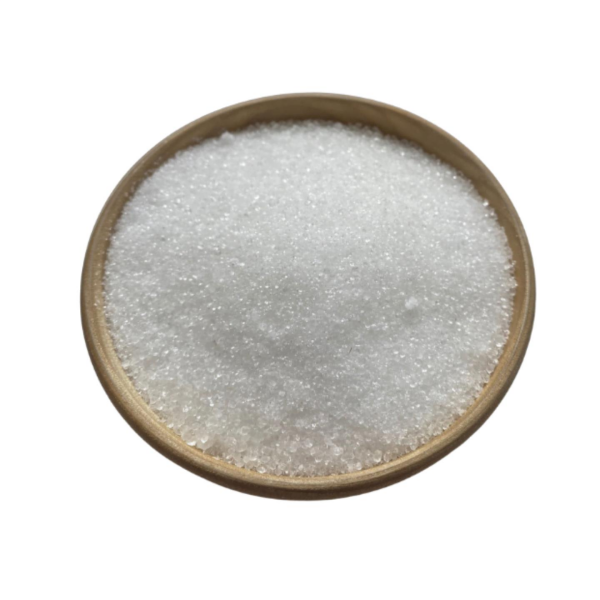
In highly competitive industrial environments, the choice of raw materials is not a background decision—it’s a strategic one that influences product quality, regulatory compliance, cost efficiency, and supply chain resilience. One such critical ingredient across food, beverage, pharmaceutical, and specialty chemical manufacturing is Food Grade | Sitrik asit monohidrat. Used for its acidity, preservative characteristics, and chelating properties, citric acid monohydrate is at the crossroads of quality control and operational excellence. If your factory is evaluating or planning to source this compound, understanding its technical specifications, industrial applications, sourcing pitfalls, and quality benchmarks is essential.
For industrial buyers seeking optimal performance and reliability, suppliers like MT Royal have played a pivotal role in delivering consistent quality materials. In our collaboration with various factories, we have seen that selecting the right grade and trusted supplier for Food Grade | Sitrik asit monohidrat can significantly enhance process stability and reduce downstream risks.
This comprehensive article is designed to provide you with an expert‑level understanding of citric acid monohydrate—from fundamentals to best procurement strategies—ensuring your sourcing decisions are grounded in industry reality, not guesswork.
LATAMARKO LM60 – Premium Spanish-Origin Cocoa Powder
latamarko alkalized cocoa powder lm60
cocoa powder for chocolate production-Best price
Food industry raw materials – list of products
Types of Gelatin from Turkish Manufacturer
What Is Citric Acid Monohydrate?
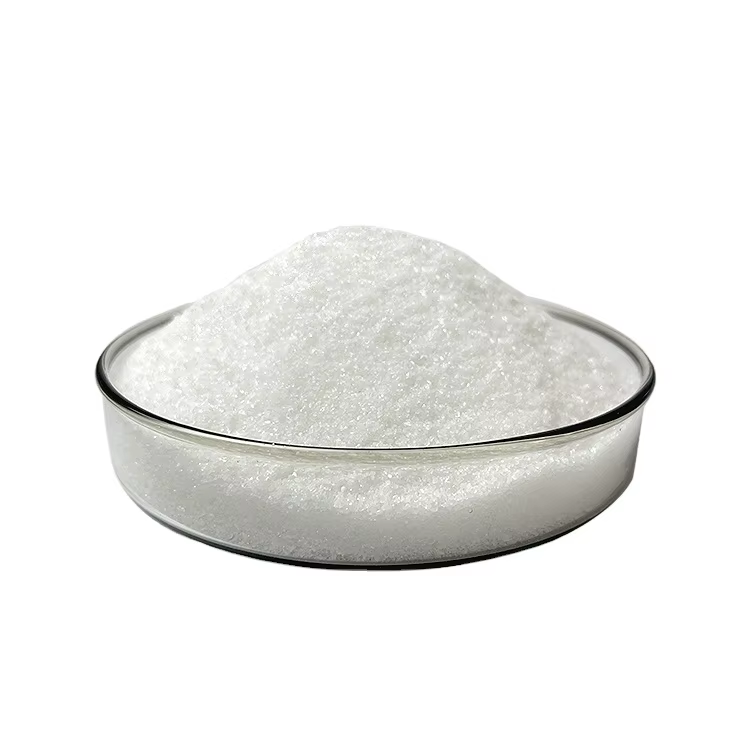
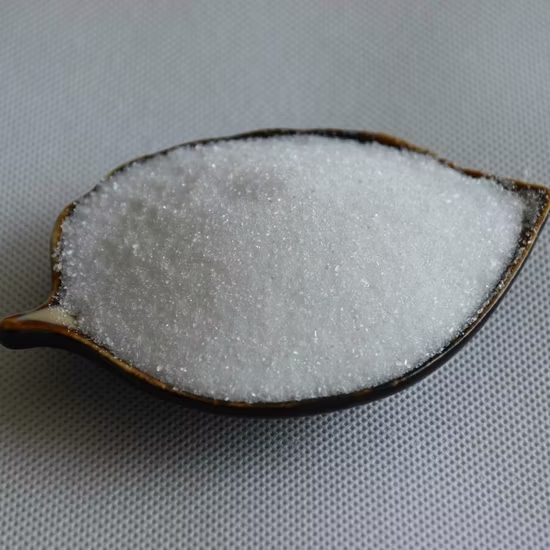
Citric acid monohydrate, often simply referred to as citric acid when in its hydrated form, is an organic acid naturally found in citrus fruits. Its chemical name is 2‑hydroxypropane‑1,2,3‑tricarboxylic acid monohydrate, and it typically appears as a white crystalline powder with a sour taste. In industrial settings, it is valued for its acidity (measured by pH adjustment), preservative effects, and chelating ability to bind metal ions.
The term Food Grade | Sitrik asit monohidrat explicitly denotes a high‑purity, certified grade suitable for use in food and beverage processes, adhering to stringent safety and quality standards. This grade is different from industrial or technical grades, which may be acceptable for applications where human consumption is not involved.
Chemical and Physical Properties
The molecular formula for citric acid monohydrate is C₆H₈O₇·H₂O, with properties that influence how it behaves in manufacturing processes:
- Solubility: Highly soluble in water, allowing easy integration into liquid formulations.
- pH Adjustment: As a weak organic acid, it effectively lowers pH when dissolved, making it valuable for acidity control.
- Chelation: It forms complexes with metal ions such as calcium or magnesium, which can prevent undesirable reactions in product formulations.
These intrinsic properties make Food Grade | Sitrik asit monohidrat versatile across sectors such as food and beverage, pharmaceuticals, cosmetics, and industrial cleaning.
Why Food Grade | Sitrik Asit Monohidrat Matters for Factories
Acidity Control in Food and Beverages
Acidity regulation is critical for flavor balance, microbial stability, and product shelf life in beverages, candies, sauces, dairy products, and canned goods. Citric acid monohydrate effectively replaces synthetic acids while providing consumer appeal due to its natural connotation.
Preservative and Antioxidant Roles
By lowering pH and binding metal catalysts, citric acid monohydrate slows oxidation and microbial growth. In products susceptible to spoilage, this property reduces wastage and enhances safety.
Product Consistency
Manufacturers depend on consistent raw material behavior. Food grade citric acid monohydrate offers predictable performance in pH adjustment, chelation, and formulation stability, which is particularly important in high‑volume production.
Specialty Industrial Uses
Beyond food, this compound supports:
- Pharmaceuticals: Adjusting pH in oral syrups or effervescent tablets.
- Cosmetics: Regulating pH in creams and lotions.
- Industrial Cleaning: Serving as a biodegradable chelating agent.
The breadth of applications underscores why sourcing high‑quality Food Grade | Sitrik asit monohidrat is more than a routine procurement task — it’s a production strategy.
Industrial Applications and Case Examples
1. Beverage Manufacturing
In soft drinks, fruit juices, and functional beverages, acidity influences flavor perception and shelf stability. Citric acid monohydrate provides sharp, clean acidity while ensuring microbial resistance without compromising sensory profiles.
Example: A beverage plant reformulating its product line replaced lower‑grade acids with food grade citric acid monohydrate to standardize pH across batches—resulting in consistent taste and improved shelf stability.
2. Dairy and Cheese Processing
Citric acid monohydrate acts as a coagulant in cheese making by adjusting pH, aiding in curd formation, and preventing unwanted mineral precipitation. Its precise solubility and controlled acidity make it indispensable in such sensitive formulations.
3. Confectionery and Baking
In candies and baked goods, citric acid monohydrate enhances flavor brightness and serves as a stabilizer. Its chelating property improves texture by binding excess metal ions that may interfere with sugar crystallization.
4. Pharmaceuticals
Used as a pH adjuster and flavor enhancer in syrups, chewable tablets, and effervescent formulations, this compound meets regulatory demands for food‑contact safety. It also supports better active ingredient stability.
5. Cosmetics and Personal Care
In skin care products, the acidity is crucial for compatibility with the skin’s natural pH. Citric acid monohydrate helps maintain product stability and enhances preservative performance without harshness.
6. Industrial Cleaning
As an environmentally friendly chelating agent, citric acid monohydrate replaces harsher chemicals in detergents, descalers, and heavy equipment cleaning applications—reducing environmental and worker health risks.
Technical Specifications: What Manufacturers Should Know
Understanding specifications ensures that your Food Grade | Sitrik asit monohidrat meets regulatory expectations and process requirements.
Purity Standards
- Assay: Typically ≥ 99.5% citric acid on a dry basis.
- Water Content: Controlled to prevent clumping while ensuring process consistency.
- Heavy Metals: Strict limits on lead, arsenic, cadmium, and mercury in food grade materials.
Particle Size Distribution
Particle size affects dissolution rates and blending behavior. Fine crystals dissolve quickly, essential in liquid formulations, while larger particles may be appropriate for dry blending operations.
Hygroscopicity
Citric acid monohydrate can absorb moisture from the air, which may lead to caking if not stored properly. Proper moisture control and packaging are critical to maintain flowability.
These parameters are scrutinized in quality assurance testing and must align with regulatory guidelines such as national food safety standards or international norms like Codex Alimentarius.
Common Mistakes in Sourcing Food Grade | Sitrik Asit Monohidrat
Even experienced procurement teams fall into common errors that impact quality and costs.
1. Confusing Grades
Not all citric acid monohydrate is equal. Industrial, pharmaceutical, and food grades differ in allowable impurities and testing standards. Using a lower grade in food applications can lead to regulatory non‑compliance and product recalls.
2. Ignoring Supplier Certification
Selecting suppliers without certified quality management systems (such as ISO 9001) increases the risk of inconsistent batches. Reliable suppliers like MT Royal provide documentation including certificates of analysis (CoA), verifying that each lot meets required criteria.
3. Focusing Only on Price
While unit cost matters, sourcing decisions should incorporate total cost of ownership, including waste reduction, consistency, and compliance assurance. An inexpensive product with variable quality can result in greater overall expense.
4. Poor Storage Planning
Citric acid monohydrate’s hygroscopic nature means insufficient moisture control during storage leads to clumping or degradation. Ensuring proper warehousing conditions prevents process interruptions.
5. Neglecting Regulatory Updates
Food safety regulations evolve. Failing to track changes in acceptable limits, labelling requirements, or testing protocols may jeopardize product legality in certain markets.
Practical Procurement and Integration Strategies
Effective sourcing of Food Grade | Sitrik asit monohidrat requires a strategic approach that aligns with your manufacturing cycles and quality systems.
Forecast Demand with Precision
Industrial users should maintain accurate forecasts tied to production schedules to minimize lead times and inventory risks. Long‑term contracts with volume commitments help secure pricing stability and priority supply.
Establish Supplier Qualification Process
Develop a structured qualification protocol that includes:
- Supplier audits
- Review of quality systems and certifications
- Historical performance evaluation
- Sample testing before bulk orders
This approach reduces supplier risk and enhances quality consistency.
Ensure Transparent Quality Documentation
Every shipment should come with:
- Certificate of analysis (CoA)
- Batch traceability documents
- Compliance reports relative to food safety standards
These records streamline internal audits and regulatory inspections.
Integrate Quality Checks into Receiving Procedures
Upon delivery, implement checks such as:
- Verification of label compliance
- Moisture content evaluation
- pH performance tests in representative applications
This proactive stance prevents downstream issues in production lines.
Maintain Environmental Controls in Storage
To preserve product integrity:
- Use dry, climate‑controlled storage areas
- Rotate stock using first‑in, first‑out (FIFO) discipline
- Inspect pallets routinely for signs of moisture ingress
Humidity control ensures consistent material behavior at the point of use.
Comparisons and Use Case Lists for Industrial Buyers
Comparing procurement criteria helps decision‑making. Below is a snapshot of common considerations for Food Grade | Sitrik asit monohidrat procurement versus alternatives.
| Criterion | Food Grade Citric Acid Monohydrate | Technical/Industrial Grade |
|---|---|---|
| Food Safety Compliance | Required | Not recommended |
| Purity (Assay) | ≥ 99.5% | Variable |
| Packaging Standards | Food‑contact certified | Industrial packaging |
| Heavy Metal Limits | Strict | Relaxed |
| Regulatory Documentation | Essential | Limited |
| Process Applications | Food, pharma, cosmetic | Cleaning, industrial pH control |
This comparison underscores the importance of matching grade to application. Food grade is non‑negotiable when the end product is intended for human consumption.
Advanced Insights and Trends in Citric Acid Usage
Industrial patterns and emerging trends influence how factories plan their citric acid requirements.
Increased Demand in Clean‑Label Formulations
Consumer preference for “clean label” products has elevated the use of naturally derived ingredients, including food grade citric acid monohydrate, reinforcing its role as a preferred acidity regulator over artificial additives.
Emphasis on Sustainability
Manufacturers prioritize environmentally friendly sourcing and energy‑efficient production processes. Citric acid’s biodegradability aligns with sustainability goals, making it attractive for eco‑focused brands.
Regulatory Harmonization
Global trade agreements and updated food safety protocols push suppliers to meet harmonized standards, fostering better cross‑border material compatibility for multinational manufacturers.
Integration of Digital Traceability
Suppliers increasingly provide digital batch tracking and blockchain‑compatible documentation. This trend enhances transparency and supports quality audits across complex supply chains.
Frequently Asked Questions from Factory Managers and Procurement Teams
What distinguishes citric acid monohydrate from anhydrous citric acid?
Monohydrate includes one molecule of water and typically dissolves differently than anhydrous forms. Manufacturers choose based on solubility needs and handling characteristics.
Is food grade always necessary for consumer products?
Yes, if there is any direct or indirect human consumption, food grade certification is mandatory to ensure regulatory compliance and safety.
How does supplier selection affect production consistency?
A reliable supplier with consistent quality minimizes batch‑to‑batch variation, reducing formulation adjustments and potential recalls.
Can citric acid monohydrate affect metal equipment?
Its chelating action can interact with metals; proper equipment materials (e.g., stainless steel) and process controls mitigate corrosion risks.
What are key quality tests upon material receipt?
Common checks include moisture content, assay verification, heavy metal screening, and solubility assessment.
Final Reflections
Sourcing Food Grade | Sitrik asit monohidrat is not merely a procurement line item—it is an operational decision that affects product quality, manufacturing efficiency, and supply chain resilience. In industries ranging from beverages to pharmaceuticals, the choice of grade, supplier reliability, and quality control strategy all converge to define performance outcomes.
At MT Royal, we recognize that factories require material partners who understand not only specifications but also real‑world integration challenges. Thoughtful forecasting, rigorous supplier qualification, and adherence to quality documentation are foundational to ensuring that this essential ingredient performs exactly as expected.
As your factory evaluates current and future sourcing strategies, consider how citric acid monohydrate fits within your broader quality ecosystem. Choosing the right grade and the right partner lays the groundwork for predictable production, regulatory confidence, and lasting market success.
Click the list of MT Royal food ingredients
Latamarko Turkish cocoa butter
Pastino, producer of demineralized whey powder in Türkiye
MT Royal Türkiye food industry raw materials
Latamarko Medium-Fat Cocoa Powder
Latamarko High-Fat Cocoa Powder



No comment