

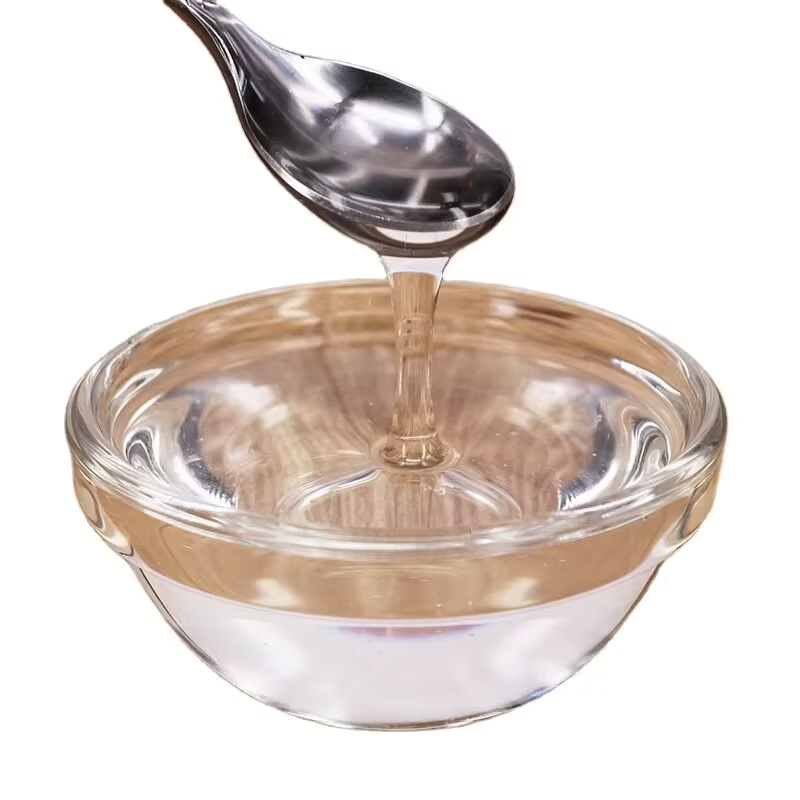
In today’s dynamic food and beverage industry, the quality and reliability of raw materials directly impact production efficiency and product consistency. If you are seeking a trusted glucose syrup supplier in UAE, understanding the market, quality standards, and supplier reliability is crucial. MT Royal has established itself as a dependable partner for manufacturers across the region, offering competitive pricing and a variety of glucose syrup options to meet diverse industrial requirements. In this article, we will explore everything you need to know about sourcing glucose syrup in the UAE—from fundamental definitions to procurement tips, industrial-scale considerations, and frequently asked questions—ensuring you make informed decisions for your production line.
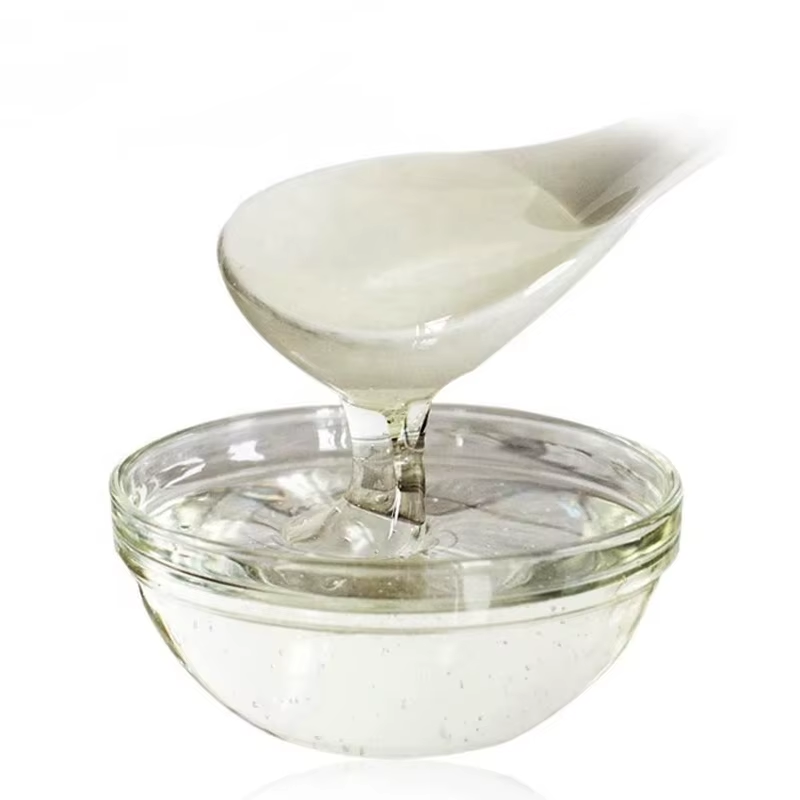
Glucose syrup, often called corn syrup in some regions, is a viscous liquid derived from starch. It serves as a key ingredient in confectionery, bakery products, beverages, and other processed foods. Its primary purpose is to provide sweetness, moisture retention, and improved texture in end products.
Key points about glucose syrup:
- Source: Typically produced from corn, wheat, or cassava starch.
- Composition: Mainly glucose, maltose, and other oligosaccharides, with minimal sucrose content.
- Functionality: Acts as a humectant, thickening agent, and stabilizer in various recipes.
- Grades: Varying dextrose equivalent (DE) values determine sweetness and viscosity—higher DE means higher sweetness and lower viscosity.
Understanding these basics helps manufacturers select the right grade for specific applications, whether it’s soft candies, bakery fillings, or beverages.
Why Selecting the Right Supplier Matters
Procurement decisions are often underestimated, yet they can have a significant impact on production efficiency and cost. Choosing the right glucose syrup supplier in UAE ensures:
- Consistency in quality: Avoiding fluctuations that affect product texture and shelf life.
- Reliable delivery schedules: Essential for uninterrupted production cycles.
- Competitive pricing: Ensures cost-effective operations without compromising quality.
At MT Royal, we’ve collaborated with various factories and seen firsthand how reliable sourcing can prevent production downtime and improve end-product uniformity.
Common Mistakes in Industrial Glucose Syrup Procurement
Even experienced production managers can fall into common pitfalls when sourcing glucose syrup. Some examples include:
- Focusing solely on price: Low-cost suppliers may compromise on purity, leading to quality issues.
- Ignoring DE value differences: Using the wrong DE grade can alter sweetness, viscosity, or processing behavior.
- Neglecting storage conditions: Glucose syrup is hygroscopic; improper storage can lead to crystallization or microbial growth.
- Overlooking supplier reliability: Frequent delays or inconsistent batches disrupt production.
We often advise factories to evaluate suppliers holistically, considering quality, consistency, logistical capabilities, and customer support.
Industrial Considerations for Large-Scale Production
For manufacturers operating at scale, specific operational considerations are critical:
- Bulk Ordering: Ensure your supplier can meet volume demands without delays. MT Royal specializes in bulk supply, providing flexible delivery solutions for large industrial clients.
- Quality Monitoring: Implement batch testing to confirm DE value, moisture content, and purity.
- Integration into Production Line: Viscosity and flow properties must match machinery specifications to prevent processing issues.
- Storage Infrastructure: Maintain controlled temperature and humidity levels to preserve syrup quality.
These steps not only guarantee product consistency but also reduce wastage and downtime.
Comparison and Selection Tips for Manufacturers
When evaluating suppliers, consider:
| Criteria | Ideal Characteristics | Notes |
|---|---|---|
| Quality Standards | Compliance with ISO/FDA standards, consistent DE value | Look for certifications and lab reports |
| Range of Products | Multiple DE grades, customized solutions | Enables versatility for different applications |
| Reliability & Delivery | Timely shipment, flexible logistics | Avoid production delays |
| Price & Payment Terms | Competitive rates, flexible credit options | Cost-efficiency is critical in large-scale operations |
| Customer Support | Technical guidance, problem-solving assistance | Adds value beyond product supply |
We’ve seen that manufacturers choosing suppliers who meet these criteria experience smoother operations and better product outcomes.
Frequently Asked Questions by Factory Managers
1. What DE value is best for soft candies?
Soft candies typically require medium DE syrup (42–55 DE) for optimal texture and sweetness.
2. Can glucose syrup replace sucrose entirely in recipes?
It depends on the application. While glucose syrup provides moisture and reduces crystallization, sucrose contributes to bulk sweetness and structure. Many recipes combine both for ideal results.
3. How should glucose syrup be stored?
Store in a cool, dry area with airtight containers to prevent moisture absorption and microbial contamination.
4. Are there specialty syrups available?
Yes. Suppliers like MT Royal offer various options, including organic or non-GMO syrups, as well as different viscosity grades for industrial use.
Real-Life Insights and Anecdotes
We’ve worked with production facilities across the UAE and observed common scenarios:
- A bakery manufacturer initially sourced a low-cost syrup that caused premature crystallization in fillings. Switching to a reliable supplier ensured uniform product quality and reduced waste by 18%.
- Beverage factories benefit from selecting syrups with specific DE values, improving beverage clarity and sweetness control.
These examples highlight that selecting the right supplier is not merely a procurement decision—it directly impacts product performance and profitability.
Advanced Tips for Industrial Efficiency
- Automation Compatibility: Ensure syrup viscosity aligns with pumping and mixing systems.
- Batch Labeling and Traceability: Maintain records for quality audits and regulatory compliance.
- Supplier Collaboration: Share production forecasts to avoid shortages and negotiate bulk advantages.
- Regular Quality Audits: Implement in-house checks to detect deviations early.
We’ve observed that factories proactively managing these aspects achieve higher throughput, fewer operational hiccups, and stronger relationships with suppliers.
Conclusion
Selecting a glucose syrup supplier in UAE is more than a transactional decision—it’s a strategic move that affects product quality, operational efficiency, and profitability. By understanding product specifications, avoiding common procurement mistakes, and partnering with a reliable supplier like MT Royal, manufacturers can secure consistent, high-quality syrup while optimizing production processes. Thoughtful sourcing, combined with industry knowledge and supplier collaboration, ensures your products meet customer expectations and maintain competitive advantage.


No comment