

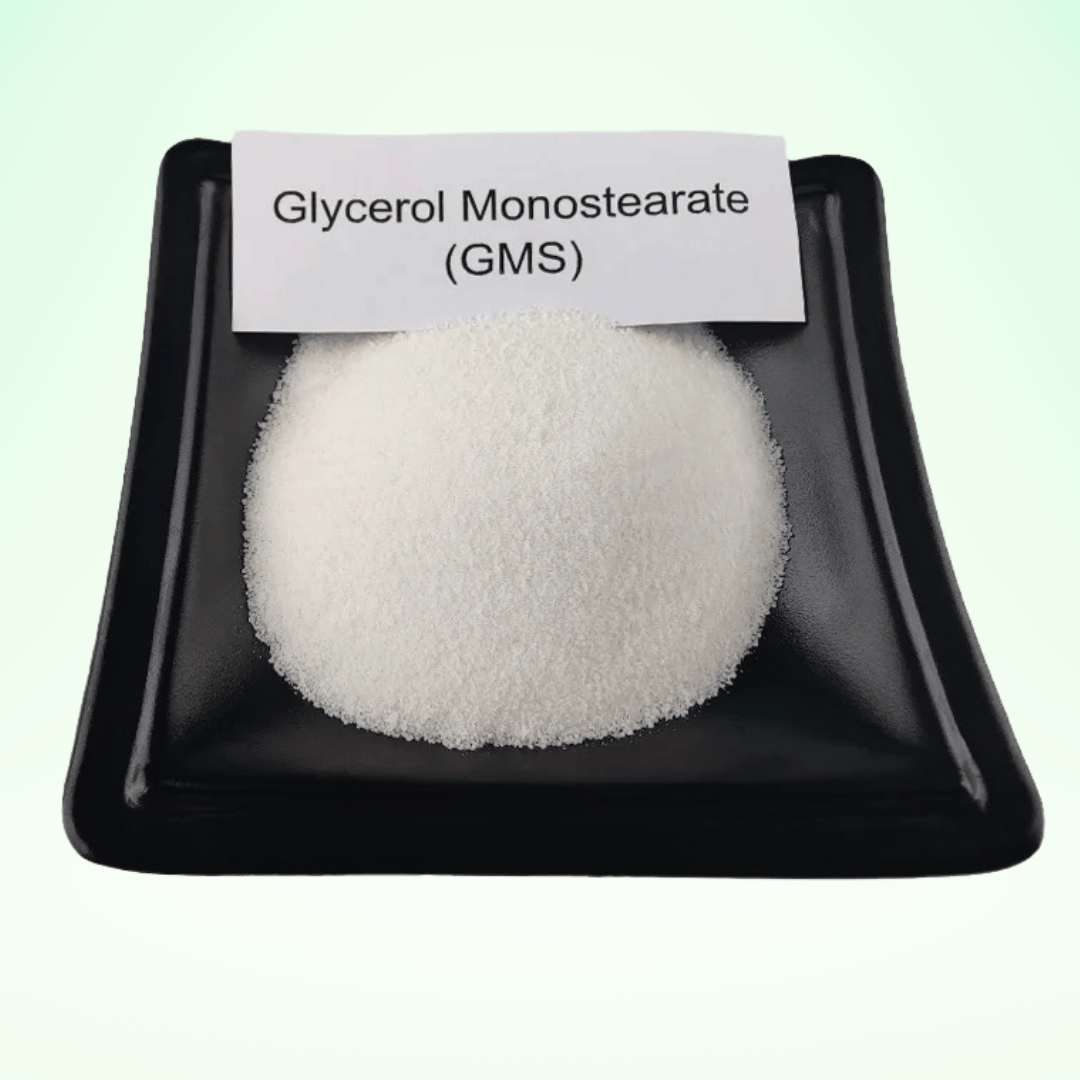
In industrial food, cosmetic, and pharmaceutical production, the choice of emulsifiers and texture modifiers can define both product quality and operational efficiency. Glycerol Monostearate GMS Wholesale is not just a functional additive; it is a strategic ingredient that enables consistent texture, enhanced stability, and optimized processing across large-scale manufacturing lines. Factories that source from reliable distributors like MT Royal benefit not only from competitive pricing but also from multiple brand options and consultative support for formulation optimization.
Understanding the technical properties, sourcing considerations, and practical applications of GMS can transform it from a simple emulsifier into a core driver of production efficiency. In this article, we explore its chemistry, functionality, industrial applications, procurement strategies, and best practices for large-scale manufacturing.
What is Glycerol Monostearate (GMS)?
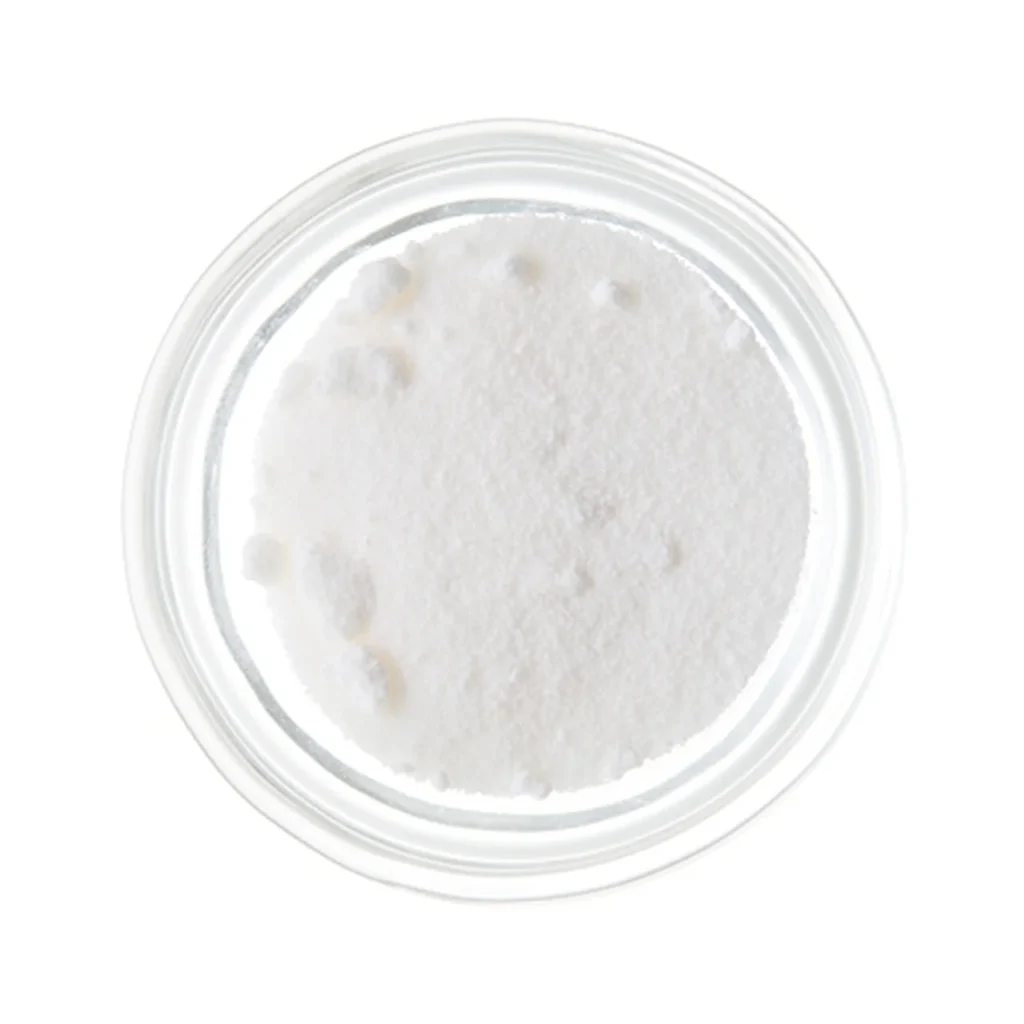
Glycerol Monostearate, commonly referred to as GMS, is an ester of glycerol and stearic acid, widely used as an emulsifier, stabilizer, and texture enhancer. It is available in food, cosmetic, and pharmaceutical grades and plays multiple roles depending on the application.
GMS exhibits amphiphilic properties, meaning it contains both hydrophilic (water-attracting) and lipophilic (fat-attracting) components. This dual nature allows it to stabilize emulsions, improve texture, and enhance moisture retention in a variety of industrial formulations.
- Emulsion Stabilization – GMS aligns at the oil-water interface, preventing separation and maintaining consistent product texture, which is critical in large-scale production.
- Moisture Retention – By interacting with water and fat molecules, GMS helps maintain desired product softness and prolong shelf life.
- Texture Modification – It adjusts viscosity, improves spreadability, and ensures uniform mouthfeel in food and cosmetic formulations.
- Processing Aid – In bakery and confectionery, GMS improves machinability and reduces product sticking, enhancing line efficiency.
By understanding these core functionalities, manufacturers can strategically incorporate GMS to optimize product performance and minimize production variability.
Why Wholesale Procurement Matters for Factories
Large-scale operations rarely purchase GMS in small quantities. Procuring GMS wholesale offers distinct operational advantages:
- Cost Efficiency – Bulk purchases reduce per-unit costs, optimize shipping, and minimize packaging expenses.
- Supply Chain Security – Consistent access to GMS ensures uninterrupted production, avoiding downtime that can affect throughput.
- Batch Consistency – Using a standardized source reduces variability between batches, ensuring uniform product quality for both local and export markets.
In our collaboration with multiple factories, we have seen that production lines using strategically sourced GMS demonstrate improved consistency and reduced rework, underscoring the importance of supplier reliability.
Industrial Applications of GMS
GMS’s versatility makes it valuable across multiple industrial sectors, with its primary applications in bakery, confectionery, cosmetics, and pharmaceuticals.
Bakery Applications
- Dough Conditioning and Gluten Strengthening – GMS interacts with gluten and starch to strengthen dough, enhancing gas retention and loaf volume. This property is particularly important in automated, high-speed bakery lines, where mechanical stress can otherwise reduce consistency.
- Crumb Softening and Shelf-Life Extension – GMS complexes with starch to slow retrogradation, keeping bread softer for longer. This allows manufacturers to extend distribution windows and reduce product returns.
- Improved Machinability – By reducing stickiness, GMS enables dough to flow smoothly through sheeters, dividers, and moulders, improving line efficiency and reducing labor interventions.
Confectionery and Chocolate Production
- Fat Stabilization – In chocolate and spreads, GMS prevents fat bloom and promotes smooth texture. Proper dosage ensures consistency without altering flavor.
- Aeration Control – It can improve foam stability in aerated products like marshmallows or whipped confectionery, ensuring uniform texture throughout the batch.
Cosmetic and Personal Care Formulations
- Emulsion Stability – GMS stabilizes oil-in-water emulsions in lotions, creams, and hair products, ensuring uniform texture and preventing phase separation during storage.
- Moisture Retention – It acts as a humectant, improving hydration in skin and hair formulations while maintaining product integrity under varying temperatures.
Pharmaceutical Applications
- Tablet Coating and Encapsulation – GMS improves dispersion of active ingredients and enhances coating uniformity in tablets and capsules.
- Controlled Release Formulations – By modifying lipid matrices, it supports controlled release properties in solid and semi-solid dosage forms.
Technical Specifications to Consider
Selecting the right GMS for industrial use requires careful attention to technical parameters:
- Purity and Active Content – Higher purity ensures consistent emulsifying properties and reduces the need for excessive dosage.
- Melting Point and HLB Value – Critical for determining suitability in specific formulations, particularly for bakery and chocolate applications.
- Moisture Content – Excess moisture can reduce shelf life and promote clumping; low-moisture GMS ensures stability during storage.
- Particle Size – Fine powders disperse more rapidly, improving integration and reducing processing challenges.
- Odor and Taste Neutrality – High-quality GMS should be organoleptically neutral to avoid affecting final product flavor.
Evaluating these parameters ensures predictable performance in your manufacturing environment.
Common Industrial Sourcing Mistakes
Even seasoned procurement teams can make errors when sourcing GMS:
- Focusing Only on Price – Low-cost options may require higher usage rates, reducing cost efficiency and introducing variability.
- Ignoring Supplier Documentation – Missing COAs or regulatory compliance documents can cause legal issues and production delays.
- Neglecting Storage Considerations – GMS is hygroscopic; improper storage can lead to caking and uneven dispersion in formulations.
- Overlooking Technical Support – Suppliers who cannot advise on dosage, process optimization, or troubleshooting may limit your operational efficiency.
Avoiding these pitfalls ensures that GMS contributes positively to both production quality and cost control.
Comparing GMS with Other Emulsifiers
Manufacturers often evaluate GMS alongside alternatives like Sodium Stearoyl Lactylate (SSL), Calcium Stearoyl Lactylate (CSL), and Mono- and Diglycerides:
- GMS vs SSL – While both improve dough stability, GMS is calcium-free, better for softer texture and moisture retention, whereas SSL is stronger for dough strength.
- GMS vs CSL – CSL is preferred in bread for crumb softness and shelf-life extension, while GMS offers broader functionality in confectionery and fat-based systems.
- GMS vs Mono- and Diglycerides – GMS is more effective at stabilizing emulsions and controlling texture in both aqueous and lipid-rich systems, whereas mono- and diglycerides primarily act as surface-active agents.
Selecting the right emulsifier requires understanding both product goals and process requirements.
Industrial Processing Tips for Maximum Efficiency
To leverage GMS effectively in large-scale production, consider the following industrial tips:
- Dosage Optimization – Typical ranges are 0.3–1% of flour weight for bakery applications, 0.2–0.5% in confectionery, and variable in cosmetic formulations. Overuse may create undesired textures.
- Dispersion Techniques – Pre-blending with dry ingredients or using high-shear mixers ensures uniform distribution, preventing localized over-concentration.
- Temperature Control – Avoid excessive heat during incorporation, as it may reduce emulsifying efficacy.
- Synergistic Use – Combining GMS with enzymes or other stabilizers can optimize dough texture, improve shelf life, and enhance machine performance.
These approaches reduce production variability and improve batch consistency across industrial lines.
Quality Control and Storage Best Practices
Maintaining the quality of GMS is essential for predictable industrial performance:
- Cool, Dry Storage – Prevents clumping and preserves dispersibility.
- Sealed Packaging – Reduces moisture exposure, maintaining functionality during storage.
- FIFO Inventory Management – Ensures that older stock is used first, preserving ingredient integrity.
- Regular Performance Checks – Testing in small-scale pilot batches helps confirm functionality before large production runs.
Proper storage and monitoring ensure consistent product quality and minimize disruptions.
Cost-in-Use Analysis
In industrial procurement, price per kilogram is only part of the story. Consider:
- Dosage Efficiency – Higher-quality GMS may reduce usage rates, lowering total cost.
- Yield Improvement – Improved dough machinability and spreadability reduce waste and enhance throughput.
- Waste Reduction – Extending product shelf life decreases returns and unsellable inventory.
- Production Continuity – Reliable performance reduces downtime and labor inefficiency.
In our experience, optimizing GMS sourcing can significantly impact overall production economics, often outweighing small price differences between suppliers.
Emerging Trends in GMS Applications
The industrial use of GMS is influenced by evolving trends:
- Clean Label and Transparency – Consumers and retailers increasingly demand full ingredient traceability and sustainable sourcing.
- High-Speed Automation – Fast production lines require emulsifiers with predictable behavior under mechanical stress.
- Sustainability Focus – Eco-friendly sourcing and energy-efficient manufacturing of GMS are becoming key competitive differentiators.
Factories that work with suppliers offering both technical support and sustainability documentation gain strategic advantages in a competitive market.
Supplier Selection Considerations
Choosing the right wholesale supplier is critical:
- Batch Consistency – Ensures predictable product quality.
- Regulatory Documentation – Certificates of analysis, compliance reports, and formulation support are essential.
- Logistics Reliability – Timely delivery prevents production interruptions.
- Technical Advisory Services – Expert guidance helps optimize dosage, troubleshoot issues, and maximize production efficiency.
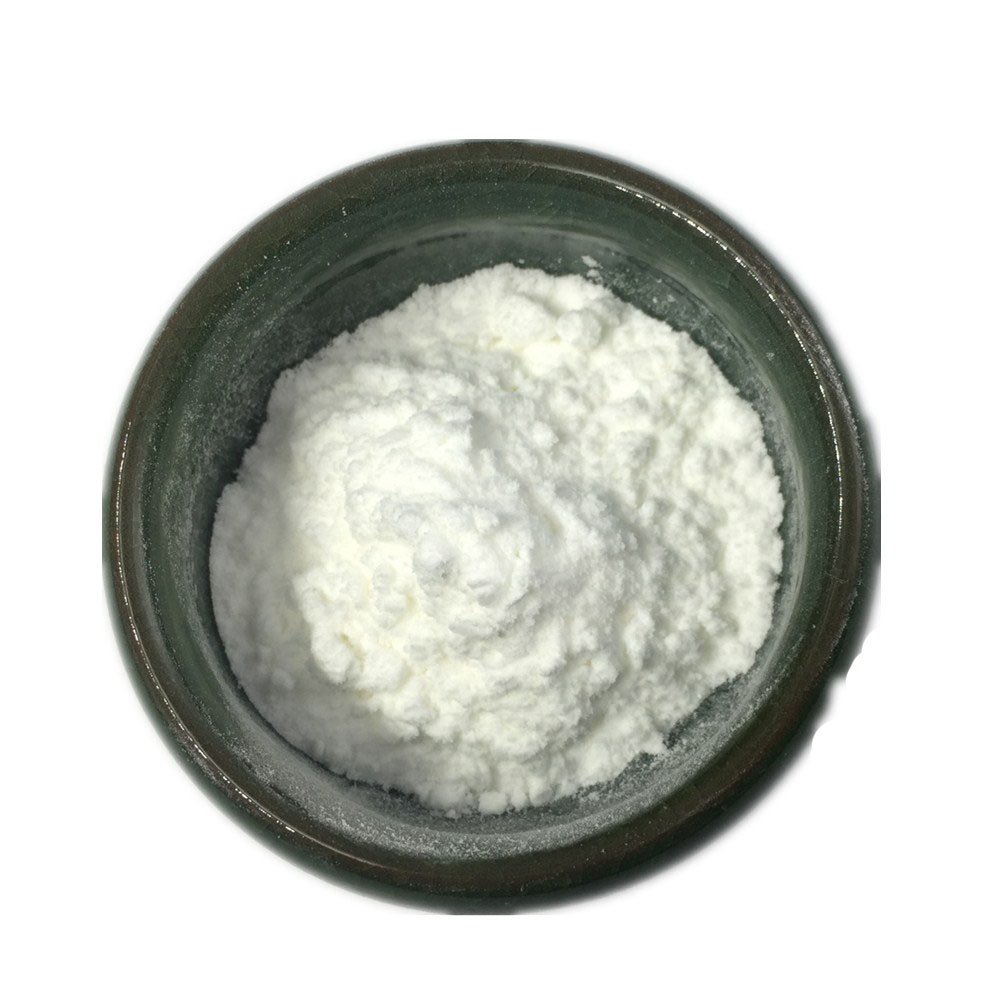
MT Royal provides multiple brands, reliable documentation, and consultative support, allowing manufacturers to focus on operational performance rather than supplier risk.
Frequently Asked Questions
Q: Is GMS suitable for all flour types?
A: Yes, but performance may vary with protein content and flour quality. Adjust dosage to achieve optimal results.
Q: Can GMS replace SSL or CSL?
A: Not entirely. GMS offers broader emulsifying and texture control, while SSL and CSL may provide stronger dough conditioning or specific functional effects.
Q: Does GMS affect flavor?
A: High-quality GMS is neutral in taste and odor, ensuring no impact on final product flavor.
Q: What is the shelf life of bulk GMS?
A: Typically 12–24 months under recommended storage conditions.
Q: Can GMS be used with enzymes or stabilizers?
A: Yes, synergistic use with other ingredients can optimize texture, shelf life, and process performance.
Strategic Advantages for Industrial Manufacturers
For factories producing high volumes, GMS offers several strategic benefits:
- Predictable Production – Reduces variability caused by ingredient or process fluctuations.
- Higher Throughput – Improves machinability and reduces labor interventions.
- Consistent Product Quality – Maintains texture, spreadability, and shelf life across batches.
- Reduced Waste – Longer shelf life and optimized process yield minimize losses.
Manufacturers who treat GMS as a core ingredient rather than a commodity gain operational and commercial advantages that extend beyond immediate production metrics.
Final Perspective
Glycerol Monostearate GMS Wholesale is far more than a simple functional additive—it serves as a cornerstone for industrial efficiency, product uniformity, and competitive advantage in manufacturing. Its unique chemical structure allows it to stabilize emulsions, improve texture, and enhance moisture retention, which collectively ensures that products perform consistently across high-volume production lines. Understanding the precise applications, optimal dosages, and processing considerations enables manufacturers to integrate GMS strategically, reducing waste, minimizing downtime, and improving overall operational reliability.
When paired with a reliable and knowledgeable supplier like MT Royal, factories can confidently source bulk GMS that meets both technical and regulatory requirements, while benefiting from consultative support that optimizes formulation and production outcomes. Thoughtful integration of GMS across bakery, confectionery, cosmetic, and pharmaceutical lines not only enhances product quality but also strengthens process resilience, streamlines manufacturing workflows, and provides a measurable impact on both cost-efficiency and customer satisfaction. For industrial decision-makers, treating GMS as a strategic ingredient rather than a commodity transforms it from a routine additive into a critical lever for sustainable competitive performance.
LATAMARKO LM60 – Premium Spanish-Origin Cocoa Powder
latamarko alkalized cocoa powder lm60
cocoa powder for chocolate production-Best price
Food industry raw materials – list of products
Types of Gelatin from Turkish Manufacturer



No comment