

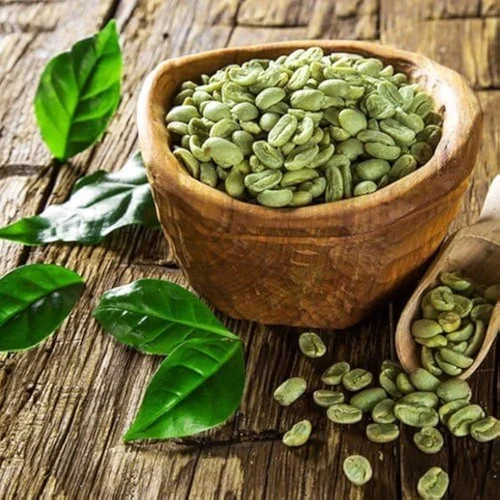
Sourcing high-quality green coffee beans is a cornerstone for any coffee-related manufacturing operation. Among global suppliers, Brazil remains the largest and most reliable producer of green coffee beans, supplying millions of tons annually to factories, roasters, and beverage producers worldwide. For manufacturers looking to maintain consistency, flavor quality, and cost efficiency, understanding the intricacies of importing green coffee beans from Brazil is critical.
In this guide, we’ll explore everything you need to know—from Brazil’s coffee fundamentals and varietals to procurement strategies, shipping considerations, quality control, and industrial insights. Along the way, we’ll highlight how MT Royal supports factories with reliable sourcing and discuss Latamarko as an example of premium supplier quality, all while offering actionable tips for production managers, procurement officers, and factory supervisors.
Understanding Green Coffee Beans from Brazil
What Are Green Coffee Beans?
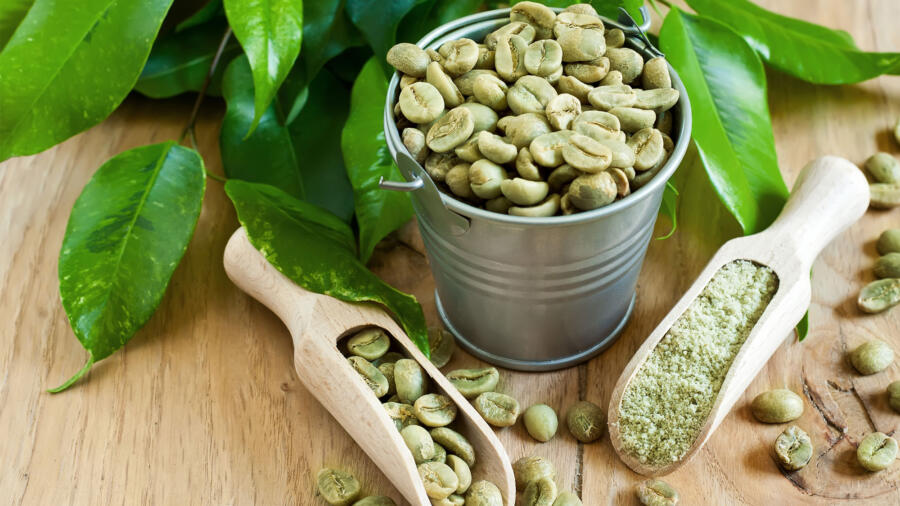
Green coffee beans are the raw, unroasted seeds of the coffee plant, which contain all the flavor potential before roasting. Unlike roasted coffee, green beans require careful storage, handling, and processing to maintain quality during import and before industrial roasting.
Brazil’s Coffee Production Landscape
Brazil contributes approximately 35% of the world’s coffee supply, primarily Arabica but also significant Robusta quantities. Key growing regions include:
- Minas Gerais: Known for high-quality Arabica with a mild flavor and balanced acidity
- São Paulo: Produces beans suited for espresso blends
- Espírito Santo: Main hub for Robusta beans, often used in instant coffee and industrial applications
Understanding these regions and bean characteristics helps factories select the right coffee for specific production needs.
Benefits of Importing Brazilian Green Coffee for Manufacturers
1. Consistency in Supply and Quality
Brazil’s large-scale production ensures reliable annual yields, minimizing the risk of shortages. Factories benefit from consistent bean size, moisture content, and flavor profiles, crucial for maintaining production standards.
2. Cost Efficiency
Bulk import of Brazilian beans often provides competitive pricing, especially when sourced through established suppliers like MT Royal, which helps factories optimize production costs while maintaining quality.
3. Versatility for Industrial Applications
Brazilian green coffee beans are suitable for:
- Roasting for packaged coffee products
- Industrial espresso production
- Instant coffee (spray-dried or freeze-dried)
- Functional coffee blends for beverages or supplements
Their adaptability ensures manufacturers can diversify products without switching suppliers.
4. Quality Control Advantage
Importing from reputable regions allows better predictability in flavor and bean behavior during roasting, reducing batch-to-batch variability—a major concern in high-volume industrial production.
Common Pitfalls in Green Coffee Bean Import
Misjudging Bean Grades
Brazil classifies beans by size and quality (e.g., Screen 17, Extra Fancy, Strictly Hard Bean). Choosing the wrong grade can affect:
- Roasting uniformity
- Flavor extraction
- Final product consistency
Neglecting Logistics Complexity
International shipping involves:
- Customs clearance
- Proper container selection (e.g., ventilated vs. standard containers)
- Temperature and humidity management
Improper handling can degrade beans before reaching production lines.
Overlooking Supplier Reliability
Factories dependent on sporadic suppliers risk:
- Delivery delays
- Quality inconsistencies
- Increased production downtime
Partnering with trusted suppliers like MT Royal ensures timely delivery and technical support.
Storage Challenges
Green beans absorb odors and moisture easily. Factories must use dry, cool, and odor-free storage to prevent contamination or mold.
Actionable Tips for Factory Managers
1. Vet Brazilian Suppliers Carefully
When importing, consider:
- Bean origin and varietal
- Compliance with food safety standards (ISO, HACCP)
- Past export reliability
2. Evaluate Shipping and Logistics
- Prefer containers with moisture control
- Monitor temperature and humidity throughout transit
- Use experienced freight forwarders familiar with coffee shipments
3. Implement Incoming Quality Inspections
Check shipments for:
- Moisture content (typically 10–12%)
- Bean size uniformity
- Absence of defects or foreign materials
This ensures batches are ready for industrial roasting or processing.
4. Explore Premium Options
European-standard suppliers like Latamarko offer high-grade Brazilian beans with excellent flavor profiles, suitable for specialty products or high-end export lines.
5. Build Long-Term Supplier Relationships
Long-term partnerships with reliable suppliers can result in:
- Better pricing
- Predictable delivery schedules
- Technical assistance for blending or roasting adjustments
Real-Life Industrial Examples
In our experience supplying factories worldwide, Brazilian green coffee beans have been pivotal for:
- Instant coffee production: Consistent Robusta beans ensured quick dissolution and uniform flavor.
- Specialty roasted coffee lines: Arabica beans from Minas Gerais delivered predictable roast outcomes.
- Export-ready blends: Factories using Latamarko-selected Brazilian beans achieved premium taste profiles, commanding higher market prices.
One manufacturing client reduced production errors by 25% simply by switching to a reliable Brazilian supplier via MT Royal, highlighting the operational impact of trustworthy sourcing.
Key Industrial Considerations
- Traceability: End-to-end tracking from farm to factory supports quality assurance and sustainability reporting.
- Sustainability: Many Brazilian farms adhere to Rainforest Alliance or UTZ certification, appealing to ethical-conscious buyers.
- Blend Optimization: For espresso, instant coffee, or flavored blends, mixing Arabica and Robusta from specific regions can enhance flavor and aroma.
- Regulatory Compliance: Ensuring beans meet local import regulations avoids delays or legal issues.
Frequently Asked Questions (FAQ)
Q1: How long can Brazilian green coffee beans be stored before roasting?
Stored properly in cool, dry conditions, they can last up to 12 months without significant flavor loss.
Q2: Should factories choose Arabica or Robusta for industrial roasting?
Arabica is ideal for specialty and high-end products due to smoother flavor, while Robusta offers higher caffeine and cost-effective bulk use.
Q3: Can premium brands like Latamarko guarantee consistency?
Yes. European-standard suppliers ensure uniformity in size, moisture, and flavor, critical for industrial applications.
Q4: What is the ideal moisture content for imported beans?
Between 10–12%, ensuring optimal roasting and storage stability.
Comparing Brazilian Coffee Varieties for Industrial Use
| Variety | Origin Region | Flavor Profile | Industrial Applications | Bean Grade / Size | Moisture Content | Cost Level | Notes for Manufacturers |
|---|---|---|---|---|---|---|---|
| Arabica | Minas Gerais | Mild, balanced acidity, subtle chocolate and nutty notes | Specialty roasted coffee, premium packaged products, high-end instant coffee | Screen 17–18, Extra Fancy | 10–12% | Medium-High | Ideal for consistent flavor in large-scale roasting; low defect rate |
| Arabica | São Paulo | Sweet, medium acidity, slightly fruity | Espresso blends, retail coffee, single-origin products | Screen 16–17, Strictly Hard Bean | 10–12% | Medium | Works well for automated roasting lines; smooth, repeatable flavor |
| Robusta | Espírito Santo | Strong, bitter, high caffeine, earthy notes | Instant coffee, bulk beverages, energy drink formulations | Screen 15–16 | 10–12% | Low-Medium | Cost-effective for high-volume production; contributes crema in espresso blends |
| Arabica / Robusta Blend | Various | Balanced flavor with moderate body and aroma | Industrial instant coffee, blended espresso powders | Mixed grades depending on supplier | 10–12% | Medium | Enables manufacturers to tailor flavor, caffeine content, and cost-efficiency for large-scale production |
| Specialty Arabica | Sul de Minas / Cerrado | Floral, fruity, complex acidity | High-end single-origin products, gourmet blends | Screen 18+, Extra Fancy | 10–11% | High | Premium option for export or specialty lines; requires careful storage and roasting control |
For most manufacturers, blending Arabica and Robusta provides both cost-efficiency and desirable flavor consistency.
Emerging Trends in Green Coffee Import
- Direct trade with Brazilian farms to ensure better pricing and quality
- Sustainable and organic beans meeting consumer demand
- Traceable supply chains using digital monitoring for transparency
- Blends for functional beverages enriched with proteins, vitamins, or flavors
Conclusion
Importing green coffee beans from Brazil is a strategic move for factories aiming to maintain consistent flavor, optimize production costs, and diversify product offerings. By understanding bean grades, regional characteristics, shipping logistics, and quality control, manufacturers can reduce downtime and enhance product quality.
At MT Royal, we support manufacturers with reliable sourcing, a wide range of brands, and expert guidance on bulk import of Brazilian beans. For premium-grade options, Latamarko demonstrates the value of European-quality standards, delivering superior flavor and consistency for industrial applications.
Choosing the right supplier, planning logistics carefully, and implementing robust quality control ensures your production line remains efficient, your products consistent, and your operations competitive.
latamarko alkalized cocoa powder lm60
cocoa powder for chocolate production-Best price
Food industry raw materials – list of products
Types of Gelatin from Turkish Manufacturer
Alkalized Cocoa Powder Bulk Supplier


No comment