

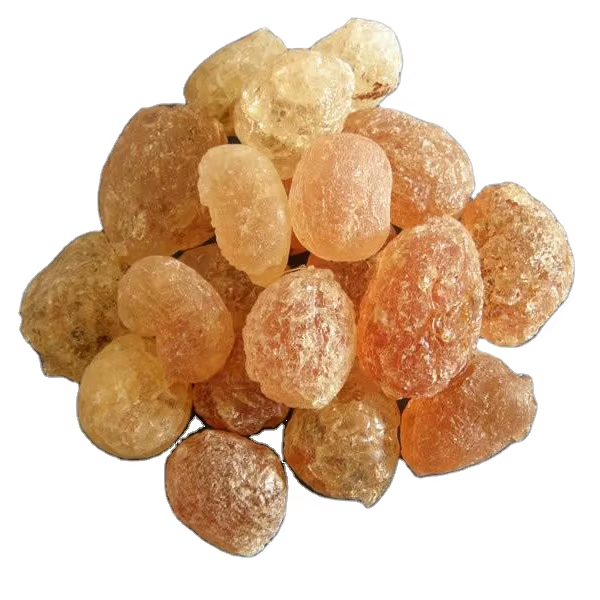
In the fast-paced food manufacturing industry, the choice of high-quality, reliable ingredients is critical for product consistency, consumer safety, and operational efficiency. Gum Arabic, a versatile natural exudate from the Acacia tree, has become a cornerstone ingredient across beverages, confectionery, bakery, and emulsified products. For industrial manufacturers, sourcing Gum Arabic Food Grade – Bulk Supplier with COA ensures not only superior product performance but also compliance with food safety and quality standards.
MT Royal provides premium-grade gum arabic in bulk, complete with a Certificate of Analysis (COA), guaranteeing batch consistency, purity, and functional reliability. Whether you are producing soft drinks, encapsulating flavors, stabilizing emulsions, or enhancing texture, choosing the right gum arabic supplier can significantly impact production efficiency, product quality, and customer satisfaction. In this comprehensive guide, we explore the applications, advantages, industrial best practices, and strategic insights for integrating gum arabic into large-scale food production.
Understanding Gum Arabic: Definition and Key Concepts
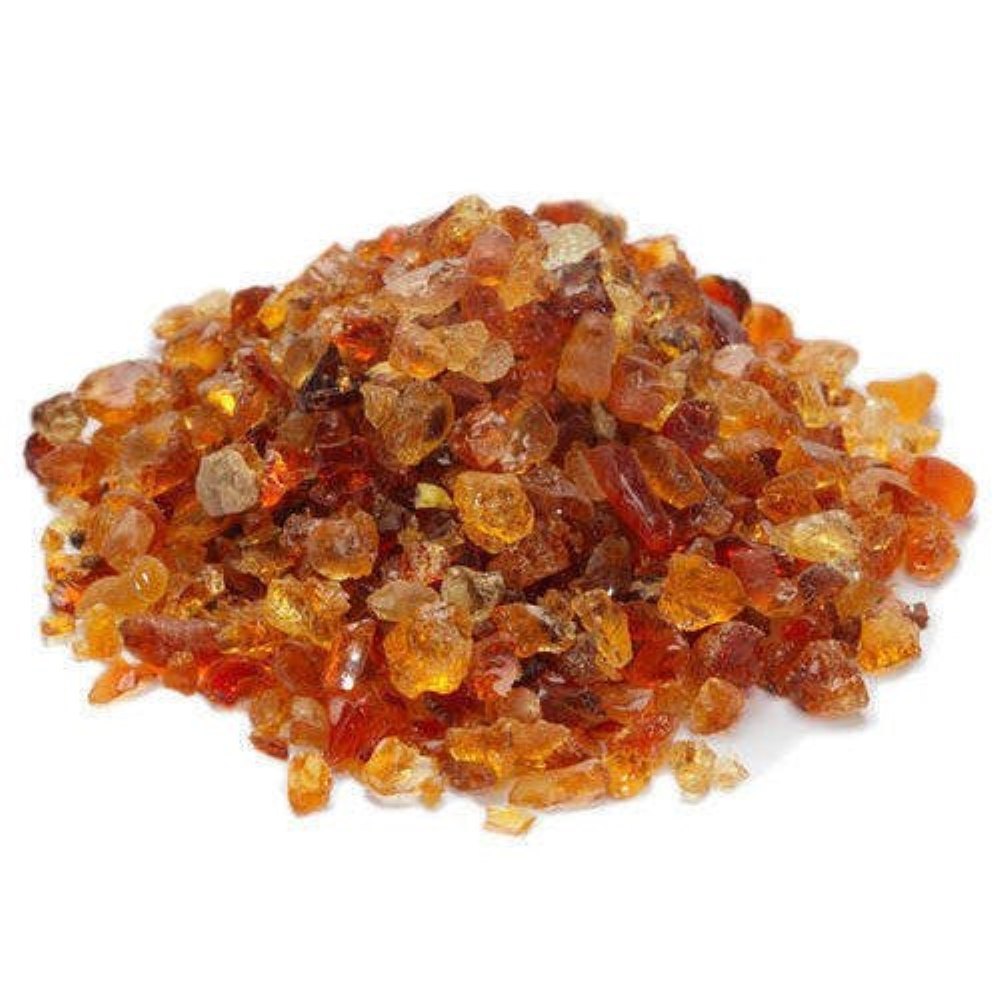
Gum Arabic, also known as acacia gum, is a natural, water-soluble polysaccharide with exceptional stabilizing, emulsifying, and film-forming properties. Its unique characteristics make it indispensable for food, pharmaceutical, and industrial applications.
Core properties include:
- Solubility: Easily dissolves in water, ensuring smooth incorporation into formulations.
- Emulsification: Stabilizes oil-in-water emulsions, critical for beverages and flavor encapsulation.
- Film Formation: Forms protective coatings for encapsulated ingredients and powdered products.
- Viscosity Control: Adds body without significant thickening, preserving desired product texture.
We have observed that manufacturers integrating high-quality gum arabic with verified COA achieve more consistent product performance, reduced production downtime, and fewer quality issues.
Industrial Applications of Gum Arabic
1. Beverage Production
Gum arabic is extensively used in soft drinks, fruit juices, and flavored beverages. Its ability to stabilize flavors and prevent sedimentation ensures uniform taste and visual appeal throughout the shelf life.
2. Confectionery and Sweets
In confectionery, gum arabic contributes to chewable textures, hard candies, and gummy products. Its film-forming and emulsifying properties prevent sugar crystallization, maintain shape, and enhance mouthfeel.
3. Bakery and Gluten-Free Formulations
Gum arabic enhances moisture retention, improves dough stability, and acts as a binding agent in gluten-free recipes. By maintaining texture and structure, it increases product shelf life and consumer satisfaction.
4. Encapsulation and Nutraceuticals
For flavor oils, vitamins, and probiotics, gum arabic serves as a reliable encapsulant, protecting sensitive compounds from oxidation and moisture. Its high solubility ensures rapid release during consumption or processing.
5. Emulsion Stabilization
Gum arabic stabilizes emulsions in sauces, dressings, and functional beverages, preventing phase separation and improving product consistency.
Common Industrial Supply Challenges
While gum arabic is versatile, large-scale production presents several challenges:
- Variability in Purity: Low-quality or unverified sources may introduce contaminants or reduce functionality.
- Inconsistent Viscosity: Variations in molecular composition can affect emulsification and texture.
- Compliance and Traceability: Without COA and proper certification, manufacturers risk non-compliance with food safety regulations.
- Storage and Handling: Absorbing moisture can degrade quality; bulk handling requires careful logistics planning.
Manufacturers who proactively select verified suppliers like MT Royal experience fewer production interruptions and maintain higher quality control standards.
Tips for Efficient Industrial Usage
- Hydration: Pre-disperse gum arabic in warm water to ensure uniform solubility. Avoid clumping.
- Concentration Optimization: Typical usage ranges from 1–10% depending on application. Pilot tests are recommended for exact specifications.
- Temperature Management: Avoid prolonged exposure to high temperatures to preserve functional properties.
- Combination with Other Hydrocolloids: Gum arabic can synergize with xanthan, guar gum, or carrageenan to optimize texture and stability.
- Storage Practices: Store in cool, dry conditions. Ensure airtight containers to prevent moisture absorption and microbial contamination.
Advantages of Bulk Supply with COA
1. Guaranteed Quality
COA ensures that every batch meets specified purity, solubility, and microbial standards, eliminating guesswork and maintaining product consistency.
2. Cost Efficiency
Bulk supply reduces packaging costs and logistics complexity, making production scalable and economically viable.
3. Technical Support
MT Royal offers guidance on formulation, solubility testing, and emulsification optimization, enabling manufacturers to maximize ingredient performance.
4. Regulatory Compliance
Certified food-grade gum arabic meets international food safety standards, reducing risk in domestic and export markets.
We have seen that integrating COA-backed bulk gum arabic into production lines minimizes deviations, enhances process reliability, and simplifies quality audits.
Frequently Asked Questions by Industrial Buyers
Q1: How do I verify gum arabic’s food-grade quality?
A: Look for COA from a reputable supplier confirming purity, solubility, and microbial content. MT Royal provides full documentation.
Q2: Can gum arabic replace other hydrocolloids?
A: Yes, depending on the application. Its emulsifying and film-forming properties often complement or replace other stabilizers.
Q3: How much gum arabic should be used in beverages?
A: Typically 0.5–2% w/w. Optimization based on viscosity, stability, and flavor retention is recommended.
Q4: What storage conditions prevent quality degradation?
A: Keep in a cool, dry environment, away from moisture, direct sunlight, and strong odors. Proper storage preserves solubility and functional properties.
Industrial Insights and Best Practices
1. Pilot Testing:
Before scaling production, small-batch testing ensures proper solubility, viscosity, and emulsification.
2. Automation Considerations:
Incorporate pre-dispersion tanks or inline mixers to improve hydration and reduce clumping during high-volume operations.
3. Synergy with Other Ingredients:
Gum arabic interacts synergistically with other hydrocolloids, stabilizers, and sweeteners. Understanding these interactions can optimize texture, shelf life, and visual appearance.
4. Quality Control Measures:
Regular testing for microbial load, ash content, and viscosity ensures batch-to-batch consistency. Partnering with MT Royal provides access to recommended protocols.
5. Market Differentiation:
Food and beverage brands emphasizing clean-label, halal, or plant-based ingredients can leverage high-quality gum arabic to enhance brand credibility and consumer trust.
Conclusion
Gum Arabic Food Grade, supplied in bulk with a verified COA, is an essential ingredient for manufacturers seeking reliable, high-performance, and compliant solutions. Its versatility across beverages, confectionery, bakery, and emulsified products allows for consistent texture, superior emulsification, and extended shelf life.
By partnering with MT Royal, industrial manufacturers gain access to a trusted supplier who provides not only top-tier gum arabic but also technical support, bulk supply efficiency, and full documentation. This integration reduces operational challenges, ensures consistent quality, and positions your products competitively in demanding markets. High-quality gum arabic enhances consumer satisfaction, optimizes production processes, and serves as a critical cornerstone for modern food manufacturing operations.
Ultimately, COA-backed bulk gum arabic supports manufacturers in achieving product reliability, scalability, and compliance, making it a strategic choice for industrial success and long-term growth.


No comment