

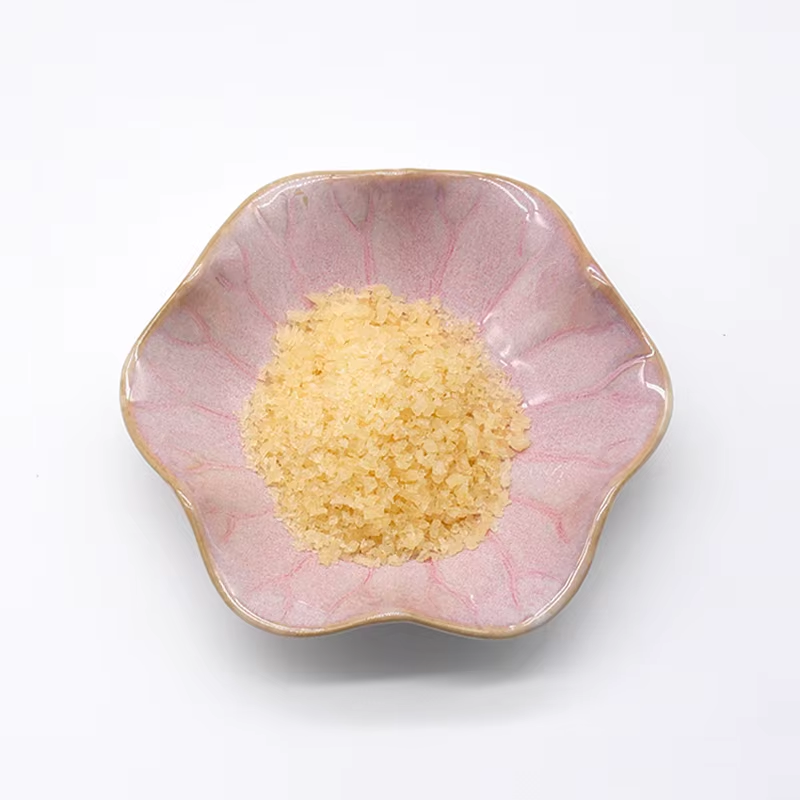
In Palestinian dessert production — from luxurious puddings and creamy mousses to gelatin‑set sweets and premium jellies — the choice of gelling agent can make or break product quality, texture, and market acceptance. For manufacturers targeting both domestic and export markets, ensuring that your gelling ingredient is Halal compliant, high‑functioning, and consistently supplied is a core part of operational success. That’s why Halal bovine gelatin for Palestinian dessert makers is more than a commodity: it’s a strategic industrial ingredient that impacts texture, stability, shelf life, and consumer trust.
MT Royal has collaborated with dessert manufacturers, confectioners, and food technologists to refine sourcing strategies for functional ingredients like bovine gelatin. We’ve seen how choosing the right gelatin — one that meets Halal certification standards and industrial performance requirements — translates into better products and stronger brand positioning, especially in markets where Islamic dietary compliance is essential.
This article will take you on a deep and engaging dive into the world of Halal bovine gelatin: what it is, why it matters, how to source it reliably in bulk for dessert manufacturing, and what technical and procurement considerations you should prioritize.
latamarko alkalized cocoa powder lm60
cocoa powder for chocolate production-Best price
Food industry raw materials – list of products
What Is Halal Bovine Gelatin? Definitions and Industrial Context
Gelatin is a natural protein derived from the controlled breakdown of collagen — the fibrous structural protein that gives strength and integrity to animal connective tissues such as skin, bones, and hides. In food production, gelatin acts as a gelling agent, stabilizer, thickener, and texturizer, providing structure and mouthfeel to desserts such as puddings, gel‑based sweets, marshmallows, panna cotta, and more.
Bovine gelatin specifically refers to gelatin extracted from cattle sources. When this gelatin is produced in accordance with Islamic dietary laws — meaning the animal was slaughtered per Halal guidelines and the processing chain is free from haram (forbidden) substances — the product can be certified as Halal bovine gelatin.
Muslim dessert makers must prioritize Halal certification because dessert products often directly contact or incorporate gelatin into the final edible product. Without proper Halal status, desserts such as jelly cakes, fruit jellies, or gelatin‑set creams may not be acceptable to a significant portion of your consumer base.
Why Halal Bovine Gelatin Matters for Palestinian Dessert Makers
When you think about your dessert lineup — whether traditional favorites or innovative offerings — gelatin plays several critical functional roles:
1) Texture and Mouthfeel
Halal bovine gelatin creates clean, consistent gels that set desserts to the right firmness and elasticity. A dessert’s texture — whether springy, silky, or creamy — hinges on the precise gelling performance of gelatin. MT Royal’s Halal gelatin provides a predictable bloom strength and consistent gelling behavior, which helps you replicate product quality across production batches.
2) Stability and Shelf Life
Besides mouthfeel, gelatin stabilizes desserts over time. In products like multi‑layered puddings or gelatin‑based sweets, a stable gel network prevents phase separation, syneresis (weeping), and loss of structure during storage and distribution.
3) Compliance with Dietary Requirements
In markets where Halal certification is essential — including Palestine and many export destinations — Halal bovine gelatin ensures your product meets religious and consumer safety expectations. This compliance helps protect brand reputation and opens opportunities in broader Halal food networks.
4) Operational Consistency
Industrial dessert production depends on reliable, high‑quality raw materials. By sourcing Halal bovine gelatin that comes with certificates of analysis, traceability, and consistent quality parameters, you reduce production variability and minimize waste.
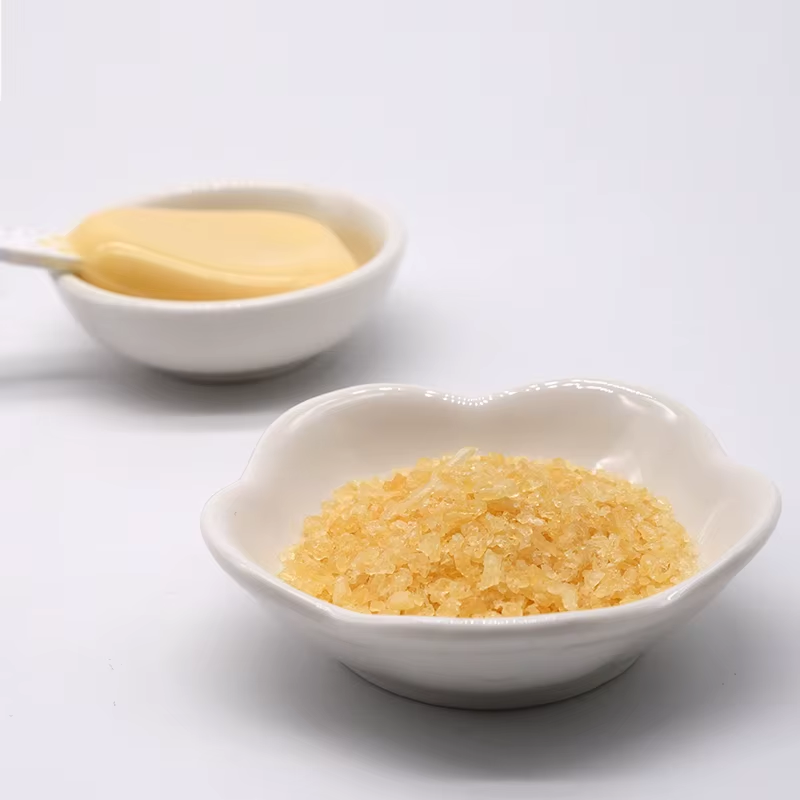
How Halal Bovine Gelatin Is Produced and Certified
Halal bovine gelatin begins with raw materials from cattle slaughtered according to Islamic law. Unlike standard animal gelatins — which might derive from unregulated sources including porcine or non‑Halal animals — Halal bovine gelatin must be:
• Sourced exclusively from Halal‑slaughtered cattle
• Processed in facilities that maintain Halal compliance throughout production
• Free from cross‑contamination with non‑Halal inputs (e.g., alcohol or pork derivatives)
• Certified by internationally recognized Halal certification bodies
Leading producers in Turkey — a major global source of Halal edible gelatin — include companies like Halavet Gıda, which operate halal‑certified facilities and export gelatins to more than 70 countries.
Such certification matters because marketplaces and retailers often require proof of Halal compliance as part of product onboarding — especially if your desserts are destined for distribution networks in the Middle East, Southeast Asia, or other high‑demand regions.
Functional Properties and Technical Considerations
When selecting Halal bovine gelatin for dessert applications, you should understand how Bloom strength and solubility influence performance:
Bloom Strength
Bloom is a measure of gel strength. Higher Bloom values generally translate to firmer gels, while lower Bloom values produce softer, more delicate textures. Dessert makers may choose:
• Low Bloom (e.g., 80–150): Softer gels for creamy desserts or mousses
• Medium Bloom (e.g., 150–200): General‑purpose setting in layered desserts
• High Bloom (200+): Firm gels for jellies, gummy candies, and structured desserts
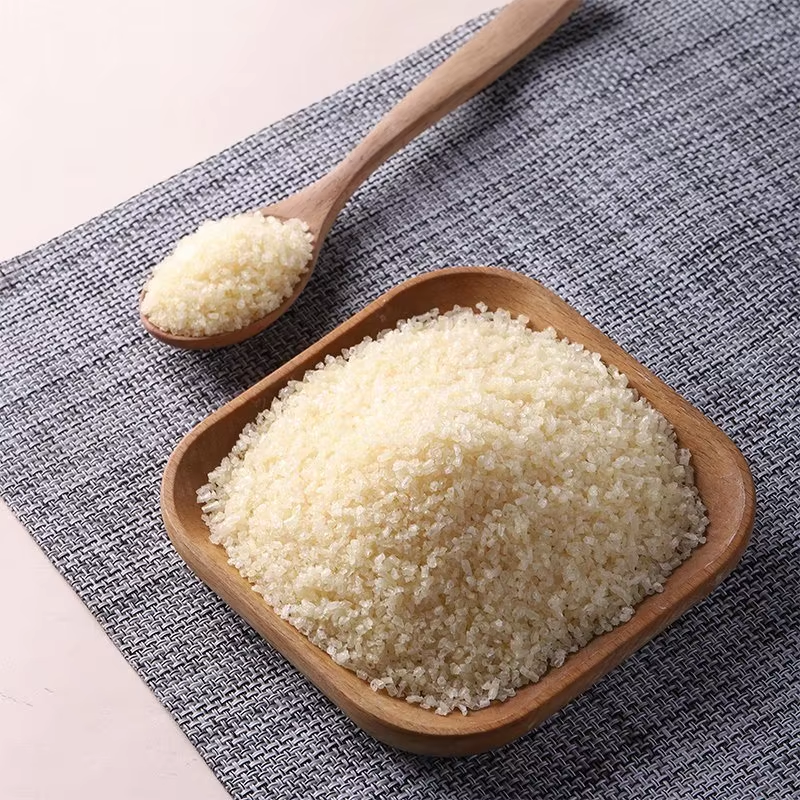
MT Royal’s Halal bovine gelatin powder is available with consistent Bloom specifications suited for various applications, helping dessert manufacturers dial in exactly the texture they want.
Solubility and Clarity
Good industrial gelatin dissolves easily in hot liquid and forms smooth, clear gels without undesirable cloudiness. This clarity matters especially when desserts involve fruit juices, clean gels, or transparent layers.
Thermal Behavior
Gelatin’s ability to melt and reset with temperature changes enables creative dessert designs such as layered jellies that hold their shape at room temperature but melt elegantly in the mouth.
Common Industrial Mistakes in Sourcing and Application
Even experienced product developers sometimes run into pitfalls when choosing or using Halal bovine gelatin:
Mistake 1: Overlooking Certification Details
Not all gelatin labeled “beef” or “bovine” is Halal compliant. Make sure the supplier explicitly provides Halal certification from recognized authorities. Documentation should cover slaughter method, production hygiene, and compliance with Halal standards throughout the supply chain — from animal source to final packaging.
Mistake 2: Ignoring Functional Specifications
Different dessert types require different functional performance. Purchasing a generic gelatin without considering Bloom strength or solubility can lead to products that are too firm, too soft, or unstable.
Mistake 3: Failing to Align Storage and Handling
Gelatin is hygroscopic — it absorbs moisture from the air. Improper storage can lead to caking, clumping, or reduced performance. Desserts makers often underestimate how environmental factors affect storage at the factory level. Good warehouse humidity control and FIFO inventory management are essential.
Mistake 4: Choosing Based Only on Price
While cost considerations are real, choosing the lowest‑priced gelatin without evaluating quality, certification, and performance risks product failures that cost more in waste and recalls than you save on ingredient cost.
Sourcing Strategies and Quality Assurance
To secure a reliable bulk supply of Halal bovine gelatin that supports your dessert production, consider the following sourcing strategies:
1) Partner With Established Suppliers
Reputable suppliers like MT Royal provide Halal‑certified bovine gelatin that is traceable, consistent, and backed by quality documentation such as Certificates of Analysis (COA), food safety compliance certificates (e.g., ISO, HACCP), and Halal certificates.
Having a dependable supplier reduces production risk, supports export compliance if needed, and often comes with technical support for formulation challenges.
2) Define Technical Specifications Clearly
Work with your supplier to specify:
• Desired Bloom strength
• Moisture content limits
• Particle size distribution
• Microbiological and heavy metal limits
• Packaging type (e.g., sealed bags, FIBCs)
3) Audit and Quality Verification
Conduct periodic audits or require third‑party testing to ensure that the delivered gelatin meets specifications consistently. This helps maintain product quality and supports traceability for regulatory audits.
4) Forecast Demand and Lock In Contract Terms
Dessert production often fluctuates with seasonality or festival demand. Planning bulk purchases and negotiating supply contracts with clear pricing and delivery schedules prevents stockouts and cost spikes.
Application Insights for Palestinian Dessert Makers
Different dessert categories use gelatin differently. Here are key application insights:
Gel‑Set Desserts
Products like jellied fruit desserts or clear jelly layers rely on precise gelatin dosing. Too much gelatin yields rubbery texture; too little yields weak gels. Precision formulation and quality gelatin are essential.
Creamy Desserts and Mousse Cakes
Gelatin adds body and stability without overpowering creaminess. In layered desserts with whipped components, the right Halal bovine gelatin ensures structural integrity.
Confectionery and Gummies
Chewy candies and halal gummy sweets depend on gelatin’s elastic properties. Balanced Bloom and gel clarity contribute to sensory quality and consumer delight.
Frozen Desserts
Gelatin can improve freeze‑thaw stability, ensuring desserts like frozen parfaits don’t lose texture upon temperature cycling.
Frequently Asked Questions by Dessert Manufacturers
Q: Is Halal bovine gelatin suitable for all dessert types?
A: Yes, as long as the Bloom strength and formulation match the product’s texture goals. It’s versatile across clear gels, creamy layers, and confectionery textures.
Q: How do I verify Halal certification?
A: Look for certification from recognized Halal bodies that cover the entire production chain — from animal slaughter to final processing.
Q: Can Halal bovine gelatin be replaced with plant‑based alternatives?
A: Plant alternatives (like agar‑agar) exist, but they behave differently in setting and mouthfeel. For traditional gelatin textures, bovine gelatin remains the benchmark.
Q: Should gelatin be sourced locally or imported?
A: Both options work; imported halal gelatin from trusted suppliers such as those in Turkey often provides consistency and certified documentation, which helps with regulatory compliance.
Conclusion
For Palestinian dessert makers, mastering the functional and procurement aspects of Halal bovine gelatin is a cornerstone of product excellence. Beyond a simple ingredient, gelatin influences texture, stability, shelf life, and — importantly — consumer trust and compliance. When you align your sourcing strategy with industrial quality standards, clearly defined technical specifications, and Halal compliance criteria, you position your products for success in both local markets and the broader Halal food ecosystem.
We at MT Royal understand the challenges dessert manufacturers face — from cost pressures to quality expectations and market compliance demands. By choosing a trusted Halal bovine gelatin supplier who offers consistent quality, thorough documentation, and technical support, you’re not just sourcing an ingredient — you’re investing in product consistency, regulatory confidence, and consumer satisfaction across every dessert you produce.
Halal bovine gelatin isn’t just about compliance. It’s about texture that delights, quality you can measure, and products that resonate with consumers who care about both taste and values.


No comment