

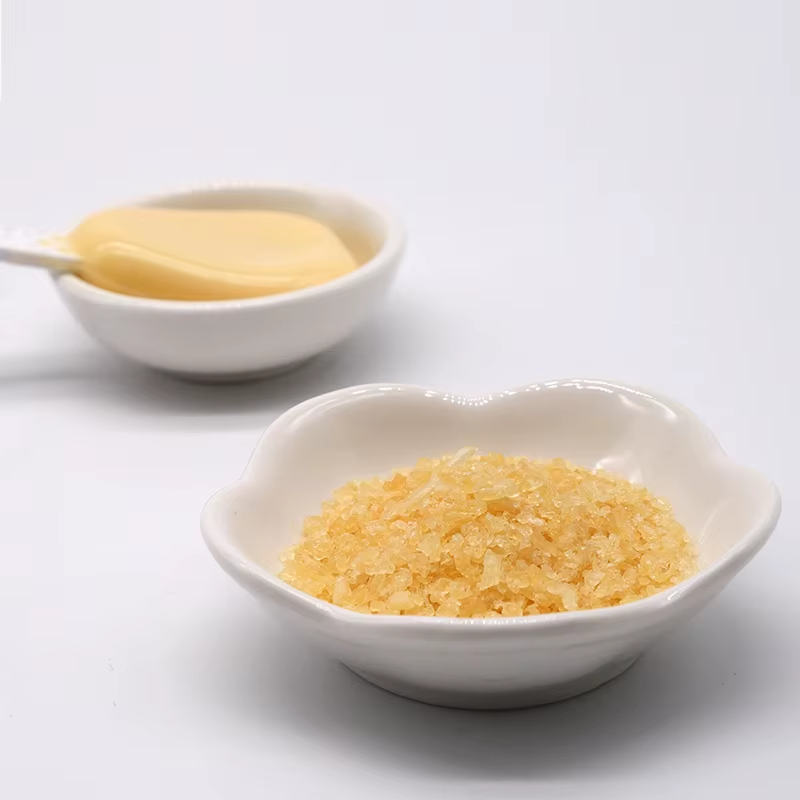
In the Saudi dessert industry, raw material selection is no longer a routine purchasing task; it is a strategic decision that directly affects brand credibility, production continuity, and market acceptance. When Saudi consumers carefully examine halal labels and expect precise texture, clarity, and consistency, gelatin becomes one of the most sensitive elements in dessert formulation. Halal bovine gelatin for the Saudi dessert industry sits exactly at this critical intersection. When chosen correctly, it remains invisible in the final product; when chosen poorly, it can undermine the entire formulation.
At MT Royal, we have worked closely with dessert, confectionery, and jelly manufacturers across the region. From this experience, we know that many production challenges originate not from machinery, but from raw materials that appeared “standard” on paper. This article is written for you before you place an order, before you change suppliers, and even before you adjust your formulation—so you can make decisions with clarity and confidence.
What Is Halal Bovine Gelatin and Why Is It So Critical in Saudi Arabia?
Halal bovine gelatin is a protein derived from cattle hides or bones, processed in full compliance with Islamic halal requirements, from animal sourcing and slaughter to extraction and packaging. In Saudi Arabia, halal status is not merely a religious checkbox; it is a legal requirement, a cultural expectation, and a core element of consumer trust.
In dessert manufacturing, gelatin is far more than a gelling agent. It directly influences final texture, mouthfeel, transparency, thermal stability, and shelf performance. This is why many manufacturers, after years of trial and error, come to view halal bovine gelatin for the Saudi dessert industry not as an option, but as an operational standard.
The Role of Halal Bovine Gelatin in Popular Saudi Desserts
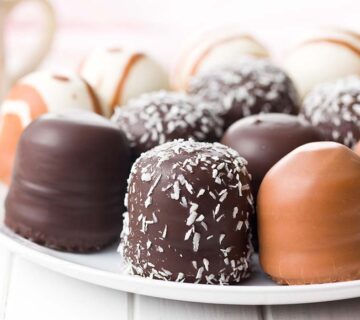
Looking at the Saudi market—from ready-to-eat jellies and marshmallows to modern dairy desserts—gelatin is present almost everywhere, even when it is not obvious. The difference lies in performance. High-quality gelatin does not dominate the product; it allows flavor, color, and design to shine.
In clear jellies, inconsistent gelatin causes cloudiness or syneresis. In marshmallows, unstable elasticity can push entire production batches out of specification. In mousses and dairy desserts, achieving controlled firmness without heaviness depends on gelatin that behaves predictably across temperature ranges.
Why Consistency Matters More Than Price
One of the most common procurement mistakes is treating gelatin as a simple cost item. In reality, inconsistency in gelatin quality introduces hidden costs that never appear on invoices: line stoppages, reformulation time, rejected batches, and customer complaints.
We have seen factories where small variations in bloom strength or viscosity disrupted calibrated production settings, resulting in products that no longer matched approved samples. This is precisely where a reliable supplier becomes essential.
At MT Royal, we understand manufacturing realities and supply a curated range of reputable brands at competitive prices. More importantly, we focus on technical consistency rather than price alone.
Halal Bovine Gelatin Versus Alternatives: A Practical Perspective
Plant-based alternatives have gained attention in recent years, and in certain applications they offer value. However, industrial experience shows that they still cannot fully replace halal bovine gelatin for the Saudi dessert industry in many formulations.
These alternatives often produce different textures, behave differently under heat, and require higher dosages or complex stabilizer systems to achieve acceptable results. That means more formulation complexity, higher costs, and increased production risk at scale.
Common Procurement Mistakes That Become Costly in Saudi Production
To support better decision-making, it is worth highlighting a few recurring issues seen in the market:
- Relying solely on halal certificates without verifying the full supply chain
- Testing gelatin only at laboratory scale
- Switching brands without reformulation alignment
- Ignoring how gelatin performs under Saudi ambient conditions
These challenges usually arise not from lack of expertise, but from limited access to application-focused insight.
The Value of European Quality Benchmarks
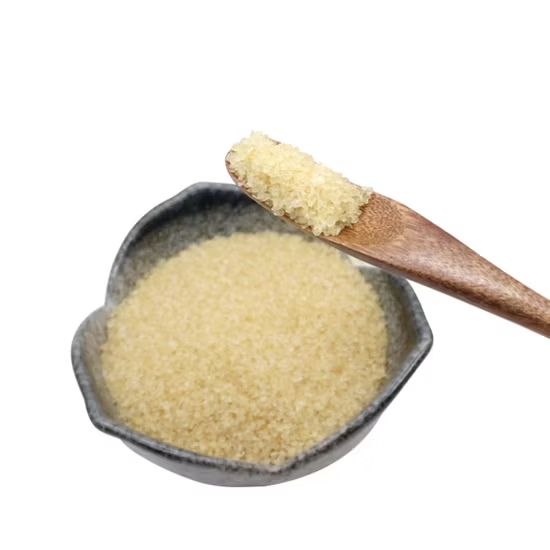
Among European suppliers in the food industry, Latamarko is known for its strict production standards and consistent quality. The Spanish brand Latamarko has earned long-term trust among large-scale manufacturers, particularly in applications where texture stability and visual clarity are non-negotiable.
This reference is not promotional; it illustrates the level of consistency that many successful manufacturers consider a benchmark when sourcing gelatin.
Questions Commonly Asked by Production and Procurement Managers
Do all halal bovine gelatins perform the same?
No. Source material, extraction method, and quality control create significant performance differences.
Can higher-quality gelatin reduce dosage?
In many cases, yes—provided bloom and viscosity are stable and verified in production conditions.
Does changing gelatin require reformulation?
Almost always. Even similar specifications on paper can behave differently in real processes.
A Decision That Shapes Your Brand’s Future
Choosing halal bovine gelatin for the Saudi dessert industry is not a simple technical choice. It directly influences consumer experience, production reliability, and brand reputation. Manufacturers who approach this choice as a long-term investment tend to achieve stability and market trust faster than their competitors.
At MT Royal, we have seen this journey alongside many producers. True quality often lies in details that are invisible at first glance—but unmistakable in the market.

No comment