

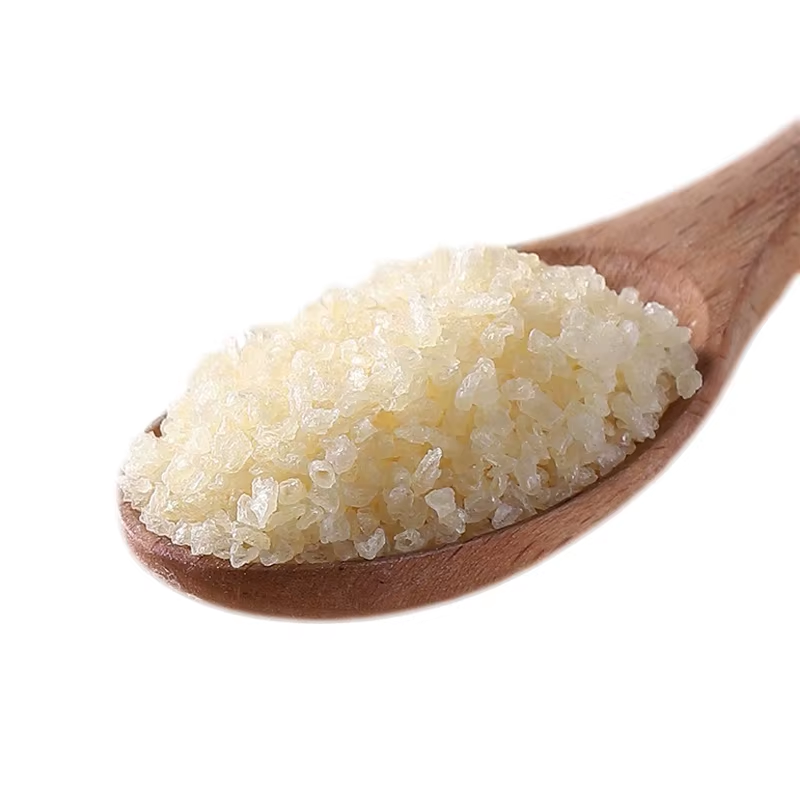
In Libya’s dessert industry, texture is everything. A panna cotta that does not set properly, a gummy candy that sweats in summer heat, or a marshmallow that collapses after a few weeks on the shelf can quietly destroy a brand’s reputation. Behind these visible failures, the cause is often invisible: inconsistent or poorly sourced gelatin. This is why halal bovine gelatin supply for Libyan desserts has become a strategic concern rather than a routine procurement item.
For Libyan dessert manufacturers, gelatin is not merely a functional ingredient. It is a promise—of halal integrity, of sensory pleasure, and of stability across batches and seasons. Choosing the right supply partner determines whether that promise is kept or broken. Experienced ingredient suppliers such as MT Royal understand this reality well. By offering access to verified halal bovine gelatin from trusted producers, with transparent documentation and consistent specifications, MT Royal helps dessert factories protect both their products and their credibility.
This article explores halal bovine gelatin supply for Libyan desserts from the inside out. It is written for factory owners, technical managers, and procurement professionals who need clarity, depth, and practical insight—not surface-level explanations.
latamarko alkalized cocoa powder lm60
cocoa powder for chocolate production-Best price
Food industry raw materials – list of products
Types of Gelatin from Turkish Manufacturer
Alkalized Cocoa Powder Bulk Supplier
Understanding Gelatin in Dessert Manufacturing
Gelatin is a protein derived from collagen, typically extracted from animal connective tissue through controlled hydrolysis. In dessert applications, its role is deceptively complex.
Why Gelatin Matters More Than You Think
In Libyan dessert production, gelatin contributes to:
- Gel structure and firmness
- Elasticity and chew in confectionery
- Melt-in-the-mouth sensation in dairy desserts
- Stability during storage and transport
- Visual clarity and clean cut appearance
Unlike starches or plant-based gelling agents, gelatin provides a unique combination of strength and elasticity that is difficult to replicate fully. This is why, despite growing alternatives, gelatin remains central to many traditional and modern desserts.
What Makes Gelatin “Halal” and Why It Is Non-Negotiable in Libya
Halal status is not a marketing label in Libya; it is a foundational requirement.
Key Criteria for Halal Bovine Gelatin
For gelatin to be considered halal, several conditions must be met:
- The source animal must be bovine and halal-permissible
- Slaughter must follow Islamic guidelines
- Processing aids and chemicals must be halal-compliant
- Full traceability and certification must be available
Any ambiguity in these areas exposes manufacturers to serious reputational and commercial risk. This is why halal bovine gelatin supply for Libyan desserts requires more than a certificate—it requires trust in the entire supply chain.
We have seen factories forced to reformulate entire product lines because a supplier could not adequately defend their halal claims when questioned by authorities or distributors.
Why Libyan Demand for Halal Bovine Gelatin Is Rising
Growth of Local Dessert Manufacturing
Libya has witnessed steady growth in locally produced sweets, dairy desserts, jellies, and confectionery. Import substitution has encouraged domestic brands to expand their portfolios, increasing demand for reliable gelatin.
Higher Consumer Awareness
Libyan consumers are more informed and selective. Halal integrity, ingredient transparency, and consistent quality influence purchasing decisions more than ever.
Climate and Shelf-Life Challenges
Libya’s hot climate places additional stress on dessert formulations. Gelatin quality directly affects heat tolerance, syneresis control, and shelf stability.
Export Ambitions
Some Libyan producers are exploring regional export opportunities, where documentation and halal credibility are scrutinized even more closely.
Key Dessert Applications Driving Halal Gelatin Demand
Dairy-Based Desserts
Puddings, panna cotta, mousses, and set yogurts rely on gelatin for smooth texture and clean cut. Bloom strength and melting profile are critical parameters here.
Gummy and Jelly Confectionery
In gummies, gelatin defines chewiness, elasticity, and flavor release. Small deviations in quality lead to major sensory differences.
Marshmallows and Aerated Sweets
Foam stability, volume retention, and shelf life depend heavily on gelatin’s protein structure.
Traditional and Hybrid Desserts
Modern Libyan dessert makers often blend traditional recipes with industrial processes, creating unique applications where gelatin performance must be carefully tuned.
Bloom Strength, Viscosity, and the Language of Gelatin
One of the most common misunderstandings in gelatin sourcing is oversimplification.
Bloom Strength Explained
Bloom strength measures gel firmness. Common ranges include:
- 120–160 Bloom: soft desserts, delicate textures
- 180–220 Bloom: standard dessert and dairy applications
- 240–300 Bloom: gummies and firm confectionery
Choosing the wrong Bloom strength is like using the wrong cement grade in construction—the structure may stand, but it will not last.
Viscosity and Molecular Weight
Viscosity affects processing behavior, mixing, and mouthfeel. Two gelatins with identical Bloom values can behave very differently in production.
At MT Royal, we often help manufacturers match Bloom and viscosity profiles to their exact process rather than relying on generic specifications.
Common Mistakes in Halal Gelatin Sourcing
Assuming All Halal Certificates Are Equal
Not all certifications carry the same credibility. Some are regionally limited or poorly documented.
Ignoring Batch-to-Batch Consistency
Variability leads to rework, waste, and consumer complaints.
Overlooking Application Testing
Laboratory specs do not replace real-world trials in your own production environment.
Chasing the Lowest Price
Gelatin is a high-impact ingredient. Saving marginally on raw material cost often results in far greater losses downstream.
We have seen cases where a slightly cheaper gelatin caused months of formulation instability—an expensive lesson.
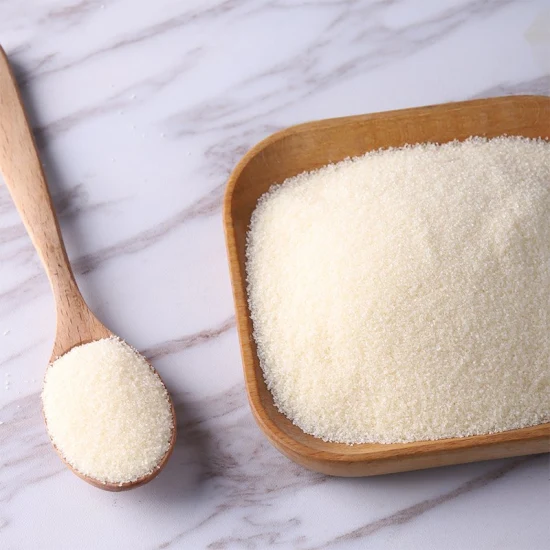
Global Supply Sources and Their Implications
European-Origin Halal Gelatin
Known for tight specifications, advanced processing, and strong documentation.
Asian-Origin Halal Gelatin
Often more cost-competitive, with wider variability between producers.
Multi-Origin Risk Management
Approving multiple qualified sources helps mitigate supply disruptions.
MT Royal works with several established gelatin producers, enabling Libyan factories to balance cost, availability, and performance without compromising halal integrity.
Industrial Considerations for Large-Scale Dessert Production
Hydration and Dissolution
Proper hydration protocols are essential to avoid clumping and uneven gel formation.
Temperature Control
Gelatin is sensitive to overheating, which permanently damages gel strength.
Shear and Mixing Conditions
Excessive shear reduces molecular integrity, affecting final texture.
Storage and Shelf Stability
Humidity control is critical, as gelatin readily absorbs moisture.
We have seen production efficiency improve dramatically when factories standardize gelatin handling procedures alongside sourcing.
Logistics, Packaging, and Storage in Libyan Conditions
Packaging Formats
- Multi-layer paper bags with inner liners
- Moisture-barrier packaging for long storage
Transport Risks
Heat exposure during transit can affect gelatin quality if not properly managed.
Warehouse Best Practices
Cool, dry storage with controlled rotation ensures consistent performance.
Frequently Asked Questions from Libyan Dessert Manufacturers
Is halal bovine gelatin suitable for all dessert types?
Most, but Bloom strength and viscosity must be matched to the application.
How long does halal gelatin last in storage?
Typically 24–36 months under proper conditions.
Can gelatin formulations be standardized across seasons?
Yes, with consistent supply and controlled processing.
Should we audit gelatin suppliers?
Absolutely. Supplier transparency protects your brand.
The Strategic Value of a Trusted Supply Partner
In dessert manufacturing, success is rarely dramatic. It is quiet, repeatable, and consistent. Ingredient sourcing plays a decisive role in achieving that stability.
At MT Royal, we position ourselves as a technical and commercial partner rather than a simple distributor. We have worked closely with dessert manufacturers facing real-world challenges—heat, logistics delays, formulation drift—and we understand that halal bovine gelatin supply for Libyan desserts is about confidence as much as chemistry.
When you know your gelatin will behave tomorrow exactly as it did today, production becomes predictable. And predictability is the foundation of growth.
Looking Ahead: The Future of Halal Bovine Gelatin in Libya’s Dessert Industry
Libya’s dessert market will continue to evolve. Consumers will demand better texture, cleaner labels, and unwavering halal integrity. Manufacturers who invest in reliable gelatin supply today will be better positioned to innovate tomorrow.
Gelatin rarely takes center stage in marketing, but it defines the experience consumers remember. In the end, the success of a dessert brand is felt not in claims, but in the quiet satisfaction of a spoonful that sets perfectly every time.

No comment