

For manufacturers and production facilities in Oman, sourcing Halal gelatin is not merely a regulatory requirement—it is a strategic decision that ensures product integrity, consumer trust, and operational efficiency. From confectionery and dairy to pharmaceuticals and nutraceuticals, gelatin is a critical ingredient that impacts texture, stability, solubility, and overall product performance. Choosing the right supplier is paramount to maintaining consistent quality, regulatory compliance, and competitive pricing.
At MT Royal, we have partnered with numerous industrial clients across Oman, providing premium Halal-certified gelatin that meets the strictest standards. With extensive experience in industrial supply chains, we understand the challenges faced by production managers and procurement specialists. This guide provides an in-depth look into Halal gelatin, industrial best practices, procurement insights, and actionable advice for manufacturers seeking reliable suppliers in Oman.
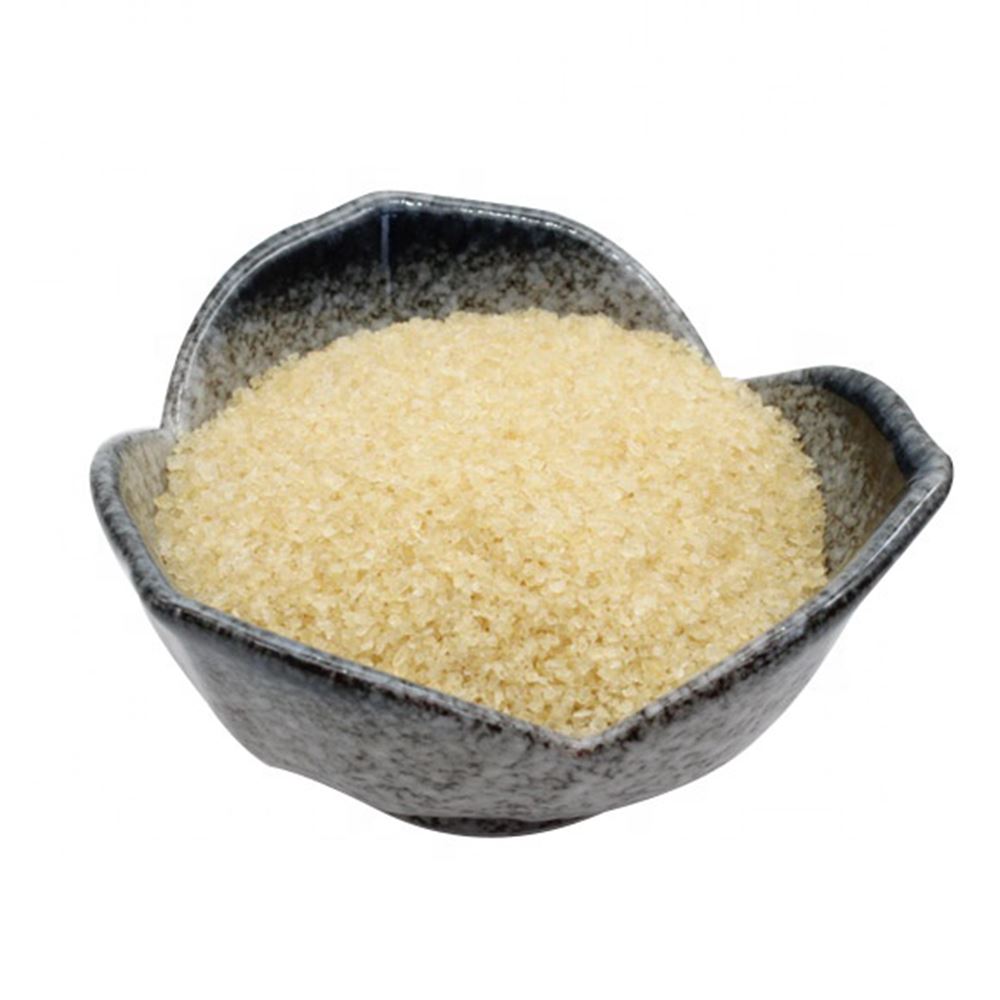
Gelatin is a protein derived primarily from collagen found in animal connective tissues, skin, and bones. When sourced and processed under Islamic dietary laws, it becomes Halal gelatin, suitable for use in food, pharmaceuticals, and other applications.
Industrial importance of Halal gelatin includes:
- Food & Confectionery: Gummies, marshmallows, and jellies depend on Halal gelatin for gel strength, texture, and clarity.
- Dairy Products: Used in yogurts, desserts, and cream-based formulations to enhance consistency.
- Pharmaceuticals: Gelatin capsules for vitamins, supplements, and medications require Halal certification.
- Nutraceuticals & Functional Foods: Supplements, protein powders, and health products increasingly demand Halal compliance.
- Industrial Applications: Adhesives, photographic films, and cosmetic products benefit from the binding and stabilizing properties of gelatin.
The growing market for Halal-certified products in Oman highlights the need for reliable, high-quality suppliers who understand the specific demands of B2B industrial clients.
Common Challenges in Sourcing Halal Gelatin in Oman
Selecting a Halal gelatin supplier requires careful consideration due to unique industry challenges:
- Certification Verification: Ensuring the supplier provides genuine Halal certification compliant with recognized authorities.
- Quality Consistency: Gelatin properties such as Bloom value, viscosity, and moisture content directly affect product performance.
- Supply Reliability: Manufacturing schedules are highly sensitive to ingredient delays; reliable logistics and inventory management are essential.
- Price Fluctuations: Raw material costs and global market dynamics can affect gelatin pricing. Strategic partnerships help stabilize supply and cost.
- Compliance with International Standards: For exporters, adherence to GMP, ISO, and Halal standards is crucial.
At MT Royal, we have observed these challenges across various industrial sectors in Oman and provide solutions tailored to mitigate risk, improve operational efficiency, and ensure consistent Halal compliance.
Types of Halal Gelatin and Their Applications
Understanding the types of gelatin is essential to selecting the right product for industrial use:
1. Food-Grade Halal Gelatin
Ideal for confectionery, desserts, and dairy, food-grade Halal gelatin offers high clarity, neutral taste, and optimal gel strength.
2. Pharmaceutical-Grade Halal Gelatin
Used in capsules and nutraceuticals, this gelatin requires strict GMP compliance, low microbial counts, and Halal certification.
3. Industrial-Grade Halal Gelatin
Applied in adhesives, coatings, and technical products, industrial-grade Halal gelatin may have slightly lower purity but provides specific functional properties.
4. Specialty Halal Gelatin
Modified gelatin types tailored for cold-water solubility, low-calorie formulations, or specific gel textures.
Selecting the correct type ensures product consistency, regulatory compliance, and optimal manufacturing efficiency.
Industrial Best Practices for Halal Gelatin Use
1. Proper Storage
Halal gelatin is hygroscopic and must be stored in a dry, cool environment. Excess moisture can compromise gel strength and microbial safety.
2. Accurate Formulation
Precise measurement is crucial. Over- or under-dosing gelatin can negatively affect texture, solubility, and product stability.
3. Correct Dissolution Techniques
Gelatin requires proper hydration and controlled heating for complete dissolution. Inadequate handling can result in lumps and inconsistent gels.
4. Batch Consistency
Working with a trusted supplier like MT Royal ensures consistent Bloom values, moisture content, and functional performance across all batches.
Common Procurement Mistakes to Avoid
Manufacturers often face operational and quality issues due to avoidable procurement mistakes:
- Ignoring Certification Details: Not verifying Halal certification can result in regulatory or reputational risks.
- Using Incorrect Gel Strength: Bloom value mismatch may compromise product texture.
- Poor Storage Practices: Moisture exposure can degrade gelatin quality and reduce shelf life.
- Over-Reliance on a Single Supplier: Diversifying sourcing ensures production continuity in case of supply disruptions.
At MT Royal, we guide clients to avoid these pitfalls, ensuring smooth procurement and consistent industrial performance.
Frequently Asked Questions by Industrial Buyers
Q1: What factors should I consider when choosing Halal gelatin for my product?
A1: Determine required Bloom value, solubility, and end-use application. MT Royal provides technical support to align specifications with production needs.
Q2: Is Halal gelatin available in bulk for large-scale production?
A2: Yes. We specialize in bulk supply with consistent quality, suitable for industrial-scale manufacturing.
Q3: How long can Halal gelatin be stored?
A3: Under dry, cool conditions, Halal gelatin can last up to 24 months while maintaining functional properties.
Q4: Are there different Bloom values for different applications?
A4: Absolutely. Higher Bloom gelatin is ideal for firm gels (like gummies), while lower Bloom is used for soft gels and desserts.
Q5: How does MT Royal ensure product reliability?
A5: We maintain strict quality checks, supply chain monitoring, and direct partnerships with certified manufacturers to guarantee consistent Halal-certified gelatin.
Why MT Royal is the Preferred Halal Gelatin Supplier in Oman
We at MT Royal have extensive experience supplying Halal-certified gelatin to industrial clients across Oman. Key advantages include:
- Diverse range of Halal gelatin types for multiple industrial applications
- Certified and compliant with local and international standards
- Competitive pricing with reliable bulk supply
- Technical support for production optimization
- Flexible logistics and inventory management
Partnering with MT Royal ensures your manufacturing processes are uninterrupted, compliant, and optimized for quality and efficiency.
Conclusion
Choosing a Halal gelatin supplier in Oman is more than a procurement decision—it is a strategic choice that influences product quality, regulatory compliance, and brand trust. By working with a supplier who prioritizes certification, quality consistency, and industrial expertise, manufacturers can enhance operational efficiency and reduce risks.
MT Royal combines technical knowledge, extensive industry experience, and reliable supply chains to deliver premium Halal gelatin suitable for food, pharmaceutical, nutraceutical, and industrial applications. Our focus on quality, compliance, and customer collaboration ensures your production operations remain smooth, efficient, and market-ready.

No comment