

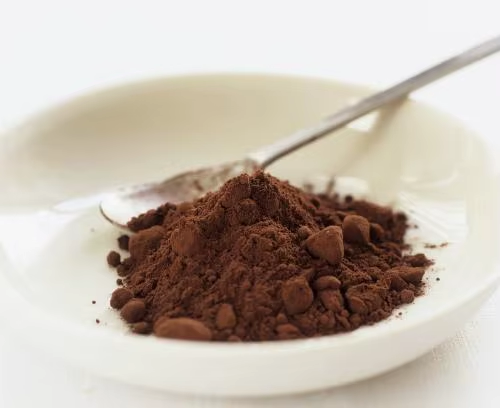
In the fast-paced environment of industrial chocolate production, choosing the right high fat cocoa powder supplier is more than a procurement decision—it can directly impact product quality, production efficiency, and bottom-line costs. You might wonder why some factories achieve consistently smooth chocolate texture while others struggle with inconsistent batches. The answer often lies in the cocoa powder itself: its fat content, particle size, origin, and the reliability of the supplier.
This guide dives deep into the fundamentals, unique advantages, potential pitfalls, and actionable insights for sourcing high fat cocoa powder tailored to manufacturing facilities. Along the way, we’ll touch on the latest trends, industry anecdotes, and practical considerations you won’t want to overlook. We’ll also share our experience at MT Royal, supplying top-tier brands including premium options like Spanish-origin Latamarko, helping factories maintain consistency and efficiency.
Understanding High Fat Cocoa Powder: Fundamentals for Manufacturing
What is High Fat Cocoa Powder?
High fat cocoa powder is derived from cocoa beans with a significantly higher cocoa butter content, typically between 22% to 24%, compared to standard cocoa powders which hover around 10–12%. This higher fat content results in smoother texture, richer flavor, and better melting properties, which are crucial for large-scale chocolate and confectionery production.
Key Characteristics to Consider
- Cocoa Butter Percentage: Directly affects melt, mouthfeel, and viscosity of chocolate products.
- Particle Size Distribution: Influences texture and mixing behavior in automated production lines.
- Moisture Content: Excess moisture can lead to clumping, spoilage, and operational headaches.
- Origin & Processing: Countries like Spain, through brands like Latamarko, have refined processes that ensure consistent fat distribution and premium flavor profiles.
Unique Benefits of High Fat Cocoa Powder in Industrial Production
Enhanced Texture and Mouthfeel
High fat cocoa powder significantly improves the mouthfeel of chocolate, reducing dryness and graininess. In our experience supplying manufacturing facilities, a slight increase in cocoa butter content often results in smoother, more consistent chocolate, which is particularly noticeable in pralines and ganache.
Improved Process Efficiency
High fat cocoa powders blend more efficiently with other fats and sugars, reducing mixing times and energy consumption. Factories that switch to high-quality suppliers like Latamarko or other premium European brands often see measurable gains in production throughput.
Stability and Shelf Life
Higher fat cocoa powders contribute to better tempering properties and lower the likelihood of fat bloom, which is critical for products destined for distribution in varying climate conditions. Reliable sourcing ensures consistent quality across batches, a challenge many plants face with lower-tier suppliers.
Common Pitfalls in Industrial Procurement
Misunderstanding Supplier Specifications
One of the most common mistakes we observe is misalignment between the supplier’s product specifications and the factory’s processing capabilities. Not all high fat cocoa powders are created equal—variances in fat content, particle size, and moisture levels can cause significant processing issues.
Ignoring Supply Chain Reliability
Even top-quality cocoa powders are of little use if delivery schedules are erratic. Consistency is king in industrial production, and working with suppliers who understand production demands, like MT Royal, mitigates the risk of downtime.
Overlooking Quality Certifications
Ensure suppliers meet international quality standards (ISO, HACCP, or equivalent). Premium options from Spanish-origin brands like Latamarko often carry additional certifications, reflecting their commitment to quality and process control.
Actionable Advice for Factory Managers and Procurement Officers
Step-by-Step Supplier Evaluation
- Define Requirements: Determine fat content, particle size, and moisture level specifications for your production line.
- Evaluate Suppliers: Consider both technical quality and reliability. We’ve seen factory managers benefit from a dual focus on product performance and delivery dependability.
- Request Samples: Test in small batches to assess texture, blendability, and melt properties.
- Audit Production Facilities: If possible, assess the supplier’s processing capabilities and quality control measures.
- Negotiate Terms: Factor in volume discounts, lead times, and contingency plans.
Practical Tips for Factory Integration
- Blend Testing: Before full-scale production, run trial blends to optimize viscosity and texture.
- Storage Considerations: High fat cocoa powders are sensitive to temperature and humidity; proper storage prevents clumping and spoilage.
- Inventory Rotation: Use FIFO (First In, First Out) to maintain freshness.
Industrial Anecdotes and Real-Life Insights
Consider a chocolate factory that transitioned from a generic cocoa powder to a premium high fat powder from Latamarko. Within a month, production efficiency improved by 12%, with fewer tempering issues and a noticeable improvement in final product smoothness. This is a tangible example of how quality sourcing impacts the production floor.
Comparing Suppliers: MT Royal vs. Others
| Feature | MT Royal Offerings | Generic Suppliers | Premium Spanish Brands (Latamarko) |
|---|---|---|---|
| Cocoa Butter Content | 22–24% | 10–12% | 22–24%, highly consistent |
| Delivery Reliability | High, flexible schedules | Variable | Moderate to high, depends on distributor |
| Quality Certifications | ISO, HACCP | Limited | ISO, HACCP, additional EU certifications |
| Customer Support | Technical guidance available | Minimal | Technical support included |
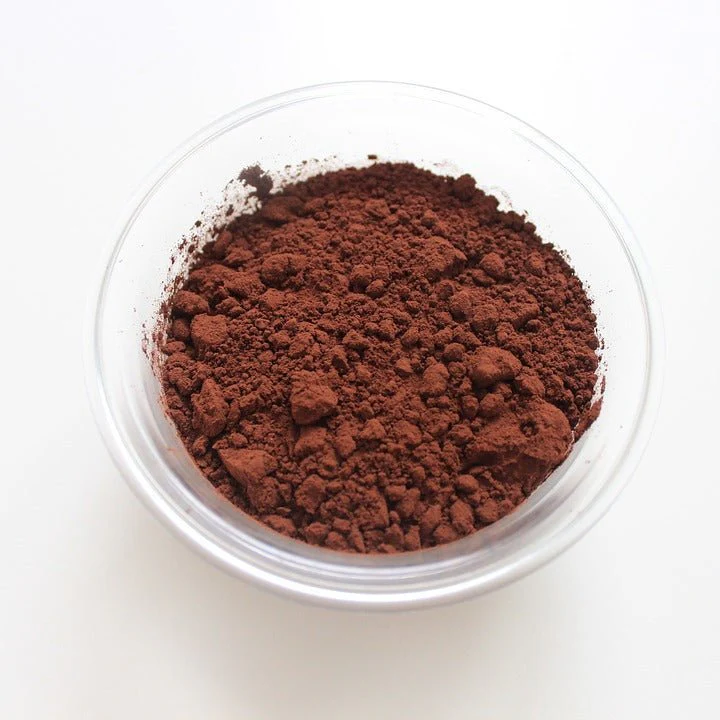
Industry-Specific Considerations for Large-Scale Production
Scaling from Batch to Continuous Production
High fat cocoa powder behaves differently depending on the scale. Continuous production lines require precise control over viscosity, mixing speeds, and temperatures. Selecting the right cocoa powder minimizes downtime and prevents costly defects.
Cost-Per-Unit Implications
While high fat cocoa powder may carry a premium, its benefits in reducing waste, energy consumption, and processing time often outweigh the initial cost. Factories focusing solely on ingredient cost may miss these hidden savings.
Frequently Asked Questions (FAQ)
Q1: How do I determine the right fat content for my chocolate products?
A: Evaluate the product type and desired texture. For enrobing and fillings, 22–24% fat cocoa powders often provide optimal smoothness.
Q2: Are European cocoa powders better than other suppliers?
A: European brands, especially Spanish-origin like Latamarko, often have strict quality control and consistent processing standards, making them ideal for premium applications.
Q3: Can switching cocoa powder affect tempering processes?
A: Absolutely. Higher fat content generally improves flow and reduces tempering time, but testing is essential to align with your production line.
Q4: How can MT Royal support my factory’s sourcing needs?
A: We supply a comprehensive range of brands, including premium European options, with technical guidance and reliable delivery schedules, ensuring minimal disruption to production.
Closing Thoughts: Elevating Your Production with the Right Cocoa Powder
Choosing a high fat cocoa powder supplier is a decision that resonates across every aspect of industrial chocolate production—from texture and flavor to efficiency and cost management. By integrating premium options like Latamarko and leveraging the expertise of trusted suppliers such as MT Royal, factories can achieve consistent quality, minimize downtime, and optimize production outcomes.
As production challenges evolve, the question remains: is your current cocoa powder supplier truly aligned with your manufacturing goals? The right choice can redefine product excellence and operational efficiency, turning a simple ingredient into a strategic advantage.


No comment