

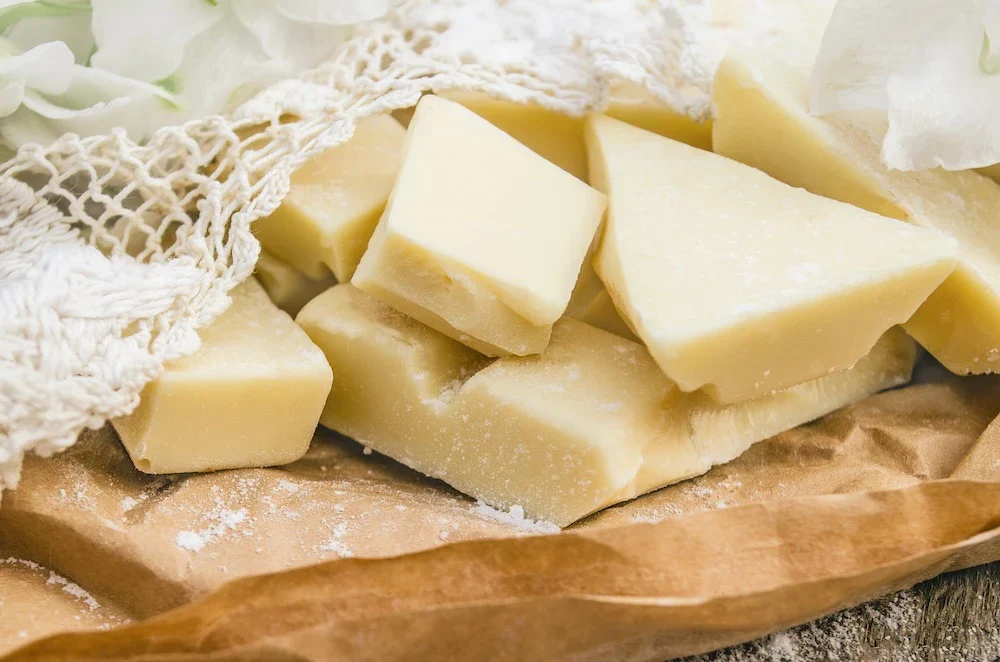
In the world of chocolate manufacturing, one of the biggest challenges is ensuring that products can withstand heat without losing form, texture, or taste. Standard cocoa butter, while prized for its flavor and mouthfeel, melts at relatively low temperatures, making heat-resistant chocolate production a complex engineering task.
This is where high-melting point cocoa butter substitutes come into play. They allow factories to produce chocolates capable of surviving tropical climates, prolonged storage, or industrial transport without compromising quality. Understanding these substitutes, their sourcing, and practical implementation can transform your production line’s efficiency and product reliability.
In this article, we provide a detailed, industrial-focused guide on high-melting cocoa butter alternatives. We explore types, sourcing considerations, benefits, pitfalls, actionable tips, and the role of premium suppliers like Latamarko and trusted exporters such as MT Royal.
Understanding High-Melting Point Cocoa Butter Substitutes
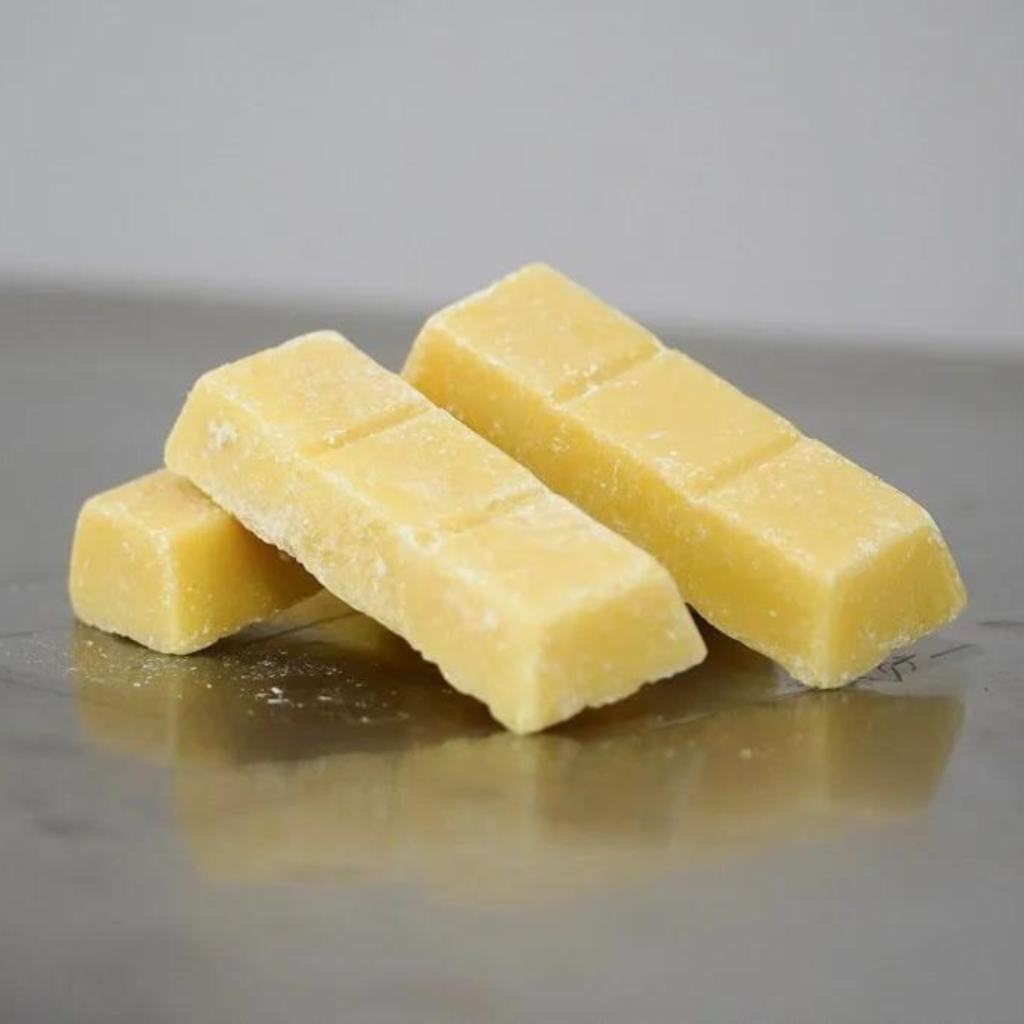
High-melting point cocoa butter substitutes, often called cocoa butter equivalents (CBEs), are vegetable fats designed to mimic cocoa butter’s properties while offering higher melting temperatures. They are ideal for heat-resistant chocolate applications, coating chocolates, and compound chocolate production.
Key Types:
- Cocoa Butter Equivalents (CBEs): Vegetable fats compatible with cocoa butter; maintain crystallization properties.
- Cocoa Butter Replacers (CBRs): Fats that replace cocoa butter partially; may affect flavor and mouthfeel.
- Specialty Hard Fats: Custom blends engineered for high thermal resistance and industrial stability.
These substitutes differ in triglyceride composition, melting points, and processing compatibility, all of which impact the final chocolate quality.
Why High-Melting Cocoa Butter Substitutes Matter
1. Enhanced Thermal Stability
Heat-resistant chocolates need to withstand temperatures above standard cocoa butter’s melting range (30–34°C). Substitutes allow chocolates to maintain structure in hot climates, reducing bloom, deformation, and spoilage.
2. Cost-Effective Production
While premium chocolate products prioritize 100% cocoa butter, heat-resistant formulations can combine substitutes to reduce wastage, improve yield, and optimize production costs—especially relevant for large-scale factories.
3. Extended Shelf Life
High-melting point fats resist softening during transport or storage, ensuring products reach distributors and consumers intact, even in challenging environmental conditions.
4. Process Efficiency
Substitutes with predictable melting profiles reduce tempering issues, shorten production cycles, and minimize downtime—a critical consideration for industrial chocolate manufacturers.
Industrial Considerations for Sourcing
Choosing the right high-melting point substitute involves multiple factors:
- Supplier Reliability: MT Royal supplies a diverse portfolio of substitutes, balancing cost, quality, and availability.
- Fat Compatibility: Ensure triglyceride composition matches your formulation needs.
- Regulatory Compliance: Confirm compliance with food safety standards (e.g., FDA, EU regulations).
- Brand Options: Premium options from European suppliers, particularly Latamarko, provide superior crystallization stability and thermal consistency.
In our experience supplying production facilities, careful supplier selection is as crucial as the substitute itself—predictable performance avoids costly production disruptions.
Benefits of Integrating High-Melting Substitutes in Production
1. Heat-Resistant Chocolates
For manufacturers in tropical or high-temperature markets, these substitutes ensure chocolates maintain shape, texture, and gloss. This is essential for packaging, distribution, and consumer satisfaction.
2. Flexible Product Development
Substitutes allow experimentation with novel product forms—coatings, enrobed items, or decorative chocolates—without compromising structural integrity.
3. Reduced Material Loss
Chocolates that soften during handling or storage generate scrap. Substitutes mitigate softening, lowering wastage and improving overall production efficiency.
4. Industrial Scalability
High-melting point fats integrate smoothly into automated lines, improving throughput and consistency across batches, especially for high-volume chocolate factories.
Common Pitfalls and Misconceptions
Despite their benefits, manufacturers must avoid common mistakes:
- Flavor Alteration: Some substitutes can slightly impact flavor; premium European blends, such as Latamarko, minimize this effect.
- Incorrect Tempering: High-melting fats require adjusted tempering schedules to achieve proper crystal formation.
- Overreliance on Substitutes: While excellent for heat resistance, excessive replacement may reduce mouthfeel and cocoa flavor.
- Storage Sensitivity: Substitutes may oxidize or absorb moisture if improperly stored.
Actionable Tips for Factory Managers and Production Supervisors
Step 1: Define Product Goals
- Determine target melting point and application (bars, coatings, tropical-market products).
- Decide the acceptable substitution ratio for cocoa butter.
Step 2: Select Trusted Suppliers
- Use MT Royal for a broad range of high-melting substitutes.
- Evaluate premium Latamarko options for products requiring superior crystallization and texture.
- Request sample batches to verify performance in your production line.
Step 3: Adjust Production Processes
- Update tempering profiles to accommodate higher melting fats.
- Monitor viscosity and mixing behavior, as substitutes may slightly alter flow characteristics.
- Conduct small-scale pilot runs before full production.
Step 4: Implement Quality Control
- Test hardness, gloss, snap, and bloom resistance.
- Maintain batch records to monitor consistency.
- Rotate stock to preserve quality and prevent oxidation.
Real-World Industrial Examples
Tropical Chocolate Bars: A Southeast Asian manufacturer integrated high-melting CBEs with standard cocoa butter. Outcome: chocolates maintained shape at 35°C, reducing returns and increasing consumer satisfaction.
Enrobed Products: A European confectionery plant replaced part of cocoa butter with Latamarko’s premium high-melting fractions for chocolate-coated nuts. Benefits included faster enrobing, fewer blockages in machinery, and extended shelf life.
Comparison Table: Cocoa Butter vs. High-Melting Substitutes
| Attribute | Cocoa Butter | High-Melting Substitutes | Notes |
|---|---|---|---|
| Melting Point | 30–34°C | 36–40°C+ | Ideal for tropical climates |
| Flavor Impact | Full cocoa taste | Slight variation possible | Premium brands like Latamarko minimize effect |
| Tempering Sensitivity | Standard | Adjusted profiles needed | Pilot runs recommended |
| Cost | Higher | Lower per unit in bulk | Reduces production losses |
| Shelf Life | Standard | Extended | Ideal for transport and storage |
Large-Scale Production Considerations
When scaling heat-resistant chocolate production:
- Inventory Management: High-melting fats may require temperature-controlled storage.
- Equipment Compatibility: Verify mixers, pumps, and tempering machines can handle altered viscosity.
- Supplier Backup Plans: MT Royal provides multiple sourcing options to ensure continuity.
- Regulatory Compliance: Confirm substitutes meet local and international food safety standards.
Frequently Asked Questions
Q: Can high-melting substitutes fully replace cocoa butter?
A: Not entirely. Most formulations use a partial substitution to balance heat resistance and flavor.
Q: Are premium European brands necessary?
A: For high-value or specialty products, Latamarko ensures consistent crystallization and texture.
Q: How do I store these substitutes?
A: Keep in a cool, dry environment, away from light and moisture, to maintain quality.
Q: Will substitutes affect tempering?
A: Yes. Adjust tempering schedules based on fat composition to achieve optimal crystal formation.
Future Trends in Heat-Resistant Chocolate Manufacturing
The demand for heat-resistant chocolates is rising in tropical markets and for export products. Innovations in high-melting point fats, coupled with premium European fractions like Latamarko, enable manufacturers to produce chocolates with superior structural integrity, extended shelf life, and consistent consumer appeal.
At MT Royal, we’ve observed that integrating high-melting substitutes carefully enhances process reliability, reduces wastage, and supports product innovation. For factory managers and production supervisors, understanding these fats, selecting trusted suppliers, and adjusting production processes are keys to operational excellence.
Next time you review your chocolate formulation strategy, consider this: could adopting high-melting cocoa butter substitutes transform your production efficiency while expanding your market reach?
latamarko alkalized cocoa powder lm60
cocoa powder for chocolate production-Best price
Food industry raw materials – list of products
Types of Gelatin from Turkish Manufacturer
Alkalized Cocoa Powder Bulk Supplier



No comment