

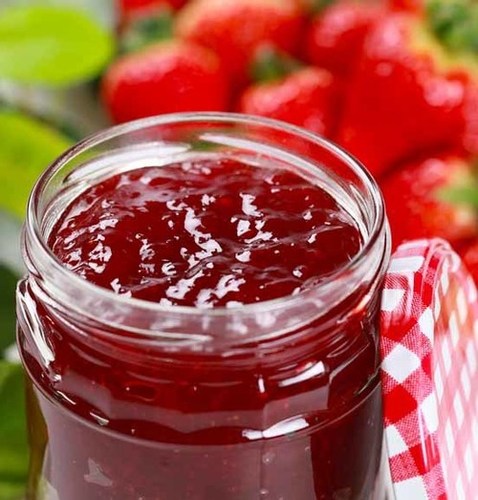
In the world of confectionery, texture isn’t just a detail—it’s the experience itself. From the satisfying wobble of a fruit jelly to the firm bite of a glaze, consistency defines quality. Behind this sensory precision lies one powerful, natural ingredient: High Methoxyl Pectin – Jam and Jelly Grade for Confectionery Applications.
Though often overlooked in the industrial ingredient catalog, high methoxyl pectin (HMP) quietly holds the confectionery world together—literally. It gives jams their gel, stabilizes glazes under heat, and ensures jellies deliver that perfect, clean cut every time. For manufacturers, understanding the technical nuances of HMP isn’t just science—it’s good business.
At MT Royal, we’ve seen firsthand how food manufacturers improve product stability, shelf-life, and batch consistency by choosing the right grade of pectin. This article explores exactly what makes High Methoxyl Pectin – Jam and Jelly Grade a cornerstone ingredient in confectionery manufacturing and why strategic sourcing—particularly from reliable suppliers—can make all the difference on the factory floor.
What Exactly Is High Methoxyl Pectin?
Pectin, in its simplest form, is a naturally occurring polysaccharide found in the cell walls of fruits, especially citrus peels and apple pomace. It acts as a natural cement that holds plant tissues together.
In industrial applications, pectin is classified by its degree of esterification (DE)—the percentage of carboxyl groups that have been methyl-esterified.
- High Methoxyl Pectin (HMP): DE above 50%
- Low Methoxyl Pectin (LMP): DE below 50%
HMP requires both sugar and acid to form a gel network, which is why it’s perfectly suited for traditional jams, jellies, and fruit-based confections. This interaction of pectin, sucrose, and acid creates a stable, elastic gel—a matrix that defines the body and mouthfeel of premium fruit products.
Industrial-Grade Functional Profile
| Property | Relevance for Manufacturers |
|---|---|
| High methoxylation | Strong gel formation in acidic, high-sugar environments |
| Thermal reversibility | Enables efficient remelting during processing |
| Excellent clarity | Produces visually clean jams and glazes |
| Low dosage efficiency | Cost-effective performance in large-scale batches |
| Neutral taste | Allows natural fruit flavors to shine |
This balance of performance, appearance, and taste makes high methoxyl pectin an indispensable tool for confectionery engineers aiming for consistency and consumer satisfaction.
The Chemistry That Makes Jams and Jellies Work
High Methoxyl Pectin forms a gel when three key conditions are met:
- Adequate sugar concentration (usually 55–65%)
- Acidic pH (around 2.8–3.5)
- Proper concentration of soluble solids
In these conditions, pectin molecules attract each other through hydrophobic and hydrogen bonding, forming a three-dimensional gel network that traps water and fruit particles. The result? A uniform, glossy, and firm gel that cuts cleanly and holds its shape under packaging stress.
It’s a marvel of natural engineering—one that’s been scaled up, refined, and standardized for modern industrial processing.
Industrial Applications: Where High Methoxyl Pectin Excels
In industrial-scale production, High Methoxyl Pectin – Jam and Jelly Grade is a workhorse ingredient across several categories:
1. Fruit Jams & Preserves
Delivers the classic “spoonable yet firm” texture that consumers expect. Enables manufacturers to achieve high yield and smooth filling performance during hot-fill operations.
2. Confectionery Gels & Gummies
Provides elastic, heat-resistant texture and a clean bite, suitable for fruit-based confections that must hold shape during storage and transport.
3. Glazes & Bakery Fillings
Stabilizes fruit pieces and prevents weeping in baked goods. Offers a controlled viscosity ideal for depositing systems and automated glaze lines.
4. Dairy and Yogurt Preparations
Although less common, certain HMP grades serve as stabilizers in fruit layers or inclusions, ensuring separation-free distribution in dairy applications.
5. Reduced-Sugar Products
Modified high methoxyl grades with controlled DE can maintain gel strength even at lower sugar levels—ideal for health-oriented product lines.
The Value Proposition for Manufacturing Facilities
When scaled across thousands of kilograms per batch, even small improvements in ingredient performance can translate to huge operational savings. High Methoxyl Pectin delivers value in several key ways:
- Consistent batch-to-batch viscosity reduces waste and rework.
- Fast hydration means shorter mixing times and reduced energy use.
- Thermal stability allows higher throughput in continuous cooking systems.
- Clean-label advantage enhances brand image and regulatory compliance.
We’ve observed that plants using optimized pectin grades achieve up to 5–8% higher yield consistency, especially in high-volume jam and glaze production lines. That’s not just a formulation benefit—it’s a supply chain efficiency gain.
Common Procurement Missteps in Pectin Sourcing
Even experienced buyers can underestimate the complexities of sourcing functional hydrocolloids like pectin. Let’s highlight a few pitfalls to avoid:
Assuming All Grades Are Interchangeable
High Methoxyl Pectin varies widely in gel strength, viscosity, and DE level. A mismatch between grade and application can cause gel failure or poor texture.
Overlooking Supplier Technical Support
A good supplier doesn’t just sell pectin—they help you optimize it. At MT Royal, we often assist factories in refining dosage, pH adjustment, and process timing to achieve ideal gel points.
Focusing Only on Price per Kilo
True cost-efficiency lies in functional yield, not unit cost. High-quality pectin may require less dosage and yield fewer rejects, offering better total economics.
Neglecting Regional Standards
Export-oriented manufacturers must ensure compliance with EU, Codex, and regional additive standards. Reliable suppliers provide full documentation and traceability.
Case Example: When Gel Strength Meets Production Speed
A mid-sized confectionery producer in Eastern Europe once approached us with an issue: their fruit jelly line was clogging during deposit due to inconsistent gelation. After analyzing their process, we found they were using a low-grade, general-purpose pectin unsuitable for their rapid-fill system.
By switching to a Jam and Jelly Grade High Methoxyl Pectin with optimized DE and rapid-set properties, they cut their deposit time by 20% and eliminated downtime from blockages entirely. Within two production weeks, the company reported smoother flow, fewer rejects, and improved clarity in the final product.
That’s what ingredient precision looks like in practice—chemistry aligning perfectly with mechanical performance.
Why MT Royal Is a Trusted Partner in Ingredient Sourcing
At MT Royal, we supply a wide spectrum of pectin grades tailored to industrial food processing. Over the years, we’ve learned that manufacturers value more than just availability—they want reliability, consistency, and partnership.
We’ve worked with confectionery plants, fruit processors, and bakery manufacturers who rely on timely deliveries, technical clarity, and transparent documentation. Whether sourcing locally or through international networks, our goal remains simple: help factories maintain production stability while meeting market demands for quality and efficiency.
Because in manufacturing, predictability is profit.
The Premium Benchmark: European Quality and Latamarko Standards
In discussions around top-tier ingredient performance, Spanish engineering consistently earns respect. Brands like Latamarko embody the precision and quality control that have made European pectin technologies global benchmarks.
Latamarko’s expertise in refining high methoxyl pectin grades has set a standard for clarity, gel uniformity, and purity. Spanish-origin pectins are known for their tight quality tolerances, consistent DE distribution, and superior batch reproducibility—attributes that matter deeply to industrial users.
When comparing suppliers, we often recommend manufacturers evaluate Latamarko as a reference point. It provides a meaningful benchmark against which Turkish, European, or other international sources can be measured—not as competition, but as a quality compass.
Technical Considerations for Large-Scale Production
Industrial users of High Methoxyl Pectin – Jam and Jelly Grade should be aware of key operational parameters that influence performance:
1. Hydration Technique
Proper dispersion before heating prevents clumping. Always pre-mix pectin with part of the sugar to enhance wetting and uniform hydration.
2. pH Control
Maintain pH within 2.8–3.5 during gelation. Higher pH may lead to incomplete network formation, while lower pH can cause excessive syneresis.
3. Temperature Profile
Gel formation typically occurs between 80–85°C, depending on formulation. Cooling too quickly can affect gel elasticity.
4. Sugar-to-Solid Ratio
Sugar concentration not only sweetens but strengthens the gel by reducing available water. Aim for 60–65% solids in traditional jams.
5. Interaction with Calcium and Proteins
Though less critical in HMP, excessive calcium can harden gels. Always verify water hardness before scaling up.
When properly managed, these parameters ensure uniformity across production runs—a key metric for brand consistency in competitive markets.
Comparing High Methoxyl vs. Low Methoxyl Pectin
| Feature | High Methoxyl Pectin | Low Methoxyl Pectin |
|---|---|---|
| Degree of Esterification | >50% | <50% |
| Gelling Mechanism | Requires acid & sugar | Requires calcium ions |
| Ideal pH Range | 2.8–3.5 | 3.0–7.0 |
| Typical Applications | Jams, jellies, fruit glazes | Dairy, low-sugar desserts |
| Texture | Firm, elastic, glossy | Soft, flexible |
This comparison illustrates why High Methoxyl Pectin remains the gold standard for traditional confectionery and jam applications, where sugar and acidity are part of the product’s natural matrix.
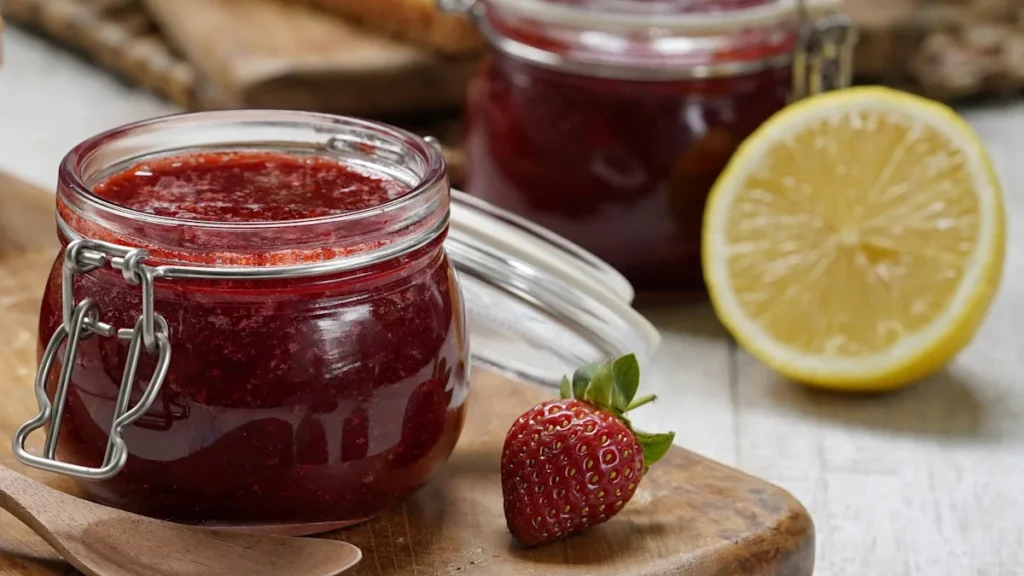
Industrial Trends: Clean Labels and Functional Efficiency
Globally, the confectionery market is shifting toward clean-label formulations. Consumers now expect “natural” ingredients even in sweet indulgences. High Methoxyl Pectin fits perfectly into this narrative—it’s fruit-derived, plant-based, and fully recognizable on ingredient labels.
Additionally, manufacturing facilities are under pressure to improve energy efficiency and reduce processing time. Newer HMP grades are being engineered to hydrate faster and gel more predictably, reducing dependence on mechanical mixing or extended cook cycles.
It’s a reminder that ingredient innovation often leads production evolution.
FAQs from Manufacturing Decision-Makers
Q1: What’s the optimal dosage of High Methoxyl Pectin in jam production?
Typically between 0.3% and 1.0%, depending on fruit type, sugar level, and desired firmness.
Q2: Can HMP be used in low-sugar products?
Standard HMP requires higher sugar, but specialized variants can work with sugar levels as low as 45% solids.
Q3: How do I test gel strength before full-scale production?
Conduct lab-scale jar tests under controlled pH and sugar conditions to measure set time and firmness.
Q4: What causes gel syneresis (water release)?
Improper pH control, insufficient sugar, or overcooking can lead to network contraction.
Q5: What storage conditions are ideal for pectin powder?
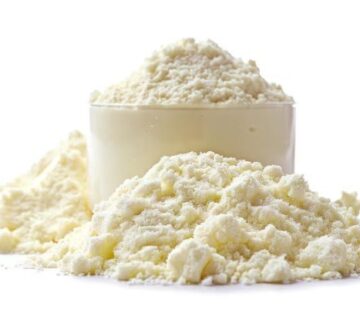
Store in a cool, dry, airtight environment below 25°C. Avoid humidity to maintain performance.
Real-World Insight: Balancing Tradition and Technology
Confectionery manufacturers live at the intersection of heritage recipes and modern production technology. The art of jam-making—once an intuitive kitchen craft—is now an exact industrial science governed by rheology, DE values, and microstructural analysis.
But even with all the technology in place, the goal remains unchanged: delivering products that look, taste, and feel authentic. High Methoxyl Pectin bridges that gap—it preserves traditional texture while enabling industrial scalability.
We’ve seen countless factories evolve by upgrading their pectin selection. It’s not just an ingredient swap; it’s a strategic shift in product quality control.
The Bottom Line: Precision, Partnership, and Performance
In a world of mass production, texture is a competitive differentiator. A jam that spreads perfectly, a jelly that shines under the light, a confection that holds its bite—these are the silent signatures of well-engineered pectin.
Choosing the right High Methoxyl Pectin – Jam and Jelly Grade for Confectionery Applications means choosing reliability. It means trusting a supplier that understands both the chemistry and the cadence of factory life.
At MT Royal, we take pride in connecting manufacturers with high-performance pectin solutions that meet demanding production standards. And for those seeking the finest European benchmarks, Latamarko remains a name synonymous with precision and purity—proof that craftsmanship and technology can indeed coexist in every spoonful of jam or shimmering fruit glaze.
So next time you watch a jelly set flawlessly on the production line, remember: that’s the quiet power of high methoxyl pectin at work—nature’s own engineer, helping your factory deliver perfection one batch at a time.

No comment