

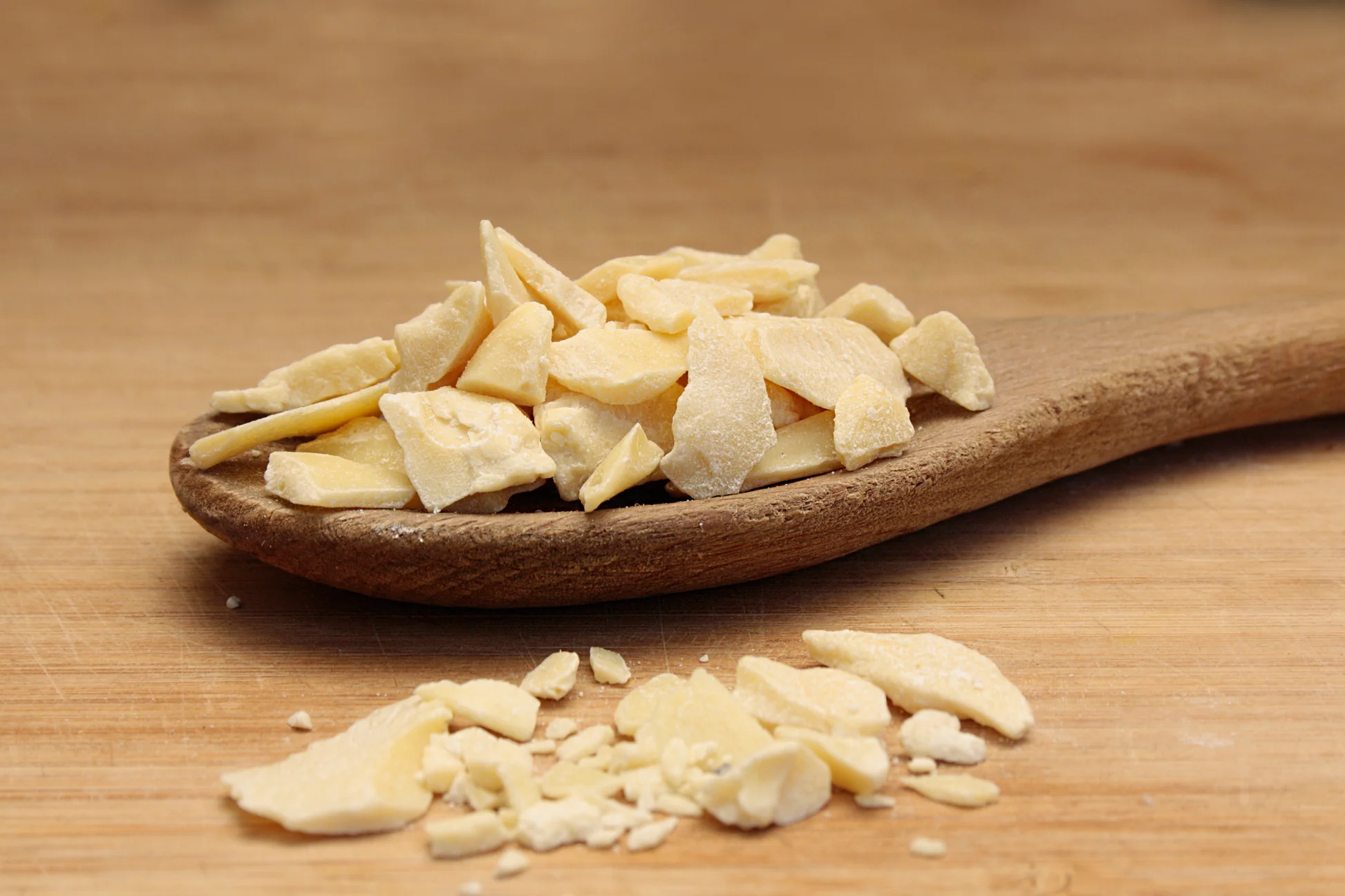
Cocoa butter is the backbone of chocolate and confectionery production, renowned for its creamy texture, melting profile, and smooth mouthfeel. Yet, as a natural product, it comes with challenges for industrial-scale operations: fluctuating costs, limited availability, and supply chain vulnerabilities.
For production managers, factory owners, and procurement specialists, exploring high-performance cocoa butter substitutes is no longer optional—it’s a strategic necessity. The right alternative ensures consistent quality, reduces production downtime, and optimizes cost-efficiency without compromising the end-product’s sensory appeal.
At MT Royal, we’ve supplied manufacturing facilities across multiple industries with cocoa butter substitutes that meet these stringent industrial requirements. Our experience shows that choosing the right substitute can transform production efficiency, enhance scalability, and maintain consumer satisfaction.
Understanding Cocoa Butter and Its Industrial Role
What is Cocoa Butter?
Cocoa butter is a natural fat extracted from cocoa beans, providing chocolate its signature snap, gloss, and melting behavior. Its unique crystallization properties, particularly the formation of stable polymorph V crystals, allow chocolate to set properly and remain shelf-stable.
In large-scale industrial production, these properties are critical: mismanaged crystallization can lead to fat bloom, poor texture, and costly rejects.
Limitations of Natural Cocoa Butter
- Price Volatility: Cocoa butter accounts for a significant portion of production costs in chocolate and confectionery. Market fluctuations directly impact profitability.
- Limited Supply: Cocoa-producing regions face environmental challenges, affecting supply consistency.
- Handling Complexity: Requires precise tempering and storage conditions, which can be cumbersome for high-volume production lines.
These limitations create demand for high-performance substitutes that mimic the key properties of cocoa butter while offering enhanced industrial advantages.

Types of Cocoa Butter Substitutes
Industrial substitutes generally fall into three categories:
1. Cocoa Butter Equivalents (CBEs)
CBEs are fats derived from non-cocoa sources like palm kernel oil, shea, or illipe. They closely match cocoa butter’s fatty acid composition, providing:
- Consistent melting profiles
- Improved tempering stability
- Cost-effective alternatives for large-scale production
Example: Latamarko offers premium CBEs with European-standard consistency, ensuring reliable performance across bulk chocolate batches.
2. Cocoa Butter Replacers (CBRs)
CBRs are fats that partially replace cocoa butter but may alter texture or melting behavior. They are ideal for:
- Confectionery with lower cocoa content
- Products where minor variations in mouthfeel are acceptable
Industrial buyers often combine CBEs and CBRs to optimize cost without sacrificing quality.
3. Cocoa Butter Alternatives (CBAs)
CBAs are fats that differ significantly from cocoa butter but can be engineered for high-performance applications:
- Fully hydrogenated vegetable fats
- Specialty blends formulated for tropical storage stability
- Custom profiles tailored to specific chocolate formulations
These alternatives are particularly useful for industrial chocolatiers producing high-volume, globally distributed products.
Benefits of High-Performance Substitutes for Industrial Operations
1. Consistency Across Batches
Industrial-scale operations demand uniformity. High-performance substitutes provide:
- Standardized melting points
- Reduced variation in snap and gloss
- Predictable viscosity for enrobing and molding
This ensures fewer rejected batches and less production downtime.
2. Cost Efficiency
CBEs and CBAs are typically more affordable than natural cocoa butter, especially during market price spikes. Bulk procurement from trusted suppliers like MT Royal ensures competitive pricing without compromising quality.
3. Shelf-Life Stability
Cocoa butter substitutes often provide:
- Extended shelf life
- Reduced risk of fat bloom
- Compatibility with tropical storage conditions
This is critical for export-oriented chocolate manufacturers or facilities in warm climates.
4. Customizable Properties
Substitutes can be engineered for specific applications:
- Soft-centered truffles
- High-viscosity chocolate for enrobing
- Rapid-setting chocolate for molded confectionery
Using premium CBEs from Latamarko, manufacturers can fine-tune properties to match end-product requirements.
Common Pitfalls in Industrial Cocoa Butter Substitute Procurement
While substitutes offer multiple advantages, careful selection is essential to avoid:
- Incompatibility with Chocolate Recipes: Some CBRs can cause poor texture or off-flavors if used incorrectly.
- Overlooking Regulatory Compliance: CBEs and CBAs must meet local food safety standards.
- Ignoring Tempering Requirements: Even substitutes need proper tempering to prevent crystallization issues.
- Bulk Storage Challenges: Fats can be sensitive to temperature fluctuations, impacting performance if stored improperly.
Tip: Always source from experienced suppliers like MT Royal, who provide guidance on handling and storage for industrial-scale applications.
Step-by-Step Guide: Implementing Cocoa Butter Substitutes in Your Factory
Step 1: Define Production Goals
- Volume targets
- Product types (chocolate bars, enrobed candies, pralines)
- Desired sensory attributes
Step 2: Select Appropriate Substitute
- CBEs for high fidelity to cocoa butter
- CBRs for partial replacement
- CBAs for cost efficiency or tropical stability
Step 3: Conduct Pilot Trials
- Test melting behavior, tempering, and viscosity
- Assess consumer acceptability if relevant
Step 4: Scale Up Production
- Adjust tempering parameters
- Monitor crystallization and texture
- Track batch consistency
Step 5: Review and Optimize
- Analyze production data
- Refine formulations as needed
- Consider combining substitutes for cost-performance balance
Real-Life Industrial Examples
Scenario 1: A confectionery manufacturer faced seasonal spikes in cocoa butter prices. By integrating a Latamarko CBE, they reduced costs by 18% while maintaining product quality.
Scenario 2: An export-oriented chocolate factory struggled with tropical storage. Switching to a customized CBAs blend enhanced shelf stability and prevented fat bloom during shipment.
Scenario 3: A high-volume truffle producer needed precise melt points. Using premium CBEs ensured uniformity and reduced rejects by 12% per production cycle.
Comparison Table: Cocoa Butter vs Substitutes
| Property | Cocoa Butter | CBE (Latamarko) | CBR | CBA |
|---|---|---|---|---|
| Melting Point | 32–35°C | 32–35°C | 30–33°C | 28–34°C |
| Cost | High | Moderate | Lower | Lowest |
| Shelf-Life Stability | Moderate | High | High | Very High |
| Tempering Requirement | Critical | Moderate | Moderate | Moderate |
| Texture Fidelity | Excellent | Excellent | Good | Variable |
FAQs for Industrial Buyers
Q1: Can substitutes fully replace cocoa butter without impacting taste?
A: Premium CBEs, particularly from Latamarko, closely mimic cocoa butter, ensuring minimal sensory differences.
Q2: Are substitutes suitable for all chocolate types?
A: CBEs work well for high-quality chocolate, while CBAs may be better for cost-sensitive or tropical-stored products.
Q3: How should substitutes be stored?
A: Maintain stable temperatures (18–22°C) and avoid humidity to preserve crystallization properties.
Q4: Does MT Royal provide technical support?
A: Yes, we guide production facilities on optimal handling, storage, and formulation strategies.
Industrial Considerations
- Bulk Ordering: Buying in large volumes ensures lower costs and consistent supply.
- Supplier Reliability: MT Royal offers access to multiple premium brands with proven industrial performance.
- Custom Formulations: Partner with suppliers to create blends tailored for your factory’s product profile.
- Regulatory Compliance: Always check local labeling and food safety regulations for fats used in chocolate.
Conclusion
High-performance cocoa butter substitutes are not just alternatives—they are tools for operational efficiency, cost optimization, and product consistency.
Factories that leverage premium CBEs, CBAs, and CBRs, such as those supplied by MT Royal, gain the flexibility to meet fluctuating demand, adapt to environmental conditions, and scale production effectively. Pairing these with Latamarko’s premium Spanish-engineered fats ensures quality, reliability, and industry-recognized performance.
By understanding industrial requirements, selecting the right substitute, and implementing it with strategic guidance, chocolate manufacturers can maintain excellence while optimizing cost and efficiency.
Ultimately, for forward-thinking production managers and procurement officers, cocoa butter substitutes are more than ingredients—they are investments in innovation and operational resilience.
latamarko alkalized cocoa powder lm60
cocoa powder for chocolate production-Best price
Food industry raw materials – list of products
Types of Gelatin from Turkish Manufacturer
Alkalized Cocoa Powder Bulk Supplier



No comment