

In the modern landscape of food and beverage production, precision, consistency, and quality of raw materials are non-negotiable. Every ingredient added to a formulation plays a role in taste, stability, shelf-life, and ultimately, consumer satisfaction. Among these, High-Purity Citric Acid Anhydrous 99.8% stands out as a cornerstone component for manufacturers who are committed to excellence. Its unmatched purity and performance make it a go-to choice for a wide range of industrial and food applications.
At MT Royal, we have observed firsthand how sourcing this high-quality ingredient from a reliable supplier can transform production efficiency, reduce costs, and ensure product consistency across batches. Factories that compromise on citric acid purity often encounter inconsistent flavor profiles, pH variations, and shorter shelf-lives, which can have significant operational and financial repercussions.
This article aims to provide an in-depth, professional guide for manufacturers, plant managers, and procurement specialists on High-Purity Citric Acid Anhydrous 99.8%. We will cover its chemical properties, industrial benefits, practical usage tips, common mistakes in sourcing, and frequently asked questions. By the end, you will understand why integrating this ingredient into your production process is not just a choice, but a strategic advantage for maintaining product quality and competitiveness in the market.
Definition and Fundamental Concepts
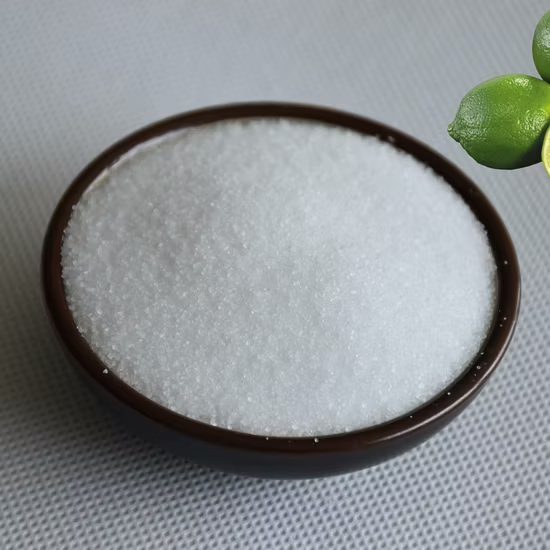
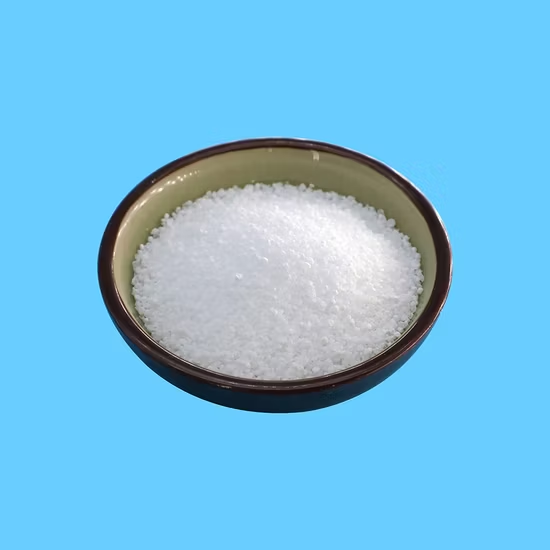
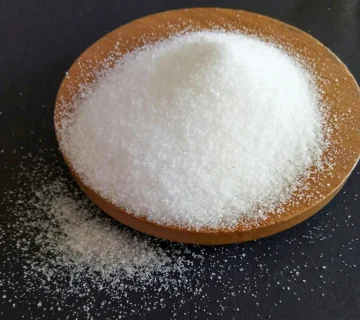
High-Purity Citric Acid Anhydrous 99.8% is the anhydrous form of citric acid with minimal water content, resulting in superior solubility, stability, and chemical reliability. Chemically represented as C6H8O7, it is a weak organic acid naturally found in citrus fruits but manufactured industrially under strict quality controls to ensure maximum purity. Its crystalline white appearance, high solubility in water, and neutral flavor make it an essential ingredient across multiple sectors.
Key Characteristics:
- Purity: 99.8%, ensuring predictable chemical behavior
- Solubility: High solubility enables rapid integration into liquids and powders
- Stability: Resistant to degradation under standard industrial conditions
- Taste: Neutral acidity allows flavor enhancement without overpowering formulations
Primary Applications:
- pH regulation in beverages, dairy products, sauces, and condiments
- Stabilization and preservation of food and beverage products
- Ingredient in effervescent tablets, powdered mixes, and concentrates
- Industrial applications including chelation, buffering, and cleaning solutions
Industrial Significance of High Purity
Purity is a critical factor in industrial and food applications. Using 99.8% pure citric acid ensures:
- Consistent Product Quality: Each batch behaves predictably, critical for large-scale production.
- Extended Shelf-Life: Low moisture content minimizes microbial growth and chemical degradation.
- Process Efficiency: Rapid solubility and homogeneity reduce production time and energy usage.
- Regulatory Compliance: High purity meets international food safety standards, supporting domestic and global distribution.
Common Supply Challenges and Mistakes
Even with a superior ingredient, errors in procurement and handling can impact results. Common mistakes include:
- Choosing Unverified Suppliers: Leads to variations in purity and performance.
- Improper Storage: Exposure to humidity converts anhydrous citric acid to the hydrated form, reducing solubility.
- Inadequate Packaging: Can result in contamination, clumping, or quality deterioration.
- Skipping Batch Verification: Failing to test incoming lots may cause inconsistencies in flavor, pH, or texture.
We at MT Royal have seen that attention to these details ensures that factories maintain operational efficiency while producing high-quality end products.
Practical Tips for Large-Scale Production
For manufacturers operating at scale, the following industrial practices are essential:
- Precision Dosing: Accurate measurement ensures consistent product quality and taste.
- Controlled Environment: Store in cool, dry conditions to prevent moisture absorption.
- Batch Standardization: Verify each lot to ensure uniformity across production runs.
- Supplier Collaboration: Work closely with trusted suppliers like MT Royal for timely deliveries and competitive pricing.
- Process Monitoring: Use automated pH and mixing systems to maintain consistent quality.
Advanced Industrial Insights
- Flavor Optimization: Citric acid enhances perceived sweetness and balances acidity, allowing for reduced sugar content without compromising taste.
- Integration in Automation: Automated dosing systems minimize human error and improve production speed.
- Sustainability Practices: Choosing suppliers that follow eco-friendly manufacturing supports sustainability and ESG initiatives.
- Regulatory Assurance: Using high-purity anhydrous citric acid ensures compliance with global food safety standards, facilitating export opportunities.
Frequently Asked Questions by Manufacturers and Procurement Managers
Q: Can High-Purity Citric Acid Anhydrous be used in all types of beverages?
A: Yes, it is suitable for soft drinks, fruit juices, dairy products, and concentrates. Always consult your production chemist for optimal dosage.
Q: How should we store it to maintain quality?
A: Store in a dry, cool place, preferably in airtight containers to prevent moisture absorption and clumping.
Q: What differentiates industrial-grade from high-purity citric acid?
A: Industrial-grade may contain impurities and variable moisture content, whereas 99.8% pure citric acid ensures consistency, stability, and compliance with food and industrial regulations.
Q: How can high-purity citric acid improve production efficiency?
A: Its high solubility allows faster mixing, uniform distribution, and reduced processing time, making it ideal for large-scale operations.
Conclusion
High-Purity Citric Acid Anhydrous 99.8% is not merely an ingredient—it is a cornerstone for manufacturers who aim to deliver products of exceptional quality, extended shelf-life, and a consistently superior taste profile. In the complex and highly competitive food and beverage industry, every decision regarding raw materials can significantly influence operational efficiency, product reliability, and ultimately, brand reputation. By fully understanding the chemical properties, solubility, and functionality of 99.8% pure citric acid, manufacturers can optimize their formulations, enhance flavor profiles, and ensure the stability of both liquid and solid products.
Avoiding common supply and handling mistakes, such as sourcing from unreliable suppliers, improper storage, or skipping batch verification, is critical to maintaining these standards. Implementing industrial best practices, including precise dosing, automated integration, and careful monitoring of production parameters, ensures that every batch meets stringent quality expectations while minimizing waste and operational inefficiencies.
At MT Royal, we have observed that manufacturers who partner with dependable suppliers benefit not only from consistent product quality but also from strategic advantages in production planning and cost management. We take pride in providing High-Purity Citric Acid Anhydrous 99.8% with guaranteed quality, competitive pricing, and reliable supply chains. This enables our clients to focus on innovation, scalability, and market competitiveness rather than worrying about ingredient variability.


No comment