

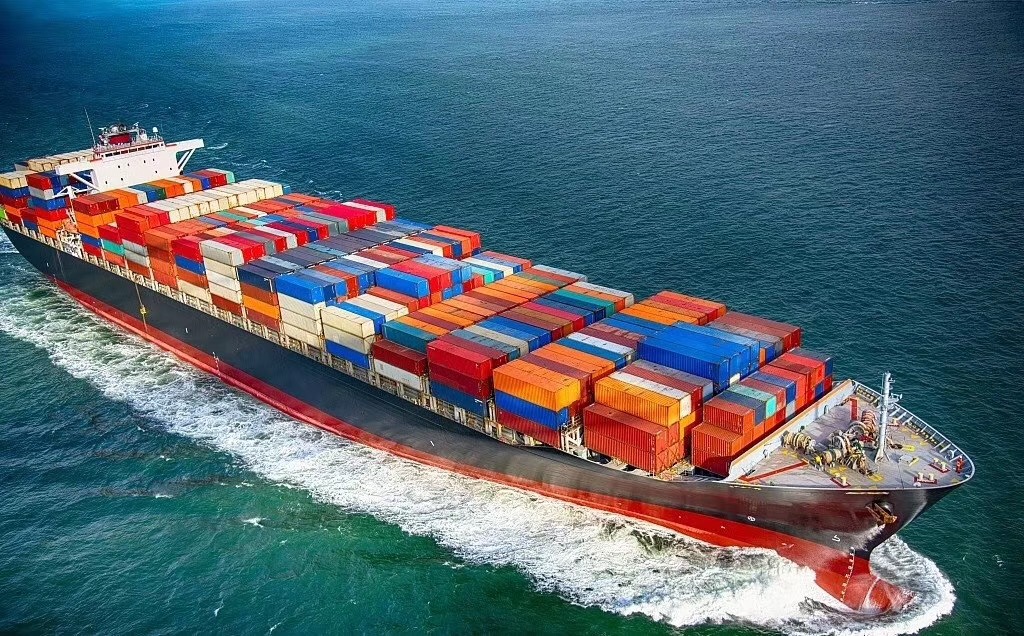
For Dutch companies, efficiency has always been more than a goal—it is a mindset. Yet even the most optimized production systems in the Netherlands have felt the pressure of recent years: volatile energy prices, fragile global supply chains, longer lead times, and shrinking margins. In this environment, sourcing decisions are no longer operational details; they are strategic choices that directly affect competitiveness.
That is precisely why importing raw materials from TÜRKİYE has moved to the top of the agenda for many Dutch manufacturers. Companies that work with experienced sourcing partners such as MT Royal are discovering that Türkiye offers something increasingly rare in global trade: a balance of reliability, flexibility, and cost control that fits the realities of modern European manufacturing.
This practical guide is written for factory owners, procurement managers, and sourcing specialists in the Netherlands who want clarity rather than theory. If your production depends on consistent, high-quality raw materials, this article will help you understand how to import from Türkiye step by step—without unnecessary risk or guesswork.
latamarko alkalized cocoa powder lm60
Food industry raw materials – list of products
Cocoa Powder Exporter from Türkiye
Alkalized Cocoa Powder Supplier
Why TÜRKİYE Has Become a Strategic Sourcing Partner for Dutch Companies
Türkiye’s growing importance in European supply chains is not accidental. It is the result of structural advantages that align particularly well with Dutch industrial priorities.
Several factors explain why Dutch companies are increasingly importing raw materials from Türkiye:
- Short and predictable transit times compared to Asia
- Strong logistical connectivity to Dutch ports and distribution hubs
- Manufacturing standards compatible with EU regulations
- Competitive pricing without extreme volatility
- A business culture that values long-term partnerships and flexibility
For Dutch manufacturers who prioritize supply chain resilience and lean inventory management, these advantages translate into measurable operational gains.
Defining the Basics: What Importing Raw Materials from TÜRKİYE Really Means
At an industrial level, importing raw materials is not about finding the cheapest supplier and placing an order. For Dutch companies, it involves a structured process designed to protect production continuity and regulatory compliance.
In practice, importing raw materials from Türkiye includes:
- Careful supplier selection and qualification
- Precise definition of technical specifications
- Compliance with EU regulations such as REACH, food safety, or GMP
- Coordinated logistics and customs documentation
- Ongoing quality and performance monitoring
Companies that treat sourcing as a system rather than a transaction consistently achieve better results.
Key Raw Materials Dutch Companies Commonly Import from TÜRKİYE
Türkiye’s industrial base is diverse and export-oriented, making it suitable for a wide range of Dutch industries.
Food and Beverage Ingredients
Vegetable oils, specialty fats, cocoa butter alternatives, proteins, emulsifiers, and stabilizers are frequently imported by Dutch food producers seeking consistency and cost efficiency.
Chemical and Industrial Raw Materials
Surfactants, industrial additives, functional chemicals, and formulation ingredients used in coatings, detergents, and plastics are widely sourced from Turkish manufacturers.
Cosmetics and Personal Care Inputs
Base oils, emulsifiers, and functional ingredients from Türkiye are increasingly used by Dutch cosmetic and personal care companies focused on balancing quality and margin.
Pharmaceutical and Nutraceutical Materials
Certain excipients and intermediate materials are sourced under strict regulatory frameworks, particularly for non-API applications.
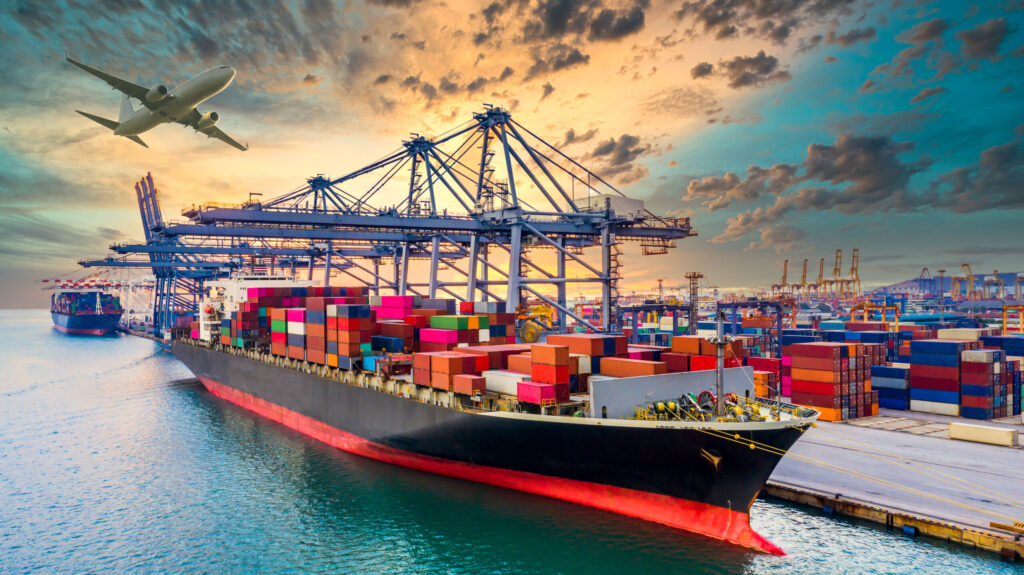
Common Mistakes Dutch Companies Make When Importing from TÜRKİYE
Despite Türkiye’s advantages, many sourcing projects underperform due to avoidable errors. The most common mistakes include:
- Selecting suppliers based primarily on price
- Assuming EU compliance without verification
- Inadequate sample testing under real production conditions
- Overlooking actual production capacity
- Treating logistics as an afterthought
We have seen that even technically strong suppliers can fail when expectations are unclear or sourcing frameworks are weak.
Step-by-Step: How Dutch Companies Can Import Raw Materials from TÜRKİYE
Step 1: Define Technical and Regulatory Requirements Clearly
Before contacting suppliers, your factory must align internally on:
- Technical specifications and tolerances
- Required certifications and compliance standards
- Expected volumes and delivery frequency
- Packaging, labeling, and traceability needs
This step eliminates ambiguity and reduces downstream risk.
Step 2: Identify and Qualify Suitable Turkish Suppliers
Not all Turkish producers are suitable for the Dutch market. Qualification should include:
- Proven export experience to the EU
- Robust quality management systems
- Transparent production capacity
- Willingness to adapt specifications
This is where partners like MT Royal add value by filtering suppliers before engagement.
Step 3: Sample Testing and Validation
Laboratory approval is only the starting point. Raw materials must be tested in real production environments to confirm performance and consistency.
Step 4: Commercial Structuring and Logistics Planning
Clear agreements on Incoterms, lead times, minimum order quantities, and payment terms prevent future friction. Logistics planning should align with production schedules and inventory strategies.
Step 5: Build Long-Term Supply Stability
Successful Dutch importers treat sourcing from Türkiye as a partnership, supported by performance reviews and contingency planning.
Comparing TÜRKİYE with Other Sourcing Regions for Dutch Manufacturers
| Criteria | TÜRKİYE | Asia | Western Europe |
|---|---|---|---|
| Transit time | Short | Long | Short |
| Cost efficiency | High | Very high | Low |
| Flexibility | High | Medium | Low |
| EU compliance | Strong | Variable | Strong |
| Communication | Direct | Slower | Formal |
For many Dutch companies, Türkiye offers the most balanced sourcing profile.
The Role of MT Royal in Supporting Dutch Companies
MT Royal operates as a strategic sourcing partner, not merely a supplier. The company supports Dutch manufacturers by:
- Connecting them with vetted Turkish producers
- Aligning technical specifications with production realities
- Negotiating competitive pricing and stable supply terms
- Managing documentation, compliance, and communication
We have seen that companies working with structured sourcing partners experience fewer disruptions and faster onboarding.
Industrial Sourcing Tips for Large-Scale Dutch Manufacturers
For high-volume production, discipline in sourcing is essential. These principles consistently deliver results:
- Always qualify secondary suppliers for critical materials
- Lock technical specifications before negotiating price
- Understand seasonal production cycles in Türkiye
- Integrate logistics planning with production forecasting
- Monitor supplier performance continuously
These practices transform sourcing from a vulnerability into a competitive advantage.
Frequently Asked Questions from Dutch Procurement Managers
Is importing raw materials from TÜRKİYE compliant with EU regulations?
Yes, provided suppliers are properly qualified and documentation is managed correctly.
Are Turkish suppliers reliable for long-term contracts?
Many are, but reliability depends on supplier selection and structured management.
Should Dutch companies source directly or through partners like MT Royal?
For industrial volumes and regulated materials, working with an experienced partner significantly reduces risk and internal workload.
Why This Is a Strategic Moment for Dutch–Turkish Sourcing
Global manufacturing is entering a phase where resilience, flexibility, and speed matter as much as cost. Dutch companies that recognize this shift are redesigning their supply chains accordingly—and Türkiye is becoming a central pillar of that strategy.
Importing raw materials from TÜRKİYE is not simply an alternative sourcing route. It is a practical, scalable, and forward-looking approach that aligns with the Netherlands’ reputation for efficient, high-quality manufacturing.
Factories that approach this opportunity with clarity, discipline, and the right partnerships will not only stabilize their supply chains—they will strengthen their competitive position in an increasingly demanding industrial landscape.


No comment