


For Libyan manufacturers, importing raw materials is never just a purchasing activity. It is a balancing act between availability, quality, cost control, logistics reliability, and operational continuity. Years of supply instability, fluctuating access to international markets, and inconsistent sourcing channels have taught Libyan factory owners one clear lesson: where and how you source raw materials can define the future of your production line.
In this reality, TÜRKİYE has become far more than a convenient neighbor. It has evolved into one of the most practical, flexible, and industrially aligned sourcing destinations for Libyan companies. When this process is managed through an experienced and structured supplier such as MT Royal, importing raw materials from Turkey shifts from a risky necessity into a controllable industrial strategy.
This guide is written for Libyan factory owners, procurement managers, and operational leaders who want clarity without simplification. It speaks directly to your factory, your challenges, and your long-term goals. The focus is not on theory, but on how importing from TÜRKİYE actually works in real industrial conditions—and how to do it correctly, step by step.
Why TÜRKİYE Is a Natural Sourcing Partner for Libyan Industry
Turkey’s relevance to Libyan manufacturers is not accidental. Geography, history, trade familiarity, and industrial structure all converge to make Turkey uniquely suitable for Libya’s production environment.
Turkish manufacturers operate in a highly export-oriented ecosystem. They are accustomed to supplying markets with varying regulatory requirements, infrastructure constraints, and logistical challenges. This adaptability matters greatly for Libyan companies, where flexibility often outweighs rigid perfection.
Beyond proximity, Turkey offers something even more valuable: industrial diversity. From food ingredients and edible oils to chemicals, construction inputs, packaging materials, and industrial additives, Turkey’s production base covers a wide range of raw materials required by Libyan factories.
We have seen that Libyan companies sourcing from TÜRKİYE often experience shorter lead times, clearer communication, and greater willingness from suppliers to adapt to local realities—an advantage that should not be underestimated.
Importing Raw Materials Is a System, Not a Shipment
One of the most damaging misconceptions in industrial sourcing is treating imports as isolated shipments. For Libyan manufacturers, importing raw materials from Turkey must be understood as a repeatable system that supports continuous production.
This system includes supplier selection, specification alignment, pricing structure, documentation accuracy, logistics planning, customs clearance, and post-delivery consistency. Weakness in any one of these areas eventually affects the entire production cycle.
Factories that succeed in importing consistently are those that design the system before placing the first order. This is precisely where experienced partners like MT Royal add value—not by selling products, but by structuring the sourcing process itself.
Defining Raw Material Requirements with Factory Reality in Mind
Many sourcing problems begin before the first email is sent to a supplier. Generic requests such as “vegetable oil,” “chemical additive,” or “industrial powder” leave too much room for interpretation and almost guarantee inconsistency.
Libyan manufacturers who achieve stable imports define their requirements based on how the material behaves inside their production line. This means understanding physical properties, functional performance, regulatory expectations, packaging formats, and consumption volumes.
We have worked with factories that initially blamed Turkish suppliers for variability, only to discover that unclear specifications were the root cause. Once requirements were defined properly, supplier performance improved without changing the source.
Understanding the Turkish Supplier Landscape
Turkey’s manufacturing sector is deep, but not uniform. There are highly advanced producers with global export experience, and there are smaller facilities that operate well domestically but struggle internationally.
For Libyan companies, the challenge is not access—it is selection. Choosing suppliers based solely on price often leads to inconsistent quality, documentation issues, or unreliable delivery schedules.
This is why many Libyan manufacturers prefer working through MT Royal, which provides access to multiple vetted Turkish producers across different raw material categories. This structure allows comparison, flexibility, and continuity without forcing factories to manage dozens of supplier relationships.
From our experience, sourcing through a structured network dramatically reduces operational surprises.
Pricing and Cost Structure: Seeing the Full Picture
In Libya’s industrial environment, price sensitivity is real—but focusing only on unit price often leads to higher long-term costs. Importing raw materials from TÜRKİYE involves more than the invoice value.
The real cost includes packaging efficiency, logistics coordination, documentation accuracy, clearance speed, and the operational impact of delays. Turkish suppliers often offer flexible packaging and shipment structures that reduce waste and storage pressure.
We have seen Libyan factories choose a supplier with a slightly higher product price and still reduce total sourcing costs through smoother logistics and fewer production interruptions. Cost efficiency reveals itself over time, not on the first quotation.
Logistics Planning Between Turkey and Libya
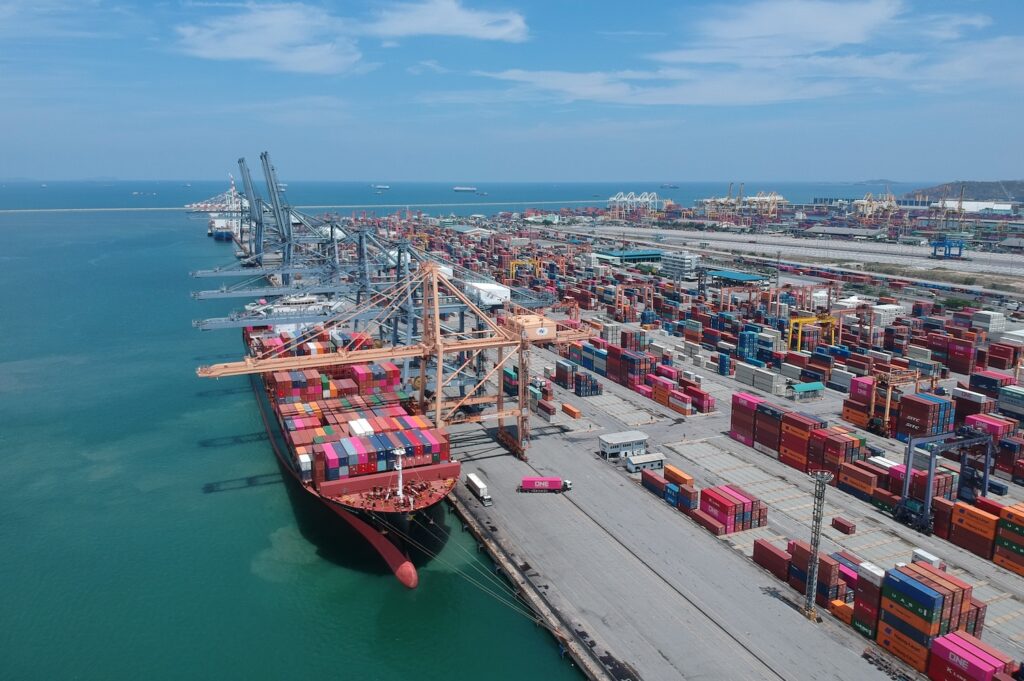
Logistics between TÜRKİYE and Libya benefit from established trade routes and relatively short transit distances compared to global sourcing alternatives. However, logistics success depends on planning, not proximity alone.
Shipping mode selection, port coordination, and delivery timing must align with factory consumption rates. Poor planning often results in either stock shortages or excessive inventory holding.
Libyan manufacturers who integrate logistics planning into procurement decisions experience smoother production cycles and far fewer emergency purchases.
Common Mistakes Libyan Companies Make When Importing from Turkey
Even experienced factories repeat the same sourcing mistakes, often under pressure. These mistakes rarely appear dramatic at first, but their impact accumulates.
Some of the most common issues include:
- Treating imports as one-time transactions rather than ongoing systems
- Selecting suppliers based solely on price
- Skipping thorough sampling to save time
- Underestimating the importance of documentation accuracy
Each of these errors is preventable with planning and experienced support.
Importing at Scale: What Changes for Large-Volume Factories
As production volumes increase, sourcing strategies must mature. What works for small or occasional shipments often fails at industrial scale.
Large-volume Libyan manufacturers benefit from clearer forecasting, long-term supply agreements, and diversified sourcing within Turkey. This reduces dependency risk and improves negotiation leverage.
We have seen that factories who adopt structured sourcing models achieve greater stability and cost predictability—even in volatile market conditions.
MT Royal supports this evolution by offering access to multiple Turkish brands and producers within a single sourcing framework.
Frequently Asked Questions from Libyan Factory Managers
Is TÜRKİYE suitable for continuous industrial supply to Libya?
Yes. Turkey’s export-oriented manufacturing sector is well suited to regular, repeat shipments.
Can Libyan companies source different raw materials through one partner?
Working with MT Royal allows consolidation across categories, simplifying procurement and communication.
Is importing from Turkey risky under current conditions?
Risk exists in any international sourcing—but it is significantly reduced with proper planning and experienced partners.
Building Stability in an Unstable Environment
Libyan manufacturers operate under conditions that demand resilience, flexibility, and realism. Importing raw materials from TÜRKİYE is not about chasing opportunities—it is about building control into your supply chain.
When sourcing decisions are grounded in technical clarity, structured planning, and trusted partnerships, imports become predictable rather than stressful. Turkey offers industrial capacity and adaptability. MT Royal provides the experience and structure to turn that capacity into a dependable sourcing system.
Factories that succeed are not those who find the cheapest supplier, but those who build sourcing systems that hold up under pressure. In today’s industrial reality, that strength is the most valuable raw material of all.


No comment