


For Moroccan manufacturers and industrial companies, importing raw materials from Türkiye is more than a procurement decision—it is a strategic opportunity to enhance production efficiency, reduce costs, and secure high-quality inputs. From chemicals and food ingredients to cosmetic actives and industrial additives, Turkish suppliers provide reliable, certified products suitable for large-scale operations. However, navigating the import process requires careful planning, compliance with regulations, and a trusted network of intermediaries. This comprehensive, step-by-step guide is designed to help Moroccan companies import raw materials from Türkiye efficiently, safely, and strategically.
At MT Royal, we have extensive experience facilitating imports for companies across Morocco. We have seen firsthand how structured sourcing and strong partnerships transform procurement from a transactional task into a competitive advantage.
Why Türkiye is an Attractive Source for Moroccan Companies
High-Quality Raw Materials
Turkish manufacturers maintain stringent quality standards, ensuring consistency for industrial production. Whether it is chemical additives, emulsifiers, food-grade ingredients, or specialty oils, these materials meet international certifications such as ISO, GMP, and Halal.
Competitive Pricing
Türkiye’s strong industrial base and regional trade advantages enable suppliers to offer high-quality raw materials at competitive prices, helping Moroccan companies optimize production costs.
Experienced Exporters
Many Turkish suppliers are well-versed in international trade. They provide complete documentation, certifications, and assistance for customs clearance in Morocco, minimizing the risk of delays.
Supply Chain Diversification
By sourcing from Türkiye, Moroccan companies diversify supply chains, reducing dependency on local suppliers and mitigating operational risks.
Frequently Imported Raw Materials from Türkiye
Moroccan industries commonly import:
- Food sector: cocoa, sugar, dairy powders, flavorings, and nuts.
- Chemical sector: surfactants, emulsifiers, solvents, and specialty chemicals.
- Cosmetic and personal care: botanical extracts, essential oils, active ingredients.
- Textile and packaging materials: fabrics, specialty papers, films, and nonwovens.
We at MT Royal help Moroccan factories source consistently from trusted Turkish manufacturers, ensuring quality, compliance, and competitive pricing.
Step 1: Define Raw Material Specifications
Clear product specifications are crucial:
- Determine type, grade, and technical parameters.
- Specify packaging and storage requirements.
- Identify certifications required (ISO, Halal, GMP, etc.).
- Set order volumes, frequency, and tolerance limits.
Skipping this step may result in receiving unsuitable materials, increasing costs and delaying production.
Step 2: Identify Reliable Turkish Suppliers
Moroccan companies can either source directly from manufacturers or work through an intermediary.
Benefits of Using an Intermediary
- Consolidates multiple suppliers under one agreement.
- Manages export documentation, shipping, and compliance.
- Simplifies communication and ensures consistent quality.
- Reduces risk through verified suppliers and pre-shipment inspections.
At MT Royal, we connect Moroccan companies with trusted Turkish manufacturers, handling logistics and documentation so you can focus on production.
Step 3: Prepare Export Documentation
Proper documentation ensures smooth customs clearance:
- Commercial Invoice: product description, value, and HS codes.
- Packing List: quantities, weights, packaging type.
- Bill of Lading / Airway Bill: depending on the chosen shipping method.
- Certificate of Origin: verifying Turkish origin.
- Quality Certificates: ISO, Halal, GMP, or others as required.
Double-checking documents before shipment prevents delays or fines at Moroccan customs.
Step 4: Understand HS Codes and Import Duties
Accurate classification of materials is essential:
- HS codes determine customs duties and taxes.
- Misclassification may result in fines or rejected shipments.
- Licensed customs brokers can ensure compliance and correct classification.
Step 5: Plan Logistics and Shipping
Choosing the right transportation method impacts cost and efficiency:
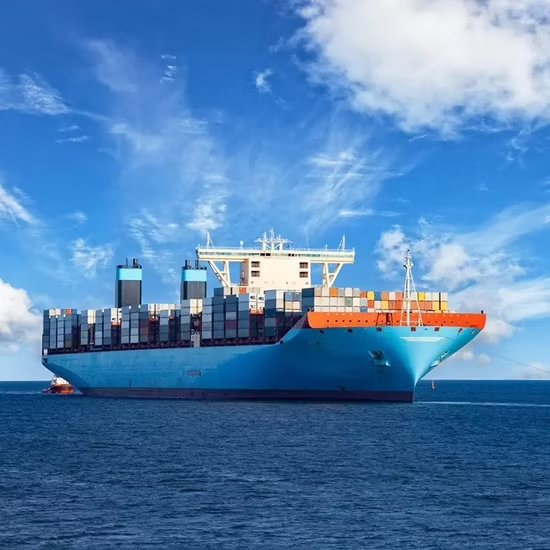
- Sea freight: cost-effective for bulk shipments but slower transit.
- Air freight: faster for high-value or urgent materials but more expensive.
- Land or multimodal transport: often combined with sea freight for inland delivery.
Agree on Incoterms (FOB, CIF, DAP) to define responsibilities for shipping, insurance, and customs clearance.
Step 6: Conduct Pre-Shipment Quality Checks
Before materials leave Türkiye:
- Inspect against specifications.
- Verify certifications and documentation.
- Confirm labeling and packaging comply with transport requirements.
Pre-shipment inspections prevent production delays and returns.
Step 7: Moroccan Customs Clearance
Upon arrival in Morocco:
- Submit the customs declaration with all required documents.
- Pay applicable duties and taxes based on HS codes.
- Consider hiring a licensed customs broker for faster processing.
- Ensure compliance with Moroccan standards for industrial or consumer-use materials.
Step 8: Implement Internal Quality Control
After receipt at your facility:
- Conduct inspections and quality verification.
- Track batch numbers for traceability.
- Maintain proper storage conditions to preserve material integrity.
- Plan reorder cycles to avoid production interruptions.
Robust internal QC protocols enhance operational efficiency and reduce waste.
Industrial Considerations for Large-Scale Operations
- Supply resilience: maintain relationships with multiple suppliers.
- Batch consistency: monitor each shipment to ensure uniform quality.
- Inventory planning: account for lead times and seasonal fluctuations.
- Landed cost analysis: consider product cost, freight, insurance, and customs duties.
- Regulatory awareness: remain updated on Moroccan import regulations for chemicals, food ingredients, and cosmetic actives.
Frequently Asked Questions
Q: Do Moroccan companies need special licenses to import Turkish raw materials?
A: Most materials only require standard customs registration, but certain restricted chemicals or specialty items may need additional permits.
Q: How are import duties calculated?
A: Duties depend on HS codes and product category. Licensed brokers can ensure accuracy.
Q: Can intermediaries simplify the process?
A: Yes, intermediaries like MT Royal consolidate suppliers, manage documentation, and handle logistics efficiently.
Q: How can I ensure quality upon arrival?
A: Conduct inspections, maintain proper storage, and document all materials for traceability.
Strategic Insight
Importing raw materials from Türkiye allows Moroccan companies to reduce costs, diversify supply sources, and secure high-quality inputs. A structured approach—including detailed specifications, trusted suppliers, robust documentation, and internal quality control—turns international procurement from a transactional necessity into a strategic operational advantage.
At MT Royal, we have observed that companies implementing these practices experience:
- Faster production cycles
- Consistent product quality
- Greater scalability for growth
- Reduced supply chain risks
By viewing Turkish imports as a strategic element of your supply chain, Moroccan companies can enhance operational resilience, optimize cost management, and achieve sustainable growth.


No comment