


For Palestinian manufacturers, sourcing raw materials is no longer a simple purchasing decision. It has become one of the most sensitive pressure points in the entire production chain. Every delay at customs, every inconsistency in quality, and every miscalculation in logistics can ripple through the factory floor, slow down output, and increase operational costs.
Over the past decade, many Palestinian factories have quietly shifted their attention toward TÜRKİYE—not because it is fashionable, but because it works. Turkey has emerged as a realistic, flexible, and industrially mature sourcing hub that fits the operational reality of Palestinian production lines. When this sourcing process is managed through an experienced supplier such as MT Royal, importing raw materials stops being a risk-filled challenge and starts becoming a controllable, repeatable system.
This guide is written for factory owners, procurement managers, and decision-makers who want clarity—not marketing slogans. It reflects real industrial conditions, real mistakes, and real solutions that matter on the production floor.
Why TÜRKİYE Has Become a Strategic Sourcing Hub for Palestinian Industry
Turkey’s industrial rise is the result of decades of export-oriented manufacturing, not overnight growth. Turkish producers operate at a scale that comfortably serves both regional and European markets, which means Palestinian companies gain access to materials that already meet international standards without paying Western-market premiums.
Geography plays a role, but it is not the main advantage. The real value lies in Turkey’s ability to offer consistent quality, shorter lead times, and production flexibility. Unlike distant sourcing markets, communication gaps are smaller, response times are faster, and production adjustments are more realistic.
In our collaboration with multiple factories, we have seen that sourcing from Turkey often reduces not only costs, but also uncertainty. Predictability, in industrial procurement, is worth far more than the lowest quoted price.
Importing Raw Materials Is a Process, Not a Transaction
One of the biggest misconceptions among industrial buyers is treating imports as one-time deals. In reality, importing raw materials from TÜRKİYE is a structured process that begins long before a purchase order is issued and continues well after the shipment arrives.
It starts with understanding how a raw material behaves inside your production line, how stable its supply will be over time, and how exposed it is to logistical or regulatory disruption. Palestinian manufacturers who succeed in importing consistently are those who approach sourcing as an extension of production planning—not as a separate commercial activity.
This is where experienced intermediaries such as MT Royal become essential. Instead of managing dozens of suppliers, documents, and negotiations, you work through a single channel that understands both Turkish manufacturing realities and Palestinian operational constraints.
Defining Technical Requirements the Right Way
Many sourcing problems begin with vague specifications. A material name alone is never enough. Two products with identical labels can behave very differently under industrial conditions, especially in food processing, chemicals, or feed manufacturing.
Successful Palestinian factories invest time in defining what truly matters: performance parameters, regulatory expectations, packaging format, and consumption rhythm. When these details are clarified early, supplier alignment becomes far smoother and production disruptions become rare rather than frequent.
We have seen factories reduce reformulation costs simply by improving how they communicate specifications during the sourcing phase. Precision at this stage saves money everywhere else.
Choosing the Right Turkish Supplier Without Trial-and-Error Losses
Turkey’s supplier landscape is broad, but not evenly reliable. Many companies can manufacture a product; far fewer can deliver it consistently, document it correctly, and support it over time.
This is why relying on unverified traders or one-off contacts often leads to disappointment. Quality fluctuations, unclear export procedures, and post-sale silence are common complaints among first-time importers.
By contrast, working with MT Royal gives Palestinian companies access to vetted Turkish manufacturers across multiple categories and brands. This structure allows comparison, flexibility, and continuity—three factors that matter far more than initial pricing.
We have observed that factories sourcing through structured supplier networks experience fewer emergency purchases and maintain more stable inventory planning.
Sampling Is Not a Formality—It Is a Safeguard
In industrial procurement, samples are not symbolic gestures; they are operational safeguards. A laboratory test or pilot run can reveal incompatibilities that no datasheet ever will.
Factories that skip sampling to save time often lose far more time later adjusting processes or handling customer complaints. When samples are coordinated professionally, they reflect actual production batches rather than idealized versions of the product.
MT Royal facilitates sampling as part of a controlled sourcing workflow, ensuring that what you test is what you later receive at scale.
Understanding Pricing Beyond the Quotation
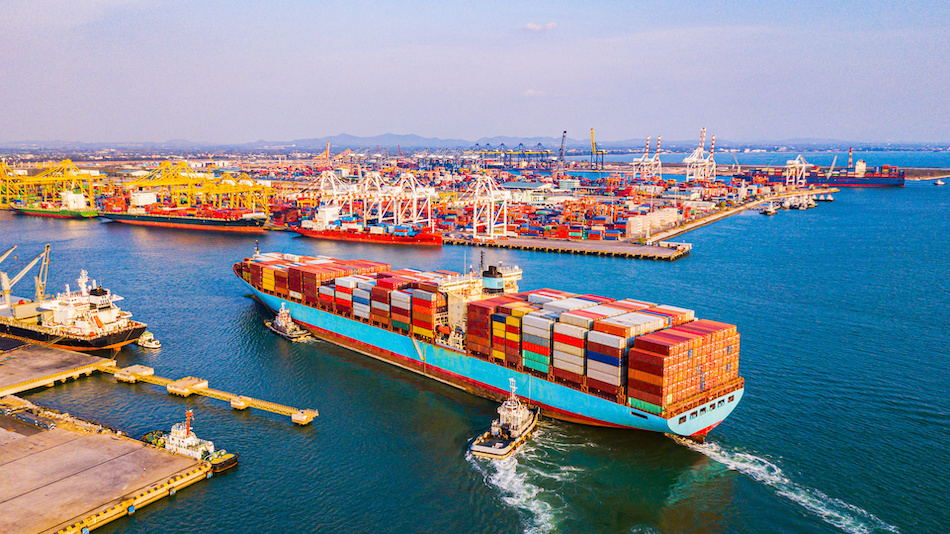
One of the most common sourcing mistakes is evaluating suppliers purely on unit price. Real procurement costs include logistics coordination, packaging efficiency, documentation accuracy, and delivery reliability.
In several cases we have seen, Palestinian factories chose a cheaper supplier only to face higher landed costs due to delays, re-packaging, or customs complications. A slightly higher material price often results in a lower total cost when supported by efficient logistics and correct documentation.
Transparent cost structures are not a luxury; they are a necessity for long-term sourcing stability.
Documentation and Compliance: Where Most Delays Are Born
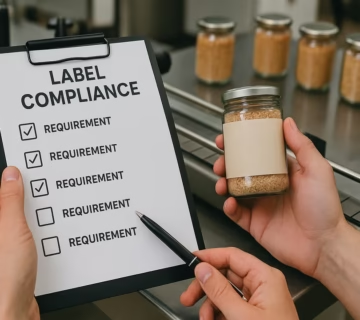
Export and import documentation is rarely complicated, but it must be precise. Minor inconsistencies between invoices, packing lists, and shipment contents can cause days—or weeks—of delay.
Factories that work with experienced exporters benefit from anticipation rather than reaction. When documentation is prepared with the destination market in mind, clearance becomes a formality instead of a bottleneck.
This is one of the least visible yet most valuable advantages of sourcing through MT Royal.
Questions Factory Managers Ask—And Rarely Get Honest Answers To
Is Turkey suitable for long-term, high-volume supply?
Yes—but only when supplier selection and logistics are handled professionally.
Can multiple raw materials be sourced through one channel?
With MT Royal, factories often consolidate sourcing across categories, reducing administrative and operational load.
Does importing become easier over time?
Absolutely. Once systems are established, importing becomes predictable rather than stressful.
Building a Supply Chain That Works Under Pressure
Palestinian manufacturers operate under conditions that demand resilience. Importing raw materials from TÜRKİYE is not about chasing opportunities—it is about building control into your supply chain.
When sourcing decisions are guided by technical understanding, realistic planning, and trusted partnerships, imports stop being a risk factor and start becoming a competitive advantage.
Factories that succeed are not those who buy cheapest, but those who source smartest. And when that sourcing is supported by an experienced partner like MT Royal, the entire production ecosystem becomes stronger, calmer, and more scalable.


No comment