

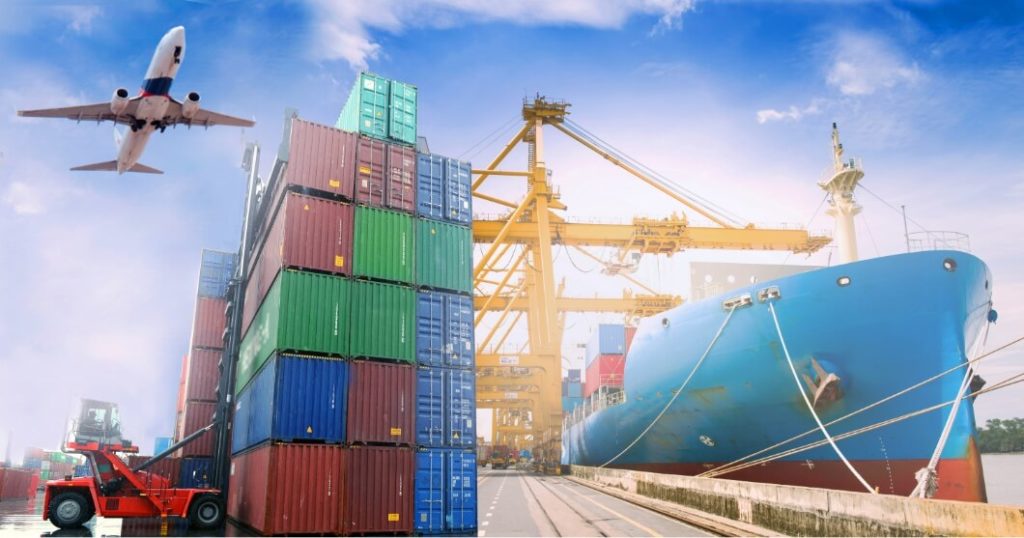
For Syrian manufacturers, industrial buyers, and trading companies, importing products from Türkiye offers a strategic opportunity to access high-quality, competitively priced goods, from industrial raw materials to consumer-ready products. Whether you are looking to streamline your supply chain, diversify sources, or enhance production efficiency, understanding how to import from Türkiye is essential. This guide provides a step-by-step roadmap, enriched with practical insights, industrial examples, and actionable advice — the kind that only seasoned procurement professionals can share.
At MT Royal, we have observed firsthand how Syrian companies that plan meticulously and partner with reliable Turkish suppliers gain a clear competitive edge in production cost, supply consistency, and regulatory compliance. This guide consolidates that experience to help your factory or procurement department execute imports smoothly, reduce risks, and achieve operational excellence.
Why Türkiye Is a Strategic Source for Syrian Companies
Before diving into operational details, it is important to understand why Türkiye is a preferred trading partner for Syrian manufacturers.
Competitive Quality and Price Balance
Türkiye is renowned for its diverse manufacturing sectors — chemicals, food ingredients, cosmetic raw materials, textiles, packaging, and more. Products from Turkey often comply with European and international standards, yet remain cost-effective compared to imports from Western Europe or East Asia. For Syrian companies, this combination of quality and affordability makes Turkey a prime sourcing destination.
Well-Established Export Infrastructure
Turkish exporters are experienced with international shipping, customs compliance, and regulatory documentation. This makes the import process predictable and scalable, which is crucial for companies looking to secure reliable supply chains.
Regulatory Compliance and Certifications
Most Turkish exporters provide certificates of origin, compliance documents, and quality certificates, which simplify customs clearance in Syria. This ensures that the imported goods are legally compliant and ready for use in production without delays.
Diversification and Risk Mitigation
Sourcing from Türkiye allows Syrian companies to diversify supply chains, reducing dependency on single suppliers and mitigating geopolitical or logistic risks. A well-planned Turkish supply chain can improve resilience against market volatility.
Types of Products Syrian Companies Commonly Import from Türkiye
Depending on the industry, Syrian manufacturers source a wide array of Turkish products:
- Industrial raw materials: oils, fats, emulsifiers, specialty chemicals, and intermediates.
- Food ingredients: sugar, cocoa products, dried fruits, nuts, and flavoring agents.
- Cosmetic and personal-care raw materials: essential oils, botanical extracts, emulsifiers, and surfactants.
- Textiles and packaging materials: fabrics, nonwoven materials, films, and packaging solutions.
- Consumer-ready products: detergents, processed foods, cosmetic formulations, and more.
Working with a reliable intermediary like MT Royal allows Syrian companies to access multiple Turkish manufacturers efficiently, reducing administrative workload and ensuring consistent quality across shipments.
Step 1: Define Your Product Requirements Clearly
The foundation of a successful import operation is a well-documented specification. Before contacting suppliers:
- List product type, grade, and quality standards.
- Specify technical parameters: composition, moisture content, pH, chemical properties, or other critical characteristics.
- Determine packaging preferences and storage conditions.
- Estimate required volumes and frequency of orders.
- Identify necessary certifications (ISO, CE, Halal, etc.).
Companies that skip this step often receive incompatible or substandard products, causing production delays or extra costs. We at MT Royal have seen cases where vague specifications led to multiple rejected shipments — a costly mistake that careful planning can easily prevent.
Step 2: Selecting Reliable Turkish Suppliers
You can either source directly from Turkish manufacturers or work through a professional intermediary.
Advantages of Working with an Intermediary
- Consolidates multiple suppliers under one contract, reducing negotiation complexity.
- Ensures comprehensive documentation (commercial invoice, packing list, certificate of origin, SDS).
- Provides logistics management, including freight planning and customs compliance.
- Reduces operational risk and simplifies communication, especially if language barriers exist.
For Syrian companies importing for the first time, intermediaries like MT Royal provide a trustworthy bridge to Turkish producers.
Step 3: Ensure Complete Export Documentation from Türkiye
Proper documentation is critical to avoid delays at Syrian customs:
- Commercial Invoice: itemized, including HS codes and value.
- Packing List: detailed weights, dimensions, and packaging types.
- Bill of Lading / Airway Bill: for sea or air freight.
- Certificate of Origin: certifies the Turkish origin of the goods.
- Additional Certificates: quality, safety, halal, or chemical compliance certificates as needed.
Confirm all documents before shipment to prevent clearance issues or extra costs.
Step 4: Understand HS Codes and Import Duties in Syria
Correctly classifying your products using Harmonized System (HS) codes ensures proper duty calculation and regulatory compliance.
- Most industrial raw materials face low to moderate tariffs.
- Misclassification can result in fines, delays, or confiscation.
- Work with customs brokers to confirm classification and duty applicability.
Step 5: Logistics Planning and Incoterms
Choosing the right transport method affects cost, timing, and product integrity:
- Sea Freight: cost-effective for bulk shipments but slower.
- Air Freight: fast but more expensive; suitable for urgent or high-value items.
- Multimodal or Land Transport: often used in combination with sea freight for inland delivery.
Agree on Incoterms (FOB, CIF, DAP) that clearly define responsibilities for shipping, insurance, and customs clearance.
Step 6: Pre-Shipment Compliance and Quality Checks
Before the products leave Türkiye:
- Confirm suppliers follow Turkish export regulations.
- Check that quality and compliance certificates are accurate and complete.
- Verify packaging, labeling, and transport suitability, especially for chemicals or perishable goods.
Step 7: Syrian Customs Clearance
Upon arrival in Syria:
- Submit customs declaration with complete documentation.
- Pay duties and taxes according to HS classification.
- Optional: use a licensed customs broker to expedite clearance.
- Ensure products comply with Syrian standards for industrial use, food safety, or chemical handling.
Step 8: Internal Quality Control and Inventory Management
After customs clearance:
- Conduct quality inspections against specifications.
- Record batch numbers and maintain traceability for audits.
- Store products according to recommended conditions.
- Plan consumption and reorder cycles to maintain continuous production.
We have observed that companies implementing robust QC procedures experience fewer production disruptions and higher consistency in product quality.
Common Mistakes Syrian Importers Should Avoid
- Vague specifications → risk of receiving unsuitable products.
- Incomplete Turkish documentation → delays and fines at customs.
- Incorrect HS code classification → miscalculated duties or inspection issues.
- Ignoring compliance regulations → rejection of shipment or penalties.
- Poor logistics planning → shipment delays and increased costs.
- Overreliance on a single supplier → high supply-chain risk.
Proactive planning, detailed documentation, and diversified sourcing help mitigate these common issues.
Considerations for Large-Scale Industrial Production
- Supply chain resilience: diversify suppliers to reduce risk.
- Batch control and traceability: ensure quality consistency across large production runs.
- Inventory planning: anticipate lead times, shipping delays, and seasonal variations.
- Landed cost analysis: include product cost, freight, insurance, customs duties, and local handling.
- Regulatory monitoring: stay updated on Syrian import rules for chemicals, food ingredients, and cosmetics.

Frequently Asked Questions
Q: Do Syrian companies need special import licenses for Turkish products?
A: Most goods do not require licenses, but the importer must be registered for customs clearance. Certain chemicals or restricted products may require permits.
Q: What duties are applied to imported Turkish products?
A: Duties vary by HS code but are generally moderate. Always verify with a customs broker.
Q: Can intermediaries simplify the process?
A: Yes, working with intermediaries like MT Royal consolidates suppliers, manages documentation, and facilitates logistics — saving time and reducing risk.
Q: How to ensure quality on arrival?
A: Conduct QC inspections, test batches as needed, maintain storage protocols, and archive all compliance documents.
Why MT Royal Is a Reliable Partner for Syrian Importers
At MT Royal, we provide Syrian companies with access to multiple Turkish manufacturers, handling documentation, logistics, compliance, and supply-chain reliability.
- Single point of contact for diverse products.
- Full compliance with export regulations and proper certificates.
- Streamlined logistics and customs support.
- Consistent quality assurance and supply-chain management.
Our experience shows that partnering with a reputable intermediary simplifies procurement and ensures uninterrupted production.
Strategic Insight
Importing products and raw materials from Türkiye presents a unique opportunity for Syrian companies to strengthen their operational efficiency and overall competitiveness. Beyond simply reducing costs, Turkish suppliers offer access to a wide range of high-quality industrial inputs that comply with international standards, allowing your production lines to maintain consistent quality and minimize defects.
By diversifying sourcing through multiple Turkish manufacturers, your company can mitigate supply chain risks, such as sudden price fluctuations, geopolitical disruptions, or local shortages. This approach ensures that your production processes remain stable and reliable, even in uncertain market conditions.
Careful planning is critical: defining clear product specifications, understanding customs regulations, and mapping logistics flows allows your company to anticipate challenges before they arise. Collaborating with experienced intermediaries like MT Royal can significantly simplify this process, as we consolidate suppliers, manage export documentation, coordinate shipping, and ensure regulatory compliance — effectively acting as an extension of your procurement team.
Additionally, implementing internal quality control procedures for incoming shipments — including batch testing, storage optimization, and traceability tracking — ensures that every product entering your facility meets your operational standards. Companies that combine strategic sourcing from Türkiye with robust internal QC often experience higher production efficiency, fewer delays, and improved customer satisfaction, ultimately translating into measurable business growth.
In essence, importing from Türkiye is not just a transactional activity; it is a strategic lever that can enhance your supply chain resilience, reduce operational risks, and create a sustainable competitive advantage. Companies that approach international procurement with foresight, structured planning, and reliable partnerships transform what could be a logistical challenge into a driver of long-term industrial success.


No comment