

If you are responsible for sourcing and exporting food ingredients from TÜRKİYE for your factory or brand, you understand how complex this process can be without the right knowledge and support. From compliance with international regulations to logistics, quality control, and documentation, every step matters. Choosing a reliable partner like MT Royal can make the difference between smooth international expansion and costly setbacks. We have worked closely with numerous global brands and factories, observing firsthand how strategic planning and professional sourcing from Turkish suppliers improve product quality, consistency, and profitability.
This guide provides a complete roadmap for exporting food ingredients from Turkey, including regulations, documentation, logistics, supplier selection, common mistakes, and advanced tips for large-scale industrial production.
Why Export Food Ingredients from TÜRKİYE?
Türkiye has become a strategic hub for sourcing high-quality food raw materials due to:
- Geographical Advantage: Located at the crossroads of Europe, Asia, and the Middle East, Turkey enables faster shipping, lower costs, and flexible market access.
- High-Quality Standards: Many Turkish suppliers comply with ISO 22000, HACCP, BRC, and organic certifications, facilitating entry into demanding international markets.
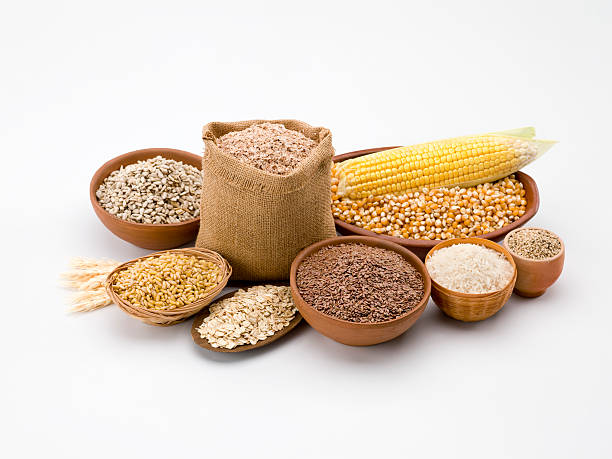
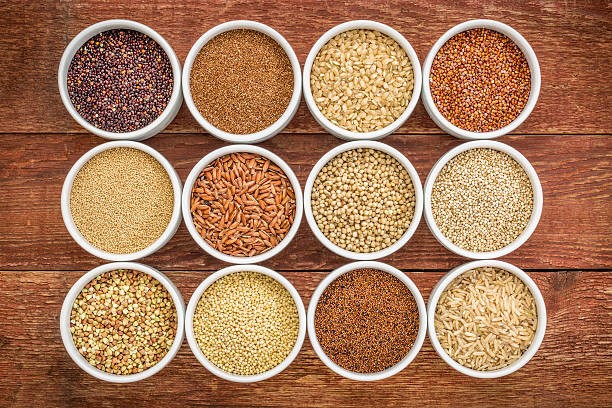
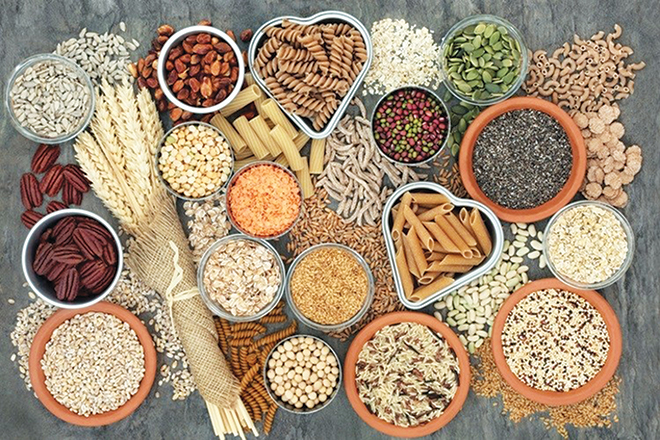
- Diverse Product Portfolio: Turkish suppliers provide grains, pulses, nuts, dried fruits, spices, flavorings, plant-based proteins, and specialty functional ingredients.
- Competitive Pricing: Due to modern production facilities and efficient logistics, sourcing from Turkey often offers excellent cost-to-quality ratios.
For global brands, these advantages translate into reliability, traceability, and consistent product performance.
latamarko alkalized cocoa powder lm60
cocoa powder for chocolate production-Best price
Food industry raw materials – list of products
Understanding Export Requirements
Before you start, it’s essential to grasp the legal and procedural requirements for exporting food ingredients from Turkey.
1. Business Registration and Export Licenses
Only companies legally registered in Turkey and holding valid tax numbers can export. Your business must also obtain an exporter registration certificate from the Turkish Ministry of Trade.
2. Product Classification and HS Codes
Every ingredient requires an HS code (Harmonized System code) for customs purposes. Accurate classification ensures correct tariffs, documentation, and faster customs clearance.
3. Health and Safety Certificates
Food ingredients must comply with the importing country’s regulations. This often requires:
- Certificate of Analysis (COA)
- Sanitary or phytosanitary certificates
- Organic or Halal certifications if applicable
We at MT Royal have seen that early verification of these certificates saves time and prevents shipment rejections.
Choosing the Right Supplier in Türkiye
Supplier selection is the foundation of successful exports. Here’s what to consider:
- Certification & Compliance: Ensure suppliers have ISO 22000, HACCP, BRC, and any relevant organic or Halal certifications.
- Quality Control: Verify batch testing, protein/fiber content, microbial limits, and heavy metals compliance.
- Logistics Capability: Suppliers with integrated warehousing, packaging, and shipping support reduce delays and damage risk.
- Experience with International Markets: Export-savvy suppliers understand documentation, packaging standards, and labeling requirements.
Some of the top suppliers we frequently work with include Bata Food, Tiryaki Agro, ROTEL, and Stern Ingredients, each specializing in high-quality food ingredients for industrial use.
Common Mistakes to Avoid in Exporting Food Ingredients
From our experience at MT Royal, manufacturers often make mistakes that slow or disrupt exports:
- Neglecting Documentation: Missing COAs or certifications can halt customs clearance.
- Focusing Only on Price: Low-cost ingredients may compromise quality, safety, or compliance.
- Ignoring Storage Requirements: Many ingredients are sensitive to temperature, moisture, and light.
- Lack of Traceability: Without proper batch tracking, recalls or audits can become costly.
- Underestimating Shipping Lead Times: Accounting for production, inspection, and logistics delays is essential.
By avoiding these mistakes, your export operations become more reliable and profitable.
Packaging and Labeling Requirements
Proper packaging and labeling are crucial for international shipments:
- Packaging: Must protect ingredients from moisture, contamination, and physical damage. Common choices include vacuum-sealed bags, drums, or food-grade cartons.
- Labeling: Must include ingredient name, origin, weight, production and expiration dates, storage instructions, certifications (organic/Halal), and HS code if required.
- Language Compliance: Labels may need to be translated into the importing country’s official language.
MT Royal supports clients by verifying that all packaging and labeling meet both Turkish export and target country standards.
Logistics and Shipping Tips
Exporting food ingredients requires careful planning of logistics:
- Shipping Methods: Sea freight is cost-effective for bulk shipments; air freight is faster but more expensive.
- Temperature Control: Perishable ingredients may require cold chain management or refrigerated containers.
- Customs Clearance: Working with experienced freight forwarders ensures smooth customs processing.
- Insurance: Cover your shipments against loss, damage, or delays for full risk protection.
By partnering with suppliers who understand global logistics, you minimize risks and maintain consistent supply chains.
Special Considerations for Large-Scale Industrial Export
Exporting for factories or global brands requires attention to industrial-specific challenges:
- Volume Planning: Large-scale production demands suppliers capable of meeting high-volume orders consistently.
- Product Standardization: Uniformity in particle size, moisture content, solubility, and flavor is critical.
- Regulatory Updates: International food regulations frequently change; proactive compliance avoids shipment rejections.
- Custom Formulations: Some brands require blended or processed ingredients; suppliers with R&D capabilities offer significant advantages.
We at MT Royal have seen how industrial brands benefit when suppliers actively participate in product development and quality control.
Frequently Asked Questions (FAQ)
Q: Can I export organic and Halal-certified ingredients from Turkey to any country?
A: Yes, but you must verify that the certifications meet the importing country’s specific standards.
Q: How long does the export process typically take?
A: Depending on documentation, inspection, and shipping method, exports can take 2–6 weeks.
Q: Is it better to consolidate all ingredients from one supplier or diversify?
A: Diversifying helps mitigate supply risk, while centralizing can simplify logistics. MT Royal advises a balanced strategy.
Q: How do I handle customs for highly regulated ingredients like dairy or plant proteins?
A: Engage experienced customs brokers, maintain complete documentation, and ensure lab testing aligns with import regulations.
Conclusion
Exporting food ingredients from TÜRKİYE is both a strategic opportunity and a complex process requiring careful planning, compliance, and partner selection. With Turkey’s geographic advantage, diverse product base, and certified suppliers, your brand can achieve reliable, high-quality exports. MT Royal offers expert support in sourcing, documentation, and logistics, ensuring smooth operations from factory floor to international market.
Choosing the right supplier, understanding regulations, planning for logistics, and maintaining quality at every step distinguishes global leaders in the food industry. By following best practices, avoiding common mistakes, and leveraging professional partnerships, your export strategy becomes a powerful driver of growth, reliability, and international competitiveness.

No comment